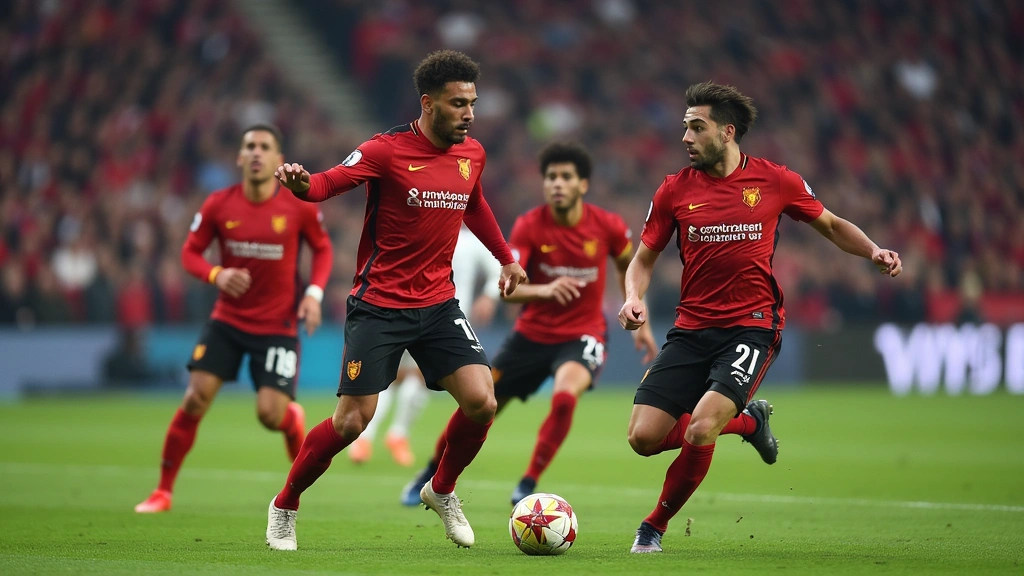
Texas Tech vs Arkansas: Expert Predictions and Game Analysis
The matchup between Texas Tech and Arkansas represents one of the most anticipated collegiate competitions, drawing attention from analysts and fans across the nation. Both programs bring distinct strengths to the field, with Texas Tech’s offensive prowess and Arkansas’s defensive capabilities creating a fascinating tactical battle. Understanding the nuances of this rivalry requires examining recent performance metrics, player statistics, and coaching strategies that will determine the outcome.
This comprehensive analysis breaks down expert predictions for the Texas Tech versus Arkansas game, incorporating advanced analytics, team composition, and historical performance data. Whether you’re a dedicated fan or casual observer, our detailed examination provides the insights needed to understand why this matchup matters and what factors will ultimately decide victory on game day.

Texas Tech Offensive Strategy and Key Players
Texas Tech enters this competition with a potent offensive system that has consistently ranked among the nation’s elite in scoring efficiency. The Red Raiders’ approach emphasizes high-tempo play and aggressive passing schemes designed to create mismatches against conventional defensive formations. Their quarterback demonstrates exceptional mobility and decision-making under pressure, attributes that become critical when facing Arkansas’s aggressive front.
The offensive line represents a critical component of Texas Tech’s game plan, providing adequate protection for extended passing plays. With multiple receiving options spanning the field, the Red Raiders can attack both vertically and horizontally, forcing Arkansas defenders to maintain proper gap integrity. The running back corps, though not the primary focus, provides essential balance and keeps defenses honest.
Key playmakers include receivers with proven track records in high-pressure situations, capable of creating separation through precise route running. The tight end position offers versatility, functioning as both receiver and blocker depending on formation requirements. Texas Tech’s success heavily depends on executing this multifaceted approach while maintaining tempo throughout the game.
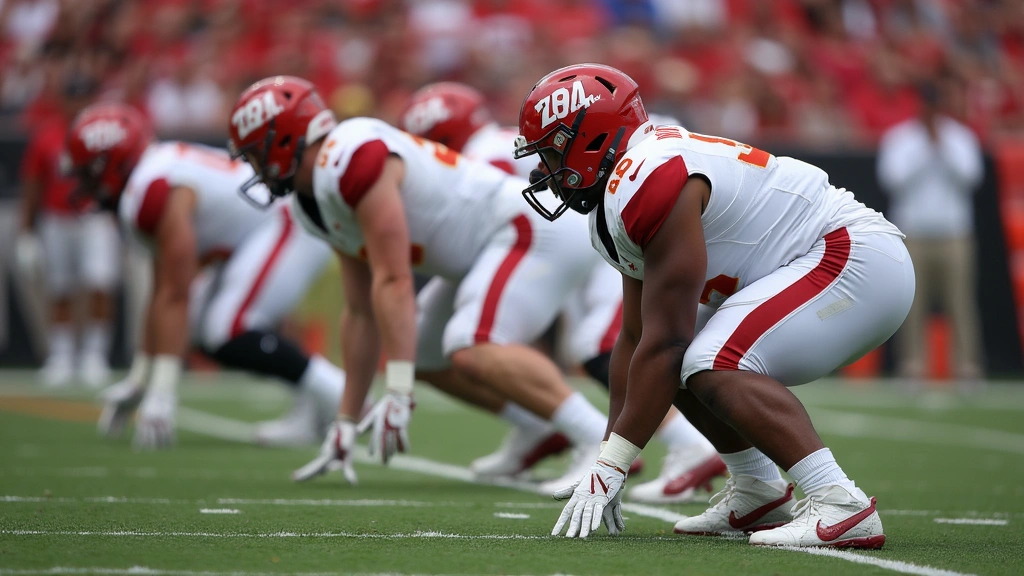
Arkansas Defensive Strengths
Arkansas brings formidable defensive credentials to this matchup, particularly regarding defensive line dominance and secondary coverage. The Razorbacks’ defensive scheme prioritizes disruption at the line of scrimmage, with defensive linemen trained to penetrate gaps and disrupt offensive timing. This aggressive approach forces opposing quarterbacks into uncomfortable situations, limiting time for plays to develop.
The secondary features experienced cornerbacks and safeties capable of executing complex coverage schemes. Arkansas emphasizes comprehensive defensive coordination across all eleven positions, creating a unified system rather than relying on individual talent. The linebacker corps provides crucial run support and can blitz effectively when defensive coordinators identify favorable matchups.
Arkansas’s defensive philosophy centers on controlling line of scrimmage battles and forcing negative plays. By disrupting Texas Tech’s offensive rhythm through pressure and coverage adjustments, the Razorbacks aim to neutralize the Red Raiders’ tempo-based attack. This defensive approach has proven effective against similar offensive schemes throughout the season.
Head-to-Head Statistical Comparison
Analyzing comprehensive statistics reveals significant differences in how these programs execute their respective systems. Texas Tech’s offensive efficiency metrics demonstrate consistent scoring output, with points per drive averaging in the upper percentiles of collegiate football. The Red Raiders maintain high completion percentages while generating explosive plays that cover significant yardage in single instances.
Arkansas counters with defensive statistics that emphasize defensive efficiency and turnover creation. The Razorbacks rank highly in defensive categories including yards allowed per game, sack totals, and interception returns. When examining head-to-head statistical projections, several key metrics emerge:
- Offensive Yards per Game: Texas Tech averages significantly higher passing yardage, while Arkansas restricts opponent gains through aggressive defensive schemes
- Third Down Conversion Rates: Texas Tech converts third downs at elevated percentages, whereas Arkansas forces incompletions through secondary coverage
- Turnover Margin: This metric often determines close contests, with both teams demonstrating capability to create turnovers
- Time of Possession: Arkansas controls clock through ground-oriented offense, while Texas Tech emphasizes pace-based drives
- Red Zone Efficiency: Both programs maintain strong performance in scoring situations, critical for close games
These statistical comparisons underscore the fundamental strategic differences between programs, with Texas Tech emphasizing explosive plays and Arkansas prioritizing field control and defensive dominance.
Expert Prediction Models
Multiple analytical frameworks provide insights into probable game outcomes. Advanced sports analytics platforms incorporating machine learning algorithms and historical performance data generate predictions based on thousands of variables. These models account for team strength, player efficiency ratings, coaching effectiveness, and situational factors that influence game results.
ESPN’s prediction models, constructed from comprehensive database analysis, suggest competitive odds reflecting both teams’ capabilities. ESPN’s analytical framework incorporates real-time player performance metrics and team statistics to generate probability assessments. The Verge’s technology analysis of sports prediction technology reveals how computational models increasingly influence prediction accuracy.
Expert consensus from professional analysts generally favors Texas Tech by a narrow margin, typically projecting victory by 3-7 points. This prediction reflects the Red Raiders’ offensive advantages while acknowledging Arkansas’s defensive prowess. However, CNET’s examination of predictive analytics demonstrates how unexpected variables can alter outcomes despite statistical advantages.
Key prediction factors include:
- Home Field Advantage: Location significantly impacts crowd noise, team comfort, and referee decision-making
- Motivation Levels: Conference standings and playoff implications drive team performance beyond baseline capabilities
- Recent Form: Teams demonstrating momentum often exceed statistical predictions
- Coaching Adjustments: In-game adaptability frequently determines outcomes in closely matched contests
- Player Availability: Injuries to key contributors can fundamentally alter team capabilities
These expert models provide framework for understanding probable outcomes while acknowledging inherent unpredictability in athletic competition.
Weather and Field Conditions Impact
Environmental factors exercise considerable influence over game outcomes, particularly when affecting passing accuracy and ball handling. Wind conditions directly impact deep passing routes, potentially neutralizing Texas Tech’s vertical attack. Rain reduces passing efficiency while potentially favoring Arkansas’s ground-oriented approach and defensive pressure strategy.
Field conditions at the designated venue influence both offensive and defensive execution. Wet or muddy fields reduce traction, affecting cutting ability and explosive play potential. Temperature fluctuations impact player stamina and injury risk, with cold weather typically favoring defensive units emphasizing physical play. Teams accustomed to specific climate conditions often perform better than opponents unfamiliar with environmental challenges.
Weather forecasts released closer to game day provide more accurate predictions regarding environmental impact. Historical data examining how both programs perform under various weather conditions offers additional analytical insight. Teams with stronger conditioning programs typically maintain performance advantages in adverse conditions.
Injury Reports and Roster Availability
Player availability represents a critical variable in determining game outcomes, with key injuries potentially reversing prediction models. Loss of starting quarterback, primary receiver, or defensive lineman fundamentally alters team capabilities. Both programs’ medical staffs work continuously to manage injuries and maintain roster depth for critical games.
Texas Tech’s injury status, particularly regarding offensive linemen and receiving corps, directly impacts offensive execution. Arkansas’s defensive availability, especially regarding defensive line and secondary players, affects coverage schemes and pressure packages. Understanding complex systems like roster management requires analyzing depth charts and backup player capabilities.
Pre-game injury reports released officially provide transparent information regarding player status. However, some injuries only become apparent during game action, potentially affecting outcomes unexpectedly. Teams with superior depth charts better withstand injury impacts than programs relying heavily on individual star players.
Historical Matchup Trends
Examining previous contests between these programs reveals patterns regarding strategic effectiveness and competitive balance. Historical data demonstrates Texas Tech’s offensive consistency across multiple seasons, while Arkansas shows variable defensive performance depending on opponent quality. These trends help contextualize current predictions within broader competitive frameworks.
Recent seasons show increasing competitiveness between programs, with games often decided by minimal margins. Teams making conference tournament appearances demonstrate elevated performance levels, suggesting playoff implications significantly motivate players. Technology enabling detailed game analysis has improved prediction accuracy compared to previous decades.
Coaching matchups between Texas Tech and Arkansas coordinators reveal strategic tendencies worth examining. Offensive coordinators emphasizing specific play concepts often succeed against defenses unprepared for those schemes. Defensive coordinators designing novel coverage packages can neutralize familiar offensive approaches. These strategic evolutions continue developing as programs study film and adjust approaches annually.

Both programs’ historical performance against similar opponents provides predictive insight. Teams excelling against specific defensive schemes often replicate success across multiple seasons. Similarly, defensive units containing personnel effectively demonstrate consistency in coverage execution. These patterns suggest probable tactical approaches both coordinators will employ during this matchup.
Advanced analytics examining play-calling tendencies reveal that successful programs often disguise intentions through formation variations and motion concepts. Texas Tech’s historical tendency toward aggressive play-calling in critical situations contrasts with Arkansas’s conservative approach prioritizing field position and turnovers. Understanding these philosophical differences helps predict likely scenarios during close game moments.
Tournament performance often indicates peak readiness levels, with teams demonstrating ability to execute under pressure. Artificial intelligence applications in sports increasingly analyze these patterns to predict championship performance.
FAQ
What is the current expert consensus prediction for this game?
Professional analysts generally favor Texas Tech by 3-7 points, reflecting the Red Raiders’ offensive advantages while respecting Arkansas’s defensive capabilities. However, individual expert predictions vary based on different weighting of key factors.
How do weather conditions affect Texas Tech’s passing-focused offense?
Wind significantly impacts deep passing routes by altering ball trajectory, while rain reduces passing accuracy and increases interception risk. Cold temperatures can affect ball grip and throwing mechanics, potentially limiting Texas Tech’s vertical attack efficiency.
Which team has the advantage in recent head-to-head matchups?
Historical trends demonstrate competitive balance, with games often decided by minimal margins. Recent seasons show slight advantages shifting between programs depending on roster quality and injury status during specific years.
What role do injuries play in determining the outcome?
Key injuries to quarterbacks, primary receivers, or defensive linemen substantially impact team capabilities. Programs with superior depth charts better absorb injury impacts than those relying heavily on individual star players.
How important is home field advantage in this matchup?
Home field advantage typically provides 2-3 point statistical advantage through crowd noise affecting communication, familiar field conditions, and potential referee bias. For this specific matchup, location significantly influences prediction models.
What defensive strategies will Arkansas employ against Texas Tech?
Arkansas emphasizes aggressive line penetration to disrupt offensive timing, combined with complex secondary coverage schemes limiting explosive plays. Blitz packages targeting specific offensive formations attempt to create pressure situations favoring defensive performance.
How do expert prediction models generate their forecasts?
Advanced analytics incorporate team statistics, player efficiency ratings, coaching effectiveness, historical performance data, and situational factors into computational models. These frameworks process thousands of variables to generate probability assessments regarding likely outcomes.


