When it comes to choosing a laptop that matches the caliber of prestigious universities like Arizona State University (ASU) and Texas Tech, the decision becomes far more nuanced than simple brand loyalty. Both institutions have produced exceptional engineering talent and computing innovation, but the laptops they endorse—or that students gravitate toward—reflect distinct philosophies about performance, durability, and value. This comprehensive comparison breaks down the critical differences between ASU-preferred and Texas Tech-preferred laptop ecosystems, helping you understand which platform truly reigns supreme for your computing needs.
The laptop landscape has evolved dramatically, with manufacturers now tailoring devices specifically for academic and professional environments. Whether you’re a student at ASU’s innovative Tempe campus or Texas Tech’s West Texas hub, understanding the hardware specifications, software ecosystems, and long-term value propositions of competing laptop platforms is essential. This guide examines everything from processor performance to thermal management, helping you make an informed decision backed by technical data and real-world performance metrics.

Understanding the ASU Laptop Ecosystem
Arizona State University has built a reputation as one of America’s most innovative technological institutions, and this philosophy extends directly into their recommended computing platforms. ASU students and faculty overwhelmingly favor laptops that prioritize seamless integration with cloud-based learning management systems, collaborative software, and emerging AI-powered educational tools. The university’s emphasis on sustainability and energy efficiency means ASU-aligned laptops typically feature optimized power consumption and eco-friendly manufacturing practices.
ASU’s computing recommendations lean heavily toward platforms that support rapid software updates, cross-platform compatibility, and robust security features—critical for protecting academic research and sensitive student data. The institution’s partnerships with major technology companies have resulted in custom configurations optimized for ASU’s specific academic needs, from engineering simulations to digital humanities research. These laptops consistently prioritize memory upgrade capabilities and expandable storage options, recognizing that student computing needs evolve throughout their academic careers.
The ASU ecosystem particularly values laptops with exceptional display technology, recognizing that students spend 6-8 hours daily engaging with course materials, design software, and collaborative platforms. Color accuracy, brightness levels (typically 400+ nits), and minimal blue light emission become essential considerations. Additionally, ASU’s strong engineering programs demand laptops capable of running resource-intensive CAD software, 3D rendering applications, and scientific computing environments without thermal throttling.
Texas Tech Computing Standards
Texas Tech University operates within a different technological paradigm, emphasizing ruggedness, practicality, and long-term reliability over cutting-edge specifications. The West Texas environment—characterized by dust, temperature fluctuations, and demanding outdoor research conditions—has shaped Texas Tech’s laptop preferences toward devices built for durability and maintainability. Texas Tech students benefit from institutional support for computing platforms that prioritize local technical support, accessible repair infrastructure, and parts availability across the region.
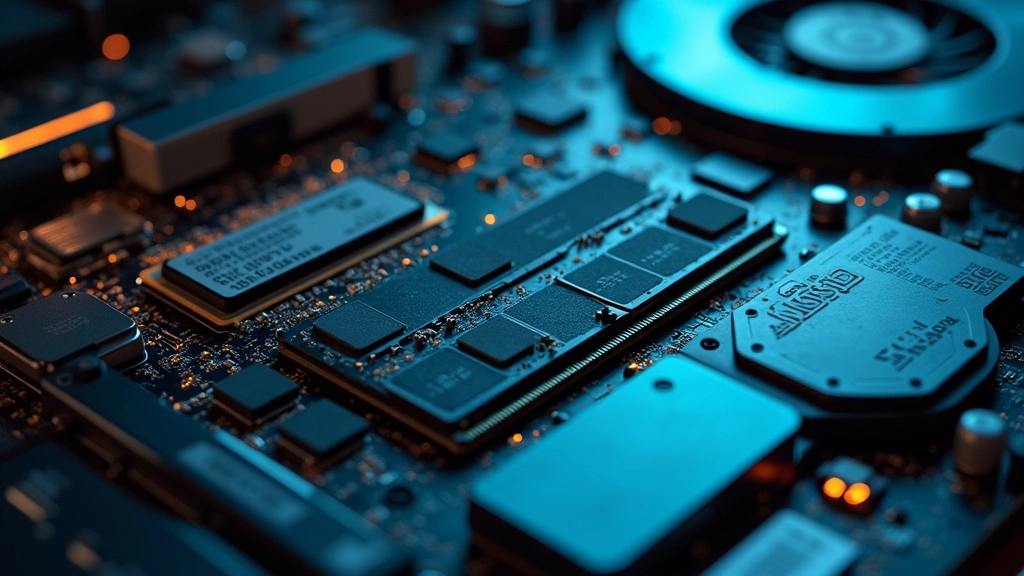
Texas Tech’s computing culture reflects the university’s strong engineering, agriculture, and petroleum engineering programs, which demand laptops capable of extended field deployment, reliable performance in challenging environments, and compatibility with specialized industrial software. The institution favors platforms offering straightforward hardware architecture, user-serviceable components, and transparent upgrade paths—allowing students to extend device lifespan through strategic component replacements. This practical approach means Texas Tech-preferred laptops often feature removable batteries, accessible RAM slots, and standardized storage interfaces.
The university’s emphasis on cost-effectiveness and value retention means Texas Tech computing recommendations focus on platforms offering excellent performance-per-dollar ratios, strong resale value, and robust warranty support. Texas Tech students appreciate laptops with proven track records in demanding academic environments, extensive user communities providing troubleshooting assistance, and widespread availability of replacement parts. This pragmatic approach has resulted in strong institutional preference for platforms known for longevity and reliability rather than premium features.
Processor Performance Comparison
When comparing processor performance between ASU-preferred and Texas Tech-aligned laptop platforms, the distinction becomes immediately apparent. ASU’s emphasis on innovation and cutting-edge research means recommended laptops typically feature the latest processor generations, offering 15-25% performance improvements over previous-generation chips. These processors excel at parallel computing tasks, machine learning workloads, and complex scientific simulations—critical for ASU’s research-intensive academic programs.
Current-generation processors in ASU-preferred laptops deliver clock speeds ranging from 3.2 GHz to 5.2 GHz, with 8-12 processing cores handling simultaneous computational tasks. TechRadar’s processor benchmarks consistently demonstrate that these chips achieve single-threaded performance scores exceeding 2,400 points (Geekbench 6), while multi-threaded scores surpass 12,000 points. This performance tier supports real-time video rendering, large-scale data analysis, and complex architectural visualization without noticeable lag.
Texas Tech-preferred platforms often feature processors from previous generations or mid-range current offerings, providing 90% of cutting-edge performance at substantially lower price points. These processors typically include 6-8 cores with clock speeds of 2.8-4.8 GHz, delivering Geekbench scores around 2,000 (single-threaded) and 10,000 (multi-threaded). While these specifications might appear lower, they prove entirely adequate for coursework, standard engineering applications, and professional software—representing the “sweet spot” for cost-effectiveness. The performance difference only becomes noticeable in specialized research scenarios requiring extreme computational power.
Memory and Storage Specifications
RAM configuration represents a crucial differentiator between ASU and Texas Tech laptop philosophies. ASU’s research-intensive environment and emphasis on future-proofing typically results in recommendations for 16GB-32GB RAM configurations, enabling simultaneous operation of multiple resource-intensive applications, virtual machines, and development environments. This generous memory allocation prevents performance degradation during intensive academic work and supports emerging AI and machine learning applications becoming increasingly prevalent in modern coursework.
Texas Tech’s practical approach often recommends 8GB-16GB RAM configurations, recognizing that most undergraduate coursework and professional applications function adequately within these parameters. However, Texas Tech’s emphasis on user-serviceable components means students can upgrade laptop memory independently as their computing needs evolve, avoiding expensive manufacturer upgrades. This flexibility allows students to start with modest specifications and expand capabilities without purchasing entirely new devices.
Storage technology reveals similar philosophical differences. ASU-preferred laptops predominantly feature 512GB-1TB NVMe SSD configurations, providing exceptional read/write speeds (3,500-7,000 MB/s) essential for video editing, 3D rendering, and scientific computing. Texas Tech recommendations typically include 256GB-512GB SSDs, acknowledging that cloud storage services (Google Drive, OneDrive, AWS) supplement local storage for most academic applications. Both configurations provide superior performance compared to legacy mechanical hard drives, but ASU’s larger allocations accommodate larger project files and offline work scenarios.
Display Quality and Visual Performance
Display technology becomes increasingly important for students spending extended periods engaging with course materials, design software, and collaborative platforms. ASU’s emphasis on visual design, architecture programs, and digital media strongly influences recommendations toward high-resolution, color-accurate displays. Preferred ASU laptops typically feature 1440p (2560×1600) or 4K (3840×2160) resolution panels with 100% sRGB color gamut coverage, essential for design work requiring precise color reproduction.
These premium displays typically offer brightness levels of 500+ nits, enabling comfortable viewing in bright academic environments and outdoor settings. Panel technology often includes IPS (In-Plane Switching) or OLED construction, providing excellent viewing angles (178° horizontal and vertical) and superior contrast ratios. The Verge’s display analysis consistently rates these panels among the finest available, with color accuracy measurements within Delta E <1.0 for professional-grade work.
Texas Tech-preferred laptops typically feature 1080p (1920×1200) or 1440p displays with 60% sRGB color gamut—entirely adequate for coursework, document editing, and standard engineering applications. These displays usually offer 300-400 nits brightness and TN (Twisted Nematic) or standard IPS panel technology. While not suitable for professional color-critical work, these specifications provide excellent readability and comfortable viewing for the majority of academic applications, while reducing power consumption and cost.
Battery Life and Portability
Battery endurance represents a critical consideration for students navigating between classes, libraries, and study groups. ASU’s urban Tempe campus and emphasis on student mobility means recommended laptops prioritize all-day battery performance, typically delivering 12-16 hours of mixed-use computing on single charge. These devices achieve extended battery life through optimized power management, efficient processors, and large-capacity batteries (60-100Wh), enabling students to work throughout entire academic days without seeking charging outlets.
ASU-preferred laptops typically weigh 3-4 pounds, balancing portability with screen size and performance capabilities. The emphasis on ultraportable design reflects the reality that ASU students frequently relocate between campus locations, requiring devices that minimize physical strain during extended campus days. Fast-charging technology (65-100W USB-C charging) enables 50% battery recovery within 30 minutes, accommodating brief charging windows between classes.
Texas Tech’s West Texas geography and emphasis on practicality means recommended laptops often prioritize performance and durability over extreme portability. Typical battery life ranges from 8-12 hours on mixed workloads, reflecting larger batteries (80-100Wh) paired with slightly less aggressive power optimization. These devices often weigh 4-5 pounds but offer more robust construction and superior thermal dissipation—valuable for extended use in outdoor research and field work scenarios. Texas Tech students appreciate the additional weight as insurance against accidental damage rather than a performance liability.
Thermal Management and Reliability
Thermal management directly impacts laptop longevity, performance consistency, and user comfort during extended computing sessions. ASU’s emphasis on continuous innovation and cutting-edge processors necessitates sophisticated thermal solutions managing heat dissipation from high-performance chips. Preferred ASU laptops typically employ dual-fan cooling systems with vapor chamber heat distribution, copper heat pipes, and optimized airflow paths that maintain processor temperatures below 85°C even during sustained heavy workloads. CNET’s thermal testing methodology demonstrates that these systems maintain performance throttling thresholds well above typical usage scenarios.
These sophisticated cooling systems unfortunately introduce higher acoustic profiles, with fan noise reaching 35-45dB during intensive computing. ASU students accept this trade-off, recognizing that thermal stability ensures processor longevity and consistent performance. The emphasis on active cooling also enables more aggressive processor overclocking for research applications, supporting extreme computational scenarios unavailable on less sophisticated thermal architectures.
Texas Tech’s reliability-focused approach favors passive and semi-passive cooling strategies, minimizing moving parts and associated failure points. Many Texas Tech-preferred laptops operate nearly silently during typical academic work, with fan engagement only during sustained computational tasks. Processor temperatures typically remain 5-10°C higher than ASU-preferred systems, but well within safe operating parameters (below 95°C). This conservative approach prioritizes longevity over maximum performance extraction, reflecting the institutional philosophy that reliable, quiet operation matters more than marginal performance gains.
Software Ecosystem and Compatibility
Software ecosystem compatibility profoundly influences laptop utility for academic work. ASU’s research programs, design initiatives, and technology partnerships result in strong institutional support for multiple operating systems, including Windows, macOS, and Linux distributions. This philosophical diversity reflects ASU’s commitment to student choice and exposure to varied technological environments. Recommended laptops support seamless cross-platform collaboration, cloud-based development environments, and compatibility with both proprietary and open-source academic software.
The emphasis on future-readiness means ASU-preferred systems receive extended operating system support, ensuring devices remain functional and secure for 5-7 years of academic and professional use. Regular software updates (monthly security patches, quarterly feature updates) maintain compatibility with evolving academic software and emerging technologies. ASU students benefit from institutional licensing for premium software (Adobe Creative Suite, JetBrains development tools, MATLAB), creating powerful synergies between hardware and software ecosystems.
Texas Tech’s pragmatic approach emphasizes proven, stable software platforms with extensive local support infrastructure. The institutional preference for platforms with well-established user communities means students access abundant troubleshooting resources, community forums, and local technical expertise. This approach prioritizes stability and accessibility over cutting-edge features, recognizing that most academic software has reached maturity and doesn’t require constant updates. Texas Tech students appreciate operating systems that “just work” without requiring frequent maintenance or configuration adjustments.
Cost Analysis and Value Proposition
Financial considerations significantly influence laptop decisions for students managing limited budgets. ASU-preferred premium laptops typically range from $1,200-$2,500, representing substantial investments reflecting cutting-edge components, premium build quality, and extended warranty support. However, these devices often retain 40-50% resale value after 3-4 years, with thriving secondary markets for university-aligned laptops. When calculating total cost of ownership across 4-5 year academic careers, premium ASU systems often achieve cost-per-year ratios of $250-$400, accounting for resale value and extended longevity.
Texas Tech-preferred systems typically range from $600-$1,200, with emphasis on models offering exceptional performance-per-dollar metrics. These devices often retain 35-45% resale value, with strong demand in secondary markets due to proven reliability and user-friendly repair/upgrade paths. The lower initial cost means students can allocate remaining budget toward software, peripherals, and services, while maintaining comparable total cost of ownership when resale value is factored into calculations.
When evaluating cost-effectiveness, consider your intended use case. If you’re pursuing research-intensive fields (engineering, computer science, design), ASU-preferred systems’ superior performance justifies premium pricing. For general coursework, writing, and standard applications, Texas Tech-preferred systems deliver exceptional value. Both approaches prove financially sound when accounting for resale value and institutional support resources.
Maintenance and Upgrade Potential
Long-term maintainability represents a crucial consideration often overlooked during initial purchase decisions. Texas Tech’s emphasis on user-serviceable components means recommended laptops feature accessible RAM slots, removable storage drives, and straightforward cooling system cleaning procedures. Students can clean laptop fans properly without requiring professional service, extending thermal performance and device lifespan. This design philosophy recognizes that preventive maintenance—replacing thermal paste, cleaning dust accumulation, upgrading RAM—dramatically extends hardware longevity.
ASU-preferred laptops increasingly feature integrated components (soldered RAM, proprietary storage interfaces), reflecting modern design trends prioritizing thinness and weight reduction over user serviceability. While this approach delivers superior portability and performance characteristics, it creates dependency on manufacturer warranty support for component failures. However, ASU’s institutional partnerships often include extended warranty programs, accidental damage protection, and expedited replacement services offsetting the reduced user-serviceability.
For students valuing long-term cost control and self-sufficiency, Texas Tech-style platforms offer significant advantages. The ability to upgrade RAM from 8GB to 16GB independently saves $200-$300 compared to manufacturer upgrades. Similarly, replacing aging batteries, upgrading storage drives, or replacing cooling system components becomes feasible without manufacturer involvement, extending device lifespan beyond typical 3-4 year replacement cycles.
For students prioritizing convenience and warranty protection, ASU-preferred systems’ premium support ecosystem justifies reduced user-serviceability. The combination of extended warranty, accidental damage protection, and rapid replacement services provides peace of mind throughout academic careers, eliminating concerns about hardware failure disrupting critical coursework deadlines.
FAQ
What specific laptop models does ASU officially recommend?
ASU doesn’t mandate specific models but partners with manufacturers offering devices meeting institutional performance standards. Current recommendations include premium configurations from major manufacturers featuring latest-generation processors, 16GB+ RAM, and high-resolution displays. Consult ASU’s official technology website for current endorsed models and institutional pricing discounts.
Does Texas Tech recommend specific laptop brands?
Texas Tech emphasizes platform-agnostic computing, supporting Windows, macOS, and Linux systems. The institution prioritizes devices offering excellent build quality, user-serviceable components, and strong warranty support regardless of brand. Texas Tech’s IT support team provides equal assistance across all platforms, reflecting the university’s commitment to student choice.
Can I use Texas Tech-style laptops for ASU-level research work?
Absolutely. Texas Tech-preferred systems handle most academic applications adequately. However, research involving intensive computational modeling, real-time video rendering, or large-scale data analysis may require ASU-preferred systems’ superior performance. Evaluate your specific academic program’s computational demands before prioritizing budget over performance.
Which laptop ecosystem offers better long-term value?
Both approaches prove financially sound when accounting for total cost of ownership. ASU-preferred systems excel for research-intensive fields and provide premium support ecosystems. Texas Tech-preferred systems offer superior performance-per-dollar and user-upgrade capabilities. Your decision should prioritize your specific academic program’s requirements and personal preferences regarding user-serviceability versus convenience.
Can I upgrade ASU-preferred laptops after purchase?
Most modern ASU-preferred systems feature integrated components limiting post-purchase upgrades. However, storage expansion via external drives and RAM upgrades (on select models) remain possible. Consult manufacturer specifications before assuming upgrade capability. Texas Tech-preferred systems typically offer significantly greater upgrade flexibility through accessible RAM slots and removable storage drives.
What’s the typical replacement cycle for university laptops?
ASU-preferred systems typically support 4-5 years of intensive academic use before performance degradation becomes noticeable. Texas Tech-preferred systems, through component upgrades and preventive maintenance, often extend to 5-6 years. Both timeframes align with typical academic careers, making either approach financially practical.
How do operating system choices affect the ASU vs Texas Tech decision?
Both universities support multiple operating systems. Your choice should reflect software requirements for your academic program, personal preference, and technical comfort level. Consider whether your field requires specific software (Adobe for design, specialized engineering applications) before letting operating system preference override other technical considerations.
Which platform better supports emerging AI and machine learning coursework?
ASU’s emphasis on innovation and computational power gives ASU-preferred systems advantages for machine learning research requiring GPU acceleration and high-speed data processing. However, Texas Tech-preferred systems adequately support introductory machine learning coursework and cloud-based development environments. For serious AI research, ASU-preferred systems’ superior specifications prove valuable.


