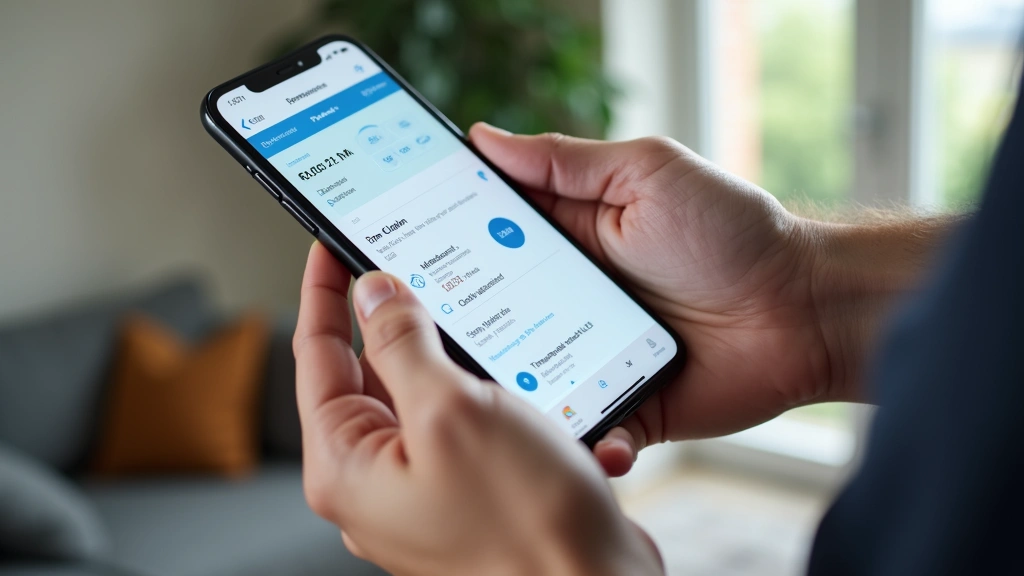
AT&T Home Tech Protection: Is It Worth It?
AT&T Home Tech Protection has emerged as one of the telecommunications giant’s most debated service offerings, promising comprehensive coverage for your connected devices and home technology ecosystem. As our homes become increasingly intelligent with smart devices, streaming equipment, and interconnected gadgets, the question of whether protection plans justify their monthly cost has never been more relevant. This comprehensive review examines every aspect of AT&T’s protection service, from coverage details to pricing structures, helping you determine if this investment aligns with your household’s technological needs.
The service targets homeowners and renters who worry about unexpected repair or replacement costs for their tech investments. With devices ranging from smartphones to smart home systems, AT&T positions Home Tech Protection as a safety net against costly breakdowns. However, understanding what’s actually covered, what exclusions exist, and how it compares to alternative protection methods is essential before committing to this subscription.
What Is AT&T Home Tech Protection?
AT&T Home Tech Protection represents a device protection and tech support service designed to cover accidental damage, mechanical breakdowns, and hardware failures across multiple devices in your household. Unlike traditional manufacturer warranties that typically cover defects only, this service extends protection to incidents like drops, spills, and electrical surges that would otherwise leave you paying full replacement costs.
The service operates as a subscription model, meaning you pay a monthly fee regardless of whether you file claims. This differs fundamentally from insurance, which adjusts premiums based on claims history. AT&T bundles this offering with their broadband, wireless, and video services, making it a convenient addition for existing customers. The platform provides access to 24/7 technical support, device repair coordination, and in some cases, device replacement options.
One significant aspect worth noting is that AT&T has partnered with established repair networks and replacement programs to fulfill coverage obligations. This means your device might be repaired by authorized technicians, refurbished units, or new devices depending on availability and damage assessment.

Coverage Details and Device Types
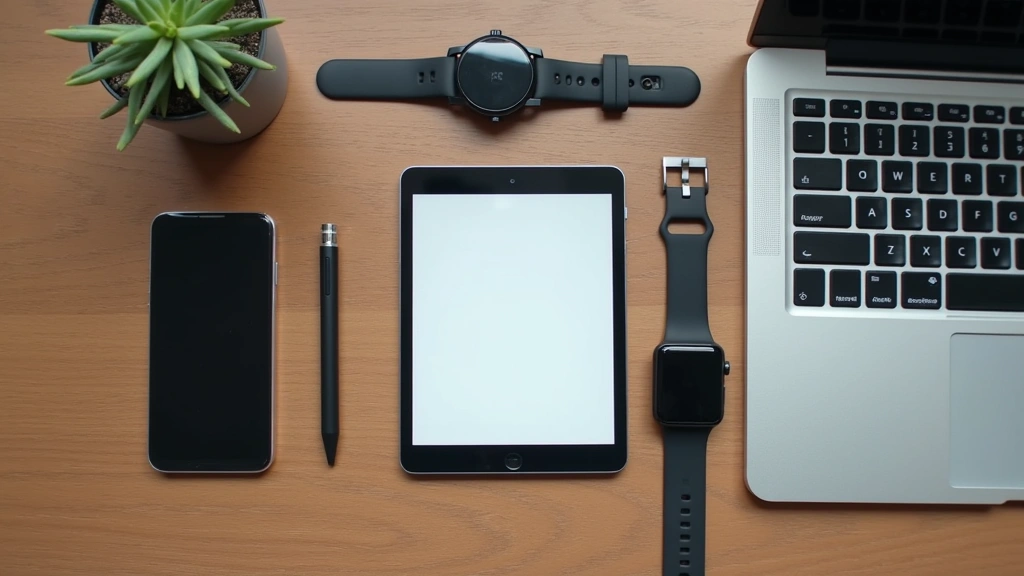
AT&T Home Tech Protection covers a remarkably broad spectrum of devices, extending beyond smartphones to include tablets, laptops, smartwatches, streaming devices, smart home equipment, and gaming consoles. This multi-device approach distinguishes it from carrier-specific protection plans that focus solely on phones.
The coverage typically includes:
- Accidental damage protection: Covers drops, spills, cracks, and physical impacts
- Hardware failure coverage: Protects against mechanical breakdowns and defects
- Power surge damage: Covers electrical damage from surges and lightning
- Theft and loss: Some plans include replacement for stolen or lost devices (with deductibles)
- Technical support: Access to expert assistance for troubleshooting and setup
When you file a claim for a covered device, AT&T’s assessment process determines whether repair or replacement is more cost-effective. For devices where repair costs exceed 60-70% of replacement value, you’ll typically receive a replacement unit. Repaired devices come with warranty coverage for the repair work performed.
The service extends to devices purchased from any retailer, not just AT&T, making it particularly valuable for households with a mixed ecosystem of brands and manufacturers. This flexibility is crucial in today’s multi-platform environment where families often use iPhones, Android devices, Windows laptops, and Apple computers simultaneously.
Pricing and Plan Options
AT&T Home Tech Protection pricing varies based on the number of devices you want to protect and your location. Monthly costs typically range from $9.99 to $19.99 per month, with most plans covering 2-4 devices. Each claim involves a deductible, usually between $49 and $199 depending on device type and plan level.
For smartphones and tablets, expect deductibles around $49-$99. Laptops and larger devices command higher deductibles, typically $149-$199. This tiered deductible structure means your actual out-of-pocket cost per claim varies significantly based on what you’re protecting.
AT&T frequently bundles Home Tech Protection with other services like internet security or cloud storage, sometimes at promotional rates. New customers might receive the first month free or discounted rates for the initial billing period. However, promotional pricing typically expires after 3-6 months, reverting to standard rates.
When evaluating cost-effectiveness, consider that even basic smartphone repairs cost $150-$300 at authorized service centers, while screen replacements alone run $100-$250. A single laptop repair can easily exceed $300-$500. From this perspective, the monthly subscription fee and deductible structure can appear reasonable if you anticipate needing protection.
Claims Process and Customer Service
Filing a claim with AT&T Home Tech Protection is designed to be straightforward, though the actual experience depends on your specific situation. You can initiate claims through the AT&T mobile app, website, or by calling their dedicated support line. For the most direct assistance, you can reach AT&T Home Tech Protection phone number through your account dashboard or billing statement.
The typical claims process follows these steps: First, you contact AT&T and describe the damage or malfunction. A support representative assesses whether your issue qualifies for coverage under your specific plan. If approved, you’ll receive instructions for submitting photos or videos of the damage. AT&T then determines whether repair or replacement is appropriate.
For repairs, you might be directed to a local authorized repair center or provided with prepaid shipping to AT&T’s repair facility. The repair timeline typically ranges from 3-7 business days, though expedited options exist. For replacements, AT&T ships refurbished or new devices directly to you, usually arriving within 5-10 business days.
Customer service representatives are available around the clock, which provides genuine value for households with urgent tech issues. The support team can walk you through troubleshooting steps before determining if a claim is necessary, potentially saving you deductible costs if they resolve the issue remotely.
One important consideration: customer reviews regarding claims processing are mixed. Some users report smooth, hassle-free experiences with quick approvals and device delivery. Others describe delays in claim assessment, disputes over coverage eligibility, and frustration with the refurbished device quality. This inconsistency suggests that individual claim experiences vary significantly.
Exclusions and Limitations
Like all protection plans, AT&T Home Tech Protection excludes numerous scenarios that might seem reasonable to cover. Understanding these exclusions is critical before subscribing.
Major exclusions typically include:
- Pre-existing damage: Issues present before enrollment are never covered
- Cosmetic damage: Scratches, dents, and cosmetic issues without functional impact
- Intentional damage: Deliberate harm to devices
- Normal wear and tear: Battery degradation and expected aging
- Water damage: Often excluded or covered only under specific circumstances
- Business use: Devices used for commercial purposes may not qualify
- Software issues: Malware, viruses, and software-related problems typically aren’t covered
- Unauthorized repairs: Damage resulting from repairs by non-authorized technicians
Additionally, there are service limitations: you generally cannot claim the same device multiple times within a certain period (usually 12 months), and coverage ceases if you stop paying the monthly subscription. Some plans have annual claim limits, meaning after 2-3 claims per year, additional claims may be denied until the next billing year.
The water damage exclusion deserves particular attention. While newer devices increasingly feature water resistance ratings, damage from submersion or liquid spills often falls outside coverage unless you’ve specifically paid for enhanced protection. This gap is significant since water damage ranks among the most common device failures.
Comparing Protection Options
To determine if AT&T Home Tech Protection represents good value, comparison with alternative protection strategies is essential. Several options exist for protecting your tech investments, each with distinct advantages and drawbacks.
Manufacturer warranties provide baseline coverage at no additional cost but only cover defects, not accidental damage. For most devices, standard warranties last one year. Extended warranties from manufacturers like Apple or Samsung cost $99-$299 per device but offer more comprehensive coverage than AT&T’s plans for that specific device.
Credit card protection often includes purchase protection and extended warranty coverage at no additional cost if you charge devices to premium credit cards. Many American Express, Chase Sapphire, and similar premium cards automatically extend warranties by 12 months and cover accidental damage. This option works excellently if you already use premium cards and qualify for their benefits.
Homeowners or renters insurance typically covers electronics as personal property, though coverage limits and deductibles may be less favorable than dedicated tech protection. However, insurance policies sometimes cover theft and loss better than AT&T’s plans.
For comparison, explore reviews on The Verge and CNET, which regularly evaluate protection plans and device warranties. These publications provide detailed breakdowns of what protection makes sense for different device types and usage patterns.
Self-insuring through savings represents another approach: rather than paying monthly protection fees, you maintain a dedicated emergency fund for device repairs or replacements. This strategy works well if you’re disciplined about saving and don’t file frequent claims.
Real-World Value Assessment
Whether AT&T Home Tech Protection is worth it depends entirely on your household’s specific circumstances, device portfolio, and risk tolerance. Several factors should influence your decision:
Device replacement value: If you own primarily inexpensive devices (older smartphones, budget tablets), protection plans offer less value since replacement costs are manageable out-of-pocket. Conversely, if you own premium devices like high-end laptops, flagship smartphones, or gaming systems, protection becomes more attractive.
Frequency of damage: Households with children, pets, or accident-prone individuals benefit more from protection plans. If your devices consistently suffer drops, spills, or other mishaps, the coverage pays for itself quickly. For careful users with excellent track records, protection plans may never provide value.
Financial situation: If unexpected $300-$500 device replacement costs would strain your budget, protection plans provide valuable peace of mind. If you have emergency funds readily available, self-insurance might be preferable.
Device ecosystem complexity: AT&T’s multi-device coverage makes sense if you’re protecting diverse devices (phones, tablets, laptops, smart home gear). If you only need to protect a single smartphone, manufacturer protection or credit card benefits might be more cost-effective.
The break-even analysis: If you pay $15 monthly ($180 annually) with $99 deductibles, you need approximately two claims per year to break even versus paying out-of-pocket for repairs. Most users file fewer than two claims annually, suggesting that for average users, protection plans provide limited financial benefit.
However, AT&T Home Tech Protection also provides 24/7 technical support, which some users value independent of claims. If you frequently need help troubleshooting devices or setting up smart home equipment, this support access alone might justify the subscription cost.
Consider also that AT&T frequently offers promotional pricing for bundled services. If you can obtain protection at $8-$10 monthly instead of the standard $15-$19, the value proposition improves significantly, making it more likely the service will pay for itself.
As you evaluate connected home technology through technology in renewable energy innovations and explore how artificial intelligence applications transform device functionality, protecting these increasingly sophisticated devices becomes more important. Smart home systems and AI-enabled devices represent significant investments worthy of consideration when evaluating protection plans.
FAQ
What devices does AT&T Home Tech Protection actually cover?
AT&T Home Tech Protection covers smartphones, tablets, laptops, smartwatches, streaming devices, smart home equipment like security systems and thermostats, gaming consoles, and other connected devices. Coverage applies to devices purchased from any retailer, not exclusively AT&T. However, specific device eligibility can vary by plan level and location, so verifying your devices qualify before enrolling is important.
How much does AT&T Home Tech Protection cost monthly?
Monthly costs typically range from $9.99 to $19.99 depending on your plan tier and number of protected devices. Additional deductibles per claim range from $49 for smartphones to $199 for larger devices. Promotional pricing often provides discounts for initial months before reverting to standard rates.
Can I cancel AT&T Home Tech Protection anytime?
Yes, AT&T Home Tech Protection typically operates month-to-month without long-term contracts. You can cancel anytime by contacting customer service or through your account dashboard. However, cancellation takes effect at the end of your current billing cycle, so plan accordingly.
What happens if I have a claim approved?
Once approved, AT&T determines whether your device should be repaired or replaced. For repairs, you’ll be directed to an authorized repair center or provided prepaid shipping. For replacements, AT&T ships a refurbished or new device. The entire process typically takes 3-10 business days depending on your location and device availability.
Does AT&T Home Tech Protection cover water damage?
Water damage coverage is limited and often excluded unless you’ve selected a plan with enhanced protection. Standard plans typically don’t cover submersion or liquid spills. If water damage is a concern, verify specific coverage details before enrolling or select premium plan options that include this protection.
Is AT&T Home Tech Protection the same as device insurance?
No, protection plans and insurance differ significantly. AT&T Home Tech Protection operates as a subscription service with fixed monthly costs and claim deductibles. Insurance adjusts premiums based on claims history and risk assessment. Protection plans are simpler but may offer less comprehensive coverage for loss and theft scenarios.
How do I contact AT&T Home Tech Protection support?
You can reach AT&T Home Tech Protection through their dedicated phone number available in your account dashboard, via the AT&T mobile app, or through their website chat support. The service operates 24/7, providing assistance with claims, troubleshooting, and coverage questions.


