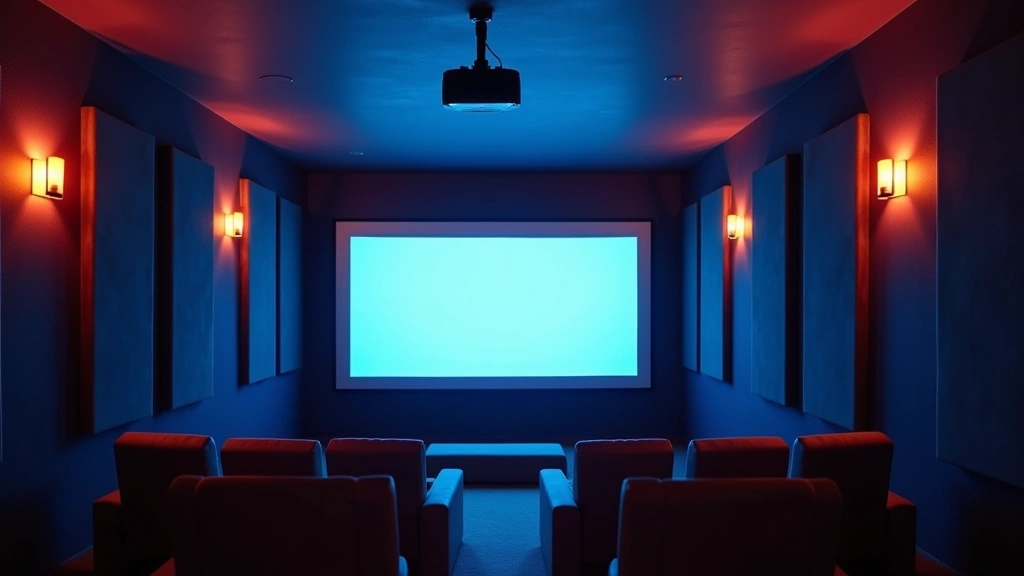
Top Audio Visual Tech Gadgets for 2024: Expert Picks
The audio visual technology landscape has undergone a revolutionary transformation in 2024, bringing unprecedented clarity, immersion, and connectivity to home entertainment systems worldwide. Whether you’re a cinephile seeking theater-grade performance or a casual viewer wanting to elevate your streaming experience, the latest audio visual tech gadgets deliver stunning visual fidelity paired with spatial sound that redefines how we consume media. This comprehensive guide explores the most innovative and reliable AV equipment that deserves a spot in your setup.
The convergence of artificial intelligence, advanced codec support, and wireless connectivity has made premium audio visual experiences more accessible than ever before. From cutting-edge projectors with laser technology to immersive soundbar systems featuring Dolby Atmos, 2024’s offerings represent a significant leap forward in entertainment technology. We’ve curated this expert selection to help you navigate the crowded marketplace and make informed decisions about your AV investments.
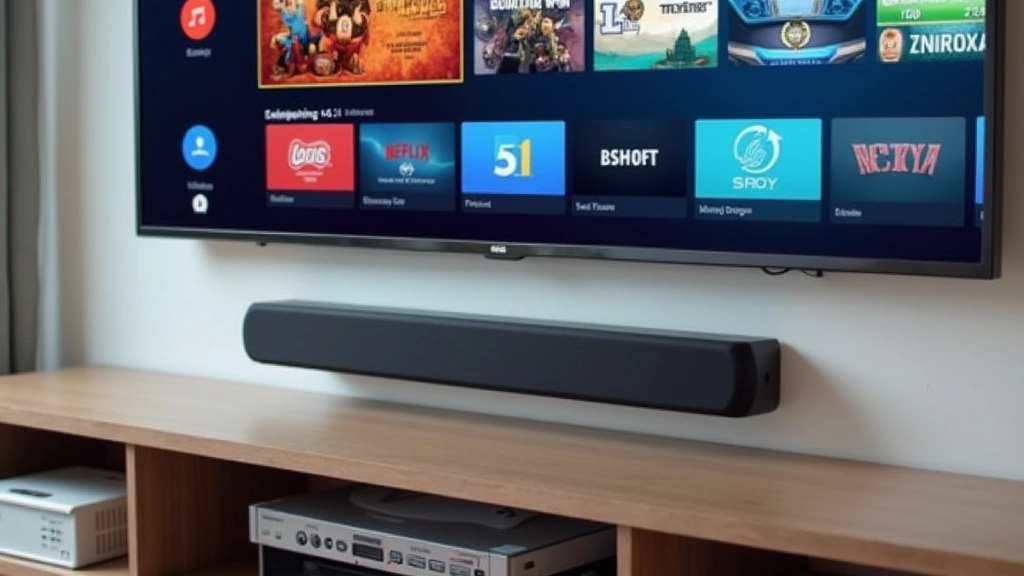
Premium 4K Projectors with Laser Technology
Laser-based projectors have emerged as the gold standard for home theater enthusiasts in 2024, offering superior brightness, color accuracy, and longevity compared to traditional lamp-based systems. These devices utilize advanced laser light sources that maintain consistent output for thousands of hours, eliminating the need for frequent lamp replacements that plagued earlier generations.
The latest projector reviews from The Verge highlight how manufacturers have perfected contrast ratios exceeding 100,000:1, delivering deep blacks and vibrant highlights simultaneously. Premium models now incorporate 8K resolution support, dynamic tone mapping, and intelligent lens shift mechanisms that simplify installation in unconventional spaces. When evaluating projectors, consider the throw ratio, which determines how far the device must sit from your screen to achieve your desired image size.
Top-tier options feature native 4K DLP technology with Texas Instruments chipsets that render approximately 8.8 million pixels with exceptional precision. The brightness specifications, measured in ANSI lumens, directly impact image quality in rooms with ambient light. Professional installers recommend selecting projectors with at least 2,500 lumens for living rooms with windows and up to 5,000 lumens for larger commercial spaces. Color gamut coverage approaching 98% DCI-P3 ensures that your entertainment content displays with filmmaker-intended accuracy.
Installation flexibility has improved dramatically with motorized focus and zoom adjustments that allow fine-tuning from your remote control. Advanced lens shift technology enables projectors to be positioned off-center while maintaining perfect image alignment on your screen. The latest models include automatic keystone correction and edge blending capabilities for multi-projector installations, making them suitable for both residential and commercial applications.
Connectivity options have expanded significantly, with most premium projectors now offering HDMI 2.1 ports supporting 4K at 120Hz for gaming applications. Wireless casting via AirPlay, Miracast, and Chromecast integration allows seamless content streaming from your smartphone or laptop. Some manufacturers have integrated smart TV platforms directly into projectors, eliminating the need for separate streaming devices in many scenarios.

Immersive Soundbar Systems and Spatial Audio
Audio quality has become equally critical to visual performance, with soundbar technology advancing rapidly to deliver theater-grade spatial sound in compact packages. Modern soundbars utilize multiple driver arrays and sophisticated digital signal processing to create convincing three-dimensional soundscapes that rival traditional surround sound systems costing significantly more.
Dolby Atmos support has become standard in premium soundbars, enabling height-channel simulation through advanced psychoacoustic techniques and upward-firing drivers. This creates an immersive audio environment where sounds appear to move around and above the listener, enhancing everything from movie dialogue to gaming audio cues. CNET’s home entertainment reviews consistently praise soundbars that achieve convincing object-based audio without requiring ceiling-mounted speakers.
The best 2024 soundbars incorporate AI-powered dialogue enhancement that isolates and amplifies speech, making television dialogue crystal clear even at lower volumes. Adaptive audio processing analyzes incoming content and automatically adjusts equalization, compression, and spatial rendering based on source material type. This intelligent approach eliminates the need for manual EQ adjustments when switching between movies, television shows, and music streaming services.
Wireless subwoofer integration has become nearly universal, with low-latency 5GHz WiFi and proprietary wireless protocols ensuring synchronization within milliseconds. Modern subwoofers employ adaptive bass management that analyzes room acoustics and adjusts frequency response in real-time. Many premium models include multiple driver configurations, with some featuring dual 10-inch woofers or innovative sealed-box designs that minimize standing waves and room modes.
Connectivity has evolved to support virtually every streaming protocol, including eARC/ARC HDMI for simplified television integration, optical digital audio, analog RCA inputs, and multi-room WiFi streaming. Bluetooth 5.2 support enables stable connections from smartphones, tablets, and laptops, while maintaining connection quality even in congested wireless environments. Some soundbars now feature WiFi Direct capabilities for improved range and reliability compared to standard Bluetooth connectivity.
Voice control integration through Amazon Alexa, Google Assistant, and Apple Siri has made soundbars increasingly intelligent. These systems can adjust volume, switch inputs, and control compatible smart home devices through natural voice commands. Noise-canceling microphone arrays ensure accurate voice recognition even during playback of loud action sequences or dialogue-heavy content.
Next-Generation OLED and Mini-LED Displays
Television display technology has bifurcated into two dominant technologies in 2024: OLED and mini-LED, each offering distinct advantages for different viewing scenarios. OLED displays achieve infinite contrast ratios by individually controlling each pixel’s light emission, enabling perfect blacks and exceptional color saturation. The self-emissive nature of OLED technology eliminates the need for backlighting systems, resulting in incredibly thin display panels and superior viewing angles exceeding 170 degrees horizontally and vertically.
Mini-LED technology utilizes thousands of individually controlled backlight zones behind a traditional LCD panel, achieving contrast ratios approaching those of OLED while maintaining higher peak brightness and improved longevity. This approach has become increasingly popular for large displays exceeding 75 inches, where OLED technology faces manufacturing challenges and cost constraints. RTINGS’ comprehensive television testing demonstrates how mini-LED implementations have dramatically improved local dimming precision and blooming artifacts.
Resolution options now extend beyond 4K, with 8K displays becoming more affordable, though native 8K content remains scarce. Most experts recommend prioritizing high refresh rates (120Hz or higher) over 8K resolution, as this provides more tangible benefits for gaming, sports, and motion-heavy content. Quantum dot technology has become standard in premium LCD displays, expanding color gamut coverage to exceed 95% DCI-P3 and delivering more vibrant, lifelike imagery.
Smart TV platforms have matured significantly, with most manufacturers now offering unified app ecosystems featuring Netflix, Disney+, Amazon Prime Video, and hundreds of other services. Processing power has improved substantially, enabling AI upscaling algorithms that enhance lower-resolution content through machine learning. These systems analyze image characteristics and intelligently interpolate pixels, delivering upscaled images that closely approximate native resolution quality.
Motion handling has become a critical specification for sports and gaming enthusiasts. Variable refresh rate support (FreeSync and G-Sync) eliminates screen tearing during fast-paced gaming, while motion interpolation technologies like TruMotion and MotionFlow smooth out 24fps film content when desired. Response times have improved to under 5ms in many premium models, enabling competitive gaming performance previously exclusive to gaming monitors.
Brightness specifications have increased dramatically, with flagship models achieving peak brightness exceeding 3,000 nits in HDR mode. This elevated brightness capability ensures content displays with proper visual impact even in brightly lit rooms with significant window reflection. Automatic brightness adjustment using ambient light sensors helps preserve power efficiency while maintaining optimal picture quality throughout the day.
Advanced Streaming Devices and Media Players
While smart TVs have integrated streaming capabilities, dedicated media players continue to offer superior performance, flexibility, and longevity. These purpose-built devices provide faster application loading, more stable streaming, and advanced codec support that generic TV platforms often lack. The distinction becomes particularly important when streaming high-bitrate 4K content or utilizing advanced audio formats like Dolby Atmos and DTS:X.
Premium media players now incorporate dedicated video processing engines that optimize frame rates, reduce judder, and apply intelligent upscaling to lower-resolution sources. These devices support virtually every streaming service imaginable while maintaining backward compatibility with older content through robust codec libraries. Many models include USB 3.0 ports and gigabit Ethernet connectivity for accessing local media libraries and ensuring stable streaming performance.
The latest streaming device comparisons from CNET emphasize the importance of processor selection, RAM capacity, and storage options. Devices with 4GB or more RAM handle multitasking smoothly, while onboard storage of 32GB or greater accommodates app installations and local content libraries. Some premium players feature expandable storage via microSD cards, enabling offline media playback and reducing dependence on streaming services.
Audio format support has become increasingly comprehensive, with leading devices supporting Dolby Atmos, DTS:X, Dolby Vision, and emerging formats like IMAX Enhanced. These advanced audio and video formats require capable hardware for proper decoding and rendering. When selecting a streaming device, verify compatibility with your soundbar or receiver to ensure these premium formats pass through unaltered.
User interface design has matured considerably, with most devices offering customizable home screens, voice search functionality, and personalized content recommendations. Integration with smart home ecosystems and connected devices allows unified control through single remote interfaces. Some platforms now feature AI-powered content discovery that learns viewing preferences and suggests relevant entertainment across multiple streaming services.
Wireless Connectivity and Smart Home Integration
The convergence of audio visual technology with broader smart home ecosystems has created unprecedented convenience and control possibilities. Modern AV equipment seamlessly integrates with technology ecosystems through standardized protocols including WiFi 6E, Bluetooth 5.2, and emerging Thread-based connectivity. This interconnected approach enables synchronized control across multiple devices and automated scenarios triggered by user preferences or environmental conditions.
WiFi 6E connectivity provides dramatically faster data transfer rates and reduced latency compared to earlier WiFi standards, enabling stable 4K streaming even in congested wireless environments. The addition of the 6GHz frequency band provides additional spectrum capacity, reducing interference from neighboring networks and improving overall reliability. For optimal performance, positioning your router centrally and elevating it above furniture maximizes signal strength throughout your entertainment space.
Mesh networking systems have become essential for maintaining consistent connectivity across larger homes. These systems utilize multiple access points that automatically route data through the strongest available path, eliminating dead zones and ensuring reliable streaming performance. Professional installers increasingly recommend dedicated mesh networks separate from general household traffic, guaranteeing bandwidth priority for audio visual applications.
Voice control integration through Amazon Alexa, Google Assistant, and Apple Siri has transformed how users interact with entertainment systems. Natural language processing enables intuitive commands like “play movies with Tom Hanks” or “show me action films released this year.” These systems can also control connected smart home technology, automating lighting, climate control, and window treatments in coordination with entertainment activities.
Multi-room audio distribution has become increasingly sophisticated, with whole-home audio systems enabling synchronized playback across multiple zones or independent content streams in different areas. Advanced systems support high-resolution audio formats including MQA and LDAC, delivering studio-quality sound through wireless connectivity. Zone-based volume control and source selection provide family members with independent entertainment experiences without interference.
Gaming-Focused Audio Visual Equipment
Gaming has become a primary driver of audio visual technology advancement, with manufacturers developing specialized equipment addressing the unique demands of interactive entertainment. Low input latency has become critical, with professional gamers requiring response times under 5 milliseconds to maintain competitive advantage. Modern gaming displays achieve this through specialized display modes that prioritize response speed over color accuracy.
Variable refresh rate technologies including NVIDIA G-Sync and AMD FreeSync have become standard in gaming-focused displays, eliminating screen tearing and stuttering during variable frame rates. These technologies synchronize display refresh rates with GPU output, delivering smooth motion even when frame rates fluctuate during demanding scenes. Premium gaming displays now support refresh rates of 144Hz or higher, providing competitive advantages in fast-paced multiplayer games.
Audio quality for gaming requires different optimization than movie entertainment, emphasizing directional audio cues and low-latency wireless connectivity. Gaming headsets have evolved considerably, incorporating spatial audio simulation that creates convincing three-dimensional soundscapes. Some headsets feature haptic feedback integration, adding tactile sensations synchronized with in-game events for enhanced immersion.
The integration of gaming equipment with streaming platforms has created new entertainment possibilities. Gamers increasingly utilize programming and streaming software to broadcast gameplay to audiences worldwide. This requires reliable capture hardware, encoding processors, and streaming infrastructure capable of maintaining consistent quality under variable network conditions.
Console-specific optimization has become increasingly important, with manufacturers tailoring display and audio processing for PlayStation 5 and Xbox Series X capabilities. These consoles support ray-traced graphics, dynamic resolution scaling, and proprietary audio formats that demand compatible display and audio equipment for optimal performance. When investing in gaming equipment, verify compatibility with your preferred gaming platform.
Professional Calibration Tools and Accessories
Achieving optimal audio visual performance requires proper calibration and setup, often necessitating specialized tools and professional expertise. Video calibration involves measuring and adjusting color accuracy, brightness, contrast, and gamma to match industry standards. Professional-grade calibration equipment costs thousands of dollars, but many retailers offer calibration services at reasonable rates.
Audio calibration has become more accessible through automated measurement systems integrated into modern receivers and soundbars. These systems utilize microphones positioned at listening locations to measure frequency response, time alignment, and dynamic range. The equipment then automatically adjusts equalization and delay settings to optimize performance for your specific room acoustic characteristics.
Cable quality significantly impacts audio visual performance, with high-quality HDMI cables ensuring signal integrity for 4K and 8K content transmission. Certified HDMI cables meeting 2.1 specifications support advanced features including enhanced color depth, higher refresh rates, and dynamic HDR. For analog audio connections, balanced XLR cables minimize noise interference compared to unbalanced RCA cables, particularly important in installations with long cable runs.
Acoustic treatment materials have become increasingly sophisticated, with sound-absorbing panels, bass traps, and diffusers helping optimize room acoustics for improved audio quality. Strategic placement of absorption materials reduces reflections and standing waves that degrade sound clarity. Professional acoustic consultants can analyze your space and recommend customized treatment strategies addressing your specific acoustic challenges.
Power conditioning equipment protects sensitive electronics from voltage fluctuations and electrical noise that can degrade audio visual performance. Uninterruptible power supplies (UPS) provide backup power during outages, while surge protectors shield equipment from dangerous voltage spikes. High-quality power management prevents ground loop hum that can introduce audible noise into audio systems.
Cable management solutions maintain clean installations while preventing signal degradation from tangled wires. Proper cable organization improves ventilation around equipment, reducing heat buildup that can shorten component lifespan. When organizing cables, maintain separation between power cables and audio visual signal cables to minimize electromagnetic interference.
FAQ
What’s the difference between OLED and mini-LED technology?
OLED displays emit light individually from each pixel, achieving perfect blacks and infinite contrast, while mini-LED uses thousands of independently controlled backlight zones behind an LCD panel. OLED excels in contrast and viewing angles, while mini-LED offers higher brightness and lower cost at larger sizes. Both technologies deliver excellent picture quality; your choice depends on room brightness and budget considerations.
How important is refresh rate for non-gaming entertainment?
Standard 60Hz refresh rates suffice for movies and television, but 120Hz displays provide smoother motion handling during sports and action sequences. The improvement becomes more noticeable during fast-panning scenes and rapid camera movements. If you primarily watch movies, 60Hz is adequate; sports enthusiasts and gamers benefit from higher refresh rates.
Do I need a separate soundbar if my TV has built-in speakers?
Television built-in speakers rarely deliver satisfying audio quality, lacking depth, clarity, and dynamic range. A quality soundbar dramatically improves dialogue intelligibility and immersive audio, transforming your entertainment experience. Even budget soundbars outperform premium TV speakers, making them worthwhile investments for serious entertainment enthusiasts.
What’s the ideal projector brightness for my room?
Rooms with minimal ambient light require 1,500-2,000 lumens, while moderately lit spaces benefit from 2,500-3,500 lumens. Brightly lit rooms with significant window reflection need 4,000+ lumens. Measure your screen size and room brightness to determine appropriate brightness specifications. Professional installers can provide recommendations based on your specific installation.
How do I choose between 4K and 8K displays?
4K resolution provides excellent picture quality for most viewing distances and content sources, while 8K offers marginal improvements visible only at very close viewing distances. Since native 8K content remains scarce, 4K displays represent better value. Focus on other specifications including refresh rate, color accuracy, and brightness rather than pursuing 8K resolution prematurely.
Should I invest in wireless or wired speaker systems?
Wireless systems offer convenience and simplified installation, while wired speakers provide guaranteed bandwidth and eliminate potential connectivity issues. For most homes, modern wireless systems perform reliably; professional installations requiring maximum stability benefit from wired configurations. Choose based on your specific installation requirements and technical comfort level.
What audio formats should I prioritize?
Dolby Atmos support has become standard and significantly enhances immersion. DTS:X provides similar benefits for compatible content. Both formats dramatically improve spatial audio compared to traditional surround sound. When selecting equipment, prioritize Dolby Atmos support as the minimum acceptable standard for premium audio visual installations.


