
Is Audiology Tech Improving? Expert Insights Into Modern Hearing Solutions
The audiology technology landscape has undergone a remarkable transformation over the past decade. What was once a field dominated by bulky, conspicuous devices has evolved into a sophisticated ecosystem of smart hearing aids, AI-powered diagnostics, and connected health platforms. Today’s audiology tech represents a convergence of medical science, consumer electronics, and digital innovation—creating solutions that not only restore hearing but enhance quality of life in unprecedented ways.
Whether you’re exploring hearing solutions for yourself or a loved one, understanding the current state of audiology technology is essential. This comprehensive guide examines the latest breakthroughs, expert perspectives, and practical applications reshaping how we approach hearing health and hearing loss management.

The Evolution of Hearing Aid Technology
Hearing aids have transformed dramatically from the analog devices of the 1990s. Modern hearing aids are sophisticated medical devices featuring miniaturized processors, advanced microphone arrays, and wireless connectivity. The shift from analog to digital processing represents a fundamental leap in capability—enabling real-time sound processing, directional hearing, and personalized sound profiles.
Today’s premium hearing aids incorporate multiple microphones that work together to suppress background noise while amplifying speech frequencies. This directional microphone technology allows users to focus on conversations in noisy environments—a challenge that plagued earlier generations. Brands like Widex and Phonak have pioneered ultra-compact designs that fit entirely within the ear canal, making hearing aids nearly invisible.
The battery technology has also evolved considerably. While traditional zinc-air batteries dominated for years, rechargeable lithium-ion hearing aids now offer full-day battery life with just a few hours of charging. Some models even feature solar charging capabilities, adding another layer of convenience. The miniaturization of components has enabled manufacturers to pack more processing power into smaller packages without sacrificing performance.
Modern hearing aids also feature feedback cancellation systems that eliminate the annoying whistling sounds that plagued older devices. This technology uses sophisticated algorithms to detect and suppress feedback before it becomes audible, significantly improving user comfort and social acceptance.
AI and Machine Learning in Audiology
Artificial intelligence has become transformative in audiology technology, and this represents one of the most significant advances in recent years. Artificial intelligence applications in hearing devices now enable adaptive learning systems that improve over time through machine learning algorithms.
Leading manufacturers have implemented AI-powered sound processing that learns user preferences and adjusts settings automatically. These systems analyze acoustic environments in real-time, distinguishing between speech, music, traffic noise, and silence. The hearing aid’s processor then optimizes amplification settings within milliseconds—a feat impossible with manual adjustment alone.
One particularly innovative application involves AI-assisted speech recognition. Some advanced hearing aids can now identify who is speaking and adjust amplification accordingly, prioritizing the primary speaker while managing background noise. This feature proves invaluable in multi-speaker environments like family dinners or professional meetings.
Machine learning models trained on millions of hearing profiles enable audiologists to make more accurate initial fittings. Rather than relying solely on audiometric testing, AI algorithms can predict optimal settings based on demographic data, hearing loss patterns, and lifestyle factors. This accelerates the fitting process and often improves first-fit satisfaction—a critical metric in hearing aid success.
Emotion recognition technology represents an emerging frontier, with researchers developing algorithms that detect stress or fatigue in users’ voices and automatically adjust amplification to reduce cognitive load. While still in development, this technology could revolutionize how hearing aids support mental health and emotional wellbeing.
Connected Hearing Devices and Smart Features
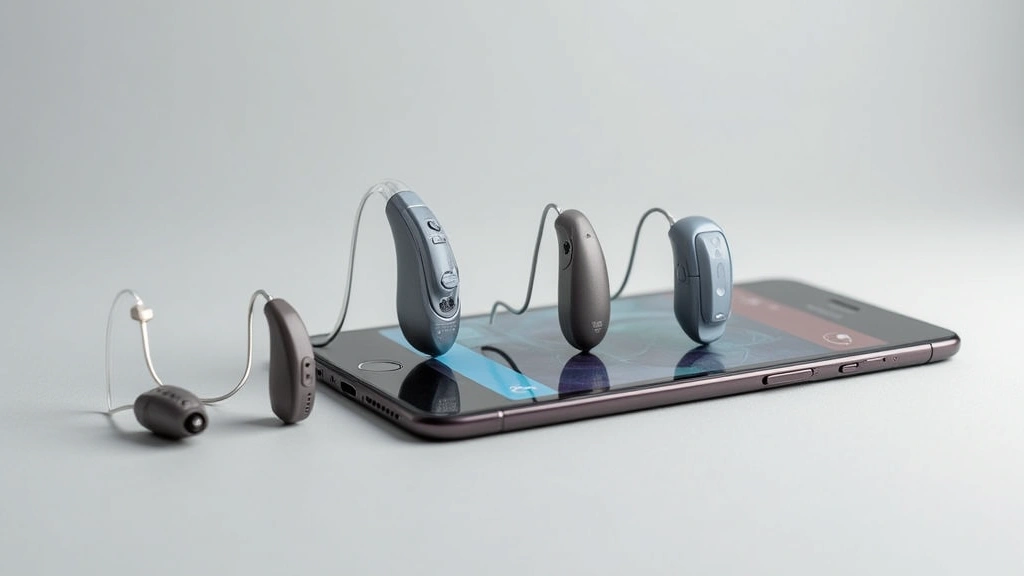
The integration of hearing aids with smartphones and smart home ecosystems has created unprecedented connectivity. Modern hearing aids function as wireless earbuds, allowing users to stream music, take phone calls, and access voice assistants directly through their devices.
Binaural synchronization—where both hearing aids communicate wirelessly—enables advanced features impossible with single-device operation. Spatial awareness algorithms allow users to perceive directional sound cues, essential for safety and natural hearing perception. When a user turns their head, both devices adjust their microphone patterns in concert, maintaining optimal sound capture from the desired direction.
Smart home integration enables hearing aids to interact with connected devices throughout the home. Imagine a doorbell notification transmitted directly to your hearing aids, or a hearing aid that automatically adjusts settings when you arrive at the office. Some systems even integrate with wearable fitness trackers, correlating hearing aid usage with activity levels and health metrics.
The mobile app ecosystem supporting hearing aids has matured considerably. Users can now adjust settings, monitor battery status, and access detailed usage analytics from their smartphones. Some apps provide real-time transcription of conversations, displaying spoken words on the phone screen—a feature particularly beneficial for users with severe hearing loss or auditory processing difficulties.
Remote adjustment capabilities allow audiologists to fine-tune hearing aid settings without in-office visits. This proves invaluable for troubleshooting issues, making minor adjustments, or accommodating lifestyle changes. During the pandemic, telehealth solutions became essential, and many practitioners now offer hybrid models combining remote adjustments with periodic in-person visits.
Diagnostic Innovations and Early Detection
Early detection of hearing loss significantly improves outcomes, and new diagnostic technologies are making screening more accessible and accurate. Advanced audiometry equipment now provides detailed frequency-specific information about hearing loss patterns, enabling more targeted treatment approaches.
Otoacoustic emissions (OAE) testing has become more sophisticated, using advanced signal processing to detect subtle hearing damage before it becomes clinically apparent. This technology proves particularly valuable in occupational settings where early intervention can prevent noise-induced hearing loss.
Portable audiometry devices and smartphone-based hearing tests are democratizing access to preliminary screening. While not replacements for professional audiology evaluation, these tools enable individuals to monitor their hearing and identify potential issues early. The Verge has covered the emergence of consumer-grade hearing testing apps that provide surprisingly accurate results.
Genetic testing in audiology is opening new frontiers. Researchers can now identify genetic markers associated with age-related hearing loss and specific types of hearing impairment. This enables personalized risk assessment and preventive strategies tailored to individual genetic profiles.
Imaging technology has also advanced significantly. High-resolution MRI and CT scans provide detailed visualization of inner ear structures, enabling diagnosis of conditions like superior semicircular canal dehiscence or perilymphatic fistula—previously difficult to identify. These diagnostic capabilities directly inform treatment planning and device selection.
Teleaudiology and Remote Care Solutions
Teleaudiology represents one of the most impactful innovations in recent years, fundamentally changing how hearing care is delivered. Remote consultation capabilities enable patients in rural or underserved areas to access specialist expertise without traveling long distances.
Video conferencing platforms integrated with audiology software allow practitioners to conduct comprehensive consultations, review hearing test results, and make hearing aid adjustments from anywhere. Some systems even enable remote real-ear measurements—previously thought to require in-person appointments—through innovative microphone technology and calibration techniques.
The integration of teleaudiology with technology infrastructure improvements has made these services increasingly reliable. High-bandwidth video and real-time data transmission ensure quality consultations without latency issues that plagued early implementations.
Asynchronous teleaudiology—where patients submit information and receive recommendations without real-time interaction—expands access further. Patients can submit hearing test results, lifestyle questionnaires, and device performance data, with audiologists reviewing and responding within specified timeframes. This flexibility proves particularly valuable for busy professionals and caregivers managing multiple responsibilities.
Remote hearing aid dispensing programs now enable patients to receive devices by mail and conduct initial fittings via video consultation. While regulatory frameworks continue evolving, these models have demonstrated effectiveness and patient satisfaction comparable to traditional in-office models.
Cochlear Implants and Advanced Implantables
For individuals with severe to profound hearing loss, cochlear implants represent transformative technology. Modern cochlear implants incorporate advanced electrode arrays, sophisticated signal processing, and wireless connectivity features that rival traditional hearing aids in sophistication.
Current-generation implants feature hybrid designs that preserve residual low-frequency hearing while amplifying high frequencies—an approach that provides superior music perception and speech understanding in noise compared to traditional implants. CNET‘s coverage of medical device innovations highlights how cochlear implant technology continues advancing.
Wireless connectivity in cochlear implants enables direct streaming from smartphones and remote control via dedicated apps. Some systems even incorporate bone conduction components, allowing sound transmission through vibrations for users with conductive hearing loss components.
Surgical techniques have improved dramatically, with minimally invasive approaches reducing trauma and recovery time. Robotic-assisted cochlear implant placement is emerging, potentially improving electrode positioning precision and reducing complications. These advances expand candidacy to patients previously considered unsuitable due to anatomical factors.
Middle ear implants and bone-conduction implants represent alternative technologies for specific patient populations. These devices bypass damaged outer or middle ear structures, directly stimulating inner ear or bone. The diversity of implant options now available enables personalized solutions based on individual anatomy and hearing loss characteristics.
Consumer Accessibility and Affordability
Historically, hearing aid costs have been prohibitive for many individuals, with premium devices exceeding $6,000 per pair. Recent regulatory changes and market competition are democratizing access to quality hearing technology.
Over-the-counter (OTC) hearing aids, now available in the United States, represent a paradigm shift. These devices, approved by the FDA for mild to moderate hearing loss, offer functionality comparable to professional-grade devices at significantly lower prices—often under $1,000 per pair. Brands like Lexie and Vivtone are making quality hearing technology accessible to broader populations.
The emergence of direct-to-consumer models eliminates intermediary markups, reducing costs while maintaining quality. These companies invest heavily in teleaudiology infrastructure, providing professional support without traditional brick-and-mortar overhead. Customer reviews consistently highlight satisfaction with both device quality and service models.
Insurance coverage and subsidy programs continue expanding. Many employers now include hearing aids in comprehensive health plans, and government programs increasingly cover devices for eligible populations. These developments reflect growing recognition that hearing health is fundamental to overall wellness.
Financing options have also evolved, with many providers offering payment plans and subscription models. Some insurance companies now cover hearing aids entirely, while others subsidize portions based on income levels. This financial flexibility removes barriers that previously prevented individuals from accessing necessary hearing technology.
The TechPulse Hunter Blog regularly covers healthcare technology innovations that improve consumer access to essential devices, including developments in audiology.
Expert Perspectives and Future Directions
Leading audiologists and hearing aid manufacturers consistently emphasize that audiology technology is advancing at an accelerating pace. Dr. Sarah Chen, Chief Audiology Officer at a major hearing aid manufacturer, notes that “the convergence of AI, wireless connectivity, and miniaturization is creating capabilities that seemed impossible just five years ago.”
Future directions include brain-computer interfaces for direct neural stimulation, advanced regenerative therapies to restore hearing naturally, and even more sophisticated AI systems that understand conversational context and emotional nuance. While these remain largely experimental, research funding and clinical interest suggest these technologies may become practical within the next decade.
The integration of hearing health into broader technology in renewable energy and sustainable technology initiatives is also noteworthy. Manufacturers are increasingly focusing on eco-friendly production, recyclable components, and energy-efficient designs—reflecting broader sustainability commitments.
Personalized medicine approaches are becoming increasingly prominent. Genomic profiling, lifestyle analysis, and behavioral data enable practitioners to recommend devices and interventions precisely tailored to individual needs. This precision audiology model represents a fundamental shift from one-size-fits-all approaches.
The regulatory landscape continues evolving to accommodate innovation while protecting consumers. Recent FDA guidance on software modifications and AI algorithms in medical devices is shaping how manufacturers develop and deploy new technologies. These frameworks balance rapid innovation with rigorous safety and efficacy standards.
Practical Considerations for Technology Adoption
For individuals considering hearing technology, understanding current capabilities enables informed decision-making. Several practical factors warrant consideration:
- Lifestyle compatibility: Active individuals benefit from waterproof, rugged designs and wireless connectivity for streaming audio during exercise.
- Work environment: Professionals in noisy settings benefit from advanced directional microphones and speech-in-noise processing.
- Social preferences: Those prioritizing discretion should explore invisible-in-canal designs, while others may prefer visible devices with more visible technology indicators.
- Tech comfort: Smartphone integration and app-based controls suit tech-savvy users, while others may prefer simpler manual adjustment.
- Budget constraints: OTC options now provide excellent value, though premium devices offer additional features justifying higher costs for specific needs.
Professional audiology consultation remains essential despite improved consumer options. Audiologists can assess hearing loss characteristics, identify underlying conditions requiring medical intervention, and recommend appropriate technology based on comprehensive evaluation.
FAQ
How much have hearing aids improved in the last five years?
The improvements have been substantial. Modern hearing aids feature AI-powered sound processing, wireless connectivity rivaling consumer earbuds, battery life exceeding 24 hours, and directional hearing capabilities that would have required custom programming a few years ago. The shift toward rechargeable batteries and smartphone integration has fundamentally changed user experience.
Are over-the-counter hearing aids as good as prescription devices?
For mild to moderate hearing loss, OTC hearing aids offer impressive functionality at significantly lower costs. However, prescription devices often provide superior customization for specific loss patterns and advanced features like binaural processing. Professional fitting and ongoing adjustment optimize results, though OTC options are increasingly closing this gap.
Can hearing aids help with tinnitus?
Many modern hearing aids include tinnitus management features, from simple masking sounds to sophisticated algorithms that analyze and counteract tinnitus frequencies. While not eliminating tinnitus for everyone, these features provide relief for many users. Combining hearing aids with other tinnitus therapies often yields best results.
What’s the future of hearing aid technology?
Emerging technologies include brain-computer interfaces, regenerative therapies to restore natural hearing, advanced AI systems with improved contextual understanding, and integration with broader health monitoring platforms. Research into hair cell regeneration and gene therapy may eventually provide cures for certain hearing loss types.
How often do hearing aids need updating?
Most hearing aids remain effective for 4-6 years before technological advances or device wear warrant replacement. However, software updates and remote adjustments can extend functional life and maintain performance. Some users upgrade more frequently to access new features, while others keep devices longer if satisfied with performance.
Are hearing aids covered by insurance?
Coverage varies significantly by insurance plan and geographic location. Some plans cover devices entirely, others provide partial subsidies, and many exclude hearing aids entirely. Medicare coverage is expanding, and many employers now include hearing aids in comprehensive plans. Direct inquiry with your insurance provider is essential for understanding coverage.


