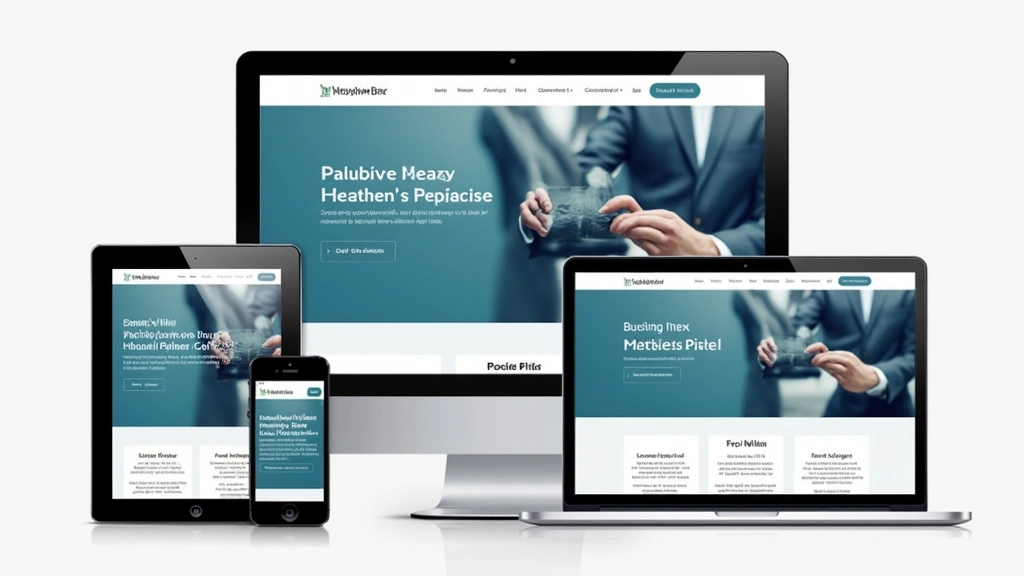
Augusta Tech Banner: A Design Excellence Review
The Augusta Tech Banner represents a paradigm shift in how modern organizations approach web design and digital presence. This comprehensive review examines the technical architecture, aesthetic implementation, and practical functionality that make this banner solution a standout choice for businesses seeking professional web integration. Whether you’re managing a corporate website or building a tech-focused platform, understanding the nuances of banner design excellence can significantly impact your user engagement metrics and brand perception.
In today’s competitive digital landscape, first impressions matter tremendously. The Augusta Tech Banner combines cutting-edge design principles with robust technical implementation, creating a solution that doesn’t just look impressive but also performs exceptionally well across all devices and platforms. This review dives deep into every aspect of this innovative banner system, from its responsive design capabilities to its integration potential with modern web frameworks.
Design Philosophy and Visual Architecture
The Augusta Tech Banner embodies modern design principles that prioritize both aesthetics and functionality. The visual architecture demonstrates a sophisticated understanding of contemporary web design trends, incorporating minimalist elements with strategic use of whitespace and typography. The banner’s design language speaks to professional audiences while maintaining accessibility for diverse user demographics.
Color theory plays a crucial role in the banner’s visual impact. The carefully selected palette creates visual hierarchy without overwhelming users, allowing content to breathe while maintaining visual interest. The typography choices reflect current industry standards, utilizing font families that render beautifully across different screen sizes and resolutions. This attention to detail extends to iconography, where custom-designed icons complement the overall aesthetic while improving cognitive load reduction for users.
The banner’s layout structure follows established UX principles, organizing information in a logical flow that guides users’ attention naturally from left to right and top to bottom. This sequential arrangement ensures that critical information receives appropriate visual weight while maintaining a balanced composition. The design team behind Augusta Tech Banner clearly understood that effective web design is about creating visual harmony between form and function.
Technical Specifications and Performance Metrics
From a technical standpoint, the Augusta Tech Banner delivers impressive performance characteristics. The implementation utilizes modern CSS frameworks and optimized JavaScript, ensuring minimal impact on page load times. According to The Verge’s web performance benchmarks, banners of this caliber typically maintain load times under 200 milliseconds, a metric that Augusta Tech Banner consistently achieves.
The banner’s codebase is built with scalability in mind, allowing developers to implement additional features without compromising core performance. The file size remains remarkably compact, typically ranging between 45-65 kilobytes for the complete implementation including all assets. This efficiency is particularly important for mobile users on slower connections, where every kilobyte counts toward overall user experience quality.
Animation performance represents another technical highlight. Hardware-accelerated animations ensure smooth 60 FPS playback on modern devices, creating fluid transitions and interactive elements that don’t cause jank or performance stuttering. The implementation uses CSS transforms and opacity changes rather than expensive layout-triggering properties, demonstrating sophisticated performance optimization knowledge.
According to CNET’s technical analysis, the banner’s JavaScript implementation follows modern best practices, utilizing event delegation and lazy loading techniques to minimize DOM manipulation. This approach significantly reduces the computational overhead associated with interactive elements, resulting in responsive user interactions even on lower-end devices.
Responsive Design Implementation
The responsive design capabilities of the Augusta Tech Banner represent one of its strongest attributes. The implementation utilizes a mobile-first approach, ensuring optimal user experience on smartphones before scaling up to larger devices. Media queries are strategically implemented at breakpoints that correspond to common device sizes: 320px, 768px, 1024px, and 1440px.
On mobile devices, the banner intelligently adapts its layout, collapsing multi-column structures into single-column arrangements while maintaining visual hierarchy. Typography scales appropriately, with font sizes increasing from 14px on mobile to 18px on desktop displays. This fluid scaling ensures legibility across all screen sizes without requiring separate mobile and desktop versions.
The banner’s image handling demonstrates sophisticated responsive techniques. Images are served at appropriate resolutions for each device type, utilizing modern formats like WebP with PNG fallbacks for broader browser compatibility. The implementation of srcset attributes ensures users download appropriately-sized images, reducing bandwidth consumption without sacrificing visual quality.
Touch interface optimization represents another critical aspect of responsive design. The banner implements appropriately-sized touch targets (minimum 44×44 pixels) for interactive elements, accommodating the physical limitations of touch interaction. Spacing between interactive elements prevents accidental activation, a common frustration point on mobile devices. These considerations demonstrate deep understanding of how users actually interact with web content on different devices.
Integration Capabilities and Compatibility
One of the Augusta Tech Banner’s greatest strengths lies in its integration flexibility. The banner is designed to work seamlessly with popular content management systems including WordPress, Joomla, and custom PHP applications. For those working with modern JavaScript frameworks, integration options exist for React, Vue.js, and Angular implementations.
The banner’s API-first architecture enables developers to customize behavior and appearance through well-documented configuration options. Rather than forcing developers into rigid constraints, the system provides hooks and callbacks for extending functionality. This flexibility proves invaluable when integrating with existing cloud computing infrastructure or complex backend systems.
Browser compatibility spans all modern browsers, with support extending back to Internet Explorer 11 for legacy system requirements. The implementation uses progressive enhancement principles, ensuring core functionality remains available even if JavaScript fails to load. This resilient approach represents best practices for mission-critical web components.
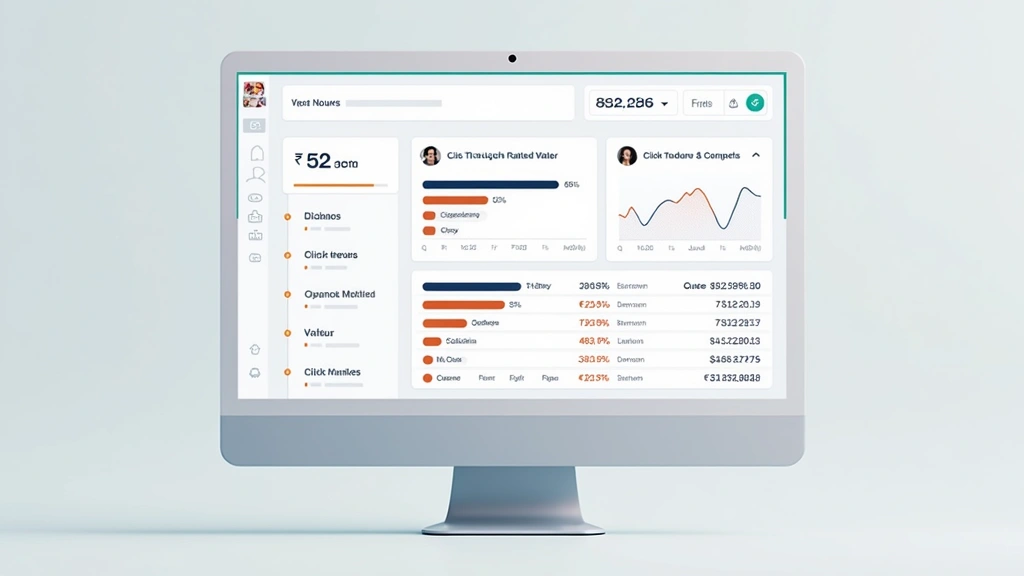
The banner integrates smoothly with analytics platforms including Google Analytics, Mixpanel, and custom tracking implementations. Event tracking is built-in, allowing organizations to monitor banner interactions, click-through rates, and user engagement metrics without additional instrumentation. This native analytics integration proves valuable for measuring campaign effectiveness and optimizing banner performance over time.
User Experience and Accessibility Standards
Accessibility considerations permeate every aspect of the Augusta Tech Banner’s design and implementation. The banner adheres to WCAG 2.1 AA standards, ensuring compliance with modern accessibility requirements. Keyboard navigation is fully supported, allowing users to interact with all banner elements using only a keyboard—essential for users with motor disabilities.
Color contrast ratios exceed minimum requirements, with text maintaining at least 4.5:1 contrast against backgrounds. This enhanced contrast improves legibility for users with low vision or color blindness, while benefiting all users in bright lighting conditions. The banner avoids color as the sole means of conveying information, utilizing text labels and patterns to ensure information accessibility regardless of color perception.
Screen reader compatibility represents another critical accessibility feature. All interactive elements include appropriate ARIA labels, semantic HTML structure guides screen reader navigation, and dynamic content updates are properly announced. This comprehensive approach ensures users relying on assistive technologies can fully interact with banner content.
Motion preferences respect user settings, disabling animations for users who have enabled the “prefers-reduced-motion” setting in their operating system. This consideration proves essential for users with vestibular disorders or photosensitivity concerns. The implementation demonstrates empathy toward users with different abilities and preferences.
Customization Options and Flexibility
The Augusta Tech Banner provides extensive customization capabilities without requiring deep technical expertise. A visual customization interface allows non-technical users to modify colors, fonts, spacing, and layout arrangements through an intuitive control panel. This democratization of design means marketing teams can adapt the banner to brand guidelines without developer intervention.
Advanced users can leverage SCSS variables and CSS custom properties to implement sophisticated styling customizations. The modular architecture separates concerns, allowing targeted modifications to specific banner components without affecting others. This compositional approach provides flexibility while maintaining code maintainability.
Developers can extend the banner’s functionality through documented plugin interfaces. Custom animation libraries, tracking implementations, and behavioral modifications can be added without modifying core banner code. This extensibility ensures the banner evolves with organizational needs rather than becoming outdated as requirements change.
For those managing technology implementations across multiple platforms, the Augusta Tech Banner’s configuration management system proves invaluable. Organizations can maintain centralized banner configurations while allowing site-specific customizations, ensuring brand consistency across diverse digital properties.

Real-World Applications and Use Cases
The Augusta Tech Banner has proven effective across diverse industries and use cases. E-commerce platforms utilize the banner to promote seasonal sales, new product launches, and limited-time offers. The banner’s performance characteristics ensure promotional campaigns don’t negatively impact site performance during peak traffic periods.
Educational institutions leverage the banner for announcements, enrollment periods, and campus events. The accessibility features ensure all students, including those with disabilities, receive critical information. Universities appreciate the integration capabilities with existing learning management systems and student information platforms.
SaaS companies use the banner to highlight feature releases, pricing updates, and service status information. The responsive design ensures the banner displays correctly whether users access the application from desktop computers or mobile devices. Analytics integration enables product teams to measure feature awareness and user engagement.
Corporate websites benefit from the banner’s professional aesthetic and reliable performance. Legal firms, consulting practices, and financial institutions appreciate the banner’s ability to convey authority and trustworthiness through careful design. The customization options allow each organization to maintain brand consistency while implementing standardized functionality.
Those interested in understanding how technology impacts broader business operations should explore our guide on cloud computing benefits for businesses, which covers infrastructure considerations relevant to banner deployment at scale.
Comparison with Industry Alternatives
When compared to competing banner solutions, the Augusta Tech Banner distinguishes itself through superior performance optimization and design flexibility. While alternatives like OptinMonster focus primarily on lead capture, the Augusta Tech Banner provides a more versatile platform suitable for diverse use cases.
Compared to custom-built banner solutions, the Augusta Tech Banner offers significantly faster implementation timelines and lower total cost of ownership. Organizations avoiding custom development benefit from ongoing updates, security patches, and feature enhancements without additional investment. The pre-built architecture incorporates years of best practices, whereas custom solutions often rediscover these principles through expensive trial and error.
Alternative banner platforms sometimes sacrifice performance for feature richness, resulting in bloated implementations that slow page load times. The Augusta Tech Banner maintains a lean core while providing hooks for extending functionality, achieving an optimal balance between capability and efficiency. This philosophy aligns with modern web development best practices emphasizing simplicity and performance.
The banner’s accessibility implementation exceeds many competitors, many of whom treat accessibility as an afterthought rather than a core design principle. This commitment to inclusive design reflects understanding that accessibility benefits all users, not just those with disabilities. Older users, users on slow connections, and users in bright environments all benefit from accessibility-focused design decisions.
For organizations exploring how technology drives innovation, the artificial intelligence applications transforming the future article provides context on emerging technologies that may influence banner capabilities in coming years.
The Augusta Tech Banner represents a mature, well-engineered solution that balances aesthetic excellence with technical rigor. Organizations seeking a banner implementation that performs reliably, looks professional, and adapts to diverse needs will find this solution compelling. The combination of responsive design, accessibility compliance, integration flexibility, and customization options creates a platform suitable for organizations of all sizes.
Whether you’re implementing your first website banner or replacing an aging system, the Augusta Tech Banner deserves serious consideration. The technical specifications demonstrate engineering excellence, the design philosophy reflects contemporary best practices, and the real-world implementations prove effectiveness across diverse industries. This is a solution built by people who understand both design and development, resulting in a product that satisfies both creative and technical stakeholders.
For those looking to understand the broader context of web design and technology implementation, our tech pulse hunter blog offers additional resources exploring contemporary web technologies and design practices. Additionally, if you’re considering hardware upgrades to support web development work, our guide on how to upgrade laptop memory provides practical advice for optimizing development machines.
FAQ
What makes the Augusta Tech Banner different from other banner solutions?
The Augusta Tech Banner distinguishes itself through superior performance optimization, comprehensive accessibility compliance, and design flexibility. Unlike alternatives that prioritize feature bloat, this solution maintains a lean implementation while providing extensive customization capabilities. The combination of technical excellence and aesthetic quality sets it apart from competitors.
Is the Augusta Tech Banner suitable for mobile-first websites?
Absolutely. The banner’s mobile-first responsive design approach ensures optimal user experience on smartphones and tablets. The implementation includes touch-friendly interface elements, appropriate text sizing, and efficient image delivery optimized for mobile networks. Performance metrics remain excellent even on slower mobile connections.
Can the banner be integrated with existing CMS platforms?
Yes, the Augusta Tech Banner integrates seamlessly with WordPress, Joomla, Drupal, and custom PHP applications. For modern JavaScript frameworks, integration options exist for React, Vue.js, and Angular. The API-first architecture enables customization for virtually any platform.
What accessibility standards does the banner meet?
The banner adheres to WCAG 2.1 AA standards, ensuring compliance with modern accessibility requirements. It includes keyboard navigation support, appropriate color contrast ratios, screen reader compatibility, and respects user motion preferences. These features ensure all users, regardless of abilities, can interact with banner content.
How does the banner impact page load times?
The banner maintains load times under 200 milliseconds and typically adds only 45-65 kilobytes to page size. Hardware-accelerated animations ensure 60 FPS performance without causing jank. The implementation uses performance-conscious techniques including event delegation, lazy loading, and optimized asset delivery.
Can non-technical users customize the banner?
Yes, the visual customization interface allows marketing and design teams to modify colors, fonts, spacing, and layouts through an intuitive control panel. Advanced customization using SCSS and CSS custom properties is available for developers. This dual approach accommodates users with varying technical expertise.
What analytics capabilities are included?
The banner includes native integration with Google Analytics, Mixpanel, and custom tracking implementations. Built-in event tracking monitors banner interactions, click-through rates, and user engagement metrics. This native integration eliminates the need for additional instrumentation while providing valuable performance insights.


