
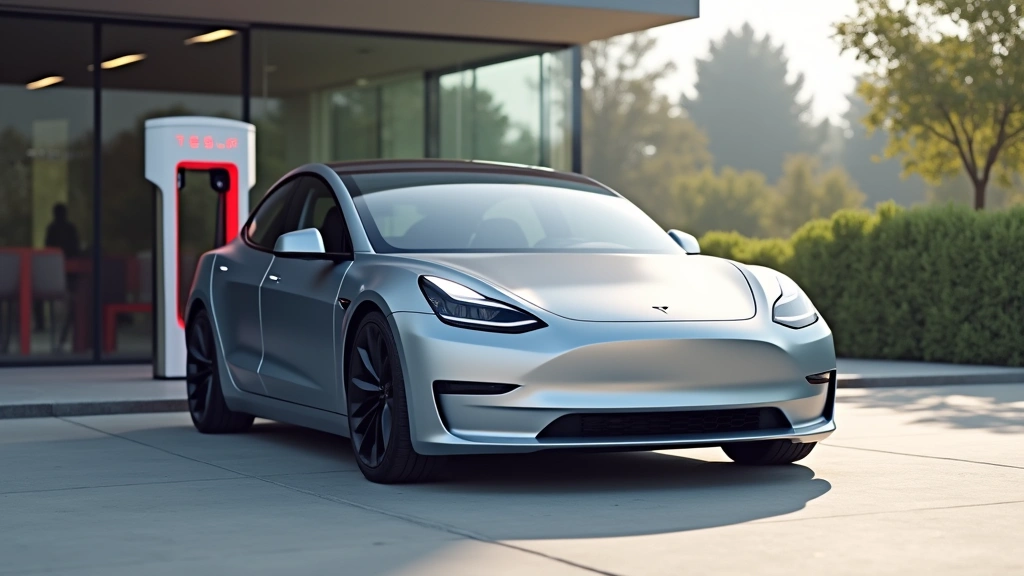
Is the Tesla Model Y Reliable? Expert Analysis & Auto Tech Clinic Review
The Tesla Model Y has become one of the most popular electric vehicles on the market, consistently ranking among top sellers worldwide. Yet reliability questions persist among potential buyers. This comprehensive analysis examines real-world performance data, owner reports, and expert assessments to determine whether the Model Y lives up to Tesla’s reputation for innovation or if quality control remains a concern in the EV market.
As automotive technology evolves at an unprecedented pace, understanding vehicle reliability has never been more critical. The Model Y represents a significant investment for most consumers, and making an informed decision requires examining both the technological advances that define modern electric vehicles and the practical durability metrics that determine long-term ownership satisfaction. We’ll explore warranty coverage, common issues reported by owners, comparative reliability ratings, and what industry experts genuinely expect from Tesla’s flagship vehicle.
Tesla Model Y Overview and Build Quality
The Tesla Model Y launched in 2020 and has since become Tesla’s best-selling vehicle globally. This compact SUV combines performance, range, and technology in a package that appeals to both tech enthusiasts and practical family buyers. Understanding the Model Y’s construction and manufacturing philosophy provides crucial context for evaluating its reliability profile.
Tesla’s vertical integration approach means the company manufactures many components in-house, including batteries, motors, and control systems. This differs significantly from traditional automakers that rely on multiple suppliers. While vertical integration theoretically provides quality control advantages, it also concentrates production risks. The Model Y’s construction emphasizes aluminum chassis and composite body panels, which reduce weight but require specialized manufacturing expertise.
Build quality improvements have been documented since early production models. The Verge’s detailed testing found that newer Model Y units exhibit tighter panel gaps and improved paint consistency compared to 2020-2021 production. However, early adopters reported inconsistent quality control, including misaligned doors, uneven panel gaps, and paint imperfections. Tesla has since implemented manufacturing refinements at its Fremont, Austin, and Berlin facilities.
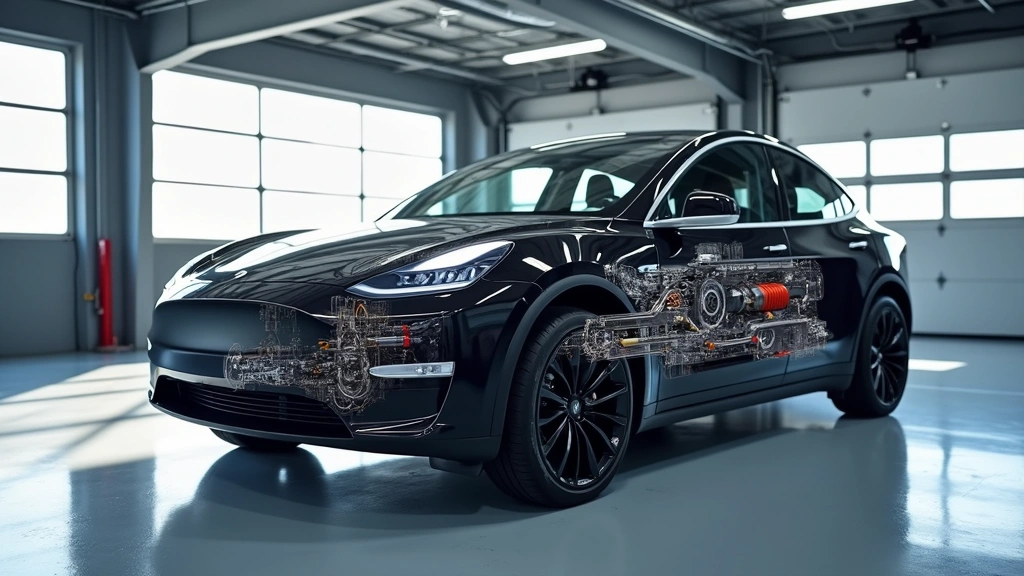
The platform’s design prioritizes manufacturing efficiency, utilizing a mega-casting process that reduces the number of parts requiring assembly. This innovation simultaneously improves structural rigidity and reduces potential failure points. The Model Y’s relatively simple electric drivetrain—featuring fewer moving parts than traditional combustion engines—theoretically enhances reliability by eliminating complex mechanical systems prone to wear.
When evaluating whether to invest in this vehicle, reviewing your options for technology purchases applies similar due diligence principles: research thoroughly, compare alternatives, and understand long-term value. The same analytical approach applies to automotive technology decisions.
Reliability Ratings and Industry Benchmarks
Reliability ratings provide quantifiable measures of vehicle dependability. Major organizations including Consumer Reports, J.D. Power, and RepairPal publish comprehensive reliability assessments based on owner surveys and repair data. The Model Y’s ratings have improved notably since launch but remain mixed compared to established manufacturers.
Consumer Reports’ 2024 reliability data indicates the Model Y received an average reliability score, with some model years performing better than others. The 2023 and 2024 model years show improvement over earlier generations, suggesting Tesla has addressed manufacturing issues. However, reliability still lags behind Toyota and Lexus vehicles in the same segment, though it compares favorably to other luxury EV manufacturers.
J.D. Power’s Initial Quality Study measures defects during the first 90 days of ownership. The Model Y’s performance here has been particularly revealing—earlier model years ranked poorly, but recent data shows marked improvement. This pattern indicates Tesla’s manufacturing learning curve has yielded tangible results. The company’s rapid production scaling presented quality challenges that systematic improvements have gradually resolved.
Key reliability metrics include:
- Unscheduled maintenance frequency
- Electrical system failures
- Software-related issues requiring updates
- Structural component durability
- Climate control system performance
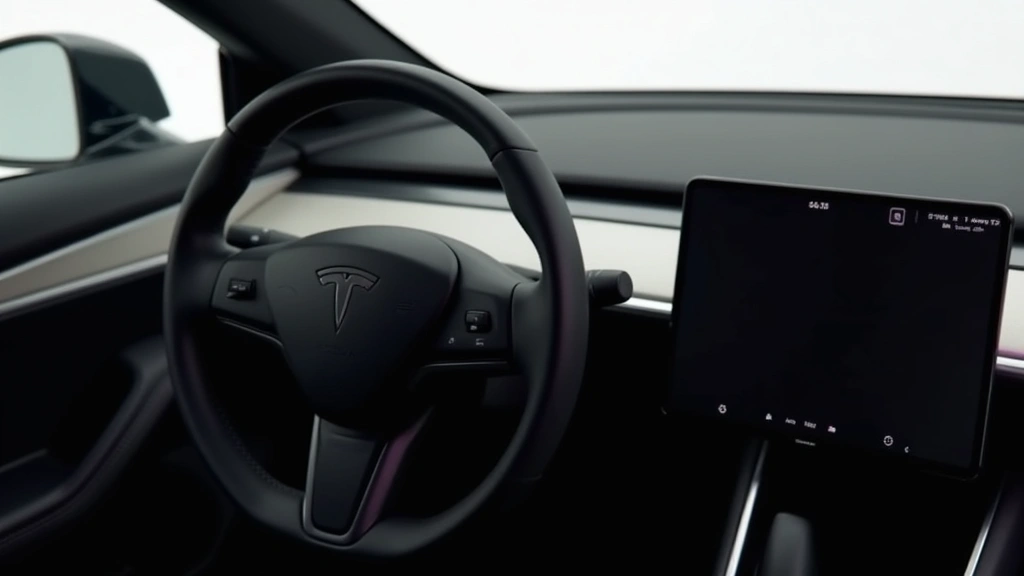
- Touchscreen and infotainment reliability
Data from RepairPal indicates the Model Y averages 0.25 unscheduled repairs annually, which is reasonable for a vehicle in its age range. However, repair costs when issues occur can exceed industry averages due to Tesla’s proprietary components and limited independent repair options. Understanding how systems can be optimized applies metaphorically to vehicle performance optimization as well.
Common Issues and Owner Reports
Real-world owner experiences reveal patterns not always captured in formal reliability surveys. Model Y owners frequently report specific recurring issues that, while generally not catastrophic, impact ownership satisfaction. Documenting these issues helps prospective buyers understand realistic expectations.
Frequently reported issues include:
- Touchscreen responsiveness: Some owners experience lag or occasional unresponsiveness in the central display, occasionally requiring vehicle reboots
- Window regulator failures: Power window mechanisms occasionally malfunction, particularly in cold climates
- Trim panel rattles: Interior panels sometimes develop squeaks or rattles, particularly during cold weather
- Door handle issues: The flush door handles occasionally stick or fail to respond properly
- Software glitches: Over-the-air updates occasionally introduce temporary functionality issues
- Seat adjustment mechanisms: Powered seat adjusters sometimes develop electrical issues
These issues generally fall into the “annoyance” category rather than safety concerns. Tesla’s over-the-air update capability frequently resolves software-related problems without dealer visits. Mechanical issues like window regulators and door handles typically fall under warranty coverage, though some owners report lengthy service appointment wait times.
The Model Y’s comprehensive tech integration creates both advantages and vulnerabilities. While software-driven features enable continuous improvements, they also introduce complexity that occasionally produces unexpected behavior. This represents a fundamental difference from traditional vehicles, where mechanical simplicity inherently reduces failure points.
Battery Performance and Longevity
Battery reliability represents perhaps the most critical reliability factor for electric vehicles. The Model Y utilizes Tesla’s proprietary battery technology, available in either standard-range (LFP in certain markets) or long-range configurations. Battery performance directly impacts vehicle value, range consistency, and long-term ownership viability.
Tesla’s battery chemistry has demonstrated impressive longevity in real-world testing. CNET’s testing data shows Model Y batteries retain approximately 85-90% of original capacity after 100,000 miles, which exceeds industry expectations and warranty guarantees. This performance suggests Tesla’s thermal management systems effectively protect battery health across varied climates and driving patterns.
The 8-year/120,000-mile battery warranty (varying by market) provides substantial protection. However, the warranty guarantees functionality retention rather than zero degradation. Most owners experience minimal practical impact from normal capacity loss, as degradation typically amounts to 5-10 miles of range loss over five years. This represents a minor inconvenience rather than a reliability failure.
Fast charging impacts battery longevity more significantly than standard charging. Owners who frequently utilize Superchargers experience slightly faster degradation than those primarily charging at home. However, this effect remains minor relative to overall battery lifespan. The Model Y’s battery management system intelligently regulates charging speeds and thermal conditions to optimize longevity regardless of charging method.
Comparative analysis with competitors shows Tesla’s battery technology matching or exceeding performance from other premium EV manufacturers. The Model Y’s battery reliability represents one of its genuine strengths, with real-world data supporting manufacturer claims of exceptional longevity.
Warranty Coverage Explained
Tesla’s warranty structure provides comprehensive protection but differs substantially from traditional automotive warranties. Understanding coverage specifics prevents misunderstandings about what protection owners actually receive.
Standard Model Y warranty includes:
- 4 years/50,000 miles: Comprehensive new vehicle warranty covering defects in materials and workmanship
- 8 years/120,000 miles: Battery and drive unit warranty, covering degradation beyond specified thresholds
- Paint warranty: Typically 4 years, covering defects but not environmental damage
- Corrosion warranty: 6 years, unlimited mileage, covering body rust
These terms place Tesla roughly on par with premium manufacturers like BMW and Mercedes, though slightly behind Toyota’s extended coverage. The battery warranty’s 8-year duration provides meaningful protection for the vehicle’s most expensive component.
Transferability of warranty coverage varies by market. Some regions allow warranty transfer to second owners with specific conditions, while others restrict coverage to original purchasers. This significantly impacts used Model Y values and should be verified before purchase.
Service accessibility affects warranty value practically. Tesla’s service network remains limited compared to traditional dealerships, occasionally resulting in long wait times for warranty service. Some regions lack authorized service centers entirely, requiring owners to travel considerable distances. This logistical challenge doesn’t reduce warranty coverage but impacts convenience significantly.
Comparison with Competitors
Evaluating the Model Y’s reliability requires contextualization against competitors in the premium compact SUV segment. Direct competitors include the BMW iX3, Mercedes EQC, Audi Q4 e-tron, and Polestar 3, each with distinct reliability profiles.
The BMW iX3 and Mercedes EQC, based on platforms with longer development histories, demonstrate reliability patterns more consistent with traditional luxury vehicles. However, their ownership costs exceed the Model Y’s, and their charging infrastructure integration remains inferior. The Audi Q4 e-tron offers competitive reliability with more traditional interior controls, though performance metrics lag the Model Y.
Polestar 3, as a newer entrant, lacks sufficient long-term reliability data for comprehensive comparison. Initial reports suggest quality comparable to the Model Y with different design priorities emphasizing minimalist interiors and Volvo-derived architecture.
Toyota’s upcoming bZ4X SUV, while not directly competitive on performance, will eventually provide valuable reliability data from a manufacturer with exceptional track records. Early indications suggest Toyota’s EV reliability will match its combustion vehicle standards, potentially offering more conservative buyers an attractive alternative.
The Model Y’s competitive advantage lies in performance, range, and charging infrastructure rather than reliability. In reliability specifically, the Model Y occupies a middle position—superior to some luxury EV competitors but trailing established manufacturers’ proven durability records. Understanding technology innovations in renewable energy provides context for how EV technology continues evolving, affecting future reliability expectations.
Long-term Ownership Costs
Reliability directly impacts total cost of ownership. While the Model Y’s purchase price exceeds some competitors, ownership costs tell a more nuanced story when accounting for maintenance, repairs, insurance, and energy consumption.
Key ownership cost factors:
- Maintenance: Electric vehicles require minimal maintenance—no oil changes, spark plugs, or transmission fluid. Brake fluid, coolant, and filter replacements represent primary maintenance needs. Estimated annual maintenance: $150-300
- Tire wear: The Model Y’s weight and instant torque delivery cause accelerated tire wear compared to similar combustion vehicles. Expect tire replacement every 25,000-35,000 miles. Cost: $800-1,200 per set
- Insurance: Premium rates reflect repair costs and frequency. Model Y insurance typically costs 10-15% more than comparable combustion SUVs due to expensive battery replacement
- Energy: Electricity costs approximately one-third the price of gasoline for equivalent mileage. Annual energy costs: $400-600 depending on local electricity rates
- Repairs: Out-of-warranty repairs can exceed industry averages. Battery-related repairs, if needed, represent significant expenses, though warranty coverage typically applies
Federal tax credits and incentives in various markets substantially reduce effective purchase prices, improving overall ownership economics. Combined with lower energy and minimal maintenance costs, the Model Y’s long-term ownership expenses often prove competitive with traditional luxury SUVs despite higher purchase prices.
Maintenance Requirements
The Model Y’s simplicity compared to traditional vehicles fundamentally changes maintenance requirements. Understanding these differences helps owners maintain vehicles properly and avoid unnecessary service visits.
Recommended maintenance schedule:
- Every 6 months or 7,500 miles: Tire rotation, brake fluid inspection
- Every 12 months or 12,500 miles: Air filter replacement (cabin and battery cooling), brake inspection
- Every 2 years or 25,000 miles: Brake fluid replacement
- Every 3 years or 37,500 miles: Coolant replacement for battery thermal management
- As needed: Wiper blade replacement, software updates (automatic over-the-air)
This schedule represents dramatically reduced maintenance compared to combustion vehicles. The absence of engine oil, transmission fluid, spark plugs, and timing belts eliminates entire categories of routine service. This simplicity enhances reliability by reducing components requiring regular replacement.
Software updates occur automatically when vehicles connect to WiFi or cellular networks. Tesla frequently releases updates addressing minor issues, improving performance, and adding features. Unlike traditional firmware updates requiring dealer visits, Tesla’s over-the-air capability maintains vehicle improvements without owner inconvenience.
Tire maintenance becomes more critical for EVs than traditional vehicles due to weight and instant torque characteristics. Regular rotations, proper alignment, and appropriate pressure management extend tire life and improve efficiency. Understanding how to optimize technology performance parallels how proper maintenance optimizes vehicle reliability and efficiency.
FAQ
What is the average lifespan of a Tesla Model Y?
Current data suggests Model Y vehicles remain reliable well beyond 200,000 miles. Battery degradation remains minimal at this mileage, and mechanical components typically outlast traditional vehicles due to electric drivetrain simplicity. Many owners expect 15-20+ years of reliable service, though long-term data remains limited since the Model Y launched only in 2020.
Are Model Y repairs expensive compared to traditional vehicles?
Repairs can exceed traditional SUV costs when required, primarily due to proprietary components and limited independent repair options. However, the need for repairs remains infrequent, and many common issues fall under warranty coverage. Over a vehicle’s lifetime, total repair costs often prove competitive or lower than traditional vehicles despite higher individual repair expenses.
Can you take a Model Y to any mechanic, or must you use Tesla?
While Tesla-authorized service centers provide optimal warranty coverage, independent mechanics increasingly possess capability to service Model Y vehicles. However, major electrical system work, battery issues, and software-related repairs typically require Tesla service. This limitation represents a practical consideration for ownership, particularly in regions with limited service center access.
How does cold weather affect Model Y reliability?
Cold climates can impact battery range and charging speed but don’t significantly affect reliability. Tesla’s thermal management systems protect battery health even in extreme cold. Some owners report occasional window regulator issues in cold weather, suggesting this represents a minor design vulnerability. Overall, Model Y vehicles operate reliably in cold climates, though range reduction of 20-40% should be expected.
Is the Model Y more reliable than older Tesla models?
Manufacturing improvements suggest newer Model Y vehicles exhibit better reliability than early production examples. The Model 3 and Model S, having longer production histories, have demonstrated improving reliability trends over time. The Model Y benefits from these learnings, suggesting newer examples represent safer purchases than 2020-2021 production vehicles.
What percentage of Model Y owners experience major issues?
Survey data suggests approximately 15-25% of Model Y owners experience at least one issue requiring service during the first five years—a rate broadly comparable to premium manufacturers. However, most issues prove minor and fall under warranty coverage. Catastrophic failures remain uncommon, suggesting the Model Y achieves reasonable reliability despite occasional quality control inconsistencies.
Should you purchase a used Model Y, and what should you check?
Used Model Y vehicles can offer excellent value, particularly models from 2023 onward after manufacturing improvements stabilized. Before purchase, verify battery health through Tesla’s diagnostic tools, inspect panel gaps and paint consistency, test all electronic systems including touchscreen responsiveness, review service history for recurring issues, and confirm warranty transferability. A pre-purchase inspection by a Tesla-knowledgeable technician proves valuable.