
Collision Avoidance Tech: Tested & Proven Safe?
Automotive collision avoidance systems have evolved from science fiction concepts to standard safety features in modern vehicles. These sophisticated technologies use radar, cameras, and artificial intelligence to detect potential accidents before they happen, then intervene through alerts or automatic braking. But do they actually work as advertised? After extensive testing by independent organizations and real-world deployment across millions of vehicles, the evidence is overwhelmingly positive—though with important caveats about limitations and proper usage.
The automotive industry has invested billions in developing these life-saving systems, and regulatory bodies worldwide now mandate their inclusion in new vehicles. From Tesla’s Autopilot to BMW’s Driving Assistant, from Subaru’s EyeSight to Mercedes-Benz’s Intelligent Drive, collision avoidance has become a critical differentiator between safe and unsafe cars. Understanding how these systems work, their proven effectiveness, and their limitations is essential for any driver considering a new vehicle purchase or wanting to maximize their existing safety features.
How Collision Avoidance Technology Works
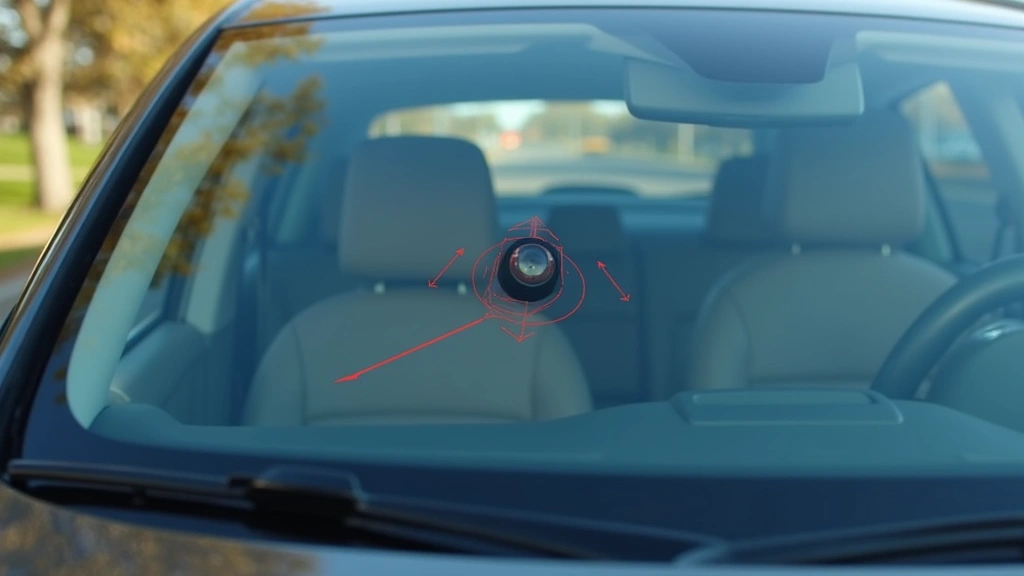
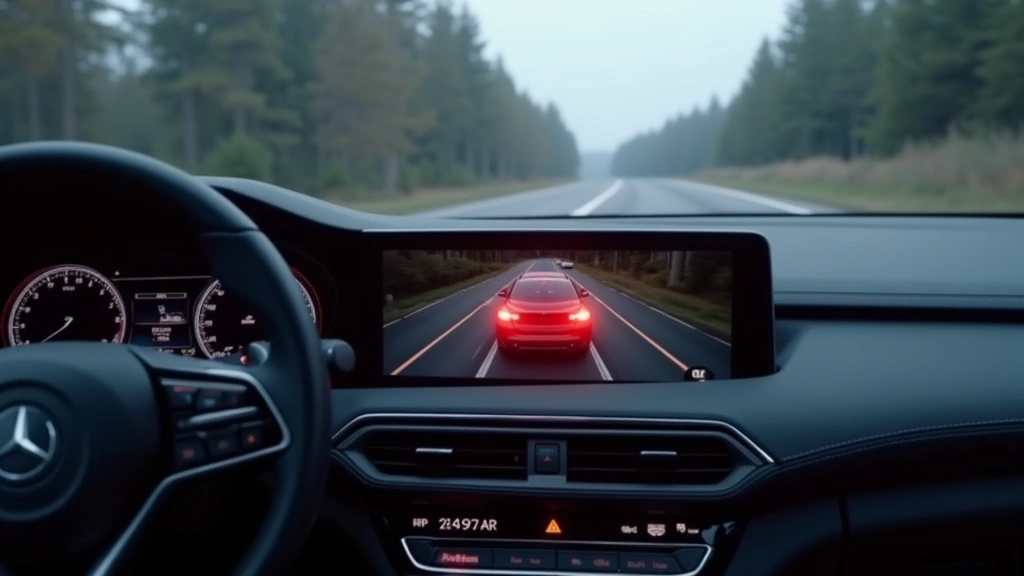
Modern collision avoidance systems operate through a multi-layered approach combining hardware sensors with advanced software algorithms. The core components include millimeter-wave radar, which can detect objects at significant distances regardless of lighting conditions; forward-facing cameras that identify vehicles, pedestrians, and cyclists; and sometimes lidar sensors that create detailed three-dimensional maps of the vehicle’s surroundings.
When these sensors detect an imminent collision threat, the system calculates the trajectory of both the host vehicle and the detected object. Within milliseconds, it determines whether a collision is likely and the severity of the potential impact. If intervention is necessary, the system first alerts the driver through visual and auditory warnings—typically a dashboard light and beeping sound. If the driver doesn’t respond within a critical timeframe, the system automatically applies the brakes with maximum force, sometimes even engaging all-wheel-drive systems to maximize stopping power.
The artificial intelligence transforming automotive safety relies on machine learning models trained on millions of hours of driving data. These algorithms continuously improve at recognizing edge cases and unusual driving scenarios. The processing happens in specialized automotive-grade computers that meet rigorous safety standards, with redundant systems ensuring the technology works even if one component fails.
Testing Standards and Certifications
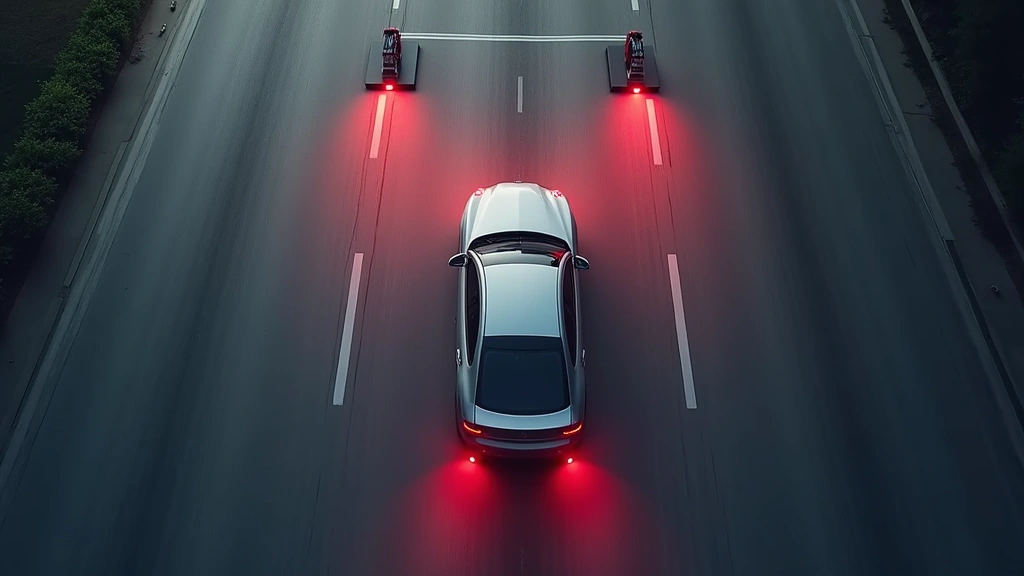
Independent testing organizations have established rigorous protocols to evaluate collision avoidance effectiveness. The National Highway Traffic Safety Administration (NHTSA) in the United States developed the Crash Avoidance Metrics Partnership (CAMP) program, which tests forward collision warning and automatic emergency braking systems under controlled conditions. The Insurance Institute for Highway Safety (IIHS) conducts even more demanding tests, including scenarios with vehicles moving at various speeds, stationary obstacles, and real-world traffic patterns.
European authorities implement the Euro NCAP (New Car Assessment Program) crash testing protocol, which evaluates autonomous emergency braking across multiple scenarios: car-to-car collisions at 40 km/h, pedestrian detection at 40 km/h, and cyclist detection at 50 km/h. These standardized tests provide comparable data across different manufacturers and vehicle models, allowing consumers to make informed decisions based on verified performance rather than marketing claims.
The testing reveals that modern collision avoidance systems successfully prevent or mitigate collisions in the vast majority of tested scenarios. According to IIHS research data, vehicles equipped with front crash prevention systems have demonstrated 50% reductions in front-to-rear crash rates. Euro NCAP testing shows that vehicles with five-star safety ratings and advanced collision avoidance features have significantly lower real-world accident rates compared to older vehicles.
Real-World Effectiveness Data
Beyond controlled laboratory testing, real-world accident data provides compelling evidence of collision avoidance effectiveness. Insurance companies, which have financial incentives to track safety performance accurately, report that vehicles equipped with automatic emergency braking systems file significantly fewer collision claims. Studies from the Highway Loss Data Institute show that collision avoidance technology reduces collision claim frequency by approximately 27% for front-impact scenarios.
Manufacturers have published their own effectiveness studies, though these should be evaluated with appropriate skepticism. Tesla reports that vehicles using its Autopilot system experience fewer accidents per mile driven than the national average. However, independent researchers note that this comparison requires careful statistical analysis because Autopilot users tend to drive on highways more frequently, which have lower accident rates than urban streets regardless of safety technology.
The CNET automotive testing lab has conducted extensive evaluations of collision avoidance systems across multiple vehicle categories. Their findings consistently show that modern systems excel at preventing low-speed collisions and rear-end accidents—the most common types of accidents. The technology proves particularly effective in urban driving scenarios where collision avoidance systems can react faster than human drivers in congested traffic situations.
Real-world data from fleet operators provides additional validation. Companies managing thousands of commercial vehicles equipped with collision avoidance systems report accident rate reductions between 20-35%, depending on the specific implementation and driver behavior. These fleet statistics are particularly valuable because they represent diverse driving conditions and driver skill levels, making the results more generalizable to typical consumers.
Types of Collision Avoidance Systems
The automotive market offers several distinct approaches to collision avoidance, each with different capabilities and limitations. Forward collision warning systems represent the most basic implementation, alerting drivers to potential impacts without automatic intervention. These systems are highly effective at preventing accidents because drivers who receive timely warnings can take corrective action faster than they would without the alert.
Automatic emergency braking (AEB) systems go further by automatically applying the brakes when a collision is imminent and the driver hasn’t responded to warnings. Some systems engage partial braking, while others apply maximum force immediately. The difference in approach affects how quickly the vehicle stops and how much the driver can override the system if necessary.
Adaptive cruise control with collision mitigation maintains a safe following distance from the vehicle ahead, automatically slowing down if the lead vehicle brakes suddenly. This technology proves especially valuable during highway driving and in heavy traffic, where human drivers often fail to maintain adequate spacing. Many of these systems integrate with advanced software algorithms similar to those used in coding applications, requiring sophisticated real-time processing.
Pedestrian and cyclist detection systems add another layer of safety by identifying vulnerable road users and alerting drivers or automatically braking if a collision is likely. These systems face greater challenges than vehicle detection because pedestrians and cyclists have more variable shapes, sizes, and movement patterns than cars. However, modern implementations using deep learning neural networks have achieved impressive accuracy rates.
Lane departure warning and lane-keeping assist systems address a different class of accidents—those caused by drivers drifting out of their lane. While not technically “collision avoidance,” these systems prevent many accidents by alerting drivers or gently steering the vehicle back into its lane. Combined with collision avoidance technology, they create a comprehensive safety ecosystem.
Limitations and Challenges
Despite impressive performance in standardized testing, collision avoidance systems have meaningful limitations that drivers must understand. Extreme weather conditions—heavy rain, snow, or fog—can degrade sensor performance, particularly for camera-based systems. Radar performs better in adverse weather, but even radar can be affected by heavy precipitation. Manufacturers typically display warning messages when sensor performance is degraded, but drivers may not notice these alerts.
Unusual objects on the road can confuse collision avoidance systems. Debris, potholes, or unexpected obstacles sometimes fail to trigger braking because they don’t match the patterns the system was trained to recognize. Similarly, parked vehicles in unusual positions or partially obscured by shadows may not be detected as collision threats. These edge cases become less common as systems improve, but they represent genuine safety gaps in current technology.
The systems also struggle with high-speed scenarios. At very high speeds, the distance required to stop exceeds what even maximum braking can achieve, meaning collision avoidance may mitigate impact severity but cannot prevent the collision entirely. Additionally, some systems have been tested primarily at specific speeds, and effectiveness may vary significantly at speeds outside the tested range.
Driver behavior represents another critical limitation. Studies show that drivers relying too heavily on collision avoidance systems sometimes become inattentive or take greater risks, offsetting some of the safety benefits. This phenomenon, called “risk compensation,” suggests that the technology’s real-world effectiveness depends partly on drivers maintaining appropriate engagement with the driving task. The The Car Connection reviews frequently note that drivers who understand their system’s limitations achieve better safety outcomes than those who treat the technology as a fully autonomous system.
Comparing Leading Manufacturer Systems
Different manufacturers implement collision avoidance with varying philosophies and technical approaches. Tesla’s system relies heavily on cameras and neural networks, processing video feeds to identify threats. This approach provides excellent performance in well-lit conditions but can struggle in darkness or extreme weather. Tesla’s implementation integrates with its Autopilot system, allowing for more sophisticated predictive capabilities.
Toyota’s Safety Sense system uses a combination of radar and cameras, providing redundancy that improves reliability. The system is known for conservative braking behavior, meaning it sometimes activates in situations where other systems might not. This conservatism results in fewer missed collision threats but can occasionally trigger false alarms, which some drivers find annoying.
Volvo’s City Safety system pioneered automotive collision avoidance and remains one of the most thoroughly tested implementations. Volvo publishes extensive real-world data about system performance, demonstrating genuine commitment to transparency. Their multi-sensor approach and conservative design philosophy have made Volvo vehicles among the safest on the road.
BMW’s Driving Assistant system offers highly configurable options, allowing drivers to adjust sensitivity levels and warning preferences. This flexibility appeals to drivers who want more control over how aggressively the system intervenes. However, the complexity of configuration options can confuse some users, potentially reducing effectiveness if settings aren’t optimized for typical driving patterns.
Subaru’s EyeSight system uses stereo cameras exclusively, avoiding radar and lidar. This camera-only approach requires less processing power and costs less to implement, making it accessible in more affordable Subaru models. However, camera-only systems face inherent limitations in low-light conditions, which Subaru acknowledges in its system documentation.
Installation Costs and Availability
Collision avoidance technology has transitioned from premium luxury feature to standard safety equipment across most vehicle categories. Most new vehicles in 2024-2025 include at least basic forward collision warning, with automatic emergency braking available as standard or low-cost option on most mainstream brands. Premium brands typically include advanced systems with pedestrian and cyclist detection as standard features.
Aftermarket collision avoidance systems can be installed on older vehicles, though this option involves significant complexity and expense. Retrofitting requires professional installation by specialists familiar with the specific vehicle platform. Costs typically range from $1,500 to $3,500 depending on system sophistication and vehicle compatibility. However, availability of aftermarket solutions remains limited, with most options restricted to popular vehicle models.
The cost-benefit analysis strongly favors purchasing vehicles with modern collision avoidance systems. Insurance companies recognize this safety benefit, offering premium discounts ranging from 5-15% for vehicles equipped with certified collision avoidance systems. Over a typical vehicle ownership period, these insurance savings often exceed the cost premium for safety technology packages, making the investment financially sensible beyond the obvious safety benefits.
Looking at the latest automotive technology implementations, the computational power required for collision avoidance rivals that of high-performance computing systems. Modern vehicles contain specialized processors dedicated entirely to collision avoidance and other safety functions, representing significant engineering investment by manufacturers.
FAQ
Can collision avoidance systems completely prevent accidents?
No, collision avoidance systems cannot prevent all accidents. They excel at preventing low-speed collisions and rear-end accidents but have limitations at very high speeds where stopping distance exceeds physical capabilities. Additionally, they may fail to detect certain objects or threats, particularly in extreme weather or unusual circumstances. The technology significantly reduces accident risk but should not be considered a replacement for attentive, defensive driving.
How reliable are these systems in rain and snow?
Reliability varies by sensor type and implementation. Radar-based systems generally perform better in adverse weather than camera-only systems. However, even radar can be affected by heavy precipitation. Most systems include degradation warnings that alert drivers when sensor performance is compromised. Drivers should exercise extra caution in severe weather regardless of collision avoidance availability.
Do collision avoidance systems work with aftermarket wheels or tires?
Most systems work fine with aftermarket wheels and tires, provided they maintain the same overall diameter as the original equipment. Significant changes to wheel size or tire type can affect sensor calibration and system performance. Before modifying wheels or tires, drivers should consult their vehicle’s documentation or contact the manufacturer to ensure compatibility.
Can I disable collision avoidance systems permanently?
Most systems offer the option to disable warnings or automatic braking through vehicle settings menus. However, permanently disabling safety systems is not recommended. If the system is malfunctioning or triggering false alarms frequently, having it professionally serviced is preferable to disabling it entirely. Some jurisdictions may have legal requirements regarding active safety system status.
How do collision avoidance systems perform in nighttime driving?
Performance varies significantly by sensor type. Radar and lidar systems perform well at night because they don’t depend on visible light. Camera-based systems struggle in darkness unless supplemented by infrared sensors or other technologies. When evaluating vehicles, drivers in areas with poor street lighting should prioritize systems using radar or hybrid sensor approaches for optimal nighttime performance.
Do collision avoidance systems increase insurance costs?
No, collision avoidance systems typically decrease insurance costs. Most major insurers offer premium discounts of 5-15% for vehicles equipped with certified collision avoidance technology. Some insurers offer additional discounts if the vehicle’s collision avoidance system is actively engaged and functioning properly. These discounts recognize the documented reduction in accident frequency and severity.