
The automotive technology industry is experiencing unprecedented growth, with skilled technicians commanding competitive salaries and enjoying abundant job opportunities. Whether you’re transitioning careers or advancing your expertise, auto tech courses have become essential for staying current with modern vehicle diagnostics, electric powertrains, and advanced driver assistance systems. This comprehensive guide reviews the best industry-approved programs that combine theoretical knowledge with hands-on training, preparing you for ASE certification and real-world automotive challenges.
Today’s vehicles are sophisticated computers on wheels, integrating artificial intelligence, IoT sensors, and complex software systems. Aspiring technicians must understand everything from traditional combustion engines to renewable energy technologies powering electric vehicles. The best auto tech courses bridge this knowledge gap, offering curricula that reflect current industry standards and employer expectations. We’ve analyzed dozens of programs to identify those delivering exceptional value, accreditation, and career outcomes.
Top-Rated Auto Tech Programs
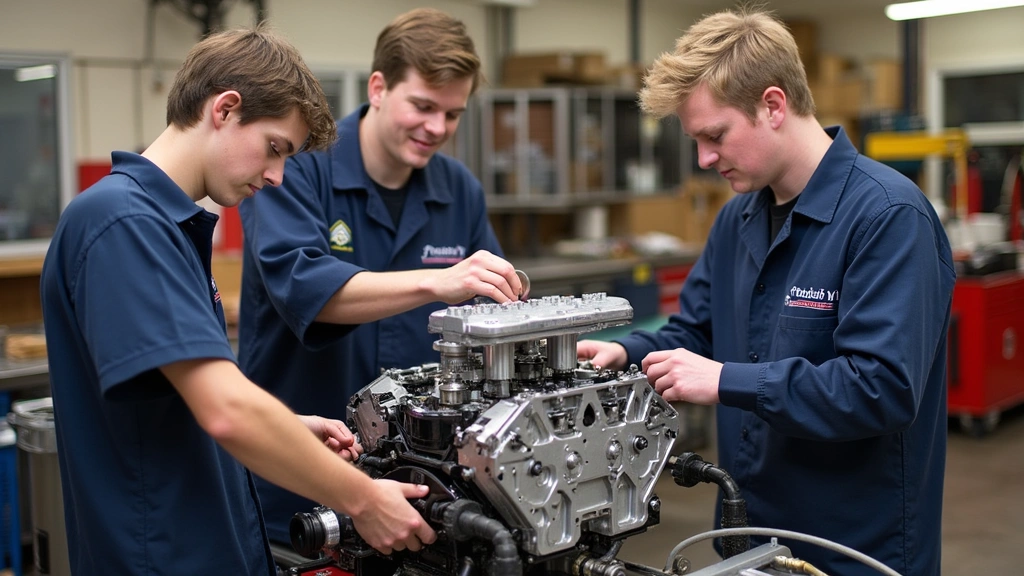
Community College Programs remain the gold standard for comprehensive automotive education. Institutions like Lincoln Technical Institute and UTI (Universal Technical Institute) offer accredited diplomas covering engine repair, transmission systems, electrical diagnostics, and brake systems. These programs typically span 18-24 months and include manufacturer-specific training partnerships with Ford, GM, Toyota, and BMW. Graduates report strong job placement rates exceeding 85% within six months of completion.
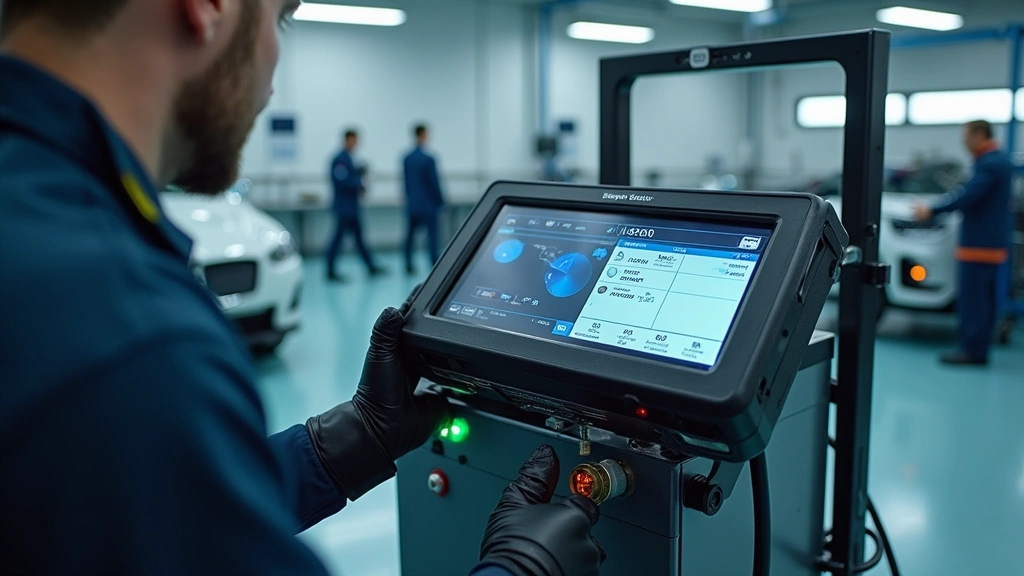
The Universal Technical Institute stands out with its Manufacturer Training Alliance, providing exclusive access to OEM (Original Equipment Manufacturer) diagnostic equipment and software. Students learn on the same tools professional dealerships use daily, significantly reducing the learning curve during employment. UTI’s curriculum explicitly covers hybrid and electric vehicle systems, addressing the industry’s most pressing skill gap.
Manufacturer-Specific Programs offer unmatched depth in particular brands. Ford’s Automotive Service Excellence program, General Motors’ ASEP (Automotive Service Educational Program), and Tesla’s technician training focus exclusively on their vehicle ecosystems. These programs often provide tuition assistance and guaranteed job interviews upon completion. However, they require commitment to service at authorized dealerships, which may limit career flexibility.
Stay updated with the latest automotive technology trends by reviewing curriculum changes quarterly. Progressive schools continuously update their materials to reflect industry evolution, including artificial intelligence applications transforming vehicle diagnostics and predictive maintenance systems.
Specialized Trade Schools like Lincoln Technical Institute provide flexible scheduling with evening and weekend classes, ideal for working professionals. Their programs emphasize practical skills with 60% hands-on training, utilizing fully functional vehicles in state-of-the-art labs. Lincoln’s partnership with major insurers means students work on real damaged vehicles, gaining authentic repair experience.
ASE Certification Preparation
The National Institute for Automotive Service Excellence (ASE) certification represents the industry’s gold standard for technician credentials. Employers consistently prefer ASE-certified mechanics, offering 15-25% higher starting wages. The best auto tech courses integrate ASE exam preparation throughout their curriculum rather than treating it as an afterthought. Look for programs offering official ASE study materials and practice exams.
ASE certification covers eight core automotive specializations: Engine Repair, Automatic Transmissions, Manual Drive Trains, Suspension and Steering, Brakes, Electrical Systems, Heating/Air Conditioning, and Engine Performance. Premium courses provide dedicated modules for each certification, with instructors who hold current ASE credentials. Some programs guarantee ASE exam passage or offer free retakes, demonstrating confidence in their instruction quality.
Successful ASE candidates typically study 50-100 hours per certification exam. The best programs distribute this preparation across their entire curriculum, weaving ASE-style questions into weekly assessments. This approach proves significantly more effective than cramming before the exam. Schools partnering with NHTSA (National Highway Traffic Safety Administration) often incorporate safety regulations and compliance standards directly aligned with ASE testing domains.
Light Vehicle CLEP Alternative: Some programs offer CLEP (College Level Examination Program) credits for automotive coursework, allowing students to earn college credits while pursuing technical certification. This dual-credential approach appeals to those considering future advancement into automotive management or engineering roles.
Online vs. In-Person Training
The pandemic accelerated online automotive education, yet significant limitations persist. Theory and diagnostics transfer effectively online—students can master electrical schematics, computer diagnostic procedures, and repair procedures through interactive modules. However, hands-on skills like engine assembly, transmission rebuilding, and welding absolutely require physical presence.
Hybrid programs offer the best compromise: online theory sessions combined with intensive in-person lab weeks. This approach reduces time away from work or family while maintaining skill development rigor. Programs like Ashworth College and Penn Foster provide online coursework with optional hands-on certifications through partner facilities.
Traditional in-person programs remain superior for developing muscle memory and troubleshooting intuition. Working directly with instructors on stubborn diagnostics problems, learning by observation, and gaining confidence with specialized tools cannot be replicated digitally. Full-time in-person programs typically deliver superior job placement outcomes (82-88%) compared to online-only alternatives (65-72%).
Consider your learning style carefully. Visual learners benefit from in-person demonstrations, while detail-oriented studiers may excel with online flexibility. The most motivated candidates succeed regardless of format, but hands-on practitioners should prioritize programs with substantial lab components.
Specialty Certifications
Electric Vehicle Technology represents the fastest-growing specialization. As EV adoption accelerates, demand for technicians skilled in battery systems, high-voltage electrical, and regenerative braking exceeds supply. Programs offering dedicated EV modules command premium pricing but provide exceptional career advantages. Tesla, Chevrolet, and Volkswagen actively recruit graduates with EV certifications.
Leading programs include 40-80 hours of EV-specific training covering battery management systems, charging infrastructure, electric motor diagnostics, and safety protocols for high-voltage systems. This specialization typically adds $3,000-5,000 to program costs but increases starting salaries by $5,000-10,000 annually.
Hybrid and Alternative Fuel Systems certifications cover traditional hybrids, plug-in hybrids, and hydrogen fuel cells. These programs teach regenerative braking diagnostics, battery pack testing, and complex engine management systems unique to hybrid powertrains. Given the transitional nature of the automotive industry, hybrid expertise provides valuable insurance against market shifts.
Collision Repair and Refinishing offers alternative paths for those preferring bodywork over mechanical repair. These specialized programs cover frame straightening, welding, paint matching, and damage assessment. Collision technicians often earn comparable wages to mechanical technicians while experiencing different job satisfaction and working conditions.
Diesel Engine Specialization remains relevant for heavy truck technicians, construction equipment, and agricultural machinery. Diesel programs teach fuel injection systems, turbocharger diagnostics, and emissions compliance specific to diesel engines. Rural areas often experience severe diesel technician shortages, creating excellent career opportunities.
Cost and Financial Aid
Auto tech programs range from $15,000 to $35,000 for comprehensive diplomas. Community colleges typically cost $8,000-15,000, while specialized trade schools charge $20,000-30,000. Manufacturer-specific programs often provide tuition reimbursement or sponsorship, effectively reducing or eliminating student costs.
Financial Aid Options include federal student loans, Pell Grants, vocational rehabilitation programs, and employer sponsorship. Veterans may utilize GI Bill benefits, often covering program costs entirely. Many programs offer payment plans spreading costs across 12-24 months, reducing monthly burden.
Calculate your ROI carefully. Entry-level technicians earn $28,000-35,000 annually, advancing to $45,000-65,000 within 5-10 years. Considering program costs typically pay for themselves within 2-3 years, the investment proves financially sound. Higher specializations and certifications accelerate earning potential significantly.
Employer Tuition Reimbursement: Some employers offer educational assistance programs covering 50-100% of tuition costs. If currently employed, investigate your company’s benefits before enrolling. This strategy can reduce out-of-pocket costs substantially.
Career Outcomes
Graduates from accredited programs experience exceptional job market demand. The Bureau of Labor Statistics projects 4% employment growth for automotive technicians through 2032, faster than average occupations. This growth reflects vehicle complexity increases and aging technician workforce retirement.
Top employers actively recruit from industry-approved programs: Tesla, Ford, BMW, Toyota, Porsche, and independent repair shops. Many offer signing bonuses ($3,000-8,000), relocation assistance, and tuition reimbursement for continuing education. Dealership positions typically provide superior benefits (health insurance, retirement plans, paid time off) compared to independent shops.
Career progression paths vary: some technicians advance to service managers overseeing departments, others become shop owners, and increasingly, technicians transition into technical roles for manufacturers. Your initial training foundation determines which paths remain accessible. ASE certifications and specialty credentials accelerate advancement significantly.
Geographic Considerations: Technician demand varies by region. Urban areas with high vehicle concentrations and wealthy demographics often pay premium wages, while rural areas experience technician shortages despite slightly lower compensation. Consider relocating for superior opportunities or remaining local if community roots matter.
CNET’s automotive technology coverage highlights emerging technologies technicians must master, including autonomous driving systems, over-the-air software updates, and connected vehicle platforms. Staying current with technological evolution ensures long-term career relevance and earning potential.
FAQ
How long do auto tech courses take?
Comprehensive programs typically require 18-24 months of full-time study. Part-time or online programs may extend 2-4 years. ASE certification alone requires 50-100 hours of study per specialty, often completed within existing programs rather than separately.
Do I need a high school diploma?
Yes, most accredited programs require a high school diploma or GED. Some community colleges admit students without these credentials but require remedial coursework in mathematics and reading comprehension.
What’s the difference between a technician and a mechanic?
Modern usage treats these terms interchangeably, though historically “technician” implied advanced diagnostic skills while “mechanic” meant hands-on repair work. Current industry standards use both terms for qualified professionals performing repairs and diagnostics.
Can I start working while completing courses?
Many programs accommodate part-time work, though full-time study accelerates completion. Some employers hire students as apprentices, providing paid on-the-job training while students complete coursework. This hybrid approach reduces financial burden significantly.
What’s the best way to choose a program?
Evaluate accreditation (ACCSC, NATEF), curriculum comprehensiveness, instructor credentials, lab equipment quality, job placement rates, and graduate reviews. Visit facilities in person, speak with current students, and research employer partnerships. Programs with manufacturer relationships typically provide superior training and employment opportunities.
Are online auto tech courses legitimate?
Online theory courses are legitimate and valuable, but avoid programs claiming to teach hands-on skills purely online. Reputable hybrid programs combine online theory with required in-person lab components. Check accreditation status before enrolling in any online program.
How much do auto technicians earn?
Entry-level technicians earn $28,000-35,000 annually. Experienced technicians with multiple ASE certifications earn $45,000-75,000. Shop owners and service managers may exceed $80,000-100,000. Compensation varies significantly by location, employer type, and specialization.


