Auto Tech Gadgets: Expert Picks & Reviews for Modern Drivers
The automotive technology landscape has transformed dramatically over the past decade, with innovative gadgets and systems revolutionizing how we drive, navigate, and maintain our vehicles. From advanced dashcams to AI-powered diagnostic tools, today’s auto tech ecosystem offers unprecedented convenience, safety, and connectivity. Whether you’re a tech enthusiast looking to upgrade your daily commute or a car owner seeking to enhance vehicle performance and security, understanding the best automotive gadgets available is essential for making informed purchasing decisions.
Auto Tech Inc and similar industry leaders have pushed the boundaries of what’s possible in vehicle enhancement, creating products that seamlessly integrate with modern automobiles. This comprehensive guide explores the most impactful automotive technology gadgets currently available, providing detailed reviews, specifications, and expert recommendations to help you navigate the crowded marketplace and find solutions that truly matter for your driving experience.
Advanced Dashcams and Vehicle Recording Systems
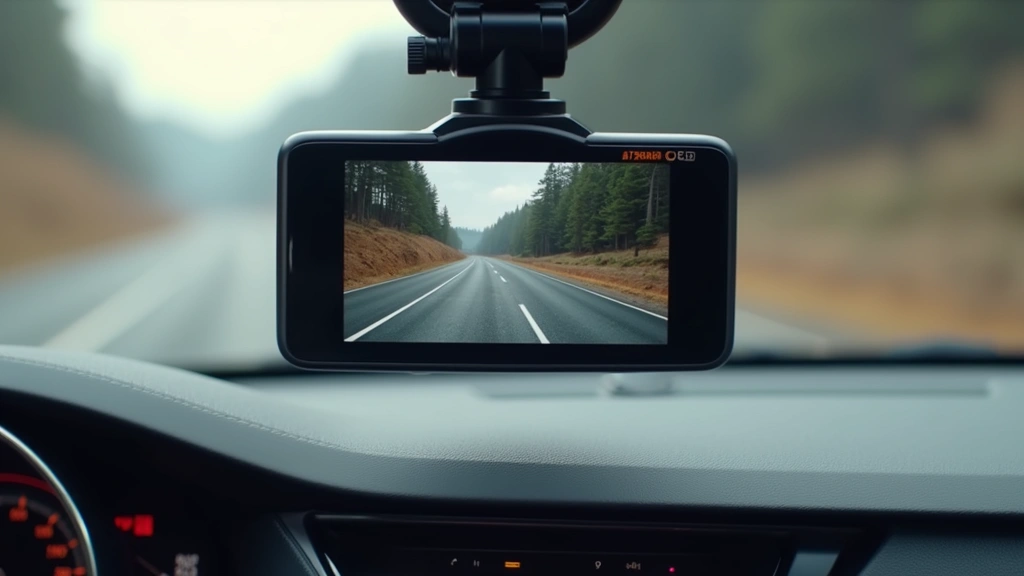
Dashcams have evolved from basic recording devices into sophisticated surveillance systems that provide crystal-clear footage, wide-angle coverage, and intelligent event detection. The modern dashcam market offers options ranging from budget-friendly single-channel units to premium dual-channel systems with 4K resolution and AI-powered safety features. When evaluating dashcams, resolution quality stands as a primary consideration—4K models capture significantly more detail than 1080p alternatives, proving invaluable during insurance claims or accident investigations.
Leading The Verge reviews consistently highlight the importance of wide-angle lens construction, typically ranging from 140 to 170 degrees. This expansive field of view ensures you capture not only frontal hazards but also side-angle threats and road conditions. Night vision capabilities have become increasingly sophisticated, with many premium models employing infrared LED technology and advanced image processing algorithms to maintain visibility in low-light conditions.
The integration of artificial intelligence applications in dashcams has introduced intelligent features like collision detection, lane departure warnings, and driver fatigue alerts. These systems analyze video feeds in real-time, automatically triggering emergency recording protocols and alerting drivers to potential safety hazards. Cloud connectivity allows users to access footage remotely, backup critical recordings, and manage multiple vehicle cameras from a centralized smartphone application.
Installation complexity varies significantly between models. Hardwired dashcams provide cleaner aesthetics and continuous recording capabilities, while 12V cigarette lighter connections offer easier installation for temporary setups. Consider power management carefully—extended parking mode recording requires reliable vehicle battery supplementation or capacitor-based power solutions to prevent vehicle battery depletion.
Smart GPS Navigation and Connected Devices
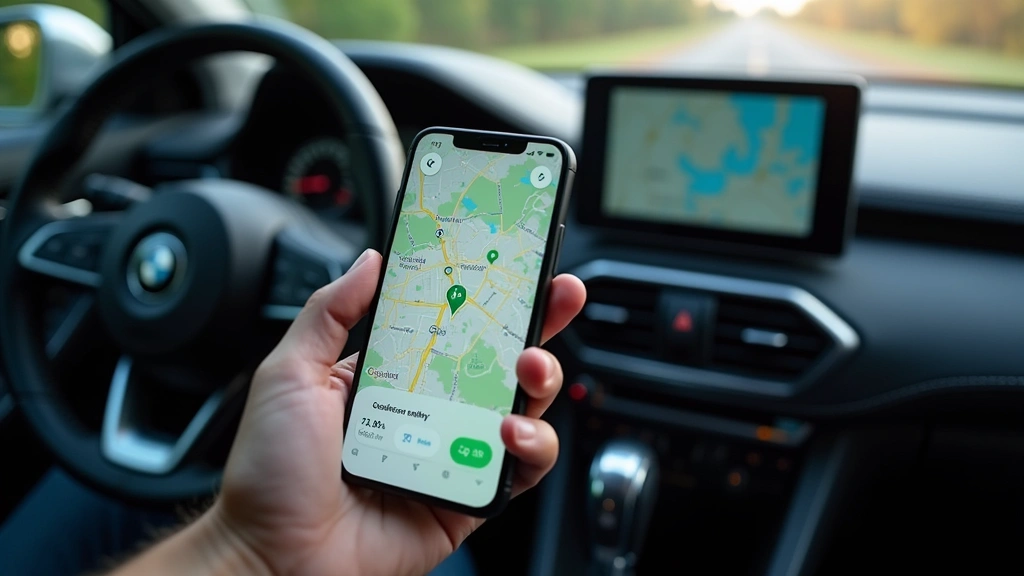
GPS navigation technology has transcended basic turn-by-turn directions, evolving into comprehensive connected systems that integrate real-time traffic data, predictive analytics, and voice-controlled interfaces. Aftermarket GPS units and smartphone-based navigation solutions now compete with factory-installed systems, offering flexibility and advanced features at various price points. CNET reviews emphasize the importance of real-time traffic integration, which can reduce travel times by 15-30% during peak hours through dynamic route optimization.
Modern navigation systems leverage crowdsourced data from millions of connected vehicles, providing accurate incident reporting and road condition updates. Voice recognition capabilities have improved dramatically, allowing drivers to input destinations, make phone calls, and control media playback without taking hands off the steering wheel. Multi-language support and customizable interface themes enhance accessibility for diverse user populations.
When considering navigation upgrades, evaluate compatibility with your vehicle’s existing infotainment system. Seamless integration with modern technology ecosystems ensures consistent user experience and eliminates the frustration of managing multiple disconnected systems. Android Auto and Apple CarPlay integration has become standard in quality aftermarket units, providing access to third-party navigation applications, music streaming services, and communication platforms.
Battery life considerations apply to portable GPS units, with quality models offering 8-12 hours of continuous operation. Touchscreen responsiveness and display brightness significantly impact usability during daylight driving, making these specifications worth careful evaluation. Water resistance ratings prove essential for devices exposed to moisture from window condensation or humidity in tropical climates.
Diagnostic and Performance Monitoring Tools
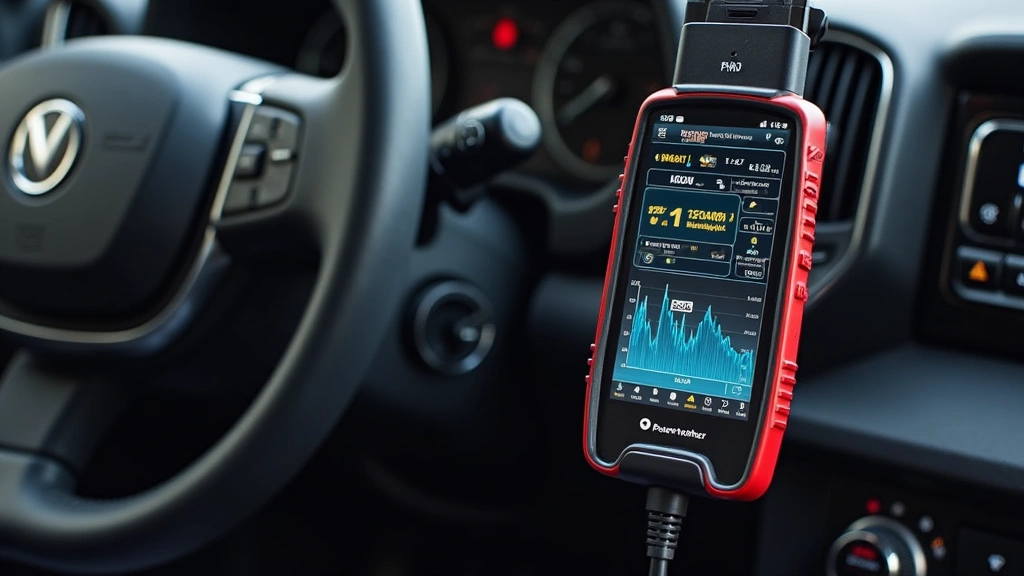
OBD2 (On-Board Diagnostic) scanners have revolutionized vehicle maintenance by providing owners direct access to engine diagnostic data previously available only through professional mechanics. These compact devices connect to your vehicle’s diagnostic port, reading error codes, monitoring real-time engine parameters, and helping identify potential mechanical issues before they become expensive problems. Technical upgrades and enhancements in diagnostic technology now allow real-time monitoring of multiple engine parameters simultaneously.
Premium OBD2 scanners offer wireless connectivity, allowing users to monitor vehicle health through smartphone applications while parked or driving. Real-time data streaming displays engine RPM, fuel consumption, temperature sensors, and oxygen sensor readings—information valuable for performance enthusiasts and cost-conscious drivers seeking to optimize fuel efficiency. Historical data logging enables trend analysis, helping identify developing problems through gradual parameter changes rather than sudden failures.
Performance monitoring tools specifically designed for cloud computing benefits integration enable predictive maintenance by analyzing usage patterns and component degradation trends. Some advanced systems provide GPS-coordinated data logging, creating maps of fuel consumption across different driving conditions and routes. This granular performance insight helps drivers adjust driving habits, identify mechanical inefficiencies, and plan maintenance interventions strategically.
Installation complexity remains minimal—most OBD2 scanners simply plug into the diagnostic port located beneath the steering wheel or dashboard. No technical expertise or professional installation is required. Compatibility is virtually universal across vehicles manufactured after 1996, though some luxury and performance vehicles may require manufacturer-specific adapters for complete functionality.
Vehicle Security and Safety Gadgets
Automotive security technology has expanded beyond traditional alarm systems into sophisticated monitoring and tracking solutions that provide real-time location data, unauthorized access alerts, and remote immobilization capabilities. GPS tracking devices allow vehicle owners to monitor vehicle location continuously, receive geofence alerts when vehicles leave designated areas, and track historical movement patterns. These systems prove invaluable for fleet management, vehicle recovery in theft situations, and monitoring teenage drivers’ safety and location.
Dash cam integration with security systems creates comprehensive vehicle protection ecosystems. When motion is detected during parking, security-focused systems trigger recording, capture images, and send real-time alerts to vehicle owners. Some advanced units automatically contact emergency services and provide location coordinates when severe collisions are detected, potentially saving critical minutes in emergency response scenarios.
Smart door locks and keyless entry systems have become increasingly sophisticated, offering biometric authentication, temporary access codes for service providers, and remote locking/unlocking from anywhere with internet connectivity. These systems integrate with vehicle security networks, providing detailed access logs and alerting owners to unauthorized entry attempts. Battery backup systems ensure functionality even during power interruptions, and mechanical override options provide emergency access when electronic systems fail.
Tire pressure monitoring systems (TPMS) represent essential safety technology, continuously monitoring individual tire pressure and alerting drivers to under-inflation conditions that increase accident risk and reduce fuel efficiency. Advanced systems provide historical pressure trends, temperature compensation, and predictive alerts for gradual pressure loss indicating potential punctures or valve stem failures.
Wireless Charging and Power Solutions
Vehicle power management has evolved significantly with the introduction of wireless charging pads, multi-port USB hubs, and sophisticated power distribution systems designed specifically for automotive environments. Qi-compatible wireless charging pads eliminate cable clutter while providing convenient smartphone charging during daily commutes. Quality automotive wireless chargers incorporate thermal management systems to prevent phone overheating during extended charging sessions, particularly important in hot climates where interior temperatures exceed 150°F.
Multi-port power solutions now offer rapid charging capabilities through advanced power delivery standards, with individual ports supporting 30W+ output for tablets and laptops alongside standard smartphone charging. USB-C adoption has streamlined connectivity, reducing the need for multiple proprietary cables and ensuring compatibility with contemporary devices. Cigarette lighter adapters with multiple ports allow simultaneous charging of numerous devices without requiring dashboard space or complex installation procedures.
Battery backup systems integrated into vehicles provide emergency power for smartphones, tablets, and laptops during extended trips or emergency situations. Capacitor-based solutions offer superior longevity compared to traditional batteries, with minimal maintenance requirements and reliability spanning vehicle ownership periods. Solar panel integration in some premium systems provides trickle charging during daytime parking, maintaining battery charge levels without draining vehicle electrical systems.
Integration with Smartphone Technology
Seamless smartphone integration has become fundamental to modern automotive technology, with vehicles functioning as mobile extensions of digital life. Messaging integration allows drivers to receive text notifications through vehicle audio systems with voice-to-text response capabilities, eliminating the need to handle phones while driving. Music streaming service integration provides access to millions of songs through familiar applications while maintaining steering wheel control and voice command functionality.
Technology innovations in vehicle-smartphone connectivity continue advancing, with new protocols enabling bidirectional communication between vehicles and smart home systems. Arriving home, your vehicle can trigger garage door opening, activate exterior lighting, and adjust climate control—all without manual intervention. This ecosystem approach transforms vehicles from isolated transportation machines into integrated components of comprehensive smart living environments.
Remote vehicle management through smartphone applications enables engine start, climate control adjustment, and door locking from anywhere with internet connectivity. Geofencing capabilities trigger automatic actions when vehicles enter or exit designated areas—starting the engine before arrival during winter months, or activating security systems when vehicles leave home. Maintenance reminders synchronized with service intervals ensure timely component replacement and optimal vehicle performance.
Privacy and security remain critical considerations when integrating personal smartphones with vehicle systems. Quality automotive technology providers implement end-to-end encryption, multi-factor authentication, and regular security updates to protect sensitive location data and vehicle control functions from unauthorized access. Understanding these security measures ensures peace of mind when delegating vehicle control to connected systems.
The Tech Pulse Hunter Blog provides ongoing coverage of emerging automotive technology trends, helping enthusiasts stay informed about new gadgets and innovations entering the marketplace. Reviewing comprehensive technology comparisons and expert evaluations ensures you make informed decisions when selecting automotive upgrades aligned with your specific needs and budget constraints.
Emerging Automotive Technology Trends
The automotive technology landscape continues evolving rapidly, with emerging technologies promising to reshape vehicle ownership and operation fundamentally. Augmented reality head-up displays project navigation directions, hazard warnings, and vehicle status information directly onto windshields, eliminating the need to glance away from the road. These systems integrate with vehicle cameras and sensors to overlay real-time information on actual road conditions, providing unprecedented situational awareness.
Vehicle-to-vehicle (V2V) communication systems enable direct data exchange between nearby vehicles, sharing information about road conditions, hazards, and traffic patterns. This technology foundation supports autonomous driving development while immediately improving safety through real-time hazard alerts that extend beyond driver line-of-sight. Infrastructure communication systems allow vehicles to receive information from traffic management systems, emergency vehicles, and road condition monitoring networks.
Battery technology advancement directly impacts automotive accessories, with solid-state batteries promising higher energy density and faster charging times. These improvements cascade through the automotive gadget ecosystem, enabling more sophisticated power-hungry features while reducing charging times for battery-dependent devices. Solar integration in vehicle surfaces continues improving, with transparent solar panels on windows and lightweight solar panels integrated into roof panels providing supplementary charging for batteries and vehicle electrical systems.
Artificial intelligence integration in vehicle systems extends beyond collision detection and driver monitoring into comprehensive vehicle health prediction. Machine learning algorithms analyze thousands of data points, identifying developing mechanical issues weeks or months before failure occurs. Predictive maintenance scheduling based on AI analysis reduces unexpected breakdowns and optimizes service intervals based on individual driving patterns rather than manufacturer recommendations.
FAQ
What is the best dashcam for everyday driving?
The optimal dashcam depends on your specific priorities and budget. For most drivers, 4K resolution models with 160+ degree field of view, night vision capabilities, and cloud connectivity provide excellent value. Consider your vehicle’s power system capabilities and desired recording modes—continuous recording, parking mode, and emergency recording features each have distinct power requirements and functionality benefits.
How do OBD2 scanners improve vehicle maintenance?
OBD2 scanners provide early warning of developing mechanical issues by reading diagnostic codes before symptoms become apparent to drivers. Real-time monitoring of engine parameters enables fuel efficiency optimization and identifies performance anomalies suggesting component wear or malfunction. Historical data analysis reveals maintenance trends, allowing strategic intervention before failures occur.
Are wireless car chargers safe for smartphones?
Quality automotive wireless chargers incorporate thermal management systems preventing overheating. Modern chargers automatically adjust charging power based on temperature, ensuring safe operation even in hot vehicles. Qi-certified chargers meet stringent safety standards, making them equally safe as traditional wired charging when properly installed and maintained.
Can I install automotive gadgets myself?
Most automotive gadgets require minimal technical expertise. Dashcams, OBD2 scanners, and wireless chargers typically plug into existing ports or mount with adhesive without requiring vehicle modifications. More complex installations like hardwired dashcams or integrated navigation systems may benefit from professional installation to ensure proper power management and aesthetic integration.
What security features should I prioritize in automotive gadgets?
Prioritize end-to-end encryption for cloud-connected devices, multi-factor authentication for remote access features, and regular security update availability. Ensure devices have local recording backups independent of cloud connectivity, protecting critical footage if internet connections fail. Review manufacturer privacy policies to understand data collection and retention practices.
How much should I budget for automotive technology upgrades?
Budget ranges vary dramatically based on desired features. Basic dashcams start around $100-200, while premium 4K systems with dual channels exceed $500. GPS navigation upgrades range from $200 for portable units to $1,500+ for integrated systems. Security systems and diagnostic tools typically cost $150-400. Prioritize upgrades addressing your most pressing needs rather than attempting comprehensive system overhauls simultaneously.