
Top Auto Tech Gadgets: Expert Insights for Modern Drivers
The automotive technology landscape has undergone a revolutionary transformation over the past decade. Modern vehicles are no longer just transportation—they’re sophisticated computing platforms equipped with cutting-edge sensors, artificial intelligence systems, and connectivity features that rival consumer electronics. Whether you’re a tech enthusiast, a professional seeking auto tech jobs near me, or simply a driver wanting to understand the latest innovations, this comprehensive guide explores the most impactful automotive technology gadgets reshaping how we drive.
From advanced driver assistance systems to in-vehicle infotainment platforms, automotive technology has become increasingly complex and consumer-focused. The convergence of artificial intelligence applications transforming industries with automotive engineering has created unprecedented opportunities for professionals and enthusiasts alike. This article breaks down the essential auto tech gadgets every modern driver should understand.

Advanced Driver Assistance Systems (ADAS)
Advanced Driver Assistance Systems represent one of the most significant technological leaps in automotive safety. These integrated platforms combine multiple sensors—including radar, LiDAR, and high-resolution cameras—to provide real-time vehicle and road monitoring. Modern ADAS implementations from manufacturers like Tesla, BMW, and Mercedes-Benz utilize machine learning algorithms to predict potential hazards and intervene automatically when necessary.
The core components of contemporary ADAS include adaptive cruise control, lane-keeping assistance, automatic emergency braking, and collision avoidance systems. These features operate through sophisticated sensor fusion technology that processes data from multiple sources simultaneously. According to CNET’s automotive technology reviews, modern ADAS systems can detect pedestrians, cyclists, and vehicles at distances exceeding 200 meters, enabling predictive braking interventions well before human reaction times would allow.
For professionals exploring auto tech career opportunities, ADAS development represents a rapidly expanding field. Engineers specializing in sensor calibration, software validation, and safety-critical systems are in high demand across the automotive sector. The complexity of these systems requires deep expertise in embedded systems, computer vision, and real-time processing architectures.
The integration of ADAS with vehicle-to-everything (V2X) communication creates what industry experts call “cooperative driving.” This technology enables vehicles to communicate with infrastructure, other vehicles, and traffic management systems, creating a networked transportation ecosystem. The Verge’s technology coverage frequently highlights how these interconnected systems are reshaping urban mobility and autonomous vehicle development.
Infotainment and Connectivity Solutions
Modern automotive infotainment systems have evolved from simple radio receivers to fully-integrated computing platforms rivaling smartphones in processing power and capability. Contemporary systems feature high-resolution touchscreens (often 12-15 inches), voice recognition, wireless smartphone integration, and cloud connectivity. Manufacturers like Apple CarPlay and Android Automotive provide seamless integration with mobile ecosystems, allowing drivers to access navigation, messaging, and entertainment without removing their attention from the road.
The latest generation of infotainment platforms incorporates natural language processing and contextual awareness. These systems understand conversational queries, learn driver preferences, and adapt interface layouts based on usage patterns. Integration with smart home systems allows drivers to control home automation from their vehicles, creating what industry analysts call the “connected lifestyle ecosystem.”
Wireless software updates (OTA updates) have become standard across premium and increasingly mainstream vehicles. This technology enables manufacturers to improve vehicle functionality, add new features, and address security vulnerabilities without requiring dealership visits. The sophistication of OTA implementation varies significantly—some systems update individual modules while others perform complete vehicle software refreshes.
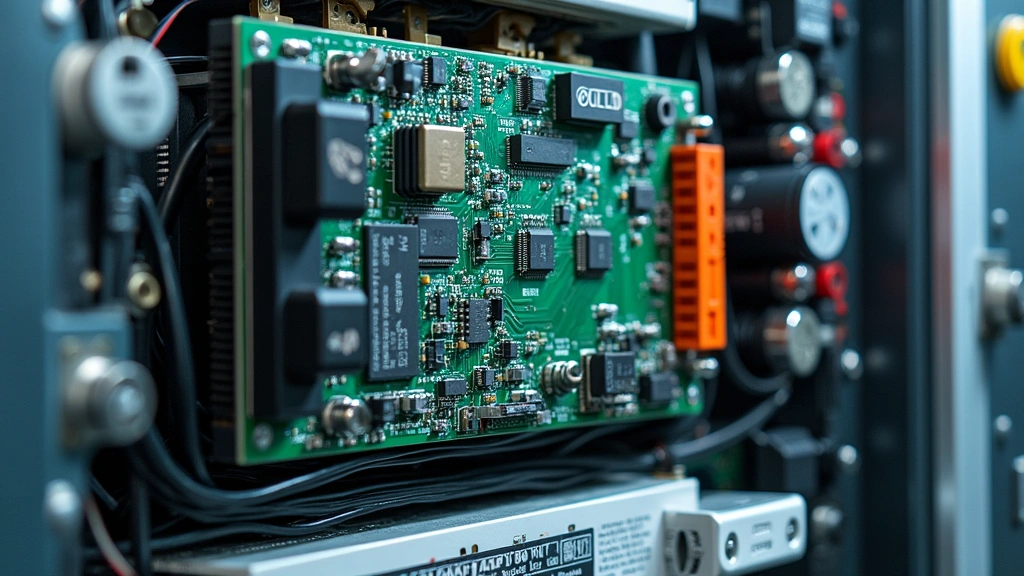
Battery management in these systems is critical, as modern infotainment platforms consume substantial electrical power. The integration of these systems with vehicle electrical architecture requires careful power management, thermal optimization, and redundancy protocols. Understanding this intersection of automotive electronics and consumer technology is essential for anyone pursuing technology careers in automotive sectors.
Battery Management and EV Technology
Electric vehicle technology has transformed automotive engineering fundamentally. Modern EV battery management systems are among the most sophisticated electronic systems in vehicles, constantly monitoring thousands of individual cells, managing thermal conditions, and optimizing charge distribution. Contemporary lithium-ion battery packs in vehicles like the Tesla Model 3 and Lucid Air contain 4,000-8,000 individual cells connected in complex series-parallel configurations.
Battery management units (BMUs) employ advanced algorithms to maximize lifespan, prevent thermal runaway, and ensure safe operation across varying environmental conditions. These systems monitor individual cell voltages, temperatures, and degradation patterns, using machine learning to predict remaining useful life and optimal charging strategies. The complexity of these systems creates substantial demand for electrical engineers and software developers specializing in energy management.
Thermal management represents a critical challenge in EV technology. High-performance battery systems generate significant heat during charging and discharging cycles. Modern EVs employ sophisticated liquid cooling systems, phase-change materials, and intelligent thermal distribution networks to maintain optimal operating temperatures. This technology is directly related to broader technology innovations in renewable energy and sustainable systems.
Regenerative braking systems capture kinetic energy during deceleration, converting it back to electrical energy stored in batteries. This technology significantly extends driving range—some vehicles recover 20-30% of energy through regenerative braking in city driving conditions. The control algorithms balancing mechanical and regenerative braking require sophisticated real-time processing and vehicle dynamics modeling.
Telematics and Predictive Diagnostics
Modern vehicles generate enormous quantities of operational data—thousands of data points per second from sensors monitoring engine performance, transmission behavior, suspension dynamics, and electrical systems. Telematics platforms collect, analyze, and transmit this data to cloud services where advanced analytics identify patterns indicating maintenance needs or potential failures.
Predictive diagnostics use historical data and machine learning algorithms to forecast component failures before they occur. For example, brake wear prediction systems analyze braking patterns and friction characteristics to alert drivers when brake service will be needed—potentially weeks before failure would occur. Similarly, battery health monitoring systems predict degradation trajectories and recommend optimal charging practices to extend lifespan.
Fleet management applications of these technologies have transformed commercial transportation. Companies operating delivery vehicles, taxis, and logistics fleets use telematics data to optimize routes, reduce fuel consumption, and schedule maintenance proactively. This data-driven approach improves operational efficiency by 15-25% according to recent technology industry analyses.
The cybersecurity implications of vehicle telematics are substantial. Connected vehicles transmit sensitive data across cellular networks and cloud platforms, creating potential vulnerabilities. Automotive cybersecurity has become a critical specialization, with manufacturers implementing multi-layer encryption, secure boot protocols, and intrusion detection systems. This specialized field offers excellent opportunities for security-focused professionals in automotive technology positions.
Head-Up Displays and AR Navigation
Head-up display (HUD) technology projects critical driving information directly onto the windshield, eliminating the need for drivers to look away from the road. Contemporary HUD systems display speed, navigation directions, traffic alerts, and ADAS status information. Advanced implementations utilize augmented reality (AR) to overlay navigation arrows directly onto real-world road views, essentially drawing the intended path on the windshield.
AR navigation represents a significant advancement over traditional GPS systems. Instead of abstract map representations, AR systems show drivers exactly where to turn by overlaying directional cues on actual road imagery. Some systems highlight lane positions, show upcoming traffic signals, and indicate pedestrian locations—all integrated into the driver’s natural field of view. This technology reduces cognitive load and reaction times significantly.
The technical implementation of HUD systems requires precise optical engineering, high-brightness LED or laser light sources, and sophisticated image processing. The displays must operate effectively across varying ambient light conditions—from bright sunlight to darkness—while maintaining driver comfort and safety. Thermal management is critical, as these systems operate in harsh automotive environments with extreme temperature variations.
Integration with vehicle sensor data creates comprehensive situational awareness. HUD systems can display information from ADAS sensors about detected obstacles, road conditions, and traffic patterns. Some premium implementations incorporate eye-tracking technology, allowing systems to adjust information display based on driver gaze direction and attention level.
Advanced Security and Anti-Theft Systems
Vehicle security has evolved dramatically beyond traditional locks and alarms. Modern automotive security systems employ multiple layers of protection including biometric authentication, encrypted key fobs with rolling code encryption, and cloud-connected tracking systems. Premium vehicles from manufacturers like Porsche and Range Rover now feature facial recognition and fingerprint scanning for driver authentication.
Keyless entry systems utilize sophisticated encryption protocols to prevent relay attacks—techniques where thieves intercept wireless signals to unlock vehicles remotely. Contemporary systems employ challenge-response protocols, geofencing, and time-based authentication to prevent unauthorized access. The encryption algorithms used in automotive security rival those protecting financial transactions and government communications.
GPS tracking and anti-theft systems provide real-time vehicle location monitoring and can remotely disable vehicle systems if theft is detected. Some systems integrate with law enforcement agencies, enabling rapid vehicle recovery. The data transmitted by these systems is encrypted and authenticated to prevent spoofing or interception by malicious actors.
Vehicle immobilizer systems prevent engine starting without proper authentication. Modern immobilizers use rolling code encryption where the required code changes after each use, making cloning and replay attacks virtually impossible. These systems represent critical security infrastructure that professional automotive technicians must understand thoroughly. For those considering technology career development and specialized skills, automotive security offers rewarding opportunities combining hardware and software expertise.
Software-defined security represents the emerging frontier in automotive protection. Vehicles receiving regular security updates through OTA mechanisms can address newly discovered vulnerabilities and threats. This approach mirrors smartphone security practices but requires automotive-specific implementation due to safety-critical systems that cannot be interrupted during operation.
Career Opportunities in Automotive Technology
The explosive growth in automotive technology has created unprecedented career opportunities. Engineers specializing in embedded systems, machine learning, cybersecurity, and electrical engineering are in high demand across all major automotive manufacturers and technology companies entering the automotive sector. Tesla, Waymo, and traditional manufacturers like Ford and Volkswagen are actively recruiting talent for autonomous vehicle development, battery engineering, and software architecture roles.
For those seeking auto tech jobs near me, opportunities exist at multiple levels. Entry-level positions in automotive electrical systems, diagnostics, and software testing provide pathways into the industry. Mid-level roles focus on specific technology domains—ADAS development, battery management systems, or infotainment platforms. Senior positions involve architectural decisions, team leadership, and strategic technology direction.
Professional certifications have become increasingly valuable in automotive technology careers. Certifications in automotive electronics, hybrid/electric vehicle systems, and specific manufacturer diagnostic systems (like BMW’s iDrive or Mercedes’ MBUX) differentiate candidates in competitive job markets. Consider exploring technology education and skill development resources to build foundational knowledge in relevant areas.
The transition to electric and autonomous vehicles is creating entirely new job categories. Battery engineers, autonomous systems architects, and vehicle software platform developers represent emerging specializations. Companies are investing billions in these areas, creating sustained demand for skilled professionals over the coming decades.
Emerging Trends and Future Technologies
The automotive technology landscape continues evolving rapidly. Autonomous vehicle development represents the most transformative trend, with companies like Waymo and Cruise deploying fully autonomous taxi services in multiple cities. These systems integrate all previously discussed technologies—ADAS, sensor fusion, cloud connectivity, and advanced AI algorithms—into unified autonomous driving platforms.
Vehicle-to-everything (V2X) communication represents another critical trend. As vehicles become connected network nodes, they can communicate with infrastructure, other vehicles, and cloud services. This creates possibilities for cooperative driving, optimized traffic flow, and emergency communication systems. Industry analysis from automotive technology experts suggests V2X adoption will accelerate significantly over the next five years.
Solid-state battery technology promises to revolutionize electric vehicles. These batteries replace liquid electrolytes with solid materials, offering higher energy density, faster charging, and improved safety. Companies like Toyota and Samsung are investing heavily in solid-state technology, with commercial availability expected within the next 3-5 years. This technology will substantially impact automotive engineering and create new specialization opportunities.
Artificial intelligence integration continues deepening across all automotive systems. Beyond autonomous driving, AI optimizes fuel efficiency, predicts maintenance needs, personalizes driving experiences, and enhances safety systems. The future of artificial intelligence in automotive applications involves increasingly sophisticated machine learning models deployed directly in vehicles, processing sensor data in real-time.
FAQ
What are the most important auto tech gadgets for safety?
Advanced Driver Assistance Systems (ADAS) including adaptive cruise control, automatic emergency braking, and lane-keeping assistance represent the most critical safety technologies. These systems actively prevent accidents by detecting hazards and intervening before collisions occur. Modern ADAS implementations utilize multiple sensors and machine learning algorithms to achieve reliability levels exceeding human drivers in specific scenarios.
How do modern vehicle infotainment systems compare to smartphones?
Contemporary automotive infotainment platforms rival smartphones in processing power but are optimized for automotive-specific use cases. They prioritize safety through voice control and simplified interfaces that minimize driver distraction. Integration with Apple CarPlay and Android Automotive provides smartphone functionality while maintaining automotive-focused safety protocols.
What skills are most valuable for automotive technology careers?
Embedded systems programming, machine learning, electrical engineering, and automotive-specific software development represent the most valuable skills. Additionally, understanding vehicle dynamics, CAN bus protocols, and automotive safety standards (ISO 26262) differentiates qualified candidates. Professional certifications in specific manufacturer systems enhance career prospects significantly.
How do battery management systems extend EV lifespan?
Battery management units continuously monitor individual cell health, optimize charging strategies, and manage thermal conditions. By preventing overcharging, excessive discharge, and thermal stress, these systems can extend battery lifespan to 10-15 years or 1,000,000+ miles. Sophisticated algorithms learn usage patterns and adjust management strategies accordingly.
What is the difference between OTA updates and traditional vehicle maintenance?
Over-the-air (OTA) updates deliver software improvements directly to vehicles without dealership visits. This enables manufacturers to add features, improve performance, and address security vulnerabilities remotely. Traditional maintenance addresses mechanical and electrical issues requiring physical inspection and component replacement—OTA updates complement but don’t replace traditional service.
How secure are connected vehicle systems?
Modern vehicle security employs multiple protection layers including encrypted communications, secure boot protocols, and intrusion detection systems. However, no system is completely immune to sophisticated attacks. Manufacturers continuously update security measures through OTA updates, and the automotive industry increasingly follows cybersecurity best practices from consumer electronics and financial sectors.


