Top Auto Tech Gadgets? Expert Picks Inside
The automotive technology landscape has undergone a seismic transformation over the past five years. What once seemed like luxury features reserved for premium vehicles are now accessible to everyday drivers through aftermarket solutions and integrated systems. Whether you’re looking to enhance safety, improve diagnostics, or simply make your daily commute more connected, the right auto tech gadgets can elevate your driving experience substantially. Our expert team has evaluated dozens of products across multiple categories to bring you the most practical, reliable, and innovative options available today.
Modern vehicles generate unprecedented amounts of data, and smart gadgets now allow drivers to tap into this information stream like never before. From OBD-II scanners that rival dealership diagnostic equipment to dash cams with AI-powered accident detection, the market offers solutions for virtually every automotive need. If you’re considering a career in this booming sector, check out our guide on auto tech jobs to explore exciting opportunities. Let’s dive into our comprehensive breakdown of the best automotive technology gadgets that deserve a place in your vehicle.
Advanced OBD-II Diagnostic Scanners
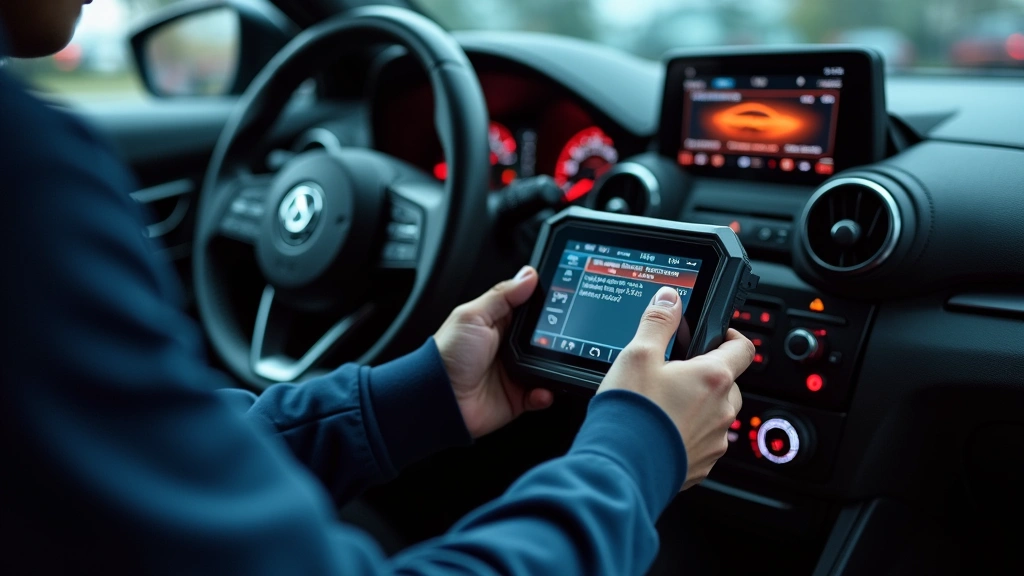
Perhaps the most valuable gadget any car owner can invest in is a quality OBD-II diagnostic scanner. These devices connect to your vehicle’s onboard diagnostic port and provide real-time access to engine data, fault codes, and performance metrics. Unlike generic code readers, professional-grade scanners offer live data streaming, custom programming, and the ability to clear diagnostic trouble codes without visiting an auto tech service center.
The CNET automotive technology reviews consistently highlight devices like the Autel MaxiCOM MK906 as industry leaders. This scanner supports over 80 vehicle makes and models, featuring a 7-inch touchscreen display, advanced coding capabilities, and cloud-based software updates. For budget-conscious consumers, the BlueDriver Bluetooth scanner offers impressive functionality at a fraction of the cost, wirelessly connecting to your smartphone for diagnostics on the go.
What makes modern OBD-II scanners particularly impressive is their ability to perform advanced functions previously exclusive to dealership equipment. Real-time graphing allows you to visualize sensor data while driving, helping identify intermittent issues that traditional code readers would miss. Many premium models now include artificial intelligence applications that predict potential failures before they occur, essentially giving your vehicle predictive health monitoring.
The integration of these devices with auto tech service center workflows has revolutionized how technicians approach diagnostics. Mechanics can now access comprehensive vehicle history, cross-reference symptoms with thousands of documented cases, and streamline repair procedures. Professional techs benefit from expanded repair databases containing manufacturer specifications and torque values for virtually every fastener.
Dash Cameras and Safety Systems
Dash cameras have evolved from novelty items into essential safety devices that serve as your vehicle’s impartial witness. Modern dash cams employ 4K resolution, wide-angle lenses capturing up to 180 degrees, and sophisticated stabilization technology that eliminates vibration blur. The best units feature dual-channel recording, simultaneously capturing front and rear footage to document incidents comprehensively.
The Viofo A119 Mini stands out for its exceptional video clarity, compact form factor, and reliable performance across temperature extremes. This camera captures stunning detail even in low-light conditions thanks to its advanced sensor and f/1.6 aperture. For those prioritizing comprehensive vehicle coverage, the 70mai Omni offers 360-degree recording with modular cameras positioned around your vehicle’s perimeter, creating a complete digital envelope of protection.
Beyond accident documentation, modern dash cams incorporate AI-powered features that rival expensive aftermarket safety systems. Collision detection automatically saves footage and notifies emergency contacts when impact is detected. Lane departure warnings alert drivers when they drift between lane markings without signaling, while forward collision warnings provide precious seconds of advance notice when vehicles ahead brake suddenly. These features essentially bring advanced driver assistance systems to older vehicles that lack factory implementation.
Integration with your smartphone ecosystem enables seamless footage backup and remote monitoring. Cloud storage ensures that critical footage isn’t lost if your SD card fails or your device is stolen. Many premium models now include GPS data overlay showing speed, location, and heading information—invaluable for insurance claims and legal disputes. The Verge’s automotive gadget roundups emphasize how dash cams have become non-negotiable for serious drivers.

Smart GPS and Navigation Devices
While smartphone navigation has matured considerably, dedicated automotive GPS units still offer advantages in reliability, offline functionality, and integration with vehicle systems. Modern navigation devices provide real-time traffic data, weather overlays, and predictive routing that learns your preferences over time. Unlike phone-based navigation that drains battery and requires cellular connectivity, dedicated units offer independence and superior mount stability.
The Garmin DriveSmart 76 represents the pinnacle of consumer automotive navigation, offering voice-activated control, real-time parking availability, and integration with popular restaurant and fuel reservation systems. Live traffic updates route you around congestion automatically, while built-in dashcam functionality adds another layer of protection. The device learns your driving patterns and suggests optimized routes based on historical traffic data and your preferences.
For commercial applications and fleet management, our TechPulseHunter Blog explores specialized GPS systems that provide real-time vehicle tracking, geofencing alerts, and driver behavior monitoring. These systems integrate with maintenance scheduling, automatically flagging vehicles due for service based on mileage or time intervals. Some advanced units even monitor harsh acceleration, excessive braking, and cornering speeds to identify risky driving patterns and provide coaching feedback.
Navigation devices have also become central hubs for vehicle connectivity. Many newer units integrate with wireless calling systems, allowing hands-free communication without touching your phone. Voice command functionality lets you control climate settings, adjust audio volume, and access vehicle information without taking your eyes off the road. This integration represents a significant safety improvement over traditional infotainment systems.
Tire Pressure and Temperature Monitoring
Proper tire maintenance ranks among the most critical yet overlooked aspects of vehicle ownership. Underinflated tires increase rolling resistance, reducing fuel economy by up to 3 percent while generating dangerous heat that accelerates tread wear. Tire pressure monitoring systems that provide real-time alerts help maintain optimal inflation and identify slow leaks before they become emergencies.
The Vego Tire Pressure Monitoring System offers wireless sensors for all four wheels, displaying pressure and temperature data on a convenient solar-powered display unit. Installation requires no special tools—sensors screw onto valve stems in minutes. The system alerts you when pressure drops below your customized threshold, helping identify leaks or gradual pressure loss from seasonal temperature changes. Premium versions include individual wheel displays and smartphone app integration for remote monitoring.
For serious enthusiasts managing multiple vehicles or towing trailers, the Carista OBD-II scanner integrates tire monitoring with comprehensive vehicle diagnostics. This device accesses your vehicle’s built-in tire pressure sensors if equipped, displaying real-time data alongside engine performance metrics. Temperature monitoring proves particularly valuable during track days or aggressive driving where tire heat can affect performance and safety.
Professional tire shops increasingly employ these monitoring systems as part of comprehensive maintenance programs. By tracking tire health data over time, technicians can identify alignment issues, suspension problems, and load imbalances that manifest as uneven wear patterns. This proactive approach prevents catastrophic failures and extends tire life significantly—a win for both consumer wallets and environmental sustainability.
In-Car Air Quality and Climate Control
Vehicle cabins can accumulate harmful pollutants at concentrations 2-5 times higher than outdoor air, according to environmental research organizations. Advanced air filtration systems and air quality monitors help maintain healthy cabin environments, particularly important for those spending hours daily commuting.
The Levoit Core Air Purifier, specifically designed for automotive use, employs HEPA filtration to capture particulate matter, allergens, and odors. Its compact form factor fits conveniently in cup holders or door pockets, while USB-C charging enables operation during long drives. For passengers with respiratory sensitivities or allergies, maintaining clean cabin air provides measurable health benefits and improved comfort.
Smart climate control systems have evolved beyond basic temperature adjustment. Modern systems employ occupancy sensors to optimize heating and cooling, reducing energy consumption while maintaining comfort. Some premium aftermarket units integrate with smartphone apps, allowing drivers to pre-condition their vehicles before entering—warming the cabin on cold mornings or cooling it down before returning from shopping trips.
These systems often include humidity monitoring, preventing windshield fogging and maintaining optimal moisture levels for passenger comfort. Integration with vehicle diagnostics provides alerts when cabin air filters require replacement, ensuring peak performance of your vehicle’s filtration systems. For those exploring how technology enhances modern living, our article on technology in smart homes explores similar climate optimization principles.
Portable Jump Starters and Power Solutions
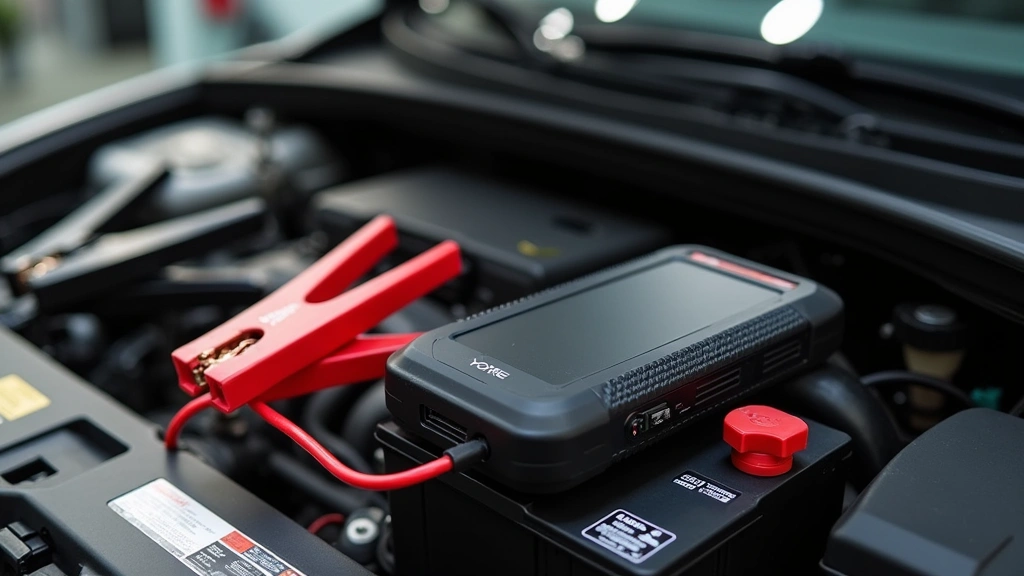
Dead batteries remain one of the most common roadside emergencies, and portable jump starters have evolved into sophisticated multi-function power solutions. Modern units pack lithium-ion battery capacity equivalent to 1000+ amps of starting power into packages weighing under five pounds, small enough to store in a glove compartment.
The NOCO Genius Boost Plus represents the gold standard in portable starting technology. This device safely charges laptop batteries, tablets, smartphones, and other USB devices while maintaining sufficient capacity to jump-start vehicles multiple times on a single charge. Advanced safety features include temperature monitoring, reverse polarity protection, and smart clamp technology that prevents sparks and dangerous arcing.
Beyond emergency starting, these devices function as mobile power banks, essential for maintaining connectivity during breakdowns or extended travel. Built-in LED flashlights with strobe functionality assist with roadside repairs or emergency signaling. Premium models include air compressors for tire inflation, enabling drivers to add air without locating gas stations or service facilities.
Integration with smartphone apps provides battery status monitoring, locating nearby service facilities, and contacting roadside assistance directly. Some advanced units even monitor vehicle battery health, providing early warnings when your primary battery shows signs of degradation. This proactive approach prevents unexpected failures and extends battery lifespan through optimized charging management.
Wireless Charging and Connectivity Hubs
Smartphone integration has become non-negotiable for modern drivers, yet charging options remain inconsistent across vehicle models. Wireless charging solutions provide convenient power without cluttering your cabin with cables, while maintaining accessibility for navigation and communication.
The Anker PowerWave Car Mount combines wireless charging with magnetic mounting, securing phones while delivering 10W charging power. The minimalist design integrates seamlessly with most vehicle interiors, and compatibility spans virtually all modern smartphones. Ventilation mount options position the charger directly in your airflow, providing passive cooling during charging cycles.
For comprehensive connectivity, aftermarket infotainment hubs integrate smartphone mirroring, wireless audio streaming, and hands-free communication into unified interfaces. These systems often include built-in WiFi hotspots, allowing passengers to maintain internet connectivity even in areas with spotty cellular coverage. Integration with voice assistants enables control of music, navigation, and climate systems through natural language commands.
Advanced connectivity hubs function as mobile offices, supporting video conferencing during brief stops and providing secure access to cloud storage systems. For those interested in how technology transforms various environments, our guide on how to upgrade laptop memory explores similar performance optimization principles applicable to mobile computing devices.
Professional installers at quality auto tech service centers can integrate these systems seamlessly, ensuring proper power management and preventing interference with vehicle electronics. Professional installation guarantees warranty compliance and optimal performance, essential for systems controlling critical vehicle functions.
FAQ
What’s the most essential auto tech gadget for every driver?
An OBD-II diagnostic scanner provides the most practical value for typical drivers. These devices enable self-diagnosis of vehicle issues, potentially saving hundreds in diagnostic fees while providing peace of mind regarding vehicle health. Combined with a quality dash camera, these two gadgets address the majority of common automotive concerns.
Do dash cameras really help with insurance claims?
Absolutely. Dash camera footage provides irrefutable documentation of accident circumstances, significantly strengthening insurance claims. Many insurers now offer premium discounts for drivers using dash cameras, recognizing their role in reducing fraudulent claims and establishing fault definitively.
Are aftermarket navigation systems still relevant with smartphone maps available?
Yes, dedicated navigation systems offer advantages in reliability, offline functionality, and integration with vehicle systems. They don’t drain smartphone batteries, provide superior mounting stability, and many include integrated dashcams and safety features unavailable on phones.
How do tire pressure monitoring systems improve safety?
Proper tire pressure maintains vehicle handling, reduces stopping distances, and prevents tire failures. Real-time monitoring systems alert you to pressure loss immediately, catching slow leaks before they become dangerous. This proactive maintenance prevents blowouts and maintains optimal braking performance.
Can portable jump starters actually start modern vehicles?
Yes, modern lithium-ion jump starters deliver sufficient amperage to start most vehicles, including trucks and SUVs. However, capacity varies significantly between models. Quality units like the NOCO Genius Boost Plus successfully start vehicles hundreds of times on a single charge, making them reliable emergency tools.
What’s the installation complexity for aftermarket auto tech gadgets?
Most consumer gadgets require minimal installation—mounting brackets, USB cables, and OBD-II connections typically take 15-30 minutes. Complex integrations like infotainment systems benefit from professional installation at quality auto tech service centers to ensure proper wiring and warranty compliance.


