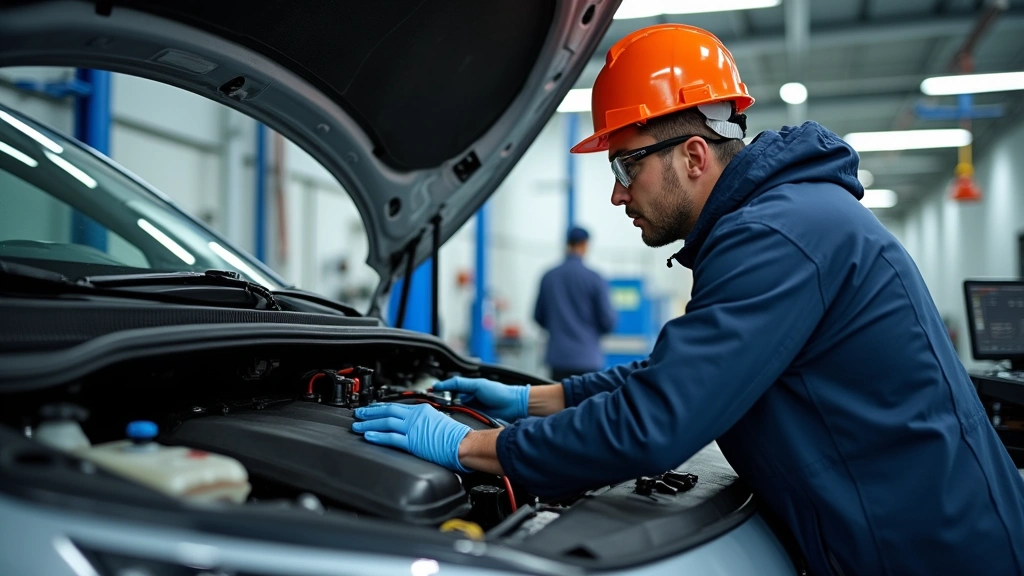
The automotive industry is undergoing a technological revolution, with electric vehicles, autonomous driving systems, and advanced infotainment platforms reshaping how cars are engineered and manufactured. This transformation has created unprecedented demand for skilled professionals who understand both traditional automotive mechanics and cutting-edge technology. Choosing the right automotive tech school can be the difference between landing a lucrative career in this booming field and missing out on life-changing opportunities.
Whether you’re interested in electric vehicle systems, autonomous driving technology, or software development for automotive applications, the educational landscape offers diverse pathways to success. Top automotive tech schools combine hands-on training with theoretical knowledge, industry partnerships, and state-of-the-art facilities that mirror real-world automotive environments. In this comprehensive guide, we’ll explore the best automotive tech schools, what makes them exceptional, and how to choose the right program for your career aspirations.

Why Automotive Tech Education Matters in 2025
The automotive industry is experiencing unprecedented technological disruption. Electric vehicles now represent a significant portion of new car sales, autonomous driving features are becoming standard in premium vehicles, and software increasingly defines the driving experience. According to McKinsey’s automotive industry reports, the shift toward electrification and autonomous systems will create over 2 million new jobs globally by 2030.
Traditional automotive mechanics training, while still valuable, is no longer sufficient for career advancement in this sector. Modern automotive technicians must understand battery management systems, software diagnostics, electrical architecture, and data analytics. This is why specialized automotive tech schools have become essential. These institutions bridge the gap between classical automotive knowledge and modern technological requirements, preparing students for roles that didn’t exist a decade ago.
Attending a reputable automotive tech career guide provider ensures you receive education aligned with industry standards. The best schools invest heavily in curriculum development, ensuring their programs reflect current industry demands. They maintain relationships with major automotive manufacturers, providing students with internship opportunities and insights into emerging technologies.

Top Automotive Tech Schools Ranked by Experts
1. Northcentral Technical College (Wisconsin)
Northcentral Technical College stands out as one of America’s premier automotive technology institutions. Their automotive technician program emphasizes both traditional and hybrid vehicle systems, with dedicated training on electric vehicle battery technology and regenerative braking systems. The school maintains partnerships with BMW, Ford, and General Motors, providing students with manufacturer-specific training and equipment.
The college’s 16-month accelerated program covers everything from engine diagnostics to advanced electrical systems. Graduates report a 95% job placement rate within six months, with average starting salaries exceeding $45,000. The school’s commitment to hands-on learning is evident in their extensive shop facilities, which feature real vehicles, diagnostic equipment, and simulation software.
2. Universal Technical Institute (Multiple Locations)
With campuses across the United States, Universal Technical Institute (UTI) has trained over 200,000 automotive professionals since its founding. Their automotive technician programs span 51 weeks to 18 months, depending on specialization level. UTI’s curriculum emphasizes manufacturer-specific training, with certification programs from Honda, BMW, Ford, and Toyota.
What distinguishes UTI is their emphasis on emerging technologies. Their electric vehicle specialist program covers battery systems, charging infrastructure, and high-voltage safety protocols. The institution also offers advanced diagnostics training, preparing students for complex troubleshooting in modern vehicles. UTI graduates consistently score above average on ASE (Automotive Service Excellence) certification exams.
3. Lincoln Technical Institute
Lincoln Technical Institute operates automotive programs at multiple locations, with particularly strong offerings in the Northeast and Midwest. Their comprehensive automotive technician program runs 18 months and covers traditional repair, diagnostics, and emerging EV technologies. The school maintains partnerships with major repair chains and independent shops, facilitating student placement.
Lincoln distinguishes itself through flexible scheduling options, including evening and weekend classes for working professionals. Their facilities feature late-model vehicles, hybrid and electric test vehicles, and industry-standard diagnostic equipment. Graduates receive ASE certification preparation and manufacturer-specific training credentials.
4. Wyotech (Wyoming Technical Institute)
Located in Laramie, Wyoming, Wyotech offers immersive automotive technology education with a focus on hands-on experience. Their 18-month automotive technician program emphasizes real-world problem-solving in a supportive learning environment. The school’s small class sizes (averaging 12-15 students) ensure personalized instruction and mentorship.
Wyotech’s strength lies in their comprehensive approach to vehicle systems. Students work on complete vehicle builds, diagnostics, and repairs using actual customer vehicles. The school’s partnership with local dealerships provides internship opportunities and job placement assistance. Their EV specialist certification program has gained recognition from major manufacturers.
5. Spartan College of Aeronautics and Technology (Automotive Division)
While Spartan is renowned for aviation technology, their automotive division deserves recognition for its rigorous technical curriculum. Their automotive technology program spans 18-24 months and covers advanced diagnostics, hybrid systems, and emerging autonomous vehicle technologies. Spartan’s partnership with research institutions provides students with exposure to cutting-edge automotive innovations.
The college’s emphasis on theoretical knowledge combined with practical application makes it ideal for students pursuing advanced technical roles or management positions within automotive organizations.
Program Specializations and Certifications
Top automotive tech schools offer specialized programs catering to specific career interests. Understanding these specializations helps you align your education with your professional goals.
Electric Vehicle (EV) Specialist Programs
As electric vehicles become mainstream, EV specialist certifications have become increasingly valuable. Leading schools offer 6-12 month specialized programs covering battery management systems, high-voltage safety, charging infrastructure, and EV-specific diagnostics. These programs often include manufacturer-specific training from Tesla, Nissan, BMW, and Volkswagen.
Hybrid Vehicle Systems
Hybrid technology bridges traditional internal combustion engines and electric powertrains. Specialized hybrid programs teach regenerative braking, dual power system management, and complex electrical diagnostics. These skills remain highly relevant as the automotive industry transitions toward full electrification.
Autonomous Vehicle Technology
Some advanced programs now offer coursework in autonomous vehicle systems, including sensor technology, software integration, and safety protocols. These specialized programs often require prerequisites and appeal to students pursuing engineering or advanced technical roles.
ASE Certification Preparation
Most reputable automotive tech schools integrate ASE certification preparation into their core curriculum. ASE certification remains the industry standard for demonstrating technical competency. Top schools report graduate pass rates exceeding 85% on ASE exams, compared to the national average of 60-70%.
Many institutions also offer specialized certifications in manufacturer-specific systems. Ford’s FACT program, GM’s ASEP, and BMW’s Technician Training are examples of manufacturer partnerships that enhance graduate credentials and employability.
Hands-On Training and Laboratory Facilities
The quality of hands-on training distinguishes exceptional automotive tech schools from mediocre ones. Leading institutions invest significantly in laboratory facilities and equipment that mirror professional automotive service environments.
Vehicle Service Bays
Top schools maintain multiple service bays equipped with diagnostic computers, hydraulic lifts, and specialized tools. These bays feature a mix of vehicles—from older models to the latest electric and hybrid vehicles. Students perform actual repairs, diagnostics, and maintenance under instructor supervision, building practical skills that directly transfer to professional environments.
Diagnostic Equipment
Modern automotive diagnosis requires sophisticated computer systems. Leading schools invest in professional-grade diagnostic equipment including OBD-II scanners, multimeters, oscilloscopes, and manufacturer-specific diagnostic software. Students gain hands-on experience with the exact tools they’ll use in professional settings.
Simulation and Virtual Training
Advanced schools complement hands-on training with simulation software that recreates complex vehicle scenarios. Virtual training allows students to practice diagnostics without vehicle damage risk and to experience rare problems safely. This technology proves particularly valuable for learning hybrid and electric vehicle systems.
Parts and Supply Access
Quality programs provide students with access to genuine parts and components. This ensures students work with materials they’ll encounter professionally and understand proper part specifications and installation procedures.
Industry Partnerships and Job Placement Rates
Industry partnerships distinguish top automotive tech schools and directly impact graduate success. Leading institutions maintain relationships with major manufacturers, dealership groups, and independent repair shops.
Manufacturer Partnerships
Schools with strong manufacturer relationships gain access to exclusive training resources, equipment, and curriculum input. These partnerships often include technician training programs specific to each manufacturer’s vehicles. Graduates emerge with manufacturer-recognized certifications, significantly enhancing employability.
Dealership and Service Shop Relationships
Partnerships with dealerships and independent service shops create internship and job placement opportunities. Top schools maintain job boards exclusively for their graduates, with employers actively recruiting from proven programs. Schools with strong placement rates typically maintain employer satisfaction ratings above 90%.
Job Placement Rates and Outcomes
Reputable automotive tech schools publish transparent job placement statistics. Leading institutions report placement rates exceeding 90% within six months of graduation. When evaluating schools, request documented placement data and connect with recent graduates about their employment outcomes.
Beyond initial placement, consider schools’ track records for graduate advancement. The best programs produce technicians who advance to service management, technical training, and engineering roles within automotive organizations.
Cost, Scholarships, and Financial Aid
Automotive tech education requires financial investment, but numerous funding options exist to make quality training accessible.
Program Costs
Automotive technician programs typically cost between $15,000 and $35,000 for complete training, depending on program length and school location. Community college programs generally cost less than private technical institutes, though program quality varies. When evaluating cost, consider included resources—some schools provide tools, uniforms, and certification exam fees, while others charge separately.
Financial Aid Options
Federal student loans, Pell Grants, and work-study programs help finance automotive education. Additionally, many schools offer institutional scholarships based on academic merit or financial need. Employers often provide tuition reimbursement programs for employees pursuing automotive certifications, making employer-sponsored training a valuable option.
Employer-Sponsored Training
Major dealerships and service chains frequently sponsor employee training. If you’re already working in automotive retail or service, inquire about employer-sponsored technician programs. This pathway combines income with education, reducing overall financial burden.
Veterans Benefits
Eligible veterans can use GI Bill benefits for automotive tech training. Most accredited programs qualify for VA funding, making education affordable for military service members transitioning to civilian careers.
Before committing to a program, carefully review total costs including tuition, tools, certification exams, and materials. Compare financial aid packages across schools to maximize your investment.
Career Outcomes and Salary Expectations
Understanding potential career outcomes helps justify the investment in automotive tech education. The automotive service industry offers diverse career pathways with varying compensation levels.
Entry-Level Technician Salaries
Certified automotive technicians typically earn $35,000-$50,000 annually in entry-level positions, depending on location and employer type. Independent shops often pay hourly rates starting at $18-$22 per hour, while dealerships typically offer salary plus commission structures.
Experienced Technician Earnings
Technicians with 5+ years experience and multiple certifications earn $50,000-$75,000+ annually. Master technicians with advanced certifications and specialized skills command salaries exceeding $80,000 in major metropolitan areas. Some experienced technicians transition to independent shop ownership, with earning potential limited only by business success.
Career Advancement Opportunities
Automotive technology education opens doors beyond hands-on technician work. Graduates advance to service management, technical training, quality assurance, and engineering roles. Some pursue related careers in automotive sales, fleet management, or equipment manufacturing. Understanding how to become a software developer may appeal to technicians interested in automotive software development, a rapidly growing field.
Emerging Career Opportunities
EV specialist technicians command premium salaries, typically earning 10-20% more than traditional technicians. As the automotive industry electrifies, demand for EV expertise continues growing. Technicians with hybrid and electric vehicle certifications position themselves for above-average earning potential and job security.
The artificial intelligence applications transforming automotive sector create opportunities for technicians comfortable with emerging technologies. Those who continuously upgrade skills remain competitive and command higher compensation.
Consider also that automotive technician skills provide geographic flexibility. Dealerships and service shops exist everywhere, meaning certified technicians can find employment nationwide. This mobility provides career security and negotiating leverage.
For students interested in complementary skills, exploring top programming languages in 2025 could enhance career prospects in automotive software and diagnostics fields. Similarly, investing in best laptops for students ensures you have tools for online coursework and diagnostic software training.
FAQ
How long does automotive tech school take?
Most comprehensive automotive technician programs run 12-18 months full-time. Some accelerated programs complete in 10-12 weeks, while advanced programs with multiple certifications may extend to 24 months. Part-time and evening programs typically take 2-3 years. Program length depends on your starting knowledge, program intensity, and specialization choices.
What are the admission requirements for automotive tech schools?
Most programs require a high school diploma or GED. Some schools require basic math and reading assessments or prerequisite courses. Physical requirements include ability to work in shop environments, lift heavy components, and perform detailed technical work. Age restrictions typically require applicants be at least 18 years old. Specific requirements vary by school, so contact your chosen institution for exact prerequisites.
Is automotive tech education worth the investment?
Yes, for most students. Automotive technician careers offer solid earning potential, job security, and advancement opportunities with relatively low educational costs compared to four-year degrees. The automotive industry faces significant technician shortages, ensuring strong job demand. However, evaluate your personal career interests—this field requires hands-on work, continuous learning, and comfort with technical problem-solving.
What certifications should I pursue after graduation?
ASE (Automotive Service Excellence) certification is the industry standard and highly recommended. Manufacturer-specific certifications from Ford, GM, BMW, Toyota, or others enhance employability. EV specialist certifications are increasingly valuable. Hybrid system certifications remain relevant during the industry’s transition period. Prioritize certifications aligned with your intended employer or specialization.
Can I attend automotive tech school part-time while working?
Many schools offer evening and weekend classes, making part-time attendance feasible. However, hands-on training components often require daytime attendance. Some schools offer hybrid schedules combining online theory with weekend hands-on training. If you need part-time options, inquire about flexible scheduling when researching schools. Community colleges typically offer more flexible scheduling than private technical institutes.
What’s the job outlook for automotive technicians?
The Bureau of Labor Statistics projects steady demand for automotive technicians through 2032. Electric vehicle adoption, increasing vehicle complexity, and an aging technician workforce create favorable employment prospects. Technicians with hybrid and EV certifications face particularly strong demand. Job growth varies by region, with stronger markets in areas with high vehicle density and manufacturing presence.
How do I choose between community college and private technical institute programs?
Community college programs typically cost less and offer flexible scheduling but may have fewer hands-on opportunities. Private technical institutes concentrate on automotive training, often with more intensive hands-on programs and stronger manufacturer partnerships. Consider your financial situation, learning style, and career timeline. Research specific programs rather than institution type—program quality varies within both categories.


