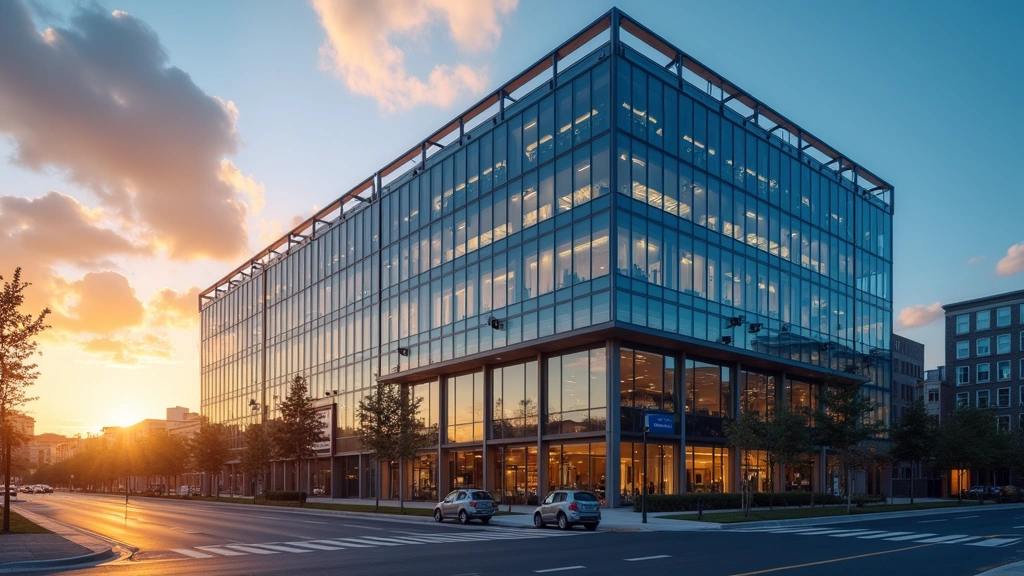
Bagmane Tech Park Bangalore: Innovation Hub or Marketing Hype?
Bagmane Tech Park has emerged as one of Bangalore’s most prominent technology campuses, attracting multinational corporations, startups, and enterprise solutions companies. Located in the heart of India’s Silicon Valley, this sprawling complex promises state-of-the-art infrastructure, cutting-edge facilities, and an ecosystem designed to foster innovation. But does the reality match the marketing narrative? This comprehensive review examines whether Bagmane Tech Park truly delivers on its promises as a genuine innovation hub or remains largely a polished real estate venture with premium pricing.
Over the past decade, Bangalore has transformed into a global technology powerhouse, hosting offices from companies like Google, Microsoft, Amazon, and countless Indian tech giants. Bagmane Tech Park positions itself as a premier destination within this ecosystem, offering 12+ million square feet of developed space across multiple phases. The park’s infrastructure includes high-speed connectivity, backup power systems, modern amenities, and security features that rival international standards. However, potential tenants and investors must look beyond glossy brochures to understand what truly sets this facility apart from competitors and whether the premium lease rates justify the investment.

Infrastructure & Facilities Overview
Bagmane Tech Park boasts comprehensive infrastructure that addresses the demanding requirements of technology companies. The facility features LEED-certified green buildings, advanced climate control systems, and power redundancy with multiple backup generators. Data centers maintain 99.99% uptime through redundant fiber optic connections and diverse carrier networks. The park includes modern office spaces with flexible layouts, high-speed elevators, and smart building management systems that optimize energy consumption.
The campus encompasses specialized facilities beyond traditional office space. Multi-level parking structures accommodate thousands of vehicles, while dedicated loading bays support logistics operations. Meeting rooms equipped with video conferencing technology, auditoriums with capacity for 500+ attendees, and collaborative workspace areas address diverse corporate needs. Cafeteria facilities, recreational zones, and wellness centers demonstrate attention to employee experience—a critical factor for talent retention in competitive tech markets.
Internet connectivity represents perhaps the most crucial infrastructure element. The park provides dedicated fiber connectivity with speeds up to 10 Gbps, multiple redundant internet service providers, and direct peering arrangements with major content networks. This redundancy ensures business continuity for operations that cannot tolerate downtime. Power infrastructure includes 24/7 generator backup, UPS systems, and automatic transfer switches that maintain seamless operations during grid outages—increasingly important given India’s occasional power instability.
However, infrastructure alone doesn’t create innovation. Many competitors offer similar technical specifications. What distinguishes Bagmane is the scale and consistency of implementation across all buildings. Unlike some parks where quality varies between older and newer phases, Bagmane maintains standardized high-quality infrastructure throughout.

Tenant Profile & Corporate Presence
The tenant roster provides significant insight into the park’s actual positioning within the technology ecosystem. Major technology companies including Infosys, Capgemini, Cognizant, and HCL Technologies maintain substantial operations from Bagmane. These anchor tenants validate the facility’s credibility and provide stability to the ecosystem. However, the dominance of large IT consulting firms—rather than innovative startups or emerging technology leaders—suggests the park functions more as a corporate real estate destination than a true innovation incubator.
Startup presence remains limited compared to facilities in Whitefield or Koramangala. While Bagmane markets itself to entrepreneurs, the premium pricing and corporate-focused infrastructure deter early-stage companies with limited budgets. This creates a self-perpetuating dynamic: fewer startups mean less vibrant innovation atmosphere, which further discourages entrepreneurial ventures. The park’s ecosystem skews heavily toward established enterprises optimizing operations rather than ambitious teams building disruptive technologies.
Several financial services companies, including banks and fintech operations, have established offices at Bagmane. This diversification beyond pure technology reduces the park’s identity as an innovation hub but provides economic stability. The presence of professional services firms—consulting, legal, and accounting—supports corporate tenants’ operational needs, creating convenience that justifies premium pricing for enterprise clients.
The tenant mix reveals that Bagmane’s true market positioning is enterprise-class real estate rather than innovation incubation. Companies value the park for its professional environment, reliable infrastructure, and location convenience—not necessarily for networking with cutting-edge innovators or access to venture capital.
Connectivity & Location Advantages
Bagmane Tech Park’s location in Bangalore’s Outer Ring Road corridor offers significant logistical advantages. Proximity to major IT hubs like Whitefield, the central business district, and residential areas reduces commute times for employees. The location balances accessibility with separation from congested central zones, appealing to companies seeking professional environments without urban chaos.
Road connectivity has improved substantially with development of surrounding infrastructure. Direct access to the Outer Ring Road, completion of elevated highways, and metro connectivity planning enhance the park’s accessibility. However, Bangalore’s notorious traffic congestion means even “nearby” locations can involve substantial commute times during peak hours. Companies must assess whether location advantages justify the premium pricing relative to alternatives.
For understanding broader technology trends affecting workspace design, consider exploring artificial intelligence applications transforming the future, as smart building systems increasingly integrate AI for optimization. Additionally, cloud computing benefits for businesses directly relate to infrastructure decisions companies make when selecting office parks—particularly regarding data center integration and hybrid work capabilities.
The park’s location near major technology corridors facilitates talent acquisition. IT professionals in Bangalore develop commute patterns and residential preferences based on workplace location. Bagmane’s positioning attracts professionals already residing in surrounding areas, reducing recruitment friction. This network effect strengthens the park’s competitive position despite premium pricing.
Innovation Ecosystem Reality
Marketing materials frequently emphasize Bagmane’s role as an “innovation hub,” but examining the actual ecosystem reveals limited evidence supporting this claim. True innovation hubs feature:
- Active venture capital presence with regular funding activity
- Collaborative spaces designed for cross-company interaction
- Regular networking events, hackathons, and innovation challenges
- Mentorship programs connecting experienced entrepreneurs with startups
- Incubation facilities supporting early-stage companies
- Technology-specific clusters (AI, blockchain, IoT) with critical mass
Bagmane’s ecosystem scores poorly on most metrics. Venture capital activity remains minimal—most funding activity in Bangalore concentrates in Koramangala, Indiranagar, and central business district areas where early-stage companies cluster. Networking events occur sporadically rather than as regular programming. The park lacks dedicated incubation facilities or accelerator programs that characterize genuine innovation ecosystems.
The corporate-dominated tenant base actually inhibits innovation. Large enterprises typically operate hierarchically with formal approval processes, limiting spontaneous collaboration with external innovators. Established companies optimize existing business models rather than pursuing transformative innovation. While some corporate ventures and innovation labs exist within the park, these remain isolated from broader startup ecosystems.
However, Bagmane does facilitate innovation within corporate environments. Companies like technology leaders housed in the park conduct substantial R&D activities. The infrastructure supports innovation teams working on next-generation solutions. The distinction is subtle but important: the park enables corporate innovation while failing to foster grassroots entrepreneurial innovation.
Cost Analysis & Pricing Structure
Lease rates at Bagmane Tech Park position it at the premium end of Bangalore’s commercial real estate spectrum. Current pricing ranges from ₹55-75 per square foot monthly for Grade A office space, with variations based on building age, floor level, and specific location within the park. These rates exceed many competing facilities by 15-30%, requiring justification through superior infrastructure, location, or strategic value.
The cost structure includes base rent plus additional charges for:
- Common area maintenance (CAM) charges, typically 8-12% of base rent
- Power consumption at premium rates reflecting backup generation costs
- Parking fees, often ₹2,000-3,000 monthly per space
- Security and facility management charges
- Internet connectivity packages with various speed tiers
Total occupancy costs frequently reach ₹80-100 per square foot monthly, making long-term occupancy expensive for cost-conscious companies. Startups exploring how to learn coding fast and build technical teams cannot justify Bagmane’s premium pricing when affordable co-working spaces exist elsewhere. This pricing naturally filters for established enterprises with capital resources.
However, premium pricing reflects genuine cost drivers. Backup power generation, redundant connectivity, and maintenance of international-standard facilities require substantial ongoing investment. The question becomes whether cost-benefit ratio favors Bagmane relative to alternatives. For companies prioritizing reliability and professional environment, the premium may justify itself. For cost-sensitive operations, other parks offer superior value.
Lease flexibility varies by landlord and current market conditions. Some operators offer shorter-term arrangements or shared spaces accommodating growth-stage companies, while others insist on long-term commitments favoring established tenants. Negotiation often proves possible for large commitments, potentially reducing effective rates.
Sustainability & Green Initiatives
Bagmane Tech Park achieved LEED Platinum certification for multiple buildings, reflecting substantial investment in environmental sustainability. Green initiatives include:
- Rainwater harvesting systems capturing 80% of annual rainfall
- Wastewater recycling and treatment for non-potable use
- Solar installations generating 30-40% of power requirements
- Energy-efficient LED lighting throughout campus
- Green building materials minimizing embodied carbon
- Dedicated landscaping supporting biodiversity
These certifications matter increasingly as corporations establish environmental, social, and governance (ESG) commitments. Companies operating from LEED-certified facilities can legitimately claim reduced environmental footprints, supporting corporate sustainability narratives. For socially conscious enterprises, Bagmane’s green credentials provide tangible benefits beyond marketing.
However, LEED certification represents minimum sustainability standards rather than exceptional achievement. Competitors increasingly match these standards, reducing differentiation. The actual environmental impact depends on tenant behavior—even the most efficient building cannot offset wasteful operations by occupants. Bagmane’s sustainability represents necessary infrastructure evolution rather than competitive advantage.
Challenges & Limitations
Despite premium positioning, Bagmane faces significant challenges limiting its effectiveness as an innovation hub:
Traffic Congestion: Despite location advantages, Bangalore’s traffic remains unpredictable. Commute times can double during peak hours, frustrating employees and reducing productivity. The park’s growth has paradoxically worsened surrounding traffic as thousands of employees converge simultaneously.
Limited Talent Pool Specificity: While the park attracts IT professionals, it lacks clusters of specialized talent (AI researchers, blockchain developers, hardware engineers) that characterize true innovation hubs. Emerging technology companies struggle to recruit niche expertise from park-based networks.
Bureaucratic Complexity: Large corporate tenants bring bureaucratic processes that slow decision-making. Innovation thrives with rapid experimentation and loose hierarchies—opposite of corporate structures dominating Bagmane.
Infrastructure Costs: While reliable, premium infrastructure translates to high occupancy costs. Startups and early-stage companies cannot justify expenditure, limiting ecosystem diversity. This creates a self-limiting innovation environment.
Geographic Limitations: Bangalore’s geography means companies in Bagmane remain somewhat isolated from startup clusters in other areas. Innovation ecosystems benefit from geographic concentration enabling spontaneous interaction—Bagmane’s separation reduces this benefit.
Comparison with Competitors
Understanding Bagmane’s positioning requires comparing alternatives. Our technology blog regularly analyzes infrastructure investments, and similar analysis applies to tech parks. Key competitors include:
Prestige Tech Park (Whitefield): Offers comparable infrastructure at slightly lower pricing. Whitefield’s ecosystem includes stronger startup presence, more venture capital activity, and better networking opportunities. For innovation-focused companies, Whitefield provides superior ecosystem despite potentially older facilities.
Embassy Tech Village: Positions between Bagmane and lower-tier parks. Offers good infrastructure at 10-15% lower pricing. Growing ecosystem with increasing startup presence. Strong for mid-stage companies balancing cost and quality.
Co-working Spaces (Indiranagar, Koramangala): Dramatically lower costs (₹20-30 per square foot) with vibrant startup ecosystems. Sacrifice reliability and professional environment but offer community and innovation focus. Ideal for early-stage companies.
Bangalore International Tech Park (BITP): Comparable premium positioning with similar pricing. Offers strong infrastructure and established tenant base. Differentiation minimal—choice between them often reduces to specific location convenience.
The comparison reveals that Bagmane’s premium pricing requires justification through either superior infrastructure (marginal advantage over competitors), specific location benefits (declining as surrounding areas develop), or innovation ecosystem access (where Bagmane underperforms alternatives).
For enterprise companies prioritizing reliability, professional environment, and established infrastructure, Bagmane delivers solid value despite premium pricing. For innovation-focused organizations seeking vibrant startup ecosystems and entrepreneurial networks, alternatives in Koramangala or Whitefield offer better alignment despite potentially lower infrastructure quality.
FAQ
Is Bagmane Tech Park worth the premium pricing?
The answer depends on your company’s priorities. Enterprise organizations prioritizing reliability, professional environment, and established infrastructure benefit from Bagmane’s premium offerings. Startups and innovation-focused companies should evaluate lower-cost alternatives with stronger ecosystem networks. For most mid-stage companies, the premium may exceed the marginal value delivered compared to competing facilities.
How does Bagmane’s location compare to Whitefield or Koramangala?
Bagmane offers location advantages for companies with employees in surrounding residential areas and reduced congestion compared to central areas. However, Whitefield provides better startup ecosystem access, while Koramangala offers central location proximity. Location advantage depends on your specific talent acquisition strategy and operational requirements.
What’s the actual innovation ecosystem quality at Bagmane?
Bagmane functions as an enterprise real estate destination rather than a true innovation hub. Corporate innovation occurs within individual tenant companies, but cross-company collaboration and startup acceleration remain limited. For genuine innovation ecosystem access, Koramangala and Indiranagar offer superior networking and venture capital presence.
Are the green certifications meaningful?
LEED Platinum certifications represent genuine sustainability commitments with measurable environmental benefits. However, these standards increasingly become industry baseline rather than differentiators. The certifications matter for companies with ESG commitments but shouldn’t justify premium pricing independently.
How has Bagmane evolved since initial development?
The park has matured from a speculative real estate project to an established corporate campus. Infrastructure quality has consistently improved, but the tenant base remains dominated by large enterprises. Unlike true innovation hubs that evolve toward startup concentration, Bagmane has consolidated its enterprise positioning.
What are realistic alternatives for different company types?
Enterprise companies: Bagmane or comparable premium parks like BITP or Prestige Tech Park. Mid-stage companies: Embassy Tech Village or lower-tier parks offering 10-15% cost savings. Startups and early-stage companies: co-working spaces in Koramangala, Indiranagar, or Whitefield offering community and ecosystem access. Consider best laptops for students and similar resource guides when evaluating technology infrastructure requirements for your specific team composition.
Will Bagmane become more innovation-focused in future?
Current trajectory suggests continued enterprise focus. The park’s infrastructure and tenant base create momentum toward corporate positioning. Significant ecosystem shift would require dedicated incubation facilities, venture capital presence, and deliberate startup recruitment—investments the current operators haven’t prioritized. Established parks rarely transform into innovation hubs; they optimize existing positioning instead.