BCIT Medford Tech Expo: What to Expect? Your Complete Guide to British Columbia’s Premier Tech Event
The BCIT Medford Tech Expo stands as one of the Pacific Northwest’s most anticipated technology conferences, drawing thousands of industry professionals, innovators, and tech enthusiasts annually. Whether you’re a seasoned engineer, a startup founder, or simply curious about emerging technologies, this expo offers an unparalleled opportunity to explore cutting-edge innovations, network with industry leaders, and gain insights into the future of technology. This comprehensive guide will walk you through everything you need to know before attending.
Hosted at the British Columbia Institute of Technology’s Medford campus in Burnaby, this event has evolved into a showcase for breakthrough innovations spanning artificial intelligence, hardware engineering, software development, and sustainable technology solutions. The expo combines hands-on demonstrations, technical workshops, keynote presentations, and networking opportunities that create an immersive experience for all attendees. Whether you’re looking to discover the latest hardware upgrades and component innovations or explore how artificial intelligence is transforming industries, the BCIT Medford Tech Expo delivers comprehensive coverage across all technology sectors.
Event Overview and Logistics
The BCIT Medford Tech Expo typically spans two to three days, with extended hours designed to accommodate working professionals and students. The event takes place at the Medford campus, featuring multiple exhibition halls, conference rooms, and outdoor demonstration areas. Registration opens several weeks in advance, with both online and on-site options available. Early bird registration often includes discounted rates and exclusive access to premium workshops.
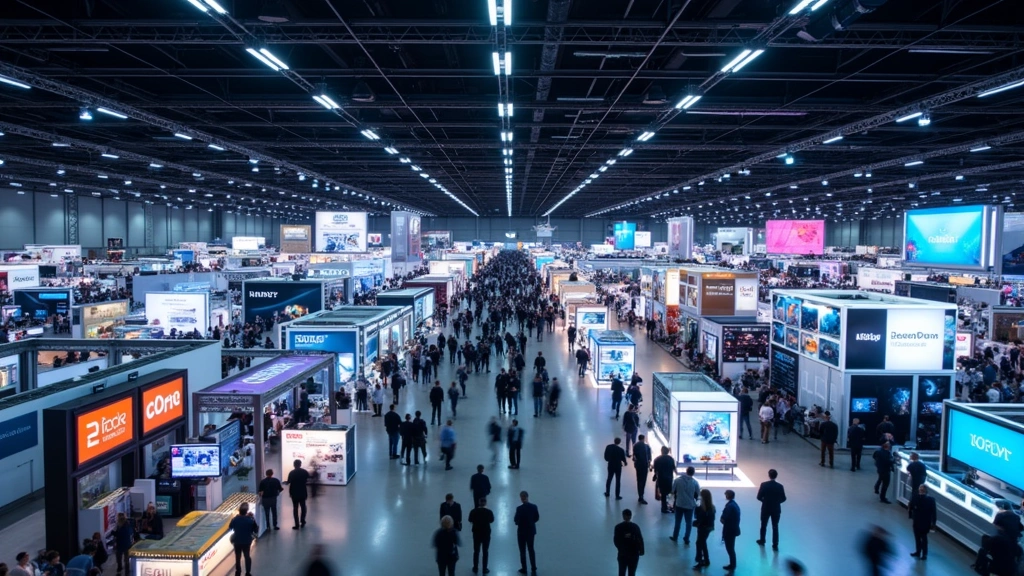
Located in Burnaby, British Columbia, the BCIT Medford campus is easily accessible via public transportation, with dedicated parking available for attendees. The venue spans over 100,000 square feet of exhibition space, housing more than 200 exhibitor booths and multiple concurrent presentation stages. The expo operates on a hybrid model, offering both in-person and virtual attendance options, making it accessible to participants across North America and beyond.
Attendees should plan to arrive early, particularly on the opening day, as popular booths and workshops fill quickly. Most visitors spend between 4-8 hours exploring exhibits, attending sessions, and networking. The event provides complimentary Wi-Fi throughout the venue, charging stations, and dining facilities. For those interested in smart home technology innovations, the expo features dedicated smart living zones showcasing residential and commercial applications.

Exhibition Highlights and Booth Categories
The expo floor features diverse exhibition categories that represent the full spectrum of technology innovation. Major categories include consumer electronics, enterprise software solutions, cybersecurity, cloud infrastructure, artificial intelligence platforms, and hardware components. Exhibitors range from established multinational corporations to innovative startups, each showcasing their latest products and services.
The consumer electronics section typically features the newest laptops, smartphones, gaming peripherals, and wearable devices. Major manufacturers demonstrate upcoming releases and conduct live product comparisons. For those interested in system upgrades, representatives can discuss laptop memory upgrades and performance optimization techniques. The hardware component area showcases processors, graphics cards, storage solutions, and cooling systems from leading manufacturers including Intel, AMD, NVIDIA, and specialized component makers.
Enterprise technology booths feature comprehensive demonstrations of business software, cloud platforms, and data management solutions. This section appeals particularly to IT professionals and decision-makers evaluating enterprise solutions. The cybersecurity zone presents the latest security tools, threat detection systems, and compliance solutions, with live hacking demonstrations and vulnerability assessments. Visitors can learn about protecting digital assets and understanding modern threat landscapes.
The AI and machine learning pavilion showcases cutting-edge applications across industries, from healthcare diagnostics to autonomous systems. Exhibitors demonstrate natural language processing, computer vision, and predictive analytics platforms. The sustainability and green technology section highlights innovations in renewable energy, efficient computing, and environmentally responsible manufacturing practices. This area resonates strongly with environmentally conscious professionals and organizations committed to carbon reduction.
Keynote Speakers and Technical Sessions
The expo features prominent keynote presentations from industry visionaries, academic researchers, and technology leaders. Previous speakers have included executives from major tech companies, university researchers pioneering breakthrough innovations, and entrepreneurs who’ve successfully scaled transformative technologies. Keynotes typically occur during morning and afternoon slots, allowing attendees to plan their schedules accordingly.
Technical sessions run concurrently throughout the event, covering topics ranging from emerging technologies to practical implementation strategies. Sessions typically last 45-60 minutes and include time for audience questions. Popular tracks include artificial intelligence applications across various sectors, cloud computing benefits for business transformation, cybersecurity best practices, and IoT implementation strategies.
Advanced technical workshops dive deeper into specific technologies, often requiring some prerequisite knowledge. These sessions feature hands-on coding demonstrations, architecture discussions, and real-world case studies. Attendees can explore topics like machine learning model development, containerization with Docker, Kubernetes orchestration, serverless architecture, and microservices implementation. Sessions on data analytics, business intelligence, and big data processing attract both technical professionals and business analysts.
The smart home and IoT track covers residential and commercial automation, discussing sensor networks, voice assistants, and integrated home ecosystems. Speakers share implementation experiences, discuss standards and interoperability, and explore emerging use cases in healthcare, elderly care, and building automation. The startup innovation track features emerging companies pitching their technologies and sharing growth strategies.
Networking Opportunities
Beyond formal presentations and exhibitions, the BCIT Medford Tech Expo provides extensive networking opportunities. Dedicated networking lounges feature comfortable seating and refreshments, creating informal spaces for professional conversations. Speed networking sessions pair attendees with industry professionals for structured brief conversations, maximizing connection potential. Evening receptions sponsored by major technology companies offer relaxed networking environments with food and beverages.
The expo’s mobile app facilitates networking by allowing attendees to search exhibitor lists, identify speakers, and schedule meetings with booth representatives before the event. Many exhibitors use the app to schedule detailed consultations, ensuring productive conversations with qualified prospects. LinkedIn integration enables attendees to connect with fellow participants and maintain professional relationships beyond the expo.
Special interest groups and roundtables gather professionals working on specific technologies or in particular industries. These intimate discussions allow deeper exploration of topics and facilitate peer learning. University recruitment booths attract students and early-career professionals seeking internships and employment opportunities with leading technology companies. Many attendees report that their most valuable expo experiences come from unexpected conversations that spark collaborative ideas or professional partnerships.
Hands-On Workshops and Demonstrations
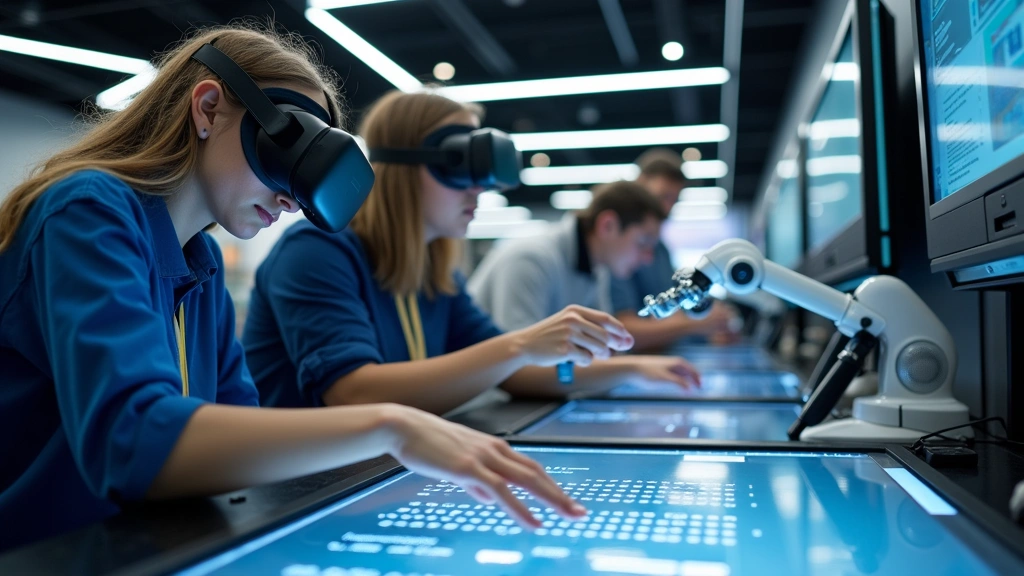
Interactive demonstrations distinguish the BCIT Medford Tech Expo from traditional conferences. Exhibitors set up immersive experiences allowing attendees to test hardware, trial software platforms, and experience emerging technologies firsthand. Virtual reality stations let visitors explore VR applications across gaming, training, and professional visualization. Augmented reality demonstrations showcase practical applications in retail, manufacturing, and education.
Coding workshops teach practical skills in popular programming languages and frameworks. Participants might learn Python for data science, JavaScript for web development, or Go for systems programming. Cloud platform workshops guide attendees through deploying applications on AWS, Azure, or Google Cloud, with hands-on labs using temporary cloud accounts. Cybersecurity workshops include capture-the-flag competitions and vulnerability scanning exercises, providing practical security training.
Hardware enthusiasts can participate in system building demonstrations and learn about component selection. Technicians explain overclocking techniques, cooling solutions, and optimization strategies. For those curious about upgrading laptop memory and storage components, workshops provide step-by-step guidance and address common challenges. 3D printing demonstrations showcase additive manufacturing capabilities, from prototyping to production applications.
Robotics exhibits feature autonomous systems, drones, and industrial robots performing live demonstrations. Visitors can interact with robotic arms, explore sensor technologies, and understand programming paradigms for robotics. Gaming demonstrations highlight the latest titles, showcasing graphics capabilities and gameplay innovations. Esports tournament brackets often run throughout the event, with professional gamers competing on cutting-edge gaming hardware and systems.
Emerging Technology Tracks
The expo dedicates significant space to emerging technologies reshaping industries. The blockchain and cryptocurrency pavilion explores distributed ledger technologies, smart contracts, and decentralized finance applications. While cryptocurrency markets fluctuate, the underlying blockchain technology finds increasing applications in supply chain management, healthcare records, and digital identity verification. Experts discuss regulatory landscapes, security considerations, and practical implementation strategies.
Quantum computing represents another frontier showcased at the expo. While still in early development stages, quantum computers promise revolutionary computational capabilities for specific problem types. Exhibitors explain quantum principles, discuss current hardware limitations, and explore near-term applications in drug discovery, materials science, and optimization problems. Sessions address the timeline for practical quantum advantage and skills needed for quantum software development.
The biotechnology and digital health section showcases how technology transforms healthcare. Innovations include AI-powered diagnostic tools, wearable health monitoring devices, telemedicine platforms, and electronic health record systems. Startups demonstrate novel applications like genomic analysis, personalized medicine, and remote patient monitoring. This track appeals to healthcare professionals, medical device companies, and health-tech entrepreneurs.
Edge computing and 5G technology tracks explore distributed computing architectures and next-generation wireless networks. Speakers discuss how edge computing reduces latency for real-time applications, while 5G enables unprecedented connectivity speeds. Use cases include autonomous vehicles, industrial automation, smart cities, and immersive media experiences. Network engineers and infrastructure professionals gain insights into deployment strategies and performance optimization.
Tips for Maximizing Your Experience
Plan Your Schedule in Advance: Review the expo program and identify must-see keynotes, sessions, and exhibitors. The event typically provides a detailed schedule weeks before the expo. Prioritize sessions based on your interests and career goals. Consider the venue layout and plan efficient routes between locations to minimize travel time.
Arrive Early and Dress Professionally: Early arrival allows you to explore popular booths before they become crowded. Wear comfortable shoes since you’ll spend considerable time walking. Business casual attire suits most expo environments, though some technical workshops may be more casual. Many attendees carry business cards for networking exchanges.
Prepare Meaningful Questions: Before visiting booths, research companies and prepare specific questions about their products or services. Generic conversations rarely yield valuable connections. Ask about product roadmaps, use cases relevant to your work, and how solutions address specific challenges you face. Exhibitors appreciate thoughtful engagement.
Engage with Startup Booths: Startup areas often feature the most innovative and experimental technologies. While products may be earlier-stage, conversations with founders reveal emerging trends and disruptive potential. Startup pitches often inspire creative thinking about technology applications. Supporting emerging companies strengthens the technology ecosystem.
Participate in Hands-On Activities: Don’t just observe demonstrations—actively participate in workshops, try hardware, and test software platforms. Hands-on experience provides deeper understanding than passive observation. Many exhibitors provide take-home materials, samples, or trial accounts for further exploration after the expo.
Document Your Learnings: Take notes during sessions, photograph booth information, and save business cards for follow-up. Many attendees review their notes after the expo and identify actionable insights. Take photos of interesting products and booth setups for later reference. However, respect photography restrictions in certain areas.
Network Intentionally: Approach networking with specific goals—whether seeking employment, finding vendors, or learning from peers. Attend networking events and roundtables. Exchange contact information with people you meet and follow up within a week with personalized messages referencing your conversation. Quality connections often emerge from genuine interest in others’ work.
Explore the Virtual Component: If attending virtually, use the online platform to schedule meetings with exhibitors, attend live-streamed sessions, and participate in virtual networking rooms. Virtual attendance offers flexibility and access to global content, though lacks the spontaneous interactions of in-person attendance. Consider hybrid participation if your schedule permits.
FAQ
When does the BCIT Medford Tech Expo typically occur?
The expo usually takes place in spring or early fall, though dates vary annually. Check the official BCIT website or the TechPulseHunter Blog for technology event updates for current scheduling information. Registration typically opens 6-8 weeks before the event.
What is the admission cost?
General admission is typically free or low-cost for students and educators, with reasonable pricing for professionals. Early bird registration often offers discounts. Some premium workshops or VIP networking events may have additional fees. Check the official expo website for current pricing and any applicable discounts.
Can I attend virtually?
Yes, the expo offers virtual attendance options allowing remote participation in keynotes, sessions, and some exhibitor interactions. Virtual attendees can access recorded content and participate in online networking. Virtual passes typically cost less than in-person admission but provide different experiences.
How many exhibitors participate?
The expo typically features 200+ exhibitors representing diverse technology sectors, from Fortune 500 companies to innovative startups. The mix varies annually based on industry trends and sponsorship. Check the exhibitor list on the official website to identify companies you want to visit.
What should I bring to the expo?
Bring comfortable walking shoes, business cards, a notebook or tablet for notes, and a portable charger for your devices. Most attendees carry a small bag for materials collected from booths. Wear comfortable, professional clothing. The venue provides Wi-Fi, so you may not need mobile data, though having it as backup is wise.
Are there opportunities for students?
Yes, the expo actively welcomes students with discounted or free admission. Student-specific activities include recruitment booths, mentorship sessions, and beginner-friendly workshops. Many companies use the expo for campus recruiting. Students gain valuable industry exposure and networking opportunities with potential employers.
How can I stay updated about the expo?
Follow BCIT’s official social media accounts, subscribe to the expo mailing list, and regularly check the official website. The TechPulseHunter Blog covers major technology events and innovations. Setting calendar reminders for key dates ensures you don’t miss registration deadlines or session announcements.
What technology topics receive the most coverage?
Artificial intelligence, cloud computing, cybersecurity, and emerging technologies typically dominate. However, coverage reflects current industry trends, so recent expos have expanded blockchain, quantum computing, and biotechnology sections. Check the current year’s program for specific track information.
Can I schedule meetings with exhibitors in advance?
Most exhibitors accept advance meeting requests through the expo platform or website. Scheduling meetings beforehand ensures you get dedicated time with key contacts. Many companies send representatives specifically for scheduled meetings, so advance booking improves conversation quality.
How does the expo relate to technology career development?
The expo provides excellent career development opportunities through recruitment booths, technical learning sessions, and networking with industry professionals. Attendees discover emerging skills in demand, learn about career paths, and make connections that lead to job opportunities. For those interested in advancing technical skills, sessions on hardware upgrades and system optimization complement software-focused development tracks.


