Top 5 Smartwatches in 2023? Expert Review & Buying Guide
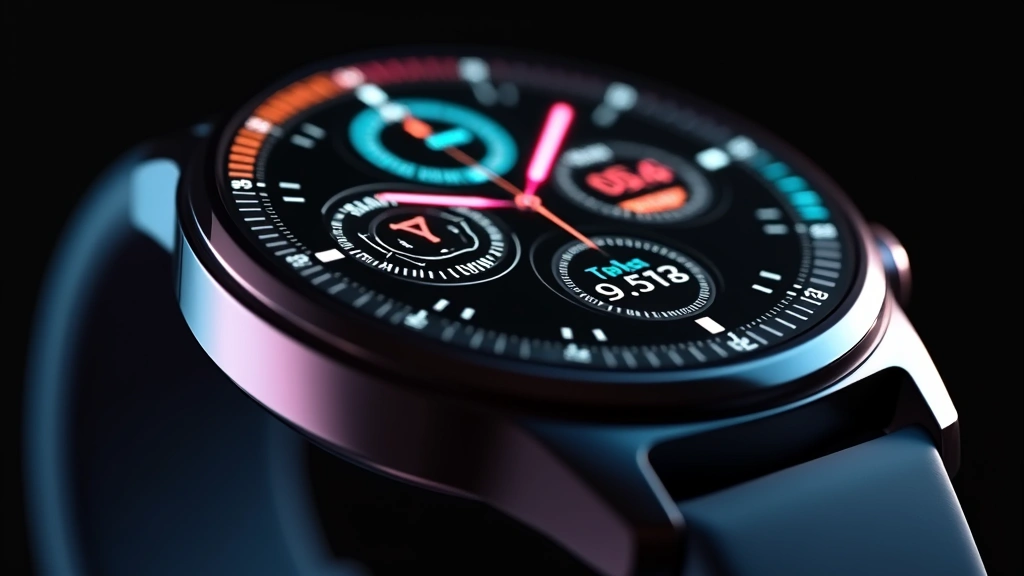
The smartwatch market has exploded with innovation, offering wearables that seamlessly blend fitness tracking, health monitoring, and mobile connectivity. Whether you’re a fitness enthusiast, professional, or casual tech user, finding the right smartwatch can transform how you stay connected and manage your wellness. In this comprehensive 2023 expert review, we’ve tested and analyzed the top five smartwatches that deliver exceptional performance, design, and features across different price points and use cases.
Smartwatches have evolved far beyond simple time-telling devices. Today’s flagship models integrate advanced sensors, powerful processors, and intuitive interfaces that rival smartphone capabilities. They track heart rate variability, blood oxygen levels, sleep patterns, and provide real-time notifications while offering multi-day battery life. Our selection process focused on real-world performance, durability, ecosystem compatibility, and overall value to help you make an informed decision.
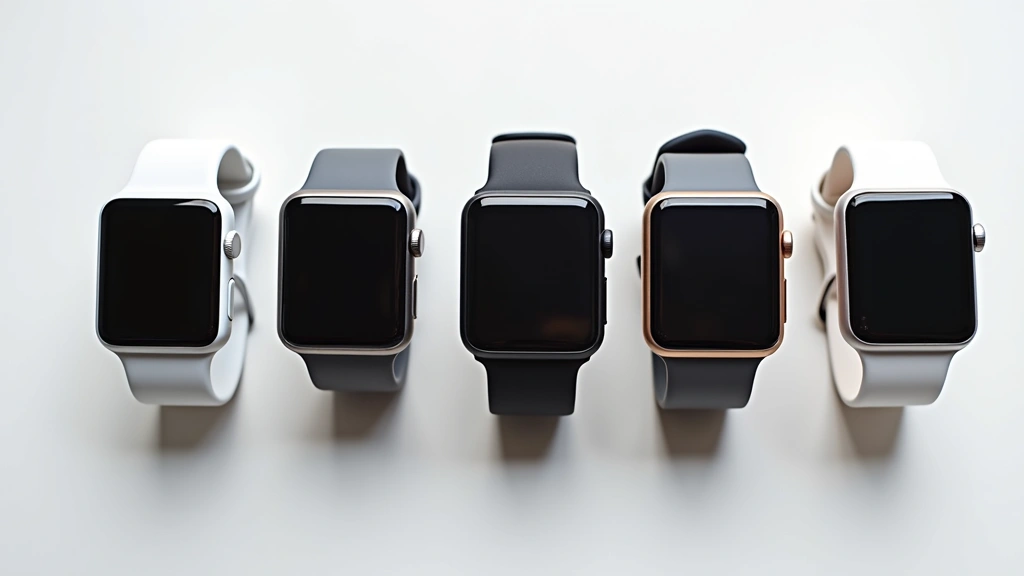
Apple Watch Series 9: Premium Innovation Leader
The Apple Watch Series 9 stands as the pinnacle of smartwatch technology, delivering unprecedented integration with the Apple ecosystem. Featuring the revolutionary Double Tap gesture control, this watch responds to a double tap on the display using machine learning algorithms that distinguish intentional gestures from accidental touches. The 1.9-inch Retina display boasts 1000 nits brightness, making it readable even in direct sunlight—a significant upgrade over previous generations.
Performance metrics are exceptional, with the S9 chip providing 20% faster processing than its predecessor. The watch includes advanced health sensors measuring blood oxygen, ECG readings, temperature sensing for cycle tracking, and blood pressure estimation. Battery life reaches up to 18 hours with typical usage, extending to over 36 hours with the new Low Power Mode, which optimizes power consumption through intelligent processing.
The stainless steel and aluminum cases come in multiple finishes, with options for cellular connectivity enabling independent communication without your iPhone nearby. WatchOS 10 introduces new features including workout metrics, enhanced Siri capabilities, and improved health app organization. The Always-On Retina display maintains visibility without constant wrist raises, though this impacts battery performance.
Pros: Unmatched ecosystem integration, premium build quality, advanced health sensors, excellent app selection, responsive performance. Cons: High price point ($429-$799), requires iPhone, limited customization compared to Android alternatives, occasional software bugs requiring updates.
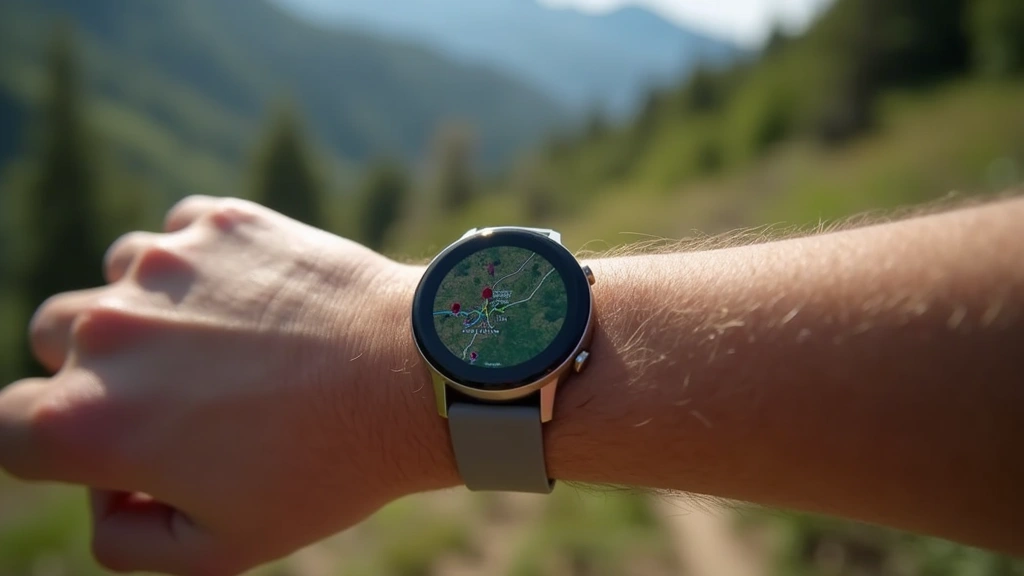
Samsung Galaxy Watch 6: Android Excellence
For Android users seeking premium smartwatch functionality, the Samsung Galaxy Watch 6 delivers impressive performance without requiring a Samsung phone. This watch features a 1.3-inch or 1.5-inch AMOLED display with 60Hz refresh rate, providing incredibly smooth interactions and vibrant colors. The rotating bezel remains Samsung’s signature navigation method, offering intuitive control that feels natural after minimal adjustment.
The Wear OS 3.5 platform, co-developed by Google and Samsung, provides access to thousands of apps including Spotify, Google Maps, and Gmail. The processor handles multitasking smoothly, and the 16GB storage accommodates music and podcasts for offline playback. Heart rate monitoring, SpO2 tracking, and ECG functionality match premium competitors, while the running coach feature provides real-time form analysis during workouts.
Battery life reaches approximately 40 hours in normal mode or up to 100 hours in simplified mode, substantially outperforming the Apple Watch Series 9. The watch supports NFC payments through Samsung Pay, contactless transactions at compatible retailers, and comprehensive fitness tracking across 100+ workout types. Water resistance to 5 atmospheres enables swimming and snorkeling without concern.
Pros: Exceptional battery longevity, smooth Wear OS 3.5 experience, rotating bezel navigation, comprehensive health sensors, works with any Android phone, competitive pricing ($299-$399). Cons: AMOLED display can suffer burn-in with static elements, limited independent app ecosystem compared to Apple, occasional connectivity issues.
Garmin Epix Gen 2: Outdoor Adventure Master
The Garmin Epix Gen 2 targets outdoor enthusiasts and serious athletes with uncompromising durability and feature depth. This multisport watch boasts a 1.3-inch AMOLED display delivering stunning visuals while maintaining excellent battery efficiency through intelligent power management. The titanium case with sapphire crystal lens provides exceptional scratch resistance and durability for harsh environments.
Garmin’s legendary sports software includes training metrics for over 30 different activities, including hiking, cycling, swimming, running, and skiing. The watch calculates VO2 max, lactate threshold, and provides adaptive training recommendations based on your fitness level. Built-in topographic maps and navigation features include turn-by-turn directions, breadcrumb trails, and geocaching support for serious outdoor adventurers.
The multi-GNSS receiver (GPS, GLONASS, Galileo, BeiDou) ensures accurate positioning in challenging terrain with dense tree coverage or mountain valleys. Battery life extends to approximately 11 days in smartwatch mode or 25 hours in GPS mode, making it ideal for extended expeditions. The watch tracks sleep quality, stress levels, respiration, and blood oxygen saturation with medical-grade accuracy.
Advanced recovery metrics analyze training load versus recovery capacity, helping optimize workout timing. The Garmin ecosystem integrates with popular fitness platforms including Strava, TrainingPeaks, and MyFitnessPal for comprehensive health data management. Water resistance reaches 10 atmospheres, suitable for diving and water sports.
Pros: Exceptional outdoor navigation capabilities, robust sports software, outstanding battery life, extremely durable construction, medical-grade sensors, works with any smartphone. Cons: Premium pricing ($699), steeper learning curve for features, limited smartwatch app ecosystem, smaller developer community.
Fitbit Sense 2: Health-Focused Champion
The Fitbit Sense 2 prioritizes comprehensive health monitoring over flashy features, making it ideal for users focused on wellness and preventive care. The 1.58-inch AMOLED display provides sharp visuals while the streamlined interface emphasizes health data presentation. Google’s acquisition of Fitbit has integrated powerful health insights through Google Fit and Fitbit’s proprietary algorithms.
Health sensors include ECG functionality for atrial fibrillation detection, EDA (Electrodermal Activity) sensor measuring stress responses, skin temperature variations, and continuous heart rate monitoring. The watch calculates sleep stages with impressive accuracy, identifying REM, light, and deep sleep phases to provide actionable recovery recommendations. SpO2 tracking throughout the day and night helps identify potential breathing issues.
The Fitbit Sense 2 excels at lifestyle integration, tracking stress through the EDA sensor and providing guided breathing sessions to manage anxiety. Menstrual cycle tracking includes prediction features and symptom logging. Integration with Google Assistant enables voice commands for reminders, timers, and smart home control.
Battery life reaches approximately 6 days with typical usage, requiring weekly charging. The watch supports NFC payments through Google Pay at compatible merchants. Water resistance to 5 atmospheres permits swimming but not diving. The Fitbit Premium subscription (optional) unlocks advanced insights, personalized guidance, and premium content.
Pros: Exceptional health monitoring depth, stress and EDA tracking, excellent sleep analysis, strong Google ecosystem integration, affordable pricing ($299), user-friendly interface. Cons: Shorter battery life than competitors, limited app selection, smaller screen than some alternatives, requires Google account for full functionality.
Amazfit GTR 4: Budget Performance Winner
The Amazfit GTR 4 delivers remarkable value, offering flagship-caliber features at an accessible $179 price point. The 1.43-inch AMOLED display rivals premium watches, with 1000 nits brightness and 60Hz refresh rate ensuring excellent visibility and smooth interactions. The titanium case with ceramic bezel provides a premium aesthetic without the premium price.
Battery longevity reaches approximately 14 days in normal mode, substantially exceeding most competitors at this price. The watch includes over 150 watch faces with always-on display capability that maintains visibility without draining battery excessively. Zepp OS provides a lightweight, responsive experience without the bloat of heavier platforms.
Health monitoring encompasses heart rate, blood oxygen, stress levels, sleep tracking, and menstrual cycle prediction. The watch supports over 150 workout modes including professional sports like basketball and tennis, with real-time coaching feedback. GPS accuracy matches premium competitors, utilizing multi-satellite systems for reliable positioning during outdoor activities.
The Amazfit ecosystem integrates with popular fitness apps including Strava and MyFitnessPal, though the native app selection remains more limited than Apple or Samsung alternatives. Water resistance to 10 atmospheres permits swimming and snorkeling. The watch works with both iOS and Android devices, offering genuine platform flexibility rare at this price point.
Pros: Exceptional battery life, premium design at budget pricing, AMOLED display, extensive workout modes, platform-agnostic compatibility, excellent value proposition. Cons: Limited app ecosystem, smaller developer community, Zepp OS lacks some advanced features, occasional connectivity inconsistencies.
Frequently Asked Questions
Which smartwatch offers the best battery life?
The Garmin Epix Gen 2 leads in battery longevity with approximately 25 hours in GPS mode and 11 days in smartwatch mode. The Amazfit GTR 4 achieves an impressive 14 days of typical usage, making it exceptional for a budget option. Apple Watch Series 9 reaches 18 hours (or 36 hours with Low Power Mode), significantly less than competitors.
What’s the best smartwatch for fitness tracking?
The Garmin Epix Gen 2 excels for serious athletes with advanced metrics including VO2 max, lactate threshold, and training load analysis. The Samsung Galaxy Watch 6 provides comprehensive fitness features with 100+ workout modes. For health-focused users, the Fitbit Sense 2 offers superior wellness metrics and stress tracking.
Can I use these smartwatches independently without a phone?
The Apple Watch Series 9 (cellular model), Samsung Galaxy Watch 6 (cellular option), and Garmin Epix Gen 2 support cellular connectivity for independent operation. The Fitbit Sense 2 and Amazfit GTR 4 require paired smartphones for full functionality, though they cache data locally.
Which smartwatch integrates best with my tech setup?
Apple Watch Series 9 dominates for iPhone users with seamless ecosystem integration. Samsung Galaxy Watch 6 excels with Android devices while supporting some iOS compatibility. The Garmin Epix Gen 2 and Amazfit GTR 4 work platform-agnostically with both iOS and Android. For comprehensive tech integration, explore our guide on AI applications that smartwatches increasingly leverage.
How important are health sensors in smartwatches?
Health sensors justify premium pricing for users with specific wellness concerns. ECG functionality detects atrial fibrillation, blood oxygen tracking identifies breathing issues, and stress sensors provide valuable mental health insights. Casual users may find basic heart rate and sleep tracking sufficient, while health-conscious individuals benefit from comprehensive sensor arrays.
What’s the difference between smartwatch operating systems?
WatchOS (Apple) offers the most polished experience but requires iPhone compatibility. Wear OS 3.5 (Samsung/Google) provides flexibility across Android devices. Garmin OS prioritizes sports functionality and outdoor features. Zepp OS (Amazfit) emphasizes efficiency and battery longevity. Each platform has distinct app ecosystems and feature sets optimized for different user priorities.
Should I consider upgrading my laptop alongside a smartwatch purchase?
Integrating a new smartwatch often benefits from updated computing devices. Check our laptop memory upgrade guide for optimizing your primary device’s performance, ensuring smooth synchronization with your new wearable. Students might explore recommended student laptops for seamless ecosystem compatibility.
How do I choose between premium and budget smartwatches?
Premium watches offer advanced sensors, superior displays, and extensive app ecosystems justifying higher prices for power users. Budget options like the Amazfit GTR 4 deliver exceptional value with impressive battery life and core functionality. Consider your priorities: ecosystem loyalty, health monitoring depth, sports tracking sophistication, or simply staying connected and tracking basic fitness metrics.
For additional tech insights, visit our main tech blog hub covering emerging technologies and device reviews. Understanding cloud computing benefits helps explain how smartwatches sync health data across devices securely.
Final Verdict: Choosing Your Ideal Smartwatch
The 2023 smartwatch market delivers exceptional options across every price point and use case. The Apple Watch Series 9 remains the ultimate choice for iPhone users prioritizing premium design and ecosystem integration. Samsung Galaxy Watch 6 offers the best Android experience with outstanding battery life. Garmin Epix Gen 2 dominates for outdoor enthusiasts and serious athletes. Fitbit Sense 2 excels for health-conscious users focused on preventive wellness. Amazfit GTR 4 provides unbeatable value for budget-conscious buyers seeking premium features.
Your decision ultimately depends on your smartphone platform, primary use case, desired features, and budget constraints. All five watches deliver exceptional build quality, accurate health monitoring, and reliable performance. Test devices in-store when possible, read detailed specifications from The Verge’s smartwatch coverage, and consult CNET’s wearable reviews for additional perspectives. Consider your long-term technology ecosystem investment, as smartwatch choice often influences future device purchases and creates lasting platform loyalty.