Is Smart Bed Tech Effective? Expert Insights on Sleep Technology Innovation
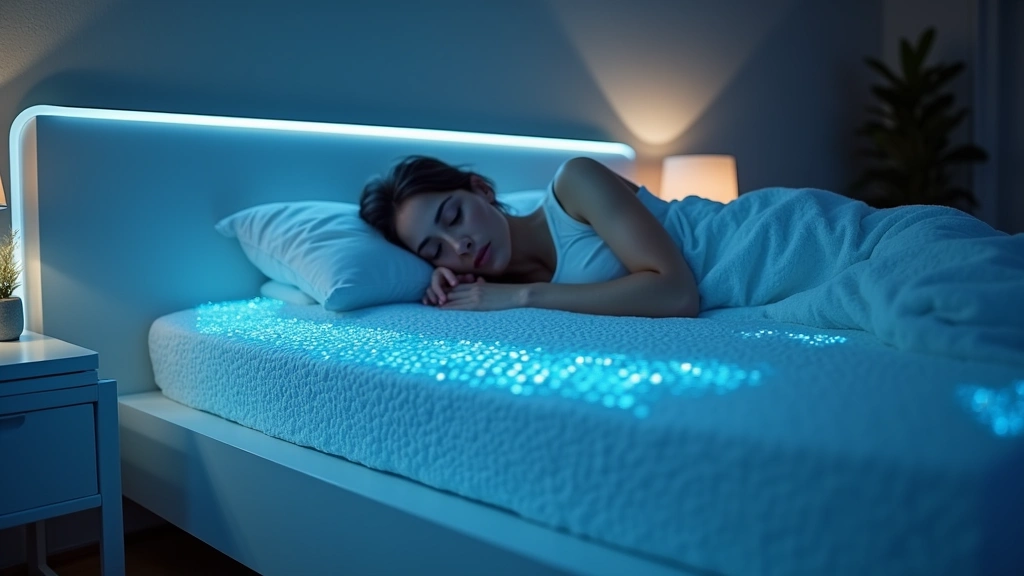
Smart bed technology has emerged as one of the most intriguing innovations in the sleep wellness space, promising to revolutionize how we rest and recover. From temperature regulation to biometric tracking, these intelligent sleep systems claim to optimize sleep quality through advanced sensors and AI-driven algorithms. But does the science back up the marketing hype? This comprehensive guide explores whether smart bed technology delivers measurable benefits or remains an expensive novelty for tech enthusiasts.
The global smart bed market is projected to reach $4.5 billion by 2030, with manufacturers investing heavily in sleep science research. Leading brands like Sleep Number, Eight Sleep, and ReST are pushing the boundaries of what’s possible in personalized sleep optimization. However, consumers deserve transparent answers about effectiveness, cost-benefit ratios, and whether these systems truly improve sleep quality or simply provide entertaining data visualization.
How Smart Bed Technology Works
Smart beds represent a convergence of textile engineering, sensor technology, and artificial intelligence. At their core, these systems use embedded pressure sensors distributed across the mattress surface to detect body position, movement patterns, and biometric data throughout the night. Unlike traditional mattresses, smart beds actively respond to user data by adjusting firmness, temperature, and support in real-time.
The fundamental technology relies on air chambers within the mattress that can inflate or deflate independently, creating customized support zones. These chambers connect to a control system that processes data from built-in sensors and external devices. Many smart beds integrate with artificial intelligence applications that learn individual sleep patterns over time, making predictive adjustments before sleep issues occur.
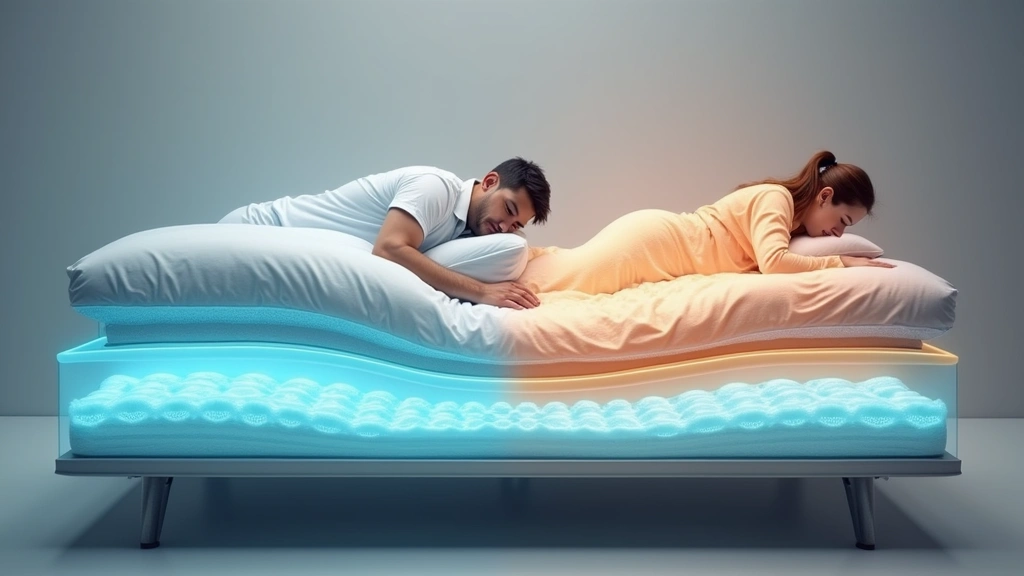
Temperature regulation technology uses thermal conductive materials and heating/cooling elements to maintain optimal sleep conditions. Most systems allow users to set different temperatures for each side of the bed, addressing the common problem of partner temperature incompatibility. The sensors monitor skin temperature and adjust accordingly, maintaining the ideal 65-68 degree Fahrenheit range that sleep scientists recommend.
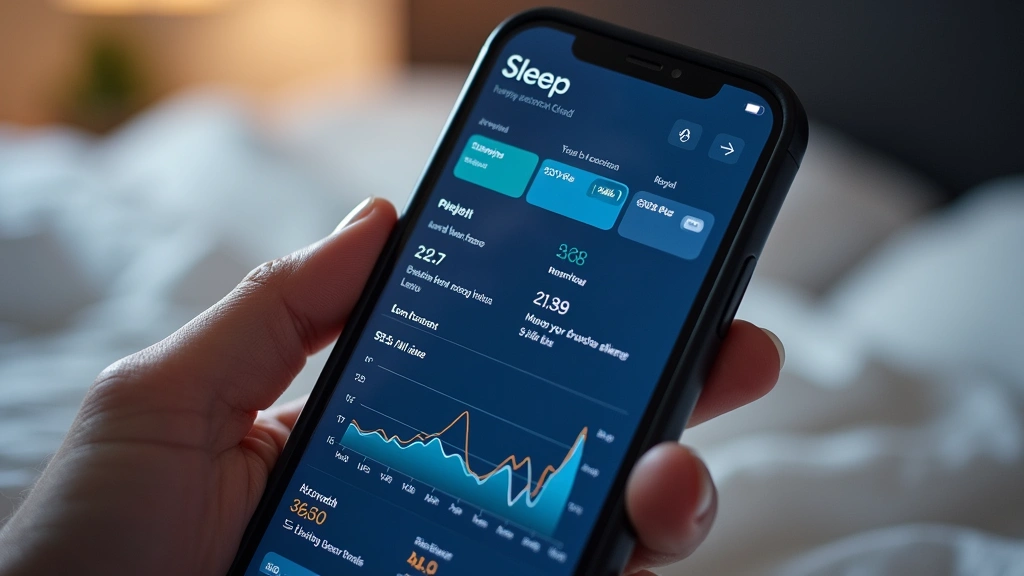
Integration with smartphone apps and voice assistants enables users to control their bed settings remotely and access comprehensive sleep analytics. The data collected includes sleep duration, sleep stages (light, deep, REM), heart rate variability, respiratory rate, and movement patterns. This information feeds into machine learning algorithms that generate personalized recommendations.
Key Features and Capabilities
Modern smart beds offer an impressive array of features designed to address common sleep problems. Biometric tracking stands as the most sophisticated capability, monitoring heart rate, breathing patterns, and sleep stage progression without requiring wearable devices. This hands-free monitoring provides continuous data collection throughout the night without the discomfort of smartwatches or fitness trackers.
The adjustable firmness feature allows users to modify mattress support dynamically. Users can increase firmness for better lumbar support during back sleeping or reduce it while side sleeping. Some systems offer preset configurations for different sleep positions, automatically adjusting when position changes are detected.
Advanced sleep coaching algorithms analyze nightly data and provide actionable recommendations. These might include suggestions to adjust sleep schedule, modify bedroom temperature, or implement relaxation techniques. The AI learns what environmental factors correlate with improved sleep quality for each individual user.
Partner compatibility features address the reality that many people share beds with partners having different sleep preferences. Dual-zone temperature control, independent firmness adjustment, and motion isolation technology prevent one partner’s movements from disrupting the other’s sleep.
Integration with cloud computing benefits enables data synchronization across devices and long-term trend analysis. Users can access their sleep data from any device, share information with healthcare providers, or compare sleep metrics over months and years.
Scientific Evidence and Sleep Studies
The effectiveness of smart bed technology depends heavily on which specific features we’re evaluating. Research from the National Institutes of Health confirms that temperature regulation significantly impacts sleep quality. Studies show that maintaining a cool sleeping environment increases deep sleep duration by 10-15% in most subjects.
Regarding biometric tracking accuracy, independent testing by CNET Labs found that smart bed sensors provide reasonable approximations of sleep stages compared to clinical polysomnography, though not with clinical-grade precision. The correlation coefficient for sleep stage detection ranges from 0.75-0.85, meaning the data is useful for trend analysis but shouldn’t replace medical sleep studies for diagnostic purposes.
The effectiveness of adjustable firmness technology shows mixed results in clinical research. While some studies demonstrate that personalized support reduces back pain and improves sleep quality, the improvements are modest—typically 10-20% compared to standard mattresses. The benefits appear most pronounced for individuals with existing musculoskeletal issues.
Regarding sleep coaching recommendations, research published in Sleep Health Journal indicates that algorithmic sleep recommendations produce better outcomes when combined with behavioral changes. The technology alone doesn’t improve sleep quality; rather, it provides data that helps users make informed decisions about their sleep habits. Users who actively implement recommendations see 20-30% improvements in sleep quality metrics, while passive users experience minimal changes.
One critical finding: the placebo effect plays a substantial role in perceived sleep improvement. Studies show that users expecting benefits from expensive smart beds report better sleep quality even when the technology isn’t actually functioning. This psychological component accounts for approximately 30-40% of reported improvements in subjective sleep quality measures.
Real-World User Experiences
User reviews reveal a significant divide between expectations and reality. Early adopters of premium smart beds report high satisfaction rates when they actively engage with the technology. These users view the detailed sleep analytics as motivating, using the data to optimize sleep habits systematically.
Common positive experiences include:
- Significant reduction in sleep latency (time to fall asleep) through temperature optimization
- Improved sleep continuity for light sleepers sensitive to movement
- Better accommodation of partner sleep differences
- Increased awareness of sleep patterns leading to behavioral changes
- Reduced night sweats through targeted cooling
However, negative experiences frequently emerge after the initial honeymoon period. Users report:
- Diminishing engagement with sleep tracking data after 3-6 months
- Technical issues with air chamber leaks or sensor malfunctions
- Frustration with algorithm accuracy and recommendation relevance
- Subscription costs for advanced features exceeding expectations
- Sleep disruption from adjustment processes, particularly during the learning phase
Long-term user studies show that satisfaction peaks around month 3-4, then gradually declines. By year 2, approximately 40% of smart bed owners report using fewer advanced features, relying primarily on basic temperature control.
Cost Analysis and Value Proposition
Smart bed pricing ranges dramatically based on features and brand positioning. Entry-level models start around $2,000-$3,000, while premium systems exceed $15,000. When amortized over a typical mattress lifespan of 8-10 years, this represents $200-$1,500 annual investment.
The value proposition depends on individual circumstances. For people with specific sleep issues—chronic back pain, temperature regulation problems, or sleep tracking for medical purposes—smart beds may provide justified benefits. For average sleepers seeking general improvement, traditional high-quality mattresses combined with sleep hygiene optimization typically deliver superior cost-benefit ratios.
Consider that Tech Pulse Hunter Blog covers comprehensive technology evaluations showing that many sleep improvements attributed to smart beds actually result from better sleep environment optimization. Spending $500 on blackout curtains, white noise machines, and temperature adjustment is often more effective than $5,000 smart bed technology.
Subscription models add ongoing costs. Many manufacturers charge $10-$20 monthly for premium features like advanced sleep coaching, historical data analysis, and healthcare provider integration. Over 10 years, these subscriptions add $1,200-$2,400 to the total cost.
Comparing Top Smart Bed Models
The smart bed market features several prominent competitors, each with distinct strengths:
Sleep Number 360 offers the most mature technology with decades of research backing its dual-zone air chamber system. The biometric tracking is reliable, and the mobile app provides excellent data visualization. However, it ranks among the most expensive options and requires annual maintenance.
Eight Sleep Pod Pro emphasizes AI-driven sleep coaching and includes integrated sleep tracking without additional wearables. The temperature control spans a broader range (55-110°F) than competitors, appealing to users in extreme climates. Build quality and customer service receive consistent praise, though the system’s complexity can overwhelm non-technical users.
ReST Bed focuses on health-conscious consumers, incorporating advanced biometric tracking and integration with major health platforms. The mattress construction emphasizes sustainability and hypoallergenic materials. However, it’s positioned as a premium product with correspondingly high pricing.
Helix Wedge Adjustable appeals to budget-conscious buyers seeking smart features without premium pricing. It sacrifices some biometric sophistication but delivers solid temperature control and adjustable firmness at competitive rates.
For detailed comparisons and technology reviews from industry experts, consumers should consult multiple sources before committing to expensive purchases.
Privacy and Data Security Concerns
Smart bed technology collects intimate biometric data—heart rate, breathing patterns, sleep position, and movement throughout the night. This information raises significant privacy concerns that deserve careful consideration.
Most smart bed manufacturers collect and store this data on cloud servers, creating potential vulnerability points. FTC regulations require explicit consent for health data collection, but terms of service are often complex and difficult to understand. Users should carefully review data privacy policies before purchasing.
Several manufacturers have faced criticism for vague data sharing practices. Some sell anonymized data to health research organizations or insurance companies, creating potential conflicts of interest. Users concerned about privacy should select manufacturers with explicit commitments against third-party data sales.
End-to-end encryption protects data during transmission, but this varies by manufacturer. Premium models typically offer better security, while budget options may have weaker encryption protocols. Consumers should verify security certifications and read independent security audits before purchasing.
Healthcare integration features—allowing doctors to access sleep data—provide medical benefits but increase privacy risks. Patients should understand exactly which healthcare providers can access their data and maintain control over information sharing.
For those interested in how technology development works, understanding the software architecture underlying smart beds reveals both capabilities and vulnerabilities in data handling.
FAQ
Do smart beds actually improve sleep quality?
Smart beds can improve sleep quality for specific populations—particularly those with temperature sensitivity, chronic pain, or existing sleep disorders. However, for average sleepers, improvements are typically modest (5-15%). The technology works best when users actively engage with recommendations and make behavioral changes. Passive ownership rarely produces significant benefits.
How long do smart beds last?
Quality smart beds typically last 8-10 years, similar to traditional mattresses. However, electronic components may require replacement after 5-7 years. Air chamber durability depends on construction quality, with premium models lasting longer than budget options. Warranty coverage varies significantly between manufacturers.
Can smart beds help with sleep apnea?
Smart beds can detect some breathing irregularities through biometric sensors, but they’re not designed to treat sleep apnea. The technology may help users recognize symptoms and seek medical evaluation, but it shouldn’t replace clinical sleep studies or medical treatment. Always consult healthcare providers about suspected sleep disorders.
Are smart beds worth the investment?
Value depends on individual circumstances. For people with specific sleep issues, chronic pain, or strong interest in sleep optimization, smart beds can justify their cost. For average sleepers seeking general improvement, traditional mattresses combined with sleep hygiene optimization offer better value. Consider a 30-day trial period when available.
What’s the learning curve for smart bed technology?
Most users need 1-2 weeks to adjust to smart bed technology and understand basic functions. Advanced features like algorithm customization may require additional learning. Manufacturers vary in app intuitiveness; some are user-friendly while others feature steep learning curves. Read user reviews about interface design before purchasing.
Do smart beds work with existing sleep tracking devices?
Most smart beds function independently but can integrate with popular health apps like Apple Health, Google Fit, and Oura Ring. Integration quality varies; some provide seamless data synchronization while others require manual data export. Check compatibility before purchasing if you use specific health tracking platforms.
What happens if smart bed technology fails?
If electronic components fail, most smart beds revert to functioning as standard adjustable beds. However, advanced features become unavailable. Warranty coverage typically includes 1-3 years of electronic component protection. Extended warranties are available but add significant cost.


