
Smart Belts: Revolution or Gimmick? Expert Insights on Wearable Belt Technology
The wearable technology market has exploded over the past decade, from smartwatches to fitness trackers, but one category remains surprisingly under-discussed: smart belts. These devices promise to revolutionize how we monitor health, posture, and daily activities by integrating sensors directly into an everyday accessory. But are they genuinely transformative technology, or merely a solution seeking a problem? We’ve analyzed the current landscape of belt tech to provide comprehensive insights into this emerging category.
Smart belts represent an interesting convergence of fashion and function, sitting at the intersection of practical wearables and lifestyle accessories. Unlike wrist-worn devices that dominate the wearable market, smart belts position sensors closer to the body’s core, potentially offering unique biometric advantages. However, the technology faces significant adoption hurdles, manufacturing challenges, and the fundamental question of whether consumers actually need another connected device strapped around their waist.

What Are Smart Belts and How Do They Work?
Smart belts are wearable devices embedded with sensors, processors, and connectivity modules designed to monitor various body metrics and environmental data. The core technology typically includes accelerometers, gyroscopes, and sometimes specialized sensors for measuring body composition or movement patterns. These components work together to create a comprehensive picture of the wearer’s daily activity and health status.
The fundamental advantage of positioning sensors at the waist lies in biomechanics. The abdomen and lower back area provides a stable mounting point that experiences consistent movement patterns, making it ideal for accurate motion tracking. Most smart belts connect via Bluetooth to smartphones or cloud services, allowing real-time data synchronization and analysis. Battery life varies significantly depending on sensor complexity and data transmission frequency, ranging from 3-7 days for basic models to several weeks for minimalist designs.
Manufacturing smart belts presents unique challenges compared to other wearables. The device must remain comfortable during extended wear, resist moisture and perspiration, and maintain structural integrity despite constant flexing and movement. Materials must be both durable and breathable, requiring specialized textiles and waterproofing techniques. The integration of electronics into traditional belt construction demands innovative engineering solutions that balance functionality with wearability.
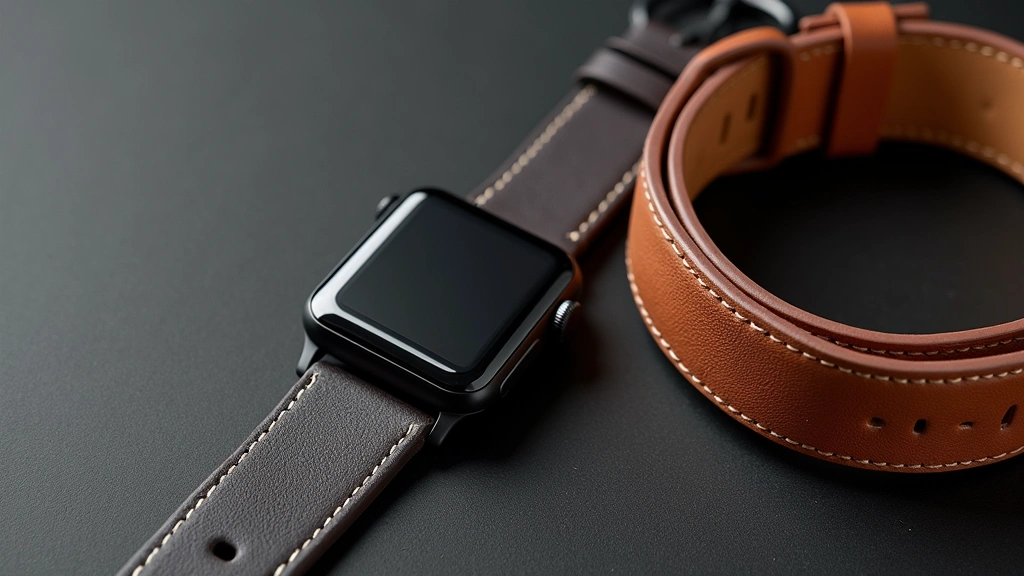
Current Smart Belt Technologies on the Market
Several manufacturers have entered the smart belt space, each with distinct approaches to the technology. The Verge has covered several notable releases, while industry specialists continue monitoring this category closely. The most prominent current offerings include devices focused on posture correction, fitness tracking, and health monitoring applications.
The Welt smart belt combines traditional belt functionality with embedded sensors for activity tracking and inactivity alerts. It measures steps, calories burned, and sitting time while maintaining the aesthetic of a conventional leather belt. ViATOR has developed technology specifically targeting posture improvement, using vibration feedback to alert users when their spinal alignment degrades. These devices typically cost between $150-$400, positioning them in the premium wearables category.
Startup companies continue experimenting with novel applications of belt-based sensing. Some focus on stress detection through respiratory rate monitoring, while others emphasize hydration tracking or core body temperature measurement. The diversity of approaches suggests the market is still in exploration mode, with no clear dominant standard or use case emerging yet.
Health and Fitness Benefits
Smart belts offer legitimate health monitoring advantages that differentiate them from wrist-worn alternatives. The waist position allows for more accurate measurement of core body movement and torso rotation, providing richer data about exercise form and daily movement patterns. For fitness enthusiasts, this translates to better form correction during strength training and more nuanced activity classification during workouts.
Caloric expenditure calculations benefit from waist-based sensors because the core accounts for a significant portion of body movement. Research indicates that abdominal sensors can provide more accurate energy expenditure estimates compared to wrist-worn devices, especially during activities involving significant torso movement like rowing, golfing, or weightlifting. For individuals following comprehensive wellness programs, this accuracy improvement could meaningfully impact dietary adjustments and fitness planning.
Respiratory monitoring represents another advantage of waist-level sensors. The natural expansion and contraction of the abdomen during breathing provides clear biomechanical signals for measuring breathing rate and depth. This capability proves valuable for stress monitoring, sleep quality assessment, and early detection of respiratory issues. Some advanced smart belts integrate this data with heart rate information from other devices to provide holistic cardiovascular health insights.
Posture Correction and Ergonomic Applications
Perhaps the most compelling use case for smart belt technology involves posture monitoring and correction. Unlike smartwatches that struggle to accurately detect spinal misalignment, belt-based sensors can directly measure trunk angle and positioning. This makes smart belts particularly valuable for office workers, students, and anyone spending extended periods seated.
The ergonomic applications extend beyond simple posture alerts. Advanced systems can track postural habits throughout the day, identifying patterns of slouching and providing data-driven insights about when and where poor posture occurs most frequently. This information helps users understand their behavioral patterns and make conscious corrections. Some devices employ gentle vibration feedback that trains users to maintain proper alignment without requiring constant conscious attention.
Physical therapists and rehabilitation specialists have shown interest in smart belt technology for post-injury recovery and chronic pain management. Proper posture significantly impacts back pain, neck strain, and shoulder tension. By providing objective posture data and real-time correction feedback, smart belts could reduce recovery time and prevent regression during rehabilitation. However, clinical validation of these benefits remains limited, with most studies still in preliminary stages.
The Case for Smart Belts
Advocates for smart belt technology point to several compelling arguments supporting broader adoption. First, the waist position offers biomechanical advantages over wrist-worn alternatives for certain measurements. The stability and proximity to the body’s core enables more accurate assessment of core movement, breathing patterns, and spinal alignment. For users seeking precision health data, this represents meaningful improvement over existing wearable options.
Second, smart belts address a genuine fashion and convenience concern. Unlike smartwatches that require charging and create visible wrist wear, smart belts integrate seamlessly into existing wardrobes. Users already wear belts daily, so adding intelligence to this essential accessory requires no behavioral change or additional device management. This integration advantage could drive adoption among demographics resistant to traditional wearables.
Third, the technology enables novel applications impossible with existing wearables. Stress detection through respiration monitoring, core temperature measurement, and advanced posture analysis represent new data categories that could unlock personalized health insights. For individuals managing chronic conditions or pursuing optimization-focused wellness, these capabilities justify device adoption and subscription costs.
Finally, smart belt technology remains in early stages, suggesting significant room for improvement. As manufacturing techniques mature and sensor technology advances, costs will decline while functionality expands. Early adopters today are essentially funding the development of infrastructure and software that will benefit the broader market in future years. This mirrors the adoption trajectory of smartwatches and fitness trackers, which have become mainstream despite initial skepticism.
The Case Against Smart Belts
Critics raise equally valid concerns about whether smart belts represent genuine innovation or misguided product development. The most fundamental objection centers on the solution-in-search-of-problem phenomenon. Wrist-worn devices already provide adequate activity tracking, heart rate monitoring, and basic health metrics for most consumers. What specific problem does a smart belt solve that existing wearables cannot address?
The practical challenges of smart belt ownership create friction points that wristbands avoid. Belts require proper fit, and fit varies significantly based on body composition, clothing choices, and time of day. A belt that fits perfectly in the morning may be too loose after eating or too tight after exercise. This variability complicates consistent sensor calibration and data accuracy. Additionally, belts require removal for certain activities and clothing changes, creating usage gaps that smartwatches don’t encounter.
Battery management presents another friction point. Smart belts cannot rely on wireless charging like many smartwatches, instead requiring physical charging ports that must be sealed against moisture. This design constraint limits charging convenience and introduces potential durability issues. Users accustomed to smartwatch charging experiences may find smart belt charging more cumbersome and unreliable.
The market fragmentation issue deserves serious consideration. Unlike smartwatches where Apple Watch dominates and competitors have established ecosystems, smart belts lack any clear standard or dominant player. This fragmentation means users cannot easily switch between brands, creating lock-in concerns. The software ecosystem remains immature, with most devices offering basic apps that lack the polish and feature richness of established wearable platforms.
Cost represents another significant barrier. Smart belts typically cost $150-$400, positioning them as premium purchases that require strong value justification. For comparison, users can purchase excellent smartwatches at similar price points with more mature ecosystems, established software libraries, and proven reliability. The value proposition becomes harder to articulate when direct competitors exist in the same price range.
Expert Consensus and Future Outlook
Technology analysts and wearable industry experts remain cautiously skeptical about smart belt mass adoption. CNET’s reviews of smart belt devices consistently highlight impressive sensor accuracy while questioning real-world utility. The consensus suggests smart belts will remain niche products serving specific use cases rather than mainstream wearables.
However, experts acknowledge several scenarios where smart belt technology could achieve broader relevance. Integration with enterprise wellness programs could drive adoption among corporate users focused on ergonomics and posture. Healthcare providers treating back pain, obesity, and metabolic disorders might incorporate smart belts into clinical protocols. Specialized applications in athletics and physical therapy represent additional growth vectors where precise posture and movement data justifies the technology investment.
The convergence of smart belts with broader wearable ecosystems could accelerate adoption. If smart belts function as complementary devices that enhance data from smartwatches and fitness trackers rather than standalone products, the value proposition strengthens significantly. Users might accept smart belts as specialized tools that provide posture and core movement data while their smartwatches handle general activity tracking and notifications.
Manufacturing innovations could reduce costs and improve reliability, making smart belts more accessible to mainstream consumers. Flexible electronics and advanced textiles may eventually enable smart belts that feel indistinguishable from conventional belts while offering sophisticated sensor capabilities. This technological maturation could transform smart belts from luxury gadgets into affordable, practical wearables.
The comparison with similar emerging technologies proves instructive. Augmented reality glasses, foldable phones, and other cutting-edge devices initially faced skepticism but gradually found their audiences as technology matured and use cases clarified. Smart belts may follow a similar trajectory, beginning as niche products for enthusiasts and specialists before potentially expanding to broader markets as the ecosystem matures.
Smart Belts in the Broader Wearable Context
Understanding smart belts requires context within the larger wearable technology landscape. The sector has evolved dramatically since early fitness trackers, with devices now offering sophisticated health monitoring, payment capabilities, and seamless ecosystem integration. Smart belts must compete not only with smartwatches but also with rings, patches, and other emerging form factors.
The success of wearables depends heavily on ecosystem maturity. Apple’s dominance in smartwatches stems largely from deep integration with iOS and the App Store ecosystem. Smart belts lack comparable platform advantage, forcing manufacturers to build software and services independently. This represents enormous resource investment that most smart belt companies cannot justify given uncertain market demand.
For individuals interested in optimizing their tech setup, exploring current technology trends and understanding how different devices complement each other provides valuable context. Smart belts should be evaluated not in isolation but as part of comprehensive personal tech ecosystems where multiple devices work together.
The role of artificial intelligence in wearables deserves attention when discussing smart belt future potential. Machine learning algorithms could extract deeper insights from posture and movement data, enabling personalized recommendations and predictive health alerts. As AI integration becomes standard in wearables, smart belts that incorporate sophisticated algorithms could offer advantages over simpler competitors.
FAQ
Are smart belts worth buying in 2024?
Smart belts make sense primarily for users with specific needs: chronic back pain management, professional posture optimization, or serious fitness enthusiasts seeking detailed core movement data. For general activity tracking, smartwatches offer better value and mature ecosystems. Early adopters willing to experiment with emerging technology should research specific models carefully.
How accurate are smart belt sensors?
Smart belt sensors demonstrate good accuracy for posture and movement measurement, often outperforming wrist-worn alternatives for core body tracking. However, accuracy varies by manufacturer and sensor quality. Independent testing from tech reviewers remains limited, so verifying accuracy claims through user reviews and available studies is essential.
Can smart belts replace smartwatches?
No. Smart belts and smartwatches serve different purposes. Smartwatches excel at notifications, payment, and wrist-level biometrics. Smart belts specialize in posture and core movement tracking. The ideal approach involves using complementary devices rather than expecting one to replace the other.
What battery life can I expect?
Most smart belts offer 3-7 days of battery life depending on sensor frequency and connectivity. Some minimalist designs claim longer duration by reducing sensor sampling rates. Actual battery life varies significantly based on usage patterns and environmental factors.
Are smart belts waterproof?
Most current smart belts offer water resistance suitable for daily wear and light rain, but full waterproofing for swimming remains rare. Users should verify specific IP ratings before purchasing if water exposure concerns them.
How much do smart belts cost?
Smart belt prices typically range from $150-$400. Premium models with advanced sensors and materials cost more, while basic models occasionally appear at lower price points. This positions smart belts as premium wearables requiring careful value assessment.


