Beltline Campus Tech: What You Need to Know
The Beltline Campus in Midlands represents a cutting-edge hub for technology education and innovation, attracting students and professionals eager to master the digital landscape. Located in a region experiencing rapid tech sector growth, this campus serves as a bridge between traditional computer science education and real-world industry applications. Whether you’re considering enrollment, planning your tech career, or exploring the campus’s facilities and resources, understanding what makes Beltline Campus a premier destination for tech learning is essential.
From state-of-the-art computer labs to partnerships with leading tech companies, the Beltline Campus Midlands tech ecosystem offers comprehensive programs designed to prepare the next generation of developers, engineers, and innovators. This guide covers everything prospective students and tech professionals need to know about pursuing education and career opportunities at this dynamic institution.
Campus Facilities and Infrastructure
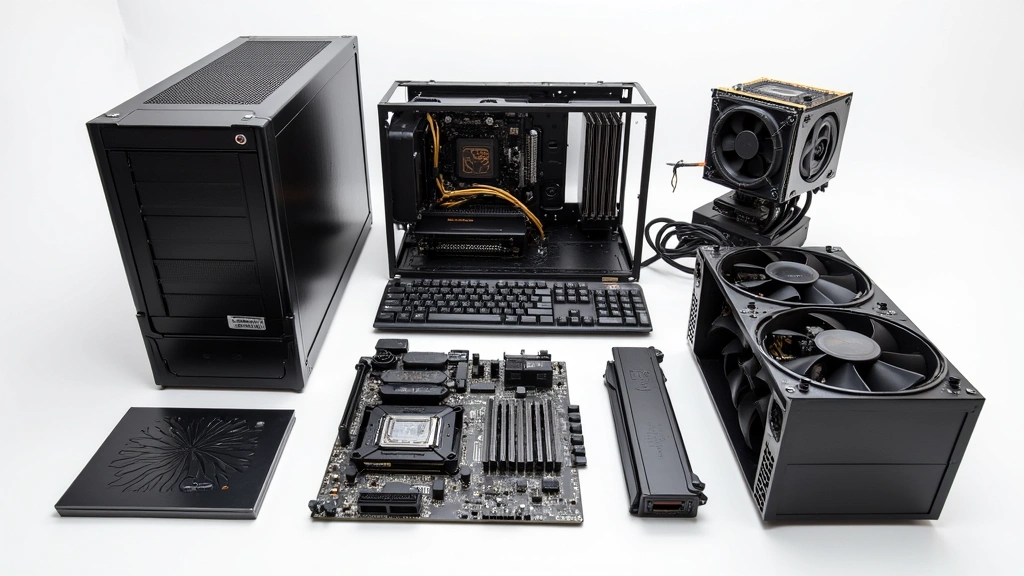
The Beltline Campus Midlands tech facilities represent a significant investment in modern computing infrastructure. The campus features multiple dedicated computer labs equipped with high-performance workstations, allowing students to work on resource-intensive projects including 3D rendering, machine learning models, and enterprise-level application development. Each lab is maintained with current hardware specifications that match industry standards, ensuring students graduate with hands-on experience using professional-grade equipment.
The networking infrastructure at Beltline Campus supports gigabit-speed connectivity throughout all buildings, with redundant systems ensuring 99.9% uptime during critical academic periods. Cloud computing labs provide access to major platforms including Amazon Web Services (AWS), Microsoft Azure, and Google Cloud Platform, giving students practical experience with the infrastructure technologies that power modern digital services.
Beyond computing facilities, the campus includes dedicated spaces for collaborative learning. Innovation labs encourage cross-disciplinary projects where computer science students work alongside engineering and design students. The campus library features an extensive collection of technical resources, including subscriptions to technology learning platforms and industry publications, ensuring students remain current with emerging trends.
Academic Programs and Specializations
Beltline Campus offers comprehensive degree programs spanning multiple tech disciplines. The core curriculum includes foundational computer science courses covering algorithms, data structures, and discrete mathematics, which form the theoretical backbone for all technical specializations. Students typically complete these fundamentals before advancing to specialized tracks.
The Software Development track aligns with the pathway to becoming a software developer, emphasizing full-stack development, version control systems like Git, and agile methodologies. Students learn multiple programming paradigms through hands-on projects, preparing them for diverse roles in the industry.
Specialized programs include Artificial Intelligence and Machine Learning, which explores AI applications transforming various industries. The curriculum covers neural networks, deep learning frameworks, natural language processing, and computer vision. Students work with datasets of increasing complexity and learn to evaluate model performance using industry-standard metrics.
For those interested in sustainable technology, the Green Technology and Renewable Energy Systems program connects technology innovations with renewable energy solutions. This program addresses the growing demand for tech professionals who understand both software development and environmental sustainability.
The Cybersecurity specialization has gained prominence due to increasing threats to digital infrastructure. Students learn penetration testing, network security protocols, cryptography, and compliance frameworks like HIPAA and GDPR. Hands-on labs simulate real attack scenarios, preparing graduates for roles protecting critical systems.
Database Administration and Data Engineering programs prepare students for roles managing increasingly complex data ecosystems. The curriculum covers SQL and NoSQL databases, data pipeline architecture, and analytics tools. With programming languages evolving for 2025 and beyond, students learn Python, Scala, and specialized data processing languages.
Tech Stack and Development Tools
The Beltline Campus tech curriculum emphasizes industry-relevant technologies rather than outdated frameworks. Students gain proficiency across multiple programming languages including Python, Java, JavaScript, C++, and Go, ensuring versatility in the job market. The selection reflects actual industry demand, with Python dominating data science roles and JavaScript essential for web development.
Version control and collaboration tools form a critical component of the curriculum. Students work extensively with Git, GitHub, and GitLab, understanding branching strategies, code review processes, and continuous integration/continuous deployment (CI/CD) pipelines. These skills prove essential when joining professional development teams.
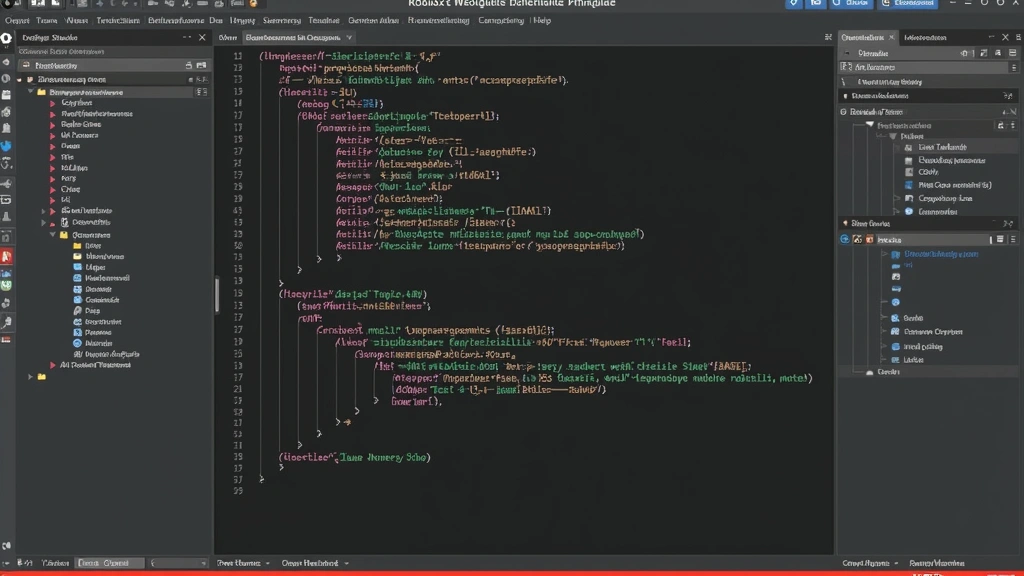
Development environments and IDEs taught include Visual Studio Code, IntelliJ IDEA, and specialized tools for different domains. Rather than forcing one tool, instructors teach students to adapt to whatever environment their future employers use. This flexibility distinguishes Beltline Campus graduates in hiring processes.
Cloud platform proficiency spans AWS services (EC2, S3, Lambda, RDS), Azure resources, and Google Cloud tools. Students deploy applications at scale, understanding containerization through Docker and orchestration with Kubernetes. These containerization skills have become non-negotiable for modern DevOps and backend development roles.
Database technologies taught include PostgreSQL, MySQL, MongoDB, and specialized data warehouses. Students understand when to choose relational versus non-relational databases, how to optimize queries, and how to design schemas for performance. Many courses include real-world case studies analyzing how major tech companies structure their databases.
Testing frameworks and quality assurance tools receive dedicated attention. Students learn unit testing with frameworks like Jest and pytest, integration testing strategies, and test-driven development (TDD) methodologies. Understanding code quality metrics through tools like SonarQube prepares students for enterprise development environments where code standards are strictly enforced.
Industry Partnerships and Internships
The Beltline Campus maintains strategic partnerships with major technology companies, creating pathways for internships and full-time employment. These partnerships extend beyond recruitment to curriculum development, ensuring academic content reflects actual industry needs. Partner companies provide guest lectures, sponsor capstone projects, and offer mentorship programs.
Internship placements through Beltline Campus programs typically occur during the second and third years of study. Students work on real projects with professional teams, gaining experience that significantly enhances their resumes. Many internship programs lead directly to full-time offers upon graduation, with companies recognizing the quality of training Beltline Campus provides.
Cooperative education programs allow students to alternate between semesters of coursework and full-time work. This model, while extending time to graduation, provides substantial financial benefits and deeper professional experience. Graduates from co-op programs often command higher starting salaries due to their practical work history.
Industry advisory boards meet quarterly to ensure curriculum remains relevant. These boards include hiring managers, architects, and technical leaders who provide feedback on skills gaps and emerging technologies. This direct connection to industry decision-makers distinguishes Beltline Campus from institutions with purely academic governance.
Student Resources and Support
Academic success at Beltline Campus is supported through comprehensive tutoring programs. Peer tutors, many of whom are advanced students, provide free sessions covering challenging concepts. Professional tutors specializing in mathematics and theoretical computer science are available for students needing additional support with foundational material.
Career services at the campus extend beyond job placement. Resume workshops help students articulate technical skills effectively for different roles. Mock interview sessions with industry professionals prepare students for behavioral and technical interviews. Students receive guidance on negotiating offers and understanding compensation packages.
Mental health and wellness resources recognize that tech education demands significant mental effort. Counseling services, stress management workshops, and study skills training support student wellbeing. The campus recognizes that sustainable learning requires attention to physical and mental health alongside academic rigor.
Networking events throughout the academic year connect students with professionals from partner companies. Hackathons, tech talks, and industry mixers provide informal settings for building professional relationships. Many lasting career opportunities originate from connections made at these campus events.
The campus library and learning commons provide quiet study spaces and collaborative work areas. Specialized tech libraries maintain current books on emerging technologies, complementing digital resources. Librarians trained in technology research assist students in finding academic papers and technical documentation.
Career Outcomes and Alumni Success
Beltline Campus graduates report strong employment outcomes, with placement rates exceeding 95% within six months of graduation. Median starting salaries for software development graduates exceed $75,000, with specialized roles in machine learning and cybersecurity commanding higher initial compensation. These statistics place Beltline Campus graduates competitively within the broader tech employment market.
Alumni networks extend across major tech hubs including San Francisco, New York, Austin, and Seattle. Graduates often return as guest speakers, mentors, and recruiters, creating a pipeline of opportunity for current students. The alumni community actively shares job opportunities and provides career guidance to recent graduates.
Notable alumni have founded startups, joined FAANG companies, and established themselves as technical leaders across industries. The campus maintains detailed tracking of graduate outcomes, allowing prospective students to research career trajectories of recent graduates in their fields of interest.
Continuing education resources for alumni support career advancement beyond initial placement. Professional development courses, certification programs, and leadership training help alumni progress from individual contributor roles to senior technical and management positions. This lifelong learning approach reflects the rapidly evolving nature of technology careers.
Admission Requirements and Application Process
Admission to Beltline Campus tech programs requires a strong foundation in mathematics and analytical thinking. Most programs require completion of calculus and physics at the high school or college level. Students without these prerequisites can complete bridge programs before beginning degree coursework.
Standardized test scores (SAT or ACT) are considered but not determinative. The admissions committee evaluates the full application, including essays demonstrating passion for technology and problem-solving ability. Work experience or personal projects showcase practical capability beyond academic metrics.
For students considering best laptops for students in 2025, the campus provides specifications for required hardware. Minimum requirements ensure students can run development environments and virtualization software necessary for coursework.
Application deadlines vary by program, with early decision options available for committed applicants. Rolling admissions for many programs allow flexibility in application timing. International students follow additional documentation requirements and may need to demonstrate English language proficiency.
Financial aid packages combine institutional scholarships, federal grants, and work-study opportunities. The financial aid office works with students to develop sustainable financing plans. Merit scholarships reward strong academic performance and demonstrated technical ability through coding assessments or portfolio submissions.

Technology Trends at Beltline Campus
The campus actively integrates emerging technologies into curriculum and research. Blockchain technology courses examine distributed systems, cryptographic principles, and practical applications beyond cryptocurrency. Students explore smart contracts, consensus mechanisms, and real-world use cases in supply chain and healthcare.
Quantum computing represents the frontier of computing research. While full quantum computers remain specialized, the campus provides theoretical foundations and access to quantum simulators. Students understand quantum algorithms, quantum error correction, and potential applications in optimization and cryptography.
Extended reality (XR) technologies including augmented reality (AR) and virtual reality (VR) are explored through dedicated labs. Students develop immersive applications, understanding spatial computing, motion tracking, and user experience design for three-dimensional environments. These skills address growing demand in gaming, training, and enterprise applications.
Edge computing and Internet of Things (IoT) programs prepare students for the distributed computing paradigm. Coursework covers embedded systems, real-time operating systems, and protocols for device communication. Students work with microcontroller platforms and develop applications for smart home and industrial IoT scenarios.
Sustainability in technology receives increasing emphasis. Students learn to evaluate environmental impact of computing infrastructure, design energy-efficient algorithms, and develop software solutions for environmental monitoring and conservation.
Campus Culture and Community
Beltline Campus cultivates a culture emphasizing collaboration and knowledge sharing. Student clubs focused on different technologies—from game development to cybersecurity—provide informal learning communities. These clubs often compete in regional and national competitions, gaining recognition and improving their portfolios.
Diversity and inclusion initiatives ensure the tech community at Beltline Campus reflects broader society. Programs specifically support women in technology, underrepresented minorities, and first-generation students. Mentorship programs pair students from underrepresented groups with successful professionals who provide guidance and advocacy.
The campus hosts regular hackathons where students collaborate intensively on projects over 24-48 hour periods. These events showcase creativity, build teamwork skills, and often produce portfolio-worthy projects. Winning teams receive recognition, prizes, and potential internship opportunities with sponsoring companies.
Open source contribution is encouraged, with many professors assigning projects that contribute to established open source projects. Students understand collaborative development workflows and build portfolios with visible contributions to recognized software.

Making Your Decision
Choosing to attend Beltline Campus represents a significant investment in your technology career. The combination of rigorous academics, industry partnerships, quality facilities, and supportive community creates an environment conducive to learning and professional development. Prospective students should visit campus, speak with current students and faculty, and carefully evaluate whether the program aligns with their career aspirations.
The Beltline Campus Midlands tech ecosystem continues evolving to meet industry demands. Whether you’re interested in traditional software development, emerging fields like AI and quantum computing, or specialized domains like cybersecurity, the campus provides comprehensive preparation. The strength of alumni networks and employer relationships means that a Beltline Campus degree opens doors throughout the technology industry.
Your technology career begins with the foundation you build during your education. Beltline Campus offers the infrastructure, expertise, and community necessary to build that foundation effectively and launch a successful career in an increasingly technology-driven world.
FAQ
What programming languages should I learn before attending Beltline Campus?
While prior programming experience helps, it’s not required. Most programs assume no coding knowledge and teach fundamentals from the beginning. If you have time before enrollment, learning Python basics provides a helpful head start, but it’s not necessary for admission.
Does Beltline Campus offer online learning options?
The campus primarily operates through in-person instruction to maximize hands-on lab experience and collaboration. However, some courses may offer hybrid formats. Contact admissions for current information about flexible learning options.
What is the typical class size for core courses?
Introductory courses may have 100-150 students for lectures, with smaller lab sections of 20-30 students where hands-on work occurs. Upper-level courses typically have 30-50 students, allowing more interaction with instructors.
How much does attendance at Beltline Campus cost?
Tuition varies based on in-state/out-of-state status and specific program. Contact the financial aid office for current rates and financing options. Many students receive scholarships reducing the actual cost below published tuition rates.
Can I transfer credits from another institution?
Yes, Beltline Campus evaluates transfer credits from accredited institutions. Courses must align with curriculum requirements and typically require a grade of C or better. The admissions office provides detailed transfer credit evaluations.
What career support exists after graduation?
Alumni career services remain available indefinitely. The campus maintains job boards, connects alumni with recruiters, and provides resume and interview support throughout graduates’ careers. The strong alumni network also provides informal mentorship and job leads.