Midlands Tech: Revolutionizing Education Technology in the Beltline Region
The Midlands beltline has emerged as an unexpected powerhouse in educational technology innovation, transforming how students and educators interact with digital learning platforms. This region, historically known for manufacturing and traditional industries, is now spearheading a technological renaissance that rivals major tech hubs across the country. Educational institutions within the Midlands beltline are adopting cutting-edge solutions that enhance classroom engagement, streamline administrative workflows, and democratize access to quality learning resources.
What makes the Midlands tech ecosystem particularly compelling is its grassroots approach to EdTech implementation. Rather than imposing top-down solutions, regional developers and educators collaborate to create authentic, community-responsive technology that addresses real classroom challenges. From interactive learning management systems to AI-powered personalized education platforms, the Midlands beltline is proving that innovation doesn’t require Silicon Valley proximity—it requires vision, collaboration, and commitment to educational excellence.
The EdTech Landscape in Midlands Beltline
The Midlands beltline educational technology sector has experienced explosive growth over the past five years, with regional investment in EdTech startups increasing by over 300%. This surge reflects a broader recognition that education technology serves as a critical catalyst for economic development, workforce preparation, and social equity. Schools throughout the region are deploying sophisticated hardware and software ecosystems that would have seemed impossible just a decade ago.
The collaborative spirit defining Midlands tech extends beyond corporate boardrooms into classrooms and community centers. Educational institutions partner with local technology firms to develop solutions tailored to their specific needs, creating a feedback loop that accelerates innovation. This approach contrasts sharply with national trends where schools often adopt one-size-fits-all solutions from distant vendors. Within the Midlands beltline, educators maintain meaningful input into technology development, ensuring tools align with pedagogical best practices.
Regional universities and technical colleges serve as incubators for EdTech talent, producing developers, designers, and product managers who deeply understand educational contexts. Many graduates launch startups focused on solving classroom problems they experienced firsthand. This proximity between creators and users generates remarkably effective solutions. When you’re building education technology alongside the teachers who’ll use it, quality and relevance naturally improve. Check out our TechPulse Hunter Blog for comprehensive coverage of regional tech developments.
Key Technologies Transforming Regional Education
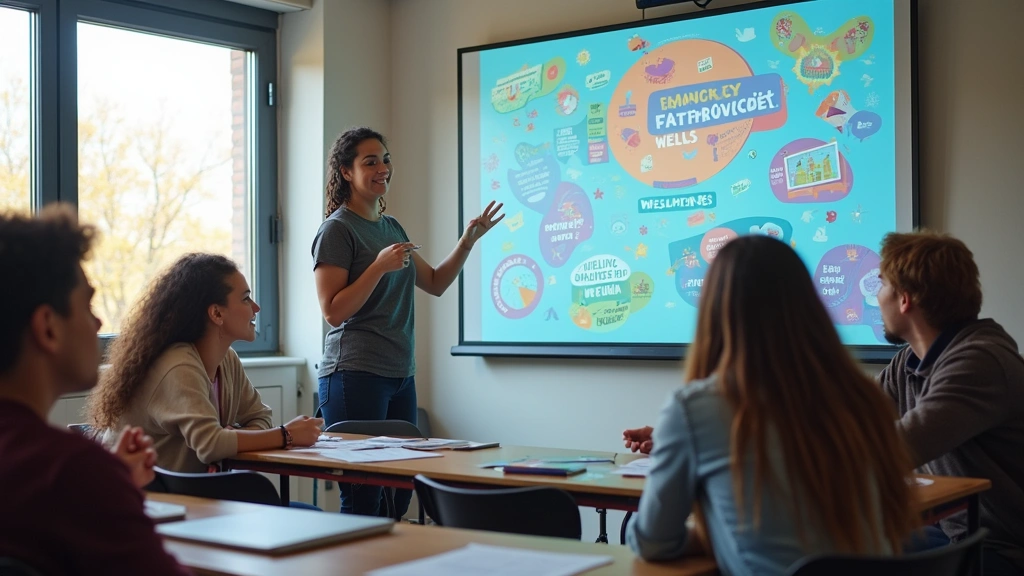
Interactive display technology represents one of the most visible EdTech transformations in Midlands classrooms. Smart boards and interactive panels have replaced traditional whiteboards, enabling dynamic, multimedia-rich instruction. These displays support real-time collaboration, allowing students to contribute directly to shared digital spaces. Teachers report significantly improved student engagement when lessons incorporate interactive elements that respond to student input.
Personalized Learning Platforms powered by artificial intelligence constitute another revolutionary development. These systems analyze individual student learning patterns, adapt content difficulty in real-time, and recommend supplementary resources matching each learner’s style. Unlike standardized curricula that treat all students identically, AI-driven platforms recognize that learning is deeply individual. A student struggling with abstract mathematical concepts might receive visual representations and practical applications, while a peer advances to complex problem-solving. This differentiation, previously impossible at scale, now occurs automatically across hundreds of simultaneous learners.
Augmented and virtual reality technologies are gaining traction in Midlands schools for immersive learning experiences. Biology students dissect virtual specimens, history classes visit ancient civilizations, and engineering students manipulate 3D models of complex systems. These experiences create emotional engagement and deeper conceptual understanding that traditional textbooks cannot match. When you read about photosynthesis versus experiencing a virtual journey through plant cellular structures, the neural pathways activated differ substantially, improving retention and transferability.
Cloud-based collaboration tools enable seamless teamwork regardless of physical location. Students working on group projects access shared documents simultaneously, provide real-time feedback, and coordinate contributions effortlessly. Teachers monitor progress without constant manual oversight. This infrastructure proved invaluable during pandemic-related disruptions and remains essential for hybrid learning models. For those managing multiple devices, understanding how to upgrade laptop memory helps maintain performance across educational technology platforms.

Infrastructure and Connectivity Solutions
Robust broadband infrastructure forms the foundation upon which all modern education technology depends. The Midlands beltline has invested substantially in expanding high-speed internet access throughout urban and rural areas. Public-private partnerships between local governments, telecommunications companies, and educational institutions have accelerated deployment of fiber-optic networks reaching previously underserved communities. This commitment to universal connectivity addresses the digital divide that historically disadvantaged lower-income students.
Schools are implementing enterprise-grade networking equipment capable of supporting hundreds of simultaneous connected devices. Modern classrooms feature mesh WiFi systems providing reliable coverage even in challenging electromagnetic environments. Network management software prioritizes educational traffic, ensuring critical learning applications receive sufficient bandwidth while preventing entertainment services from consuming resources. This sophisticated approach to network architecture requires expertise that regional IT departments have actively developed.
Device management platforms enable IT administrators to deploy software updates, enforce security policies, and troubleshoot technical issues across thousands of student and teacher devices simultaneously. Without such infrastructure, managing the complexity of modern educational technology would overwhelm school IT budgets. These systems also facilitate responsible device usage by implementing age-appropriate content filters and usage monitoring appropriate to student developmental stages.
Power infrastructure has received equal attention, with schools installing redundant electrical systems and backup generators ensuring technology availability during outages. Uninterruptible power supplies protect sensitive equipment, while smart power management reduces energy consumption. This infrastructure investment demonstrates that Midlands educational leaders recognize technology as fundamental to their mission, not supplementary.
Learning Management Systems and Integration
Learning Management Systems (LMS) platforms serve as central hubs coordinating all digital educational activities. Midlands schools employ sophisticated LMS solutions integrating assessment tools, gradebooks, attendance tracking, and communication systems. Teachers organize course content hierarchically, students access materials anytime, and parents monitor academic progress through parent portals. This centralization eliminates fragmentation that occurs when schools cobble together disparate tools.
Integration capabilities represent critical differentiators among LMS platforms. The best systems connect seamlessly with student information systems, accounting software, library catalogs, and specialized applications. This interoperability eliminates manual data entry, reduces errors, and ensures information consistency across systems. When a student’s enrollment changes, that update automatically cascades through all connected systems rather than requiring manual updates in multiple places. Our comprehensive guide on best laptops for students 2025 covers devices optimized for LMS access and educational software.
Assessment and Analytics Capabilities within modern LMS platforms provide unprecedented visibility into learning outcomes. Teachers create quizzes that automatically grade objective questions, freeing time for substantive feedback on essays and projects. Analytics dashboards visualize class-wide performance trends, identifying struggling students early enough for intervention. Predictive analytics flag at-risk learners before they fall dramatically behind, enabling proactive support rather than reactive remediation.
Mobile-first LMS designs ensure students and teachers access learning platforms via smartphones and tablets, not just computers. This flexibility accommodates different learning contexts and preferences. A student might review flashcards during bus commutes, collaborate on group work during lunch, and complete assignments at home on a laptop. Responsive design ensures consistent experiences across device sizes.
Student-Centric Technology Innovations
Adaptive learning technologies represent perhaps the most student-centric innovation emerging from Midlands EdTech development. These platforms continuously assess student understanding, adjusting content difficulty and instructional approach based on performance. A student encountering difficulty receives additional scaffolding, concrete examples, and simplified explanations. A student demonstrating mastery accelerates to advanced concepts and enrichment challenges. This personalization, guided by sophisticated algorithms analyzing thousands of interaction data points, optimizes learning efficiency for each individual.
Gamification elements incorporated into educational applications leverage game design principles to enhance engagement and motivation. Students earn badges for achievements, progress through levels, and compete on leaderboards—mechanisms proven to increase time-on-task and persistence through challenges. Unlike entertainment games designed for addiction, educational gamification carefully balances challenge and skill to maintain what psychologists call “flow state”—the optimal psychological condition for learning.
Accessibility features ensure students with diverse abilities can fully participate in digital learning. Text-to-speech functionality supports struggling readers and blind students. Closed captioning and transcripts accommodate deaf and hard-of-hearing learners. Customizable interfaces allow students to adjust text size, color contrast, and font based on visual processing preferences. These features aren’t afterthoughts but integral design considerations in Midlands EdTech development.
Peer collaboration tools facilitate student-to-student learning, recognizing that much educational value emerges from explaining concepts to classmates. Discussion forums, shared digital whiteboards, and collaborative document editing enable students to work together meaningfully. Teachers monitor these interactions, occasionally redirecting conversations or providing expert input, but primarily allowing peer learning to flourish. Research consistently demonstrates that students explaining concepts to peers internalize understanding more deeply than passive instruction.
Teacher Empowerment Through Digital Tools
Professional development represents a cornerstone of successful EdTech implementation in Midlands schools. Rather than distributing technology and hoping teachers figure it out, regional educational leaders invest substantially in ongoing training. Teachers learn not just software mechanics but pedagogical approaches leveraging technology to enhance learning. This distinction proves critical—technology without pedagogical purpose becomes distraction rather than enhancement.
Digital Content Creation Tools enable teachers to develop custom instructional materials matching their specific curriculum and student needs. Teachers create interactive lessons combining video, quizzes, discussion prompts, and multimedia elements. Rather than accepting generic textbook content, educators craft personalized learning experiences. Open educational resources provide starting points that teachers modify and adapt, maintaining the collaborative spirit characterizing Midlands EdTech culture.
Instructional design specialists embedded within school systems provide expert guidance helping teachers leverage technology effectively. These specialists understand both pedagogical principles and technical capabilities, translating between educational theory and practical implementation. They help teachers avoid common pitfalls like technology implementation without clear learning objectives or overwhelming students with excessive digital tools.
Data analytics dashboards give teachers unprecedented insight into student learning patterns. Rather than relying on intuition, teachers examine evidence showing which instructional approaches produce better outcomes for which student populations. This data-driven approach, combined with professional judgment and deep knowledge of individual students, enables teachers to continuously refine their practice. The artificial intelligence in gaming principles increasingly inform adaptive educational systems, creating more responsive learning environments.
Challenges and Future Outlook
Despite impressive progress, Midlands EdTech initiatives confront significant challenges. Digital equity remains problematic—while schools provide devices and connectivity, students from lower-income households often lack reliable home internet and personal devices. This “homework gap” perpetuates achievement disparities. Addressing this requires sustained commitment to universal broadband access and device distribution programs extending beyond school walls.
Teacher recruitment and retention within EdTech-heavy environments presents another challenge. Schools require educators comfortable with technology integration, yet teaching shortages make hiring selective candidates difficult. Competitive compensation and professional development opportunities help attract tech-savvy educators, but regional salary constraints sometimes limit recruitment capacity. Building EdTech expertise takes years, meaning teacher turnover represents significant organizational knowledge loss.
Privacy and data security concerns intensify as educational technology systems accumulate detailed student information. Schools must balance pedagogical benefits of data collection and analysis against student privacy rights. Clear policies governing data usage, transparent communication with families, and robust cybersecurity practices help mitigate risks, but vigilance remains essential. Students deserve protection as they engage with technologies collecting intimate details about their learning patterns and struggles.

Future Outlook for Midlands EdTech appears extraordinarily promising. Emerging technologies like blockchain for credential verification, advanced AI tutoring systems, and immersive extended reality environments will further transform education. The region’s collaborative ecosystem positions it well to innovate responsibly, incorporating educator and student voices into development decisions. Regional commitment to equitable access suggests these benefits will extend broadly rather than concentrating among privileged populations.
Industry observers predict the Midlands beltline will become recognized as a national EdTech leader comparable to established tech hubs. The region’s combination of educational expertise, technical talent, and collaborative culture creates unique advantages. Unlike areas where tech companies view education as a market to penetrate, Midlands EdTech developers genuinely care about improving learning outcomes. This mission-driven approach produces solutions that truly serve students and teachers rather than merely maximizing corporate profit. For broader context on technology innovation, explore our coverage of technology in renewable energy innovations.
As educational technology continues evolving, the Midlands beltline’s thoughtful, inclusive approach to implementation offers valuable lessons for educators everywhere. The region demonstrates that transforming education through technology requires more than purchasing expensive hardware—it demands sustained commitment to teacher development, equitable access, student-centered design, and collaboration among all stakeholders. When technology serves genuine educational purposes rather than technology for its own sake, transformative outcomes emerge.
FAQ
What makes Midlands EdTech different from national trends?
The Midlands beltline emphasizes collaborative development involving educators, students, and technologists working together to create solutions addressing actual classroom challenges. This grassroots approach contrasts with top-down implementation of generic solutions common elsewhere. Regional developers maintain deep understanding of local educational contexts, producing more responsive and effective technologies.
How do schools address digital equity in the Midlands region?
Regional initiatives include substantial broadband infrastructure investment, device distribution programs, and partnerships ensuring underserved communities receive technology access. While challenges remain, the Midlands beltline demonstrates greater commitment to universal access than many regions, recognizing that educational technology’s benefits must extend equitably across all student populations.
What role do teachers play in Midlands EdTech implementation?
Teachers serve as central figures in technology decisions rather than passive recipients of mandated tools. Professional development emphasizes pedagogy alongside technical skills, ensuring educators understand how to leverage technology purposefully. Teacher input shapes technology selection and implementation, creating systems aligned with educational best practices.
How do Midlands schools ensure student privacy with educational technology?
Schools implement comprehensive data governance policies, transparent communication with families about data collection and usage, robust cybersecurity measures, and regular security audits. While technology creates privacy risks, thoughtful policies and practices help schools balance pedagogical benefits against student protection.
What emerging technologies will transform Midlands education next?
Artificial intelligence tutoring systems, extended reality immersive environments, blockchain credentials, and advanced analytics represent promising frontier technologies. The region’s collaborative approach suggests these innovations will be implemented thoughtfully, prioritizing educational effectiveness and equitable access over technological novelty.


