Table of Contents
Introduction
Here’s something that might blow your mind: right now, your data is probably taking a scenic route around the world just to load a simple app on your phone. We’re sending information to distant data centers when we could be processing it right next door. Sounds inefficient, right? That’s exactly what edge computing fixes—and it’s reshaping everything from how your smart home works to how hospitals monitor patients in real-time.
Think about it. Your IoT devices, AI applications, and anything requiring split-second responses are all fighting the same battle: latency, bandwidth bottlenecks, and security headaches. Traditional cloud computing? It’s like asking someone in another country to help you find your car keys. Edge computing brings that help right to your neighborhood. And with latest technology trends in 2025 pointing toward more distributed solutions, this isn’t just a nice-to-have anymore—it’s becoming essential.
Picture this: an autonomous vehicle needs to make a split-second decision about braking. Would you rather that decision happen locally, or wait for data to travel hundreds of miles to a data center and back? Yeah, exactly. That’s the power of processing data where it’s created. Companies are discovering this isn’t just about speed (though that’s huge). It’s about slashing costs, reducing network congestion, and keeping sensitive data closer to home. When your data doesn’t need to travel across the internet, it’s inherently more secure. Pretty smart, actually.
If you’re thinking about digital transformation—and honestly, who isn’t these days—you need to understand how artificial intelligence integrated with technology works hand-in-hand with edge computing. It’s not just about having fancy tech; it’s about making your operations faster, smarter, and more cost-effective. Take supply chains or smart cities, for example. When you combine edge computing with big data analytics (which we explore in detail at technology and big data applications), you’re not just improving processes—you’re completely reimagining them.
What You’ll Learn in This Guide
We’re going to walk through everything you need to know about edge computing, from the basics to real-world applications. No jargon overload, just practical insights that’ll help you understand why this technology is such a big deal and how it might fit into your world.
- Understanding Edge Computing Basics: We’ll break down what edge computing actually is, how it works so close to your data sources, and why bringing computation closer to home is such a game-changer for speed and efficiency.
- Key Benefits Explored: Let’s dig into the real advantages—lightning-fast performance with minimal latency, better security through local processing, and genuine cost savings when you’re not constantly hitting the cloud.
- Real-World Industry Applications: You’ll see how healthcare, manufacturing, retail, and transportation are already using edge computing to solve actual problems and drive innovation. These aren’t theoretical use cases—they’re happening right now.
- Challenges and Strategic Considerations: Because nothing’s perfect, we’ll talk about the real hurdles you’ll face with edge deployments—scalability questions, device management headaches, and security considerations you need to plan for.
Here’s the reality: as we demand faster, smarter technology, edge computing isn’t just becoming popular—it’s becoming necessary. Especially for businesses that can’t afford to compromise on performance or data privacy. We’ll show you how this decentralized approach actually works and how it plays nicely with other emerging technologies to create infrastructure that can handle whatever the future throws at it. The combination of edge computing and AI? That’s where things get really interesting.
You’ll discover practical applications that are already making waves. We’re talking about real-time patient monitoring that could save lives, predictive maintenance that prevents costly equipment failures, and retail experiences that adapt to customers instantly. These aren’t pie-in-the-sky concepts—they’re working solutions you can learn from. We’ll also tackle the not-so-glamorous stuff: device compatibility issues, security complications, and the planning required to deploy edge infrastructure without losing your sanity.
And let’s be honest about security—it’s complicated. Edge environments bring new challenges, especially when technology evolves at breakneck speed. That’s why understanding strategies around cybersecurity for critical infrastructure is crucial for protecting distributed networks. Plus, insights from software architecture innovations show how cloud and software patterns can actually strengthen edge deployments rather than compete with them.
By the time you finish reading, you won’t just understand why edge computing matters—you’ll have a clear picture of how it could transform your operations, cut your costs, and protect your data. This isn’t about chasing the latest tech trend. It’s about making smarter decisions with data, reducing dependency on distant servers, and building systems that actually work the way people need them to. Ready to see how edge computing is reshaping the technology landscape? Let’s dive in.
Introduction
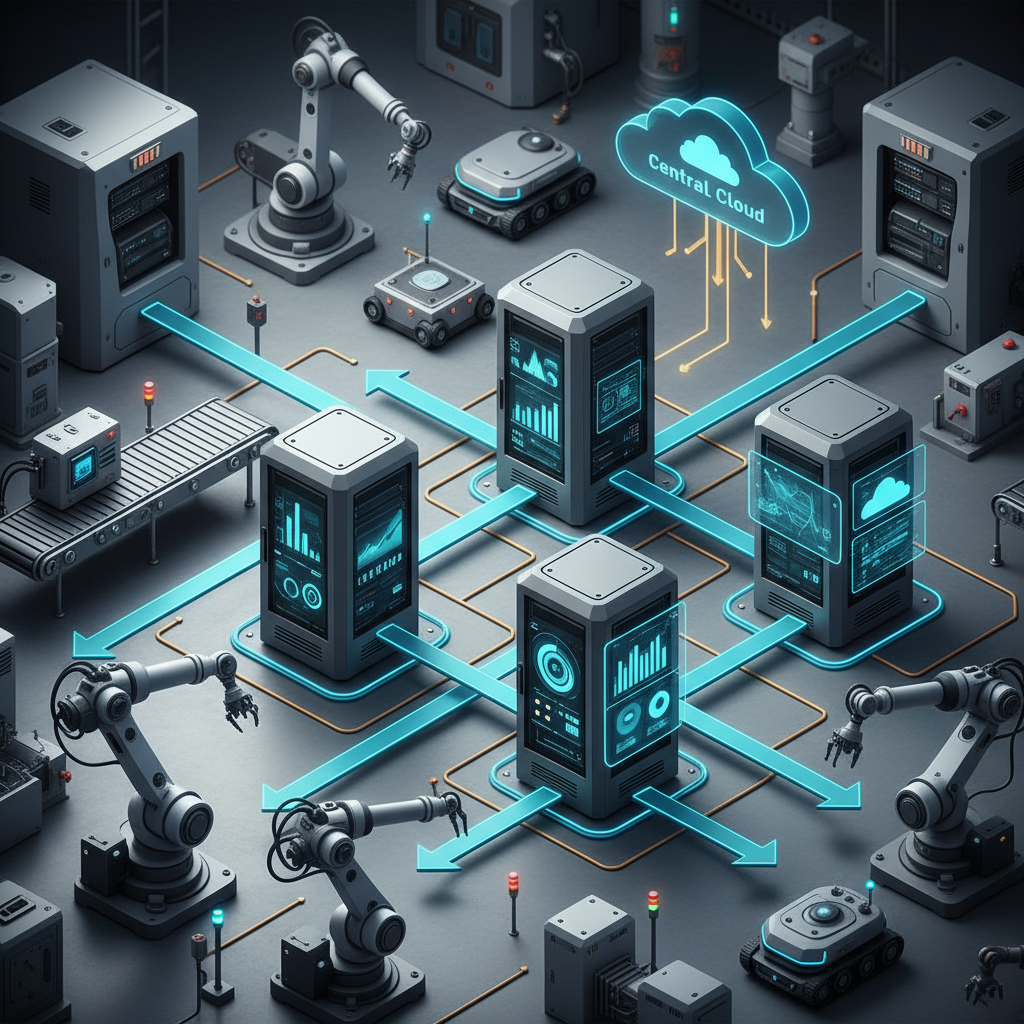
Here’s something that’s quietly changing everything: edge computing. While we’ve all gotten used to the cloud handling our data processing, there’s a new player in town that’s flipping the script. Instead of sending everything to distant data centers, edge computing brings the processing power right to where your data lives. Think of it like having a mini data center in your backyard instead of driving across town every time you need something.
Why does this matter? Well, we’re drowning in data. Every device, sensor, and app is constantly generating information, and sometimes waiting for the cloud to process it just isn’t fast enough. When your autonomous car needs to make a split-second decision or a medical device needs to respond immediately, those extra milliseconds can make all the difference. That’s where edge computing shines—it’s all about getting things done faster, more securely, and closer to home.
Fundamental Benefits and Core Advantages of Edge Computing
So what makes edge computing such a game-changer? It’s pretty simple, really. Instead of cramming everything into massive data centers, we’re spreading the computing power around. Picture this: your data gets processed right where it’s created, not hundreds of miles away in some server farm.
The biggest win? Speed. We’re talking about cutting latency down to almost nothing. IoT devices, self-driving cars, real-time analytics—they all love this setup because they get their answers instantly. No more waiting around for data to travel back and forth across the internet. If you want to dive deeper into how this fits into the bigger picture, check out technology and big data trends to see how edge computing is handling our massive data ecosystems.
But speed isn’t the only benefit. Edge computing is also a privacy champion. When your sensitive data doesn’t have to leave your local network, it’s automatically safer. Less traveling means fewer opportunities for hackers to intercept it. Plus, you get better control over who sees what and when. And here’s a bonus: if your internet connection goes down, your edge devices keep working. They’re not sitting around waiting for the cloud to come back online. For more insights on how this improves service delivery, the article on technology for customer service shows how local processing keeps things running smoothly even when connections get shaky.
Key Aspects of Edge Computing Benefits
Let’s break down what makes edge computing so powerful:
- Reduced Latency and Faster Processing: When data processing happens right where the action is, delays practically disappear. Industrial automation and smart city systems get the real-time responses they need to keep everything running smoothly.
- Data Privacy and Enhanced Security: Keep your sensitive information close to home. Less data movement means fewer security risks and better compliance with privacy regulations—it’s like having a personal bodyguard for your data.
- Improved Reliability and System Resilience: Your systems don’t panic when the internet hiccups. Edge devices keep doing their job even when the connection to central servers gets spotty.
- Cost Optimization: Why pay premium prices to send every bit of data to expensive cloud storage? Process locally and watch your bandwidth and operational costs drop.
Getting these fundamentals down is crucial because they set the stage for understanding how edge computing transforms entire industries. Ready to see this technology in action? Let’s look at some real-world examples that show just how much impact edge computing can have.
Practical Applications and Strategic Impact of Edge Computing in Modern Industries
Now for the fun part—seeing edge computing actually work its magic in the real world. Different industries are finding creative ways to use this technology, and the results are pretty impressive.
Take healthcare, for example. Doctors can monitor patients in real-time and get instant diagnostic results without sending sensitive medical data halfway around the world. That’s not just faster—it’s potentially life-saving. Want to see how this technology is reshaping entire urban environments? The guide on technology for smart cities shows how edge computing integrates with other innovations to transform how cities operate.
Manufacturing is another winner. Instead of waiting for equipment to break down, edge computing helps predict problems before they happen. Imagine knowing your assembly line needs maintenance before it actually stops working—that’s the kind of foresight that saves both time and money. Retailers are getting smarter too, personalizing customer experiences and managing inventory in real-time while keeping customer data private and secure.
And autonomous vehicles? They’re completely dependent on edge computing. When a self-driving car needs to react to a sudden obstacle, it can’t afford to wait for instructions from a distant server. The processing happens right there in the vehicle, making split-second decisions that keep everyone safe.
Key Aspects of Edge Computing Use Cases
Here are four areas where edge computing is making the biggest difference:
- Healthcare: Real-time patient monitoring and instant diagnostics happen right at the point of care. This means faster treatment decisions and better protection of sensitive medical information.
- Manufacturing: Smart factories use edge computing for predictive maintenance and quality control, catching problems before they become expensive downtime.
- Retail: Stores can understand customer behavior and preferences without compromising privacy, leading to better service and more efficient operations.
- Transportation: From autonomous vehicles to traffic management systems, edge computing provides the instant decision-making power needed to keep everything moving safely and efficiently.

Here’s the thing about edge computing—it’s completely changing how we think about data processing. Instead of sending everything to some distant cloud server, edge computing brings the processing power right to where your data lives. The result? Lightning-fast response times that make real-time decisions actually possible. Healthcare systems can react instantly to patient data. Manufacturing lines can adjust on the fly. Transportation networks can respond to traffic changes in real time. And retailers? They can personalize experiences the moment customers walk through the door.
But speed isn’t the only game-changer here. When you process data locally, you’re also keeping it more secure. Think about it—less data traveling across public networks means fewer opportunities for bad actors to intercept it. Plus, there’s the cost factor that really gets CFOs excited. You’re not constantly paying for expensive cloud bandwidth when you handle processing at the edge. And here’s something that’ll make your IT team sleep better: when internet connections go down (and they will), your edge devices keep working. No more waiting around for connectivity to restore critical operations.
Ready to take your edge computing knowledge to the next level? Start by exploring how it pairs with AI to create some seriously powerful combinations—our guide on technology and artificial intelligence shows you exactly how this works. You’ll also want to understand how to handle all that decentralized data flowing in from everywhere, which is where our technology and big data article becomes invaluable. Want to see edge computing in action? Check out how it’s transforming cities in our technology for smart cities piece—the IoT applications alone will blow your mind. If customer service is your focus, our technology for customer service guide reveals how edge computing delivers faster, more personalized support. Manufacturing and logistics folks should definitely dive into technology in supply chain management to see how edge computing streamlines operations. And to stay ahead of what’s coming next, our latest technology trends 2025 overview is essential reading. Finally, since you’re distributing processing across multiple edge points, you’ll need solid security strategies—our guide on cybersecurity for critical infrastructure covers exactly what you need to know.
Look, edge computing isn’t just another tech buzzword that’ll fade away. It’s becoming essential for anyone who wants to stay competitive. Whether you’re looking to cut costs, boost security, or deliver experiences that actually wow your customers, edge computing delivers. Yes, implementing it takes some planning and effort. But the payoff—faster processing, better privacy, and real cost savings—makes it absolutely worth it. The companies already embracing edge computing are pulling ahead of the pack. Don’t get left behind.