
Greenville Tech’s Benson Campus: Worth Enrolling? A Comprehensive Tech Education Review
Greenville Technical College’s Benson Campus stands as a pivotal educational hub for students pursuing technology-driven careers in South Carolina. Whether you’re exploring technology news and insights or considering hands-on technical training, this campus deserves serious evaluation. With modern facilities, industry-aligned curriculum, and strong workforce connections, the Benson Campus offers compelling advantages for tech-focused learners.
The decision to enroll at any technical college requires examining multiple factors: program quality, instructor expertise, equipment infrastructure, job placement rates, and campus amenities. Greenville Tech’s Benson Campus addresses these considerations with a reputation built on practical education and employer partnerships. This review dissects whether this institution justifies your educational investment.
Campus Overview and Location
Greenville Tech’s Benson Campus occupies a strategic position within Greenville’s growing technology corridor. The facility spans modern buildings designed specifically for technical education, featuring dedicated labs, collaborative learning spaces, and industry-standard equipment. Located in an area experiencing significant tech sector growth, the campus benefits from proximity to major employers and networking opportunities.
The campus architecture reflects contemporary educational standards with open-concept design facilitating peer collaboration. Parking availability, public transportation access, and nearby amenities enhance the student experience. The Benson location specifically serves as a hub for advanced manufacturing, information technology, and healthcare technology programs—sectors driving regional economic growth.
Environmental design emphasizes sustainability and modern workflow practices. Classrooms incorporate flexible seating arrangements supporting both lecture-based and hands-on instruction. The campus demonstrates commitment to creating an environment where students transition seamlessly from classroom theory to real-world application.
Technology Programs and Specializations
Greenville Tech’s Benson Campus offers an impressive array of technology-focused programs designed to meet current industry demands. Programs span information technology, cybersecurity, network administration, software development, and industrial automation. Each curriculum aligns with cutting-edge technology implementations businesses actively deploy.
The cybersecurity program stands out as particularly robust, covering threat assessment, network security, compliance frameworks, and ethical hacking principles. Students gain hands-on experience with industry-standard tools and platforms. The curriculum evolves continuously to address emerging threats and technologies, ensuring graduates remain competitive in rapidly changing security landscapes.
Information technology programs focus on systems administration, cloud infrastructure, and help desk support pathways. Many students enter these programs seeking entry-level positions but graduate with credentials positioning them for advancement. The cloud computing benefits for business operations receive particular emphasis throughout coursework.
Software development tracks teach multiple programming languages, database management, and agile development methodologies. Rather than focusing exclusively on single languages, instructors emphasize fundamental programming concepts transferable across platforms. This approach better prepares graduates for diverse workplace environments where technology stacks vary significantly.
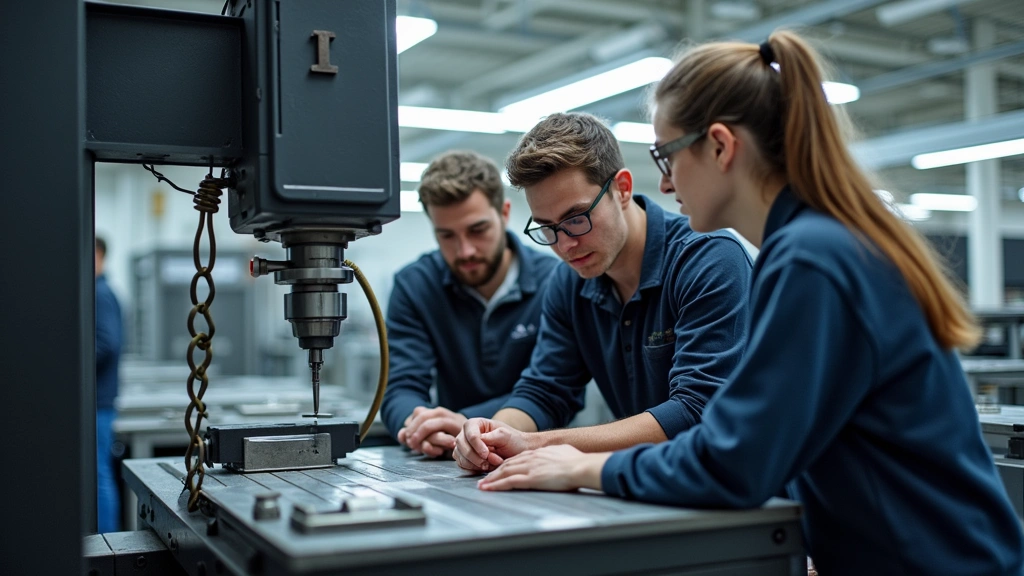
Advanced manufacturing technology programs integrate robotics, programmable logic controllers (PLCs), and computer numerical control (CNC) machining. These specializations address critical workforce shortages in precision manufacturing sectors. Partnerships with local manufacturers provide internship opportunities and equipment access reflecting actual workplace conditions.
Facilities and Equipment Infrastructure
The Benson Campus distinguishes itself through investment in current technology infrastructure. Computer labs feature systems matching enterprise-grade specifications, ensuring students work with realistic hardware configurations. Networking labs include Cisco equipment, switches, routers, and security appliances enabling comprehensive hands-on training.
Cybersecurity labs provide sandboxed environments where students safely conduct penetration testing, vulnerability assessments, and malware analysis without risking production systems. This controlled approach builds confidence while developing critical security thinking. The lab infrastructure supports competitive participation in cybersecurity competitions and certifications.
Manufacturing technology spaces showcase industrial automation equipment including robotic arms, CNC machines, and programmable controllers. Students operate equipment manufacturers require for production environments, building muscle memory and troubleshooting skills transferable directly to employment. Safety protocols receive rigorous emphasis given the potential hazards in manufacturing environments.
The campus maintains partnerships enabling access to emerging technologies students might not otherwise encounter. Cloud computing training leverages partnerships with major providers offering educational credits. Augmented reality and virtual reality applications receive integration into select programs, preparing students for technology adoption curves.
Library resources emphasize technical documentation, industry certifications study materials, and subscription databases providing current information. Many students leverage these resources extensively during certification exam preparation. The investment in comprehensive technical libraries distinguishes this institution from competitors offering minimal support materials.
Faculty Expertise and Instruction Quality
Greenville Tech recruits instructors with substantial industry experience, not merely academic credentials. Many faculty maintain active industry involvement through consulting, certifications, and continuing education. This connection ensures curriculum remains aligned with actual workplace requirements rather than becoming theoretical or outdated.
Instructor accessibility represents a significant strength. Class sizes remain manageable, enabling personalized attention and mentorship. Faculty maintain office hours specifically for additional support, and many provide emergency consultation for students facing technical challenges. This commitment to student success drives higher completion rates and better learning outcomes.
Professional development funding ensures instructors stay current with technology evolution. Faculty regularly pursue advanced certifications, attend industry conferences, and complete manufacturer training programs. This investment translates directly into classroom instruction incorporating latest best practices and emerging technologies.
Teaching philosophy emphasizes practical application over pure theory. Instructors design projects mirroring real-world scenarios students encounter professionally. Case study analysis, problem-solving exercises, and capstone projects develop critical thinking skills alongside technical competency. Students graduate prepared not merely for initial employment but for career advancement requiring independent technical decision-making.
Student Outcomes and Job Placement
Greenville Tech publishes competitive job placement statistics with most graduates securing employment within three to six months of completion. Employer partnerships facilitate direct hiring pipelines where companies actively recruit graduating cohorts. Many students receive job offers before completing their final semester.
Alumni demonstrate strong salary progression, with entry-level positions typically offering $35,000-$50,000 annually depending on specialization. Graduates advancing to senior technical roles within five years frequently earn $70,000-$100,000+. These earning trajectories justify the educational investment compared to four-year degree programs with higher costs and longer completion timelines.
Certification acquisition rates exceed 85% for graduates pursuing industry credentials. CompTIA Security+, Cisco CCNA, and Microsoft certifications position graduates competitively in hiring markets. The campus provides study resources, practice exams, and exam funding assistance supporting certification success.
Transfer pathways enable motivated graduates to pursue bachelor’s degrees at partner universities without repeating coursework. Greenville Tech maintains articulation agreements preserving credits earned in technical programs. This pathway supports career advancement for students originally pursuing two-year credentials.
Employer satisfaction surveys consistently rate Greenville Tech graduates highly for technical competency, work ethic, and professional communication skills. Businesses specifically request graduates from the Benson Campus for critical positions, demonstrating recognition of program quality.
Cost and Affordability Analysis
Tuition at Greenville Tech’s Benson Campus averages $3,500-$4,500 per year for full-time students, substantially lower than four-year universities or private technical schools. Most programs complete in two years, limiting total educational investment to $7,000-$9,000 before financial aid application.
Financial aid availability includes federal grants, loans, and work-study opportunities. Many students qualify for Pell Grants reducing actual out-of-pocket expenses significantly. The college’s commitment to affordability ensures financial constraints don’t prevent capable students from accessing technical education.
Employer tuition assistance programs enhance affordability for working students. Many regional employers reimburse education expenses for employees pursuing relevant credentials. This benefit transforms educational investment into employer-subsidized professional development.
Textbook costs remain reasonable compared to traditional universities, and the campus bookstore offers used book options and rental programs. Some instructors provide open educational resources reducing material expenses further.
Campus Life and Student Resources
The Benson Campus provides comprehensive student support services extending beyond classroom instruction. Academic advising helps students select appropriate programs and course sequences optimizing completion timelines. Career counseling prepares students for job search processes and interview preparation.
Tutoring centers offer supplemental instruction in mathematics, writing, and technical subjects. Many students benefit from tutoring during challenging courses, improving retention and completion rates. Peer tutoring programs connect advanced students with those requiring additional support.
Student clubs and organizations build community and professional networks. Technology-focused clubs enable knowledge sharing and social connection among students with common interests. Industry guest speakers and networking events facilitate connections with employers and industry professionals.
Disability services ensure students with accessibility needs receive appropriate accommodations. The campus demonstrates commitment to inclusive education through adaptive technology, note-taking assistance, and modified testing environments.
The campus bookstore, cafeteria, and recreation facilities provide essential student amenities. While not as extensive as four-year university campuses, these facilities adequately serve student needs during on-campus time.
Comparison with Other Technical Institutions
Compared to competing South Carolina technical colleges, Greenville Tech’s Benson Campus ranks highly for program breadth and facility quality. Peer institutions offer comparable tuition but often feature smaller equipment inventories or less current technology infrastructure.
Against for-profit technical schools, Greenville Tech offers superior value through lower costs and broader program offerings. For-profit institutions frequently charge $15,000-$25,000 annually while maintaining comparable employment outcomes. The nonprofit status ensures tuition revenues support educational quality rather than shareholder returns.
Compared to online-only technical education providers, the Benson Campus offers irreplaceable hands-on experience. Certain technical skills—particularly in manufacturing, networking, and cybersecurity—require physical equipment interaction and supervised lab work. While online programs offer convenience, they cannot replicate the practical competency developed through in-person technical training.
Four-year university technology programs typically require 120+ credit hours over four years with broader general education requirements. Greenville Tech’s focused two-year curriculum enables faster entry into the workforce with lower total investment. For students prioritizing rapid career advancement over comprehensive academic breadth, this represents significant advantage.
Community-based employers recognize Greenville Tech graduates as immediately productive workforce members. The practical orientation and industry partnership focus translate into reduced onboarding time compared to graduates from programs emphasizing theoretical foundations.
Key Enrollment Considerations
Prospective students should evaluate personal learning preferences and career goals carefully. If you thrive in hands-on environments and prefer practical skill development, the Benson Campus aligns well with those preferences. If you’re uncertain about career direction or prefer broader academic exploration, four-year institutions might better serve your needs.
Time commitment matters significantly. Full-time enrollment requires substantial daily commitment, though many programs accommodate part-time study. Working students should carefully assess whether juggling employment and coursework remains feasible given program intensity.
Geographic stability affects success. Students requiring frequent relocation may struggle completing two-year programs. The Benson Campus serves students planning to remain in the Greenville area for employment.
Technical aptitude and mathematics foundation influence success probability. Students with weak math skills should access remedial support early. The campus provides placement testing and prerequisite courses supporting students requiring foundational strengthening.
Financial readiness extends beyond tuition. Living expenses, transportation, childcare, and opportunity costs of not working full-time factor into true educational investment. Honest financial assessment ensures enrollment decisions remain sustainable throughout program completion.

FAQ
What are the admission requirements for Greenville Tech’s Benson Campus?
Most programs require high school graduation or GED equivalency, placement testing in mathematics and English, and completion of application materials. Some advanced programs may require prerequisite coursework or specific academic backgrounds. The admissions office provides detailed requirement specifications for each program.
Can I transfer credits from Greenville Tech to a four-year university?
Yes, Greenville Tech maintains articulation agreements with South Carolina universities enabling credit transfer. Specific transfer pathways vary by program and receiving institution. The registrar’s office provides detailed information about transfer options supporting bachelor’s degree completion.
Are internship opportunities available during the program?
Most technology programs incorporate internship or cooperative education components. The career services office actively coordinates placements with regional employers. Many students secure internships at companies where they later accept full-time positions.
What certifications can I earn through Greenville Tech programs?
Certification opportunities vary by program but commonly include CompTIA A+, Security+, and Network+; Cisco CCNA; Microsoft certifications; and industry-specific manufacturing credentials. The campus provides study support and exam funding assistance for pursuing certifications.
How long are most technology programs at the Benson Campus?
Most programs complete in two years of full-time study (approximately 60-65 credit hours). Part-time completion typically extends timelines to three to four years depending on course load. Some accelerated cohort-based programs compress timelines to 18 months.
What is the typical class size in technology programs?
Lab-based courses typically enroll 15-25 students enabling hands-on instruction and equipment access. Lecture courses may enroll 30-50 students. Class sizes remain manageable compared to four-year universities where foundational courses often exceed 200 students.
Are evening and weekend classes available?
Limited evening sections accommodate working students, though program availability varies. The college continues expanding evening options recognizing working adult student needs. Prospective students should confirm specific program scheduling with admissions.
What support services help with job placement after graduation?
Career services provides resume development, interview preparation, and employer connections. Many employers actively recruit graduating cohorts through campus recruitment events. Alumni networks and professional associations facilitate ongoing career development post-graduation.


