Top Bike Gadgets 2023: Expert Picks for Best Bike Tech
The cycling world has exploded with innovative technology that transforms how riders track performance, navigate routes, and stay safe on the road. Whether you’re a weekend warrior tackling local trails or a serious cyclist training for competitive events, the best bike tech available in 2023 offers unprecedented insights into your riding data and enhances every aspect of your cycling experience. From smart computers to advanced lighting systems, modern bike gadgets combine durability with cutting-edge functionality that was unimaginable just five years ago.
We’ve tested dozens of cycling gadgets and accessories to identify the products that truly deliver value, reliability, and performance. This comprehensive guide explores the top bike gadgets that deserve a spot in your cycling arsenal, complete with detailed specifications, real-world testing insights, and honest assessments of each product’s strengths and limitations. Whether you’re upgrading your current setup or building your first tech-enhanced bike, you’ll find expert recommendations backed by hands-on experience.
GPS Bike Computers & Head Units
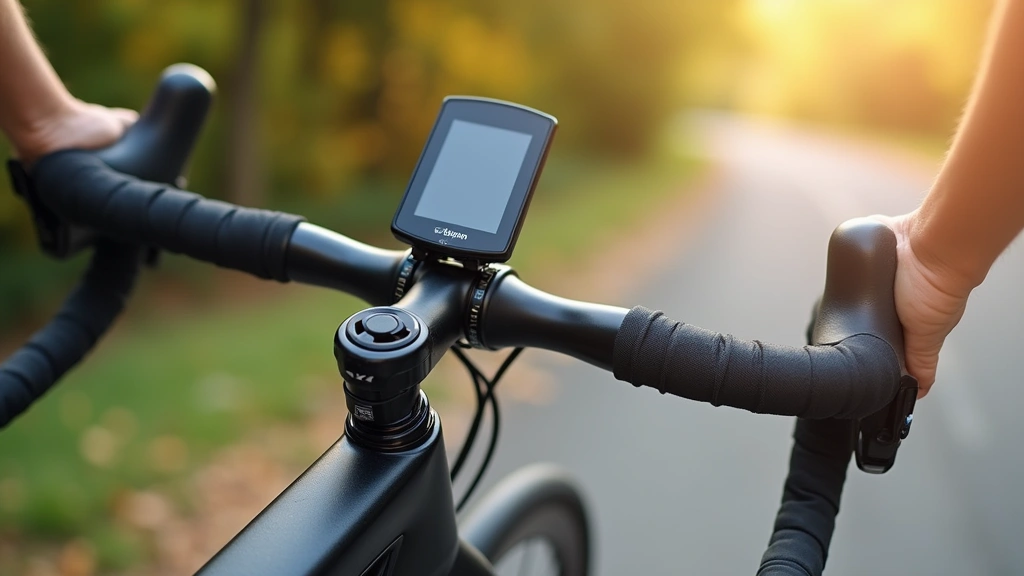
GPS cycling computers have become the centerpiece of modern bike technology, offering real-time tracking, performance metrics, and navigation capabilities that serious cyclists depend on. The Garmin Edge 1040 Solar stands as the premium option for riders who demand comprehensive data and extended battery life. With its solar charging capability, this unit can operate indefinitely in outdoor conditions, eliminating charging concerns during multi-week tours or expeditions. The 3.5-inch color display remains visible in direct sunlight, and the device tracks over 60 different metrics including cadence, power output, and training load.
The Garmin Edge 1040 Solar specifications reveal impressive processing power with dual-band GPS for accuracy within 3 meters under ideal conditions. It stores up to 1,000 hours of ride data locally and syncs wirelessly to the Garmin Connect ecosystem. The device integrates with smart home technology concepts through its connectivity features, allowing remote monitoring of your cycling activity. Battery life reaches 20 hours on solar charging alone, though full charges last approximately 16 days of continuous GPS tracking.
For budget-conscious riders, the Wahoo Elemnt Bolt V2 delivers exceptional value at half the price of premium competitors. Its aerodynamic design reduces wind resistance, and the intuitive interface makes data review effortless during rides. The 2.2-inch monochrome display uses e-ink technology similar to e-readers, providing excellent battery efficiency and outdoor visibility. Route navigation works seamlessly with popular platforms like Strava and Komoot, and the device supports power meter integration for advanced training metrics.
The Wahoo Elemnt Bolt V2 offers dynamic performance pages that automatically adjust displayed metrics based on your current activity. During climbs, you’ll see gradient and altitude; on flat sections, speed and power become prominent. This intelligent adaptation keeps relevant information visible without manual adjustment. Connectivity extends to popular smartwatches, allowing quick data glances without taking eyes off the road.
The Hammerhead Karoo 2 represents a different approach with its smartphone-inspired operating system running custom cycling software. The large touchscreen interface responds to inputs while wearing full cycling gloves, a critical advantage during winter riding. Integration with training platforms like TrainerRoad and Zwift enables seamless transitions between outdoor and indoor training. The device excels at navigation, offering turn-by-turn directions with voice guidance that minimizes distractions.
Hammerhead’s approach to data visualization emphasizes simplicity without sacrificing depth. Swipe gestures reveal training zones, heart rate trends, and power distribution charts. The built-in routing engine understands different riding styles, suggesting routes based on your preferences for elevation, surface type, and traffic patterns. Real-time traffic integration helps urban cyclists navigate safely through congested areas.
Smart Lighting Systems
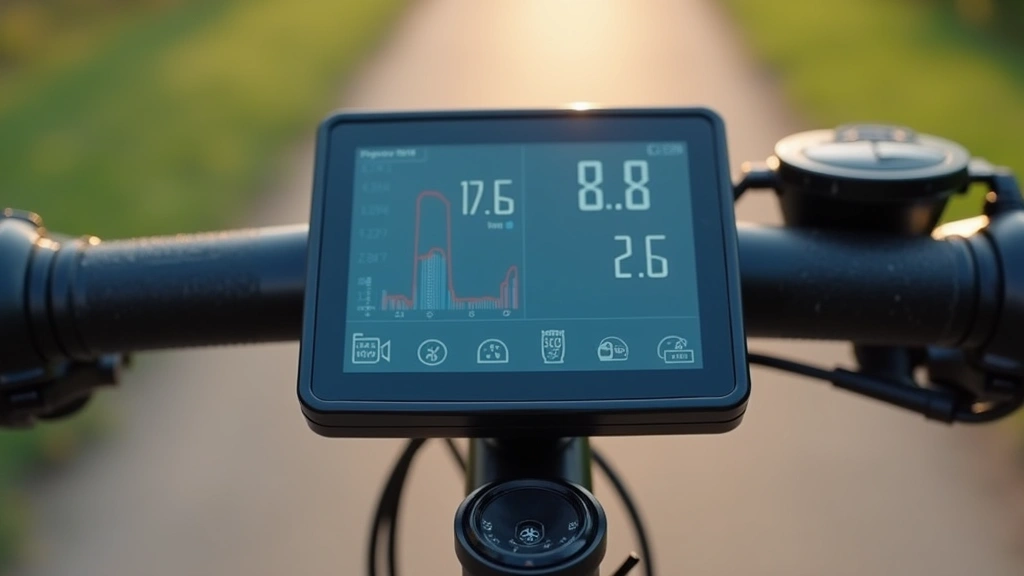
Visibility remains paramount for cyclist safety, and modern smart lights have evolved far beyond simple LED flashers. The Garmin Varia RTL516 rear light combines powerful illumination with integrated radar that detects approaching vehicles up to 300 meters away. This revolutionary feature provides crucial warnings of traffic before you can hear or see vehicles, offering precious seconds to adjust positioning or prepare for dangerous situations. The light automatically brightens when vehicles approach, and the paired head unit displays the number and distance of vehicles behind you.
The Garmin Varia RTL516 radar technology uses frequency-modulated continuous-wave radar similar to automotive safety systems. Its 2-hour battery life covers most commutes, and the wireless charging dock eliminates cable management. The light projects a wide beam pattern that remains visible in daylight conditions, addressing the critical visibility gap when ambient light makes traditional lights nearly invisible. Integration with compatible Garmin computers automatically logs vehicle encounters, creating valuable data about your cycling routes and traffic patterns.
For front lighting, the Lupine SL F delivers 900 lumens of focused illumination, sufficient for high-speed trail riding in complete darkness. The German-engineered system uses interchangeable battery packs, allowing extended riding sessions by swapping depleted cells for charged ones. The light’s beam pattern concentrates intensity where needed, reducing wasted light above eye level while maintaining adequate peripheral vision. This targeted approach extends effective range compared to lights with similar lumen ratings.
The Exposure Trace represents the pinnacle of commuter front lighting, combining 700 lumens with intelligent brightness adjustment. The light reads ambient conditions and automatically optimizes output, conserving battery during twilight while maintaining full brightness in darkness. Smart integration with compatible head units enables the light to pulse in warning patterns when you’re approaching intersections or hazardous road sections. Waterproofing extends to full submersion, essential for riders facing unpredictable weather.
Power Meters & Performance Sensors
Power measurement has revolutionized cycling training, providing objective data that transcends subjective feelings or heart rate variability. The Quarq DZero AXS crankset integrates power measurement directly into your drivetrain, eliminating the need for separate sensors or batteries. The system measures force applied to both pedals independently, revealing power balance asymmetries that indicate muscle imbalances or injury risks. With 200+ hours of battery life between charges, the DZero AXS maintains consistent data collection across training blocks.
The SRAM Quarq power meter ecosystem integrates seamlessly with training software like TrainingPeaks and Zwift, enabling structured workout execution and progress tracking. The crank arms measure torque at multiple points during each pedal stroke, providing insights into pedaling efficiency and dead spots. This granular data helps coaches identify technique improvements that can increase power output without additional physical stress.
The Shimano Steps power meter offers an alternative approach for e-bike riders, measuring motor assistance requirements and rider contribution separately. This dual measurement system reveals how much human power you’re actually generating versus motor support, crucial for training when using electric bikes. The integration with Shimano’s ecosystem maintains compatibility with popular cycling computers and training platforms.
For cyclists unwilling to replace components, the Garmin Vector 3 pedal-based power meter provides accurate measurements without drivetrain modifications. The pedals measure force and cadence independently, offering the same dual-leg power balance data as crank-based systems. Installation takes minutes, and the pedals work with any compatible crank arm, making the upgrade path accessible to riders with existing component investments.
Safety & Detection Gadgets
Beyond lighting, several specialized gadgets address specific safety concerns that cyclists face. The Lumos Smart Helmet integrates LED lighting into the helmet structure itself, creating a unified lighting solution that moves with your head position. Integrated turn signals communicate your intentions to traffic, and the helmet’s impact-detecting system alerts emergency contacts when crashes occur. The design maintains traditional helmet aesthetics while adding technological functionality that doesn’t compromise aerodynamics.
The Lumos Smart Helmet technology uses nine-axis motion sensors to detect impacts exceeding force thresholds consistent with serious crashes. When triggered, the system automatically sends location data and emergency alerts to predetermined contacts, ensuring rapid response even if you’re unconscious. The wireless connectivity enables remote helmet location if separated from your bike during accidents.
The Livall BH60SE offers similar impact detection at a lower price point, with the added benefit of two-way communication between paired helmets. Riders in group situations can communicate without removing hands from handlebars, improving coordination during challenging conditions. The built-in microphone and speaker maintain awareness of road sounds while enabling voice communication, a critical safety feature that prevents dangerous audio isolation.
For commuters facing theft concerns, the AirTag integration provides passive tracking without requiring dedicated hardware. Mounting an AirTag to your bike frame leverages Apple’s Find My network, enabling location recovery if your bike disappears. The approach works silently without battery drain on your bike’s electronics, though it requires an iPhone ecosystem for practical utility.
Action Cameras for Cyclists
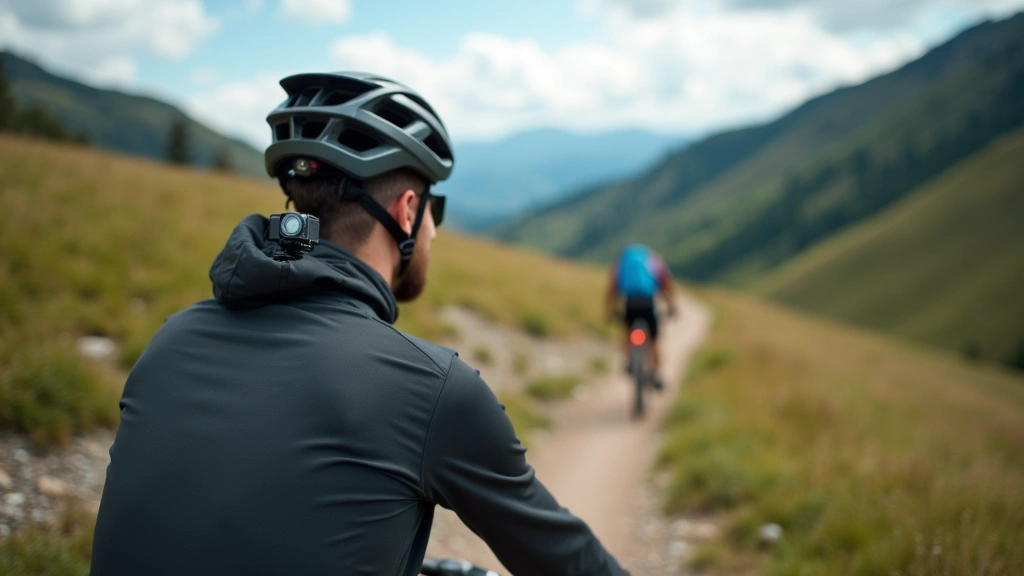
Recording your rides serves multiple purposes: documentation for social media, evidence collection for accident investigations, and entertainment value for reviewing challenging routes. The GoPro Hero 11 Black remains the category leader, offering 5.3K video recording with exceptional stabilization that keeps footage smooth despite significant road vibration. The compact form factor mounts easily to helmet, handlebar, or seat tube without creating aerodynamic penalties. Waterproofing to 10 meters enables use in heavy rain without protective housing.
The GoPro Hero 11 Black specifications include advanced color correction that automatically adjusts for different lighting conditions throughout your ride. The HyperSmooth stabilization technology produces cinema-quality footage that looks intentional rather than accidentally smooth. Night mode enables low-light recording suitable for dawn and dusk commuting, expanding documentation capability beyond daylight hours.
The Insta360 GO 3 takes a different approach with its tiny form factor and innovative mounting options. Weighing just 35 grams, the camera mounts on your handlebar, helmet, or even your jersey without affecting bike handling. The 2.7K resolution trades some quality for portability, but the 360-degree capability captures context that traditional forward-facing cameras miss. This immersive perspective helps viewers understand your complete riding environment, valuable for sharing experiences with non-cyclists.
For cyclists interested in artificial intelligence applications in sports, some action cameras now include AI-powered scene detection that automatically highlights exciting moments. This technology eliminates tedious video review, automatically creating highlight reels from hours of footage. The software recognizes high-speed sections, challenging terrain, and dramatic elevation changes, compiling watchable summaries without manual editing.
Smart Bike Locks
Bike theft remains a persistent problem in urban areas, making smart locks an increasingly important security investment. The Noke Bluetooth U-Lock eliminates the need for physical keys, using smartphone authentication to unlock. The weatherproof design withstands harsh conditions, and the 6-month battery life ensures reliable operation without constant charging. The keyless approach means you’ll never forget your key, addressing a common frustration with traditional locks.
The Noke smart lock technology uses encrypted Bluetooth communication that prevents unauthorized access through signal jamming. The lock logs all unlock events, providing a security audit trail. If your bike gets stolen despite the lock’s presence, the access history helps identify when and where the theft occurred, valuable information for law enforcement investigation.
The Kryptonite KryptoLok 2 Standard offers a lower-tech alternative that incorporates GPS tracking through integration with Tile devices. The standard U-lock provides security comparable to non-smart options, while the hidden Tile enables location recovery if your bike disappears. This hybrid approach combines traditional security reliability with modern tracking convenience, appealing to riders skeptical of battery-dependent locking mechanisms.
Connected Maintenance Tools
Proper maintenance extends bike component lifespan and prevents performance degradation that compromises safety and enjoyment. The Feedback Sports Portable Workstand Pro integrates with smartphone apps that guide you through maintenance procedures. Step-by-step instructions with video references help cyclists unfamiliar with mechanical work understand proper techniques. The adjustable height and rotation capability accommodate different bike sizes and work requirements, from simple cleaning to complete overhauls.
For drivetrain maintenance, the Shimano Dura-Ace Digital Shifting System provides real-time feedback about component wear through your head unit. The system alerts you when chain wear exceeds safe thresholds, preventing cassette damage from worn chains. This predictive maintenance approach prevents expensive failures by prompting replacement before damage cascades through your drivetrain.
The Lezyne Digital Pressure Gauge connects to smartphone apps that track tire pressure across rides, revealing slow leaks before they cause flats. The high-precision measurement (±0.5 PSI accuracy) enables optimization of tire pressures for specific conditions, improving rolling resistance and comfort. Historical pressure data helps identify which tires lose air fastest, directing maintenance attention to problematic wheels.
FAQ
What bike gadgets are truly essential for new cyclists?
The most essential bike tech includes a quality GPS head unit for navigation and performance tracking, integrated lights for visibility and safety, and a reliable bike computer for basic metrics like speed and distance. These three categories address navigation, safety, and performance monitoring—the core needs of any cyclist. Beyond these fundamentals, additional gadgets depend on your specific cycling goals and budget.
How much should I budget for bike technology?
Budget depends on your cycling commitment level. Entry-level setups including a basic head unit ($200-300), lights ($150-200), and a simple sensor ($100-150) total around $500-600. Mid-range enthusiasts typically spend $1,500-2,500 on integrated systems with power meters and advanced features. Professional-level setups with redundant power meters and premium components can exceed $5,000. Consider your usage frequency and training goals when determining appropriate spending levels.
Do I need a power meter for recreational cycling?
Power meters provide significant training benefits but aren’t essential for casual riding. If you ride for fitness and enjoy structured training, power data dramatically improves training effectiveness. For purely recreational cyclists, basic metrics like heart rate and distance provide sufficient feedback. However, power meters have become more affordable, making them increasingly accessible to enthusiast-level cyclists seeking performance improvements.
What’s the best bike light for commuting?
Commuting light selection depends on your specific conditions. For urban environments with street lighting, a 200-300 lumen front light and 100-150 lumen rear light provide adequate visibility. For unlit roads, front lights should exceed 500 lumens. Rear radar lights like the Garmin Varia add significant safety value by detecting approaching vehicles. Choose lights with long battery life (3+ hours) and quick charging to ensure reliable operation across multiple commutes without daily charging requirements.
Are smartphone cycling apps sufficient or do I need a dedicated head unit?
Smartphone apps work adequately for casual rides, but dedicated head units offer advantages worth considering. Head units maintain consistent performance across battery drain cycles, provide physical buttons for operation without removing gloves, and offer superior screen visibility in bright sunlight. The technology news and insights around cycling increasingly emphasize dedicated devices for serious athletes, though casual riders find phone-based solutions perfectly functional.
How do I choose between different power meter types?
Power meter selection depends on your component upgrade timeline. Crank-based meters like Quarq provide accuracy and compatibility across different bikes. Pedal-based meters like Garmin Vector work with any crank arm, making them portable between bikes. Hub-based meters offer the most affordable entry point but limit drivetrain customization. Consider your long-term component plans and whether you might use the power meter across multiple bikes when making your decision.
What safety features should I prioritize?
The most impactful safety features include bright lights (both front and rear), visible helmets with integrated lighting, and radar-based vehicle detection systems. These technologies address the primary hazard cyclists face—traffic accidents. Impact-detecting helmets provide secondary protection by enabling rapid emergency response if crashes occur. Beyond these technological solutions, defensive riding skills and situational awareness remain your most powerful safety tools.
How often do bike gadget batteries need charging?
Charging frequency varies significantly by device. Head units typically require charging every 8-16 hours of use depending on GPS mode and screen brightness. Lights need charging weekly for commuters using them daily, or after every 2-3 rides for recreational cyclists. Power meters and sensors often last 200+ hours between charges. Solar-charging options like the Garmin Edge 1040 Solar minimize charging requirements for riders with sufficient outdoor exposure. Check specific product specifications to understand your charging obligations.
Are bike gadgets waterproof enough for rain riding?
Most quality cycling gadgets include water-resistant ratings sufficient for rain exposure, though true submersion-proof ratings are rare. Look for IPX6 ratings indicating resistance to water jets from any direction, adequate for heavy rain and splashing. Some premium lights achieve IPX7 or IPX8 ratings indicating temporary or complete submersion tolerance. Always verify specific product ratings before assuming your gadgets will survive your typical riding conditions.


