
Table of Contents
Introduction
Remember that moment when you pressed your laptop’s power button and… waited. And waited some more. Maybe you even had time to grab coffee while your computer decided whether it felt like starting up that day. If this sounds familiar, you’re not alone—and you’re definitely ready to discover what SSD laptops can do for your sanity. Think of this guide as your roadmap to faster, quieter, and frankly more enjoyable computing. Because life’s too short for slow laptops.
Here’s the game-changer: SSDs (Solid State Drives) have completely transformed how laptops work. Unlike those old spinning hard drives that sound like tiny helicopters taking off, SSDs have zero moving parts. What does this mean for you? Your laptop boots up in seconds instead of minutes. Apps launch instantly. And that annoying clicking sound? Gone. Whether you’re a creative juggling massive Photoshop files, a gamer who can’t stand loading screens, or just someone who wants their laptop to actually keep up with their thoughts—SSDs deliver the speed you’ve been craving.
Now, let’s zoom out for a second. The tech world is moving fast, and I mean really fast. We’re seeing incredible advances in areas like edge computing and AI that demand lightning-quick data processing (latest technology trends 2025). Your laptop needs to keep pace with these changes, and SSDs are basically your ticket to staying relevant. When AI applications need to crunch data in real-time or smart services require instant responsiveness, guess what makes it all possible? Yep, fast storage like SSDs (technology and artificial intelligence).
And here’s something interesting—the way artificial intelligence is revolutionizing everything from shopping to work means your devices need to be smarter and faster than ever. Take retail AI, for example, which relies heavily on quick data access and real-time analytics to create those personalized shopping experiences we’re all getting used to (AI in retail). Your laptop with a quality SSD isn’t just faster today—it’s ready for whatever tomorrow’s tech throws at it.
What You’ll Learn in This Guide
I’m going to walk you through everything you need to know about SSD laptops, from the basics to the nitty-gritty details that actually matter when you’re making a purchase. Here’s what we’ll cover:
- Benefits of Laptops with SSD Drives: We’ll explore exactly how SSDs boost speed, reliability, and battery life compared to traditional drives—and why these improvements will genuinely change how you use your laptop.
- How to Choose the Best Laptop with an SSD: I’ll break down the specs that actually matter: storage capacity, SSD types, processor matching, RAM considerations, and which brands you can trust with your money.
- Top Recommended Laptops in 2025: Get the inside scoop on the best SSD laptops available right now, from budget gems to powerhouse machines built for gaming and creative work.
- Maintaining and Optimizing Your SSD Laptop: Learn the simple tricks to keep your SSD running smoothly for years, plus how to know when it’s time for an upgrade.
By the time you finish reading, you’ll know exactly what to look for and why—no more second-guessing or falling for marketing hype. Just solid, practical knowledge that helps you pick the perfect laptop for your needs and budget.
Coming up, we’ll dig into what makes SSD technology so special and why it’s become the gold standard for modern laptops. You’ll see how these drives don’t just make things faster—they make laptops more durable, quieter, and more energy-efficient too. We’ll also compare different SSD types so you can find the sweet spot between speed and storage space that works for you. Plus, if you’re curious about future tech trends, we’ll explore how innovations like edge computing are making fast storage even more crucial (benefits of edge computing).
Then we’ll get practical. I’ll share my carefully selected recommendations for SSD laptops across different categories and budgets. Each pick comes with clear explanations of what makes it special and who it’s perfect for. No fluff, just honest insights based on real-world performance.
The best part? You’ll also get actionable tips for keeping your SSD laptop running like new for years to come. Because buying the right laptop is just step one—knowing how to maintain it properly is what ensures you get your money’s worth. Ready to upgrade your computing experience? Let’s dive in and find you the perfect SSD laptop that’ll make those old loading screens feel like ancient history.
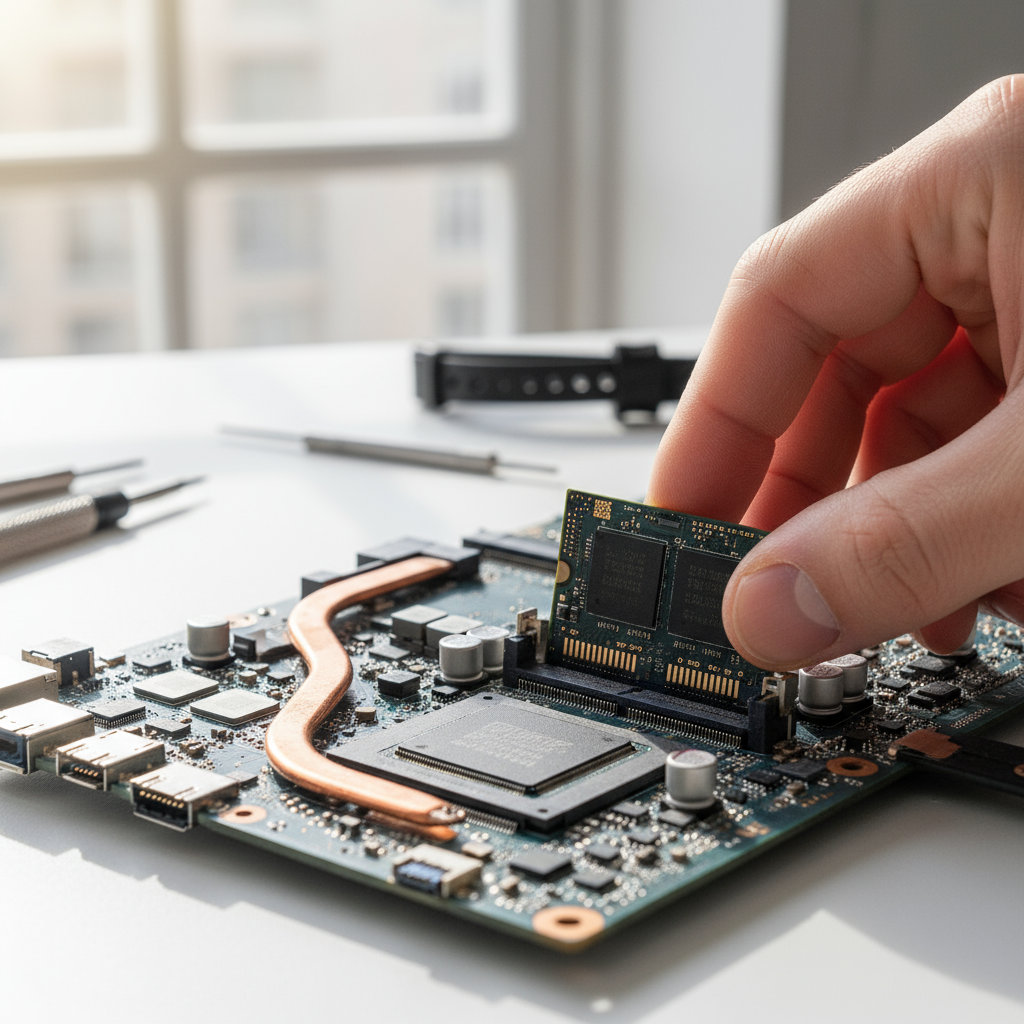
We’ve covered why SSD drives have become essential in modern laptops—now let’s dig into what makes them so special. SSDs have completely changed the game when it comes to laptop performance. We’re talking faster everything: boot times, app launches, file transfers. But that’s just the beginning. These drives also last longer and sip power like a hummingbird, which means your battery goes the distance. If you’re someone who values speed and reliability (and honestly, who doesn’t?), understanding what SSDs bring to the table will help you make a smart buying decision. This whole shift toward SSDs? It’s part of a bigger tech evolution that’s reshaping how we use our computers every single day.
Benefits of Laptops with SSD Drives
Here’s where SSDs really shine—they bring benefits that touch every part of your laptop experience. Traditional hard drives? They’re like old record players with spinning disks. SSDs are more like instant digital music—no moving parts, just pure speed. Flash memory means your data gets accessed lightning-fast, and your apps launch before you can blink. Boot-up times that used to take minutes? Now we’re talking seconds. Your laptop becomes this responsive machine that actually keeps up with your thoughts. And here’s a bonus you might not expect: no more whirring sounds or laptop-cooking-your-legs heat. For a deeper look at how these performance gains play out in real-world scenarios, check out these insights on latest technology trends of 2025.
But speed isn’t the only story here. SSDs are tough cookies. Without all those delicate spinning parts that can break if you look at them wrong, these drives can handle bumps, drops, and the general chaos of daily life. Think of it this way: would you rather carry a china plate or a plastic one in your backpack? That’s the reliability difference we’re talking about. Plus, they sip power instead of chugging it, which means your battery lasts longer—perfect for those long coffee shop sessions or cross-country flights. If you’re curious about how this kind of technology innovation impacts other industries, the article on technology in supply chain management shows similar game-changing applications.
Key Aspects of Benefits
Let’s break down the main reasons why SSD laptops have won over so many users:
- Performance Improvements: SSDs slash boot times and make apps launch instantly, saving you precious minutes every day. This speed boost means smooth multitasking—you can jump between heavy applications without that annoying lag that makes you want to throw your laptop out the window.
- Reliability and Durability: No spinning parts means no mechanical failures when you accidentally knock your laptop off the couch. This design advantage translates to drives that last longer and data that stays safer—peace of mind you can actually count on.
- Reduced Noise and Heat: SSDs run silent and cool. No more laptop fan concerts during important meetings, and no more accidentally cooking your legs during Netflix marathons. Your device stays comfortable and quiet.
- Energy Efficiency: These drives are power misers, which directly translates to longer battery life. For anyone who’s ever been stuck with a dead laptop and no charger in sight, this is a game-changer.
Now that you know why SSDs are worth the hype, let’s talk about how to actually pick the right laptop to get all these benefits.
How to Choose the Best Laptop with an SSD
Shopping for an SSD laptop isn’t just about finding one with solid-state storage—you need to balance several factors to get the best bang for your buck. Storage size matters big time. Are you a casual user who mainly browses and streams? 256GB might do the trick. Creative professional with massive files? You’re probably looking at 512GB or 1TB. Then there’s the SSD type to consider. SATA SSDs are good, but NVMe drives? They’re in a league of their own, using faster pathways that make even speedy SSDs look slow. If you work with demanding applications like video editing, resources such as best video editing software 2025 can help you understand just how much that extra speed matters.
Your processor and RAM need to play nicely with your SSD—there’s no point in having a Ferrari engine in a go-kart frame. A solid CPU and enough RAM (8GB minimum, 16GB if you’re serious about performance) ensure your laptop can actually use all that SSD speed. Don’t forget about budget and brand reputation either. Sure, you could go with the cheapest option, but established manufacturers typically use better SSD components and actually answer their phones when something goes wrong. Speaking of customer support, the insights in technology for customer service show how smart companies leverage technology to keep their customers happy.
Key Aspects of Choosing
Here’s what you need to consider when shopping for your perfect SSD laptop:
- Storage Capacity and Speed: Match your storage to your lifestyle. Light users can get away with 256GB, while power users need 512GB or more. Understanding SATA vs. NVMe helps you future-proof your purchase—NVMe is faster but costs more, so decide what matters most to you.
- Processor and RAM: Your SSD deserves a CPU that won’t hold it back. Pair it with at least 8GB of RAM for smooth sailing, or go for 16GB if you’re the type who keeps 47 browser tabs open. A balanced system ensures you actually experience those lightning-fast speeds.
- Price and Brand Reliability: Sometimes paying a bit more upfront saves headaches later. Trusted brands typically use higher-quality components and offer better support when things go sideways. Factor in warranty coverage—it’s insurance for your investment.
- Additional Features: Don’t get so focused on the SSD that you forget about the screen quality, keyboard comfort, and port selection. The best laptop is one that works great in every aspect of your daily routine, not just storage speed.

So here we are—after diving deep into everything SSD laptops have to offer, it’s clear these machines are game-changers. Solid State Drives don’t just replace those old spinning hard drives; they completely rewrite what you can expect from your laptop. We’re talking lightning-fast boot times that’ll have you working before your coffee’s ready, and app launches so smooth you’ll wonder how you ever dealt with that old spinning wheel of doom. But speed isn’t the whole story. These drives run whisper-quiet (no more whirring sounds during late-night work sessions), stay cool under pressure, and here’s the kicker—they’re built to last because there’s literally nothing moving inside them that can break.
Now, let’s get practical for a second. Choosing the right SSD laptop isn’t rocket science, but there are definitely some things worth paying attention to. Storage capacity? Start with 256GB if you’re a casual user, but honestly, 512GB or 1TB will give you breathing room as your digital life expands. And here’s a pro tip: NVMe drives blow SATA out of the water performance-wise. Pair that fast storage with a solid processor and plenty of RAM, and you’ve got yourself a powerhouse. Don’t forget about budget and brand reputation either—sometimes spending a bit more upfront saves you headaches (and money) down the road.
Taking care of your SSD laptop is surprisingly straightforward. Keep your system updated, back up your important stuff regularly, and make sure TRIM support is enabled (your SSD will thank you). The beauty of SSDs is they’re pretty low-maintenance, but knowing when it’s time for an upgrade can save you from those frustrating moments when your laptop starts feeling sluggish. Trust your instincts—if it’s slowing down, it might be time to level up.
Ready to put this knowledge to work? Start by checking out what’s coming in the tech world with the latest technology trends 2025—understanding where AI and edge computing are headed will help you future-proof your laptop choice. Speaking of AI, our guide on technology and artificial intelligence is perfect for wrapping your head around tomorrow’s apps that’ll demand serious storage speed. And if you want to understand why fast SSDs matter so much for next-gen devices, dive into our piece on the benefits of edge computing. Oh, and while you’re investing in tech, don’t forget about your financial foundation—our guide on how to build an emergency fund will help you make smart money moves alongside your tech purchases.
The bottom line? SSD laptops deliver speed, reliability, and efficiency that’ll make you wonder how you ever survived without one. You’ve got the knowledge now—time to find the laptop that’ll keep pace with your life and adapt as technology evolves around us. Feel confident in your choice, and don’t forget to explore our resource on the best video editing software 2025 if you want to really put that SSD speed to work on creative projects.
Frequently Asked Questions
-
What is the advantage of an SSD over a traditional hard drive?
- SSDs offer faster data access, improved durability due to lack of moving parts, and greater energy efficiency compared to traditional hard drives.
-
Can I upgrade the SSD in my laptop?
- Many laptops support SSD upgrades, but it is important to verify compatibility and warranty conditions before proceeding.
-
How much SSD storage do I really need?
- Your choice depends on usage; 256GB suits casual users while 512GB or more is recommended for professionals with heavy storage needs.
-
Are SSD laptops more expensive?
- SSDs generally increase laptop costs slightly but the performance and reliability benefits often justify the investment.
-
Does an SSD affect battery life?
- Yes, SSDs consume less power than traditional drives, helping to extend overall laptop battery life.