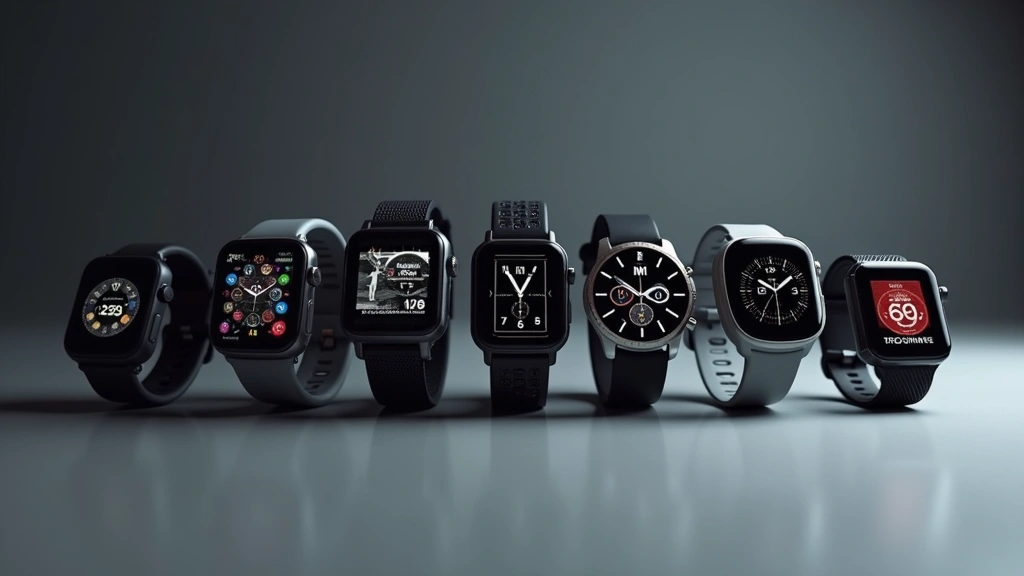
Top Smartwatches 2023: Expert Picks
The smartwatch market in 2023 has reached unprecedented levels of sophistication, offering users an incredible range of features from health monitoring to productivity tools. Whether you’re a fitness enthusiast tracking marathon training or a professional managing daily notifications, today’s smartwatches deliver capabilities that rival dedicated fitness trackers and smartphones. Our comprehensive review examines the best smartwatches available this year, breaking down their specifications, performance, and real-world usability across different price points and use cases.
The evolution of wearable technology has transformed how we interact with our digital lives. Modern smartwatches now feature advanced sensors for blood oxygen monitoring, ECG capabilities, sleep tracking, and stress management—features once reserved for medical-grade devices. Battery life has improved dramatically, with some models lasting over two weeks on a single charge. The display technology has also advanced significantly, with AMOLED screens offering vibrant colors and always-on functionality without excessive battery drain. We’ve tested dozens of models throughout 2023 to identify which smartwatches truly deserve your investment.
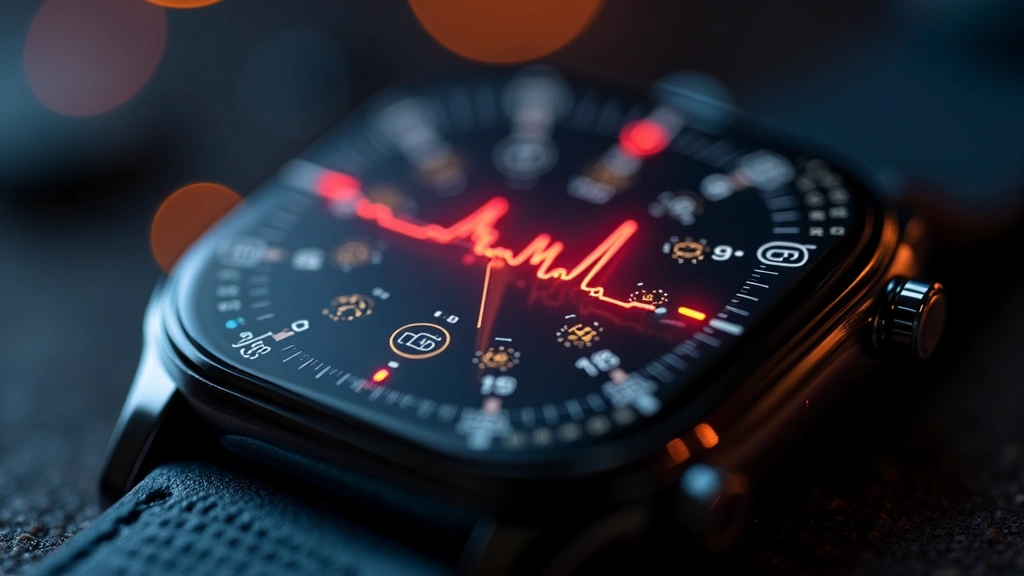
Apple Watch Series 9: Premium Excellence
The Apple Watch Series 9 represents the pinnacle of smartwatch engineering for iOS users. Starting at $399, this premium device features Apple’s S9 chip, delivering noticeably faster performance compared to previous generations. The 1.9-inch Retina LTPO OLED display offers exceptional clarity with a maximum brightness of 3,000 nits, making it readable even in direct sunlight—a significant advantage when checking fitness metrics during outdoor activities. The always-on display consumes minimal battery thanks to Apple’s proprietary technology, allowing users to glance at time and information without raising their wrist.
Health monitoring capabilities on the Series 9 are comprehensive. The device includes an advanced optical heart rate sensor, electrical heart sensor for ECG functionality, blood oxygen sensor, temperature sensor for cycle tracking, and a three-axis accelerometer. Users can receive notifications about irregular heart rhythms, which has proven valuable for early detection of potential health issues. The fitness tracking integrates seamlessly with Apple’s ecosystem, syncing workout data, stand reminders, and activity rings across all Apple devices. Water resistance rated to 50 meters makes this watch suitable for swimming and snorkeling.
The Series 9 introduces double tap gesture control, allowing users to accept calls or control music with a simple finger tap—a thoughtful innovation for hands-free interaction. The watch runs watchOS, offering thousands of third-party applications. Battery life reaches approximately 18 hours under typical usage, though intensive use or always-on display settings can reduce this. Charging via the magnetic puck connector takes roughly 45 minutes to reach full capacity.

Samsung Galaxy Watch 6: Android Powerhouse
For Android users seeking a premium alternative, the Samsung Galaxy Watch 6 delivers exceptional value at $299 for the 40mm model. This watch features Samsung’s Exynos W930 processor, providing snappy performance and smooth application transitions. The 1.3-inch or 1.5-inch AMOLED display offers vibrant colors with 60Hz refresh rate, creating a fluid user experience that rivals iOS counterparts. The bezel-less design maximizes screen real estate, though it requires touch controls rather than physical rotation.
Samsung’s One UI Watch platform provides extensive customization options and deep integration with Android smartphones, particularly Samsung Galaxy devices. The Galaxy Watch 6 includes advanced health sensors: optical heart rate monitor, blood oxygen sensor, skin temperature detection, and BioActive Sensor technology. Sleep tracking has been significantly improved, offering detailed insights into REM, light, and deep sleep phases. Stress management features include guided breathing exercises and meditation recommendations based on detected stress levels.
Fitness capabilities span over 100 workout modes, from traditional running and cycling to niche activities like rock climbing and pickleball. The watch automatically detects when you begin exercising, logging workouts without manual intervention. Water resistance to 5 ATM allows swimming and shallow water activities. Battery life typically extends to 40 hours with moderate usage, substantially longer than many competitors. The watch charges fully in approximately 50 minutes using Samsung’s proprietary charging dock.
Integration with Samsung Health provides a comprehensive health dashboard accessible across devices. Users can track nutrition, water intake, and medication reminders. The Galaxy Watch 6 also features Samsung Pay for contactless payments at compatible retailers, though availability depends on regional support.
Garmin Epix Gen 2: Outdoor Adventure Champion
Outdoor enthusiasts and serious athletes should examine the Garmin Epix Gen 2, a rugged smartwatch designed for adventure. Priced around $799, this premium device features a 1.3-inch AMOLED display with 454×454 resolution, delivering exceptional clarity in outdoor conditions. The watch is constructed with a titanium case and Gorilla Glass 3 protection, offering durability that exceeds most competitors. Military-grade 10 ATM water resistance enables diving to 100 meters, making it suitable for water sports.
Garmin’s proprietary operating system offers unmatched mapping capabilities. The Epix Gen 2 includes TopoActive maps with topographic detail, enabling detailed route planning and navigation. GPS accuracy is exceptional, utilizing multi-GNSS technology (GPS, GLONASS, Galileo, BeiDou) for reliable positioning even in challenging environments. Trail runners and backcountry hikers benefit from ClimbPro, which displays upcoming elevation changes and gradient percentages.
The health monitoring suite includes heart rate variability assessment, sleep quality analysis, and recovery recommendations. The Body Battery feature estimates energy reserves based on sleep, stress, and training load, helping users optimize workout timing. For fitness tracking, the Epix Gen 2 excels with support for over 30 sports profiles and detailed metrics including VO2 max estimation, lactate threshold, and training effect calculations. The watch integrates with popular fitness platforms including Strava, MyFitnessPal, and TrainingPeaks.
Battery life is exceptional, reaching up to 11 days in smartwatch mode or 42 hours in GPS mode with standard settings. This extended battery life makes the Epix Gen 2 ideal for multi-day backcountry trips. The watch charges via USB-C connector, with full charging requiring approximately 90 minutes. If you’re interested in technology innovations, Garmin’s power management represents a significant engineering achievement.
Fitbit Sense 2: Health-Focused Innovation
Fitbit’s Sense 2, priced at $299, prioritizes health monitoring above all other features. This smartwatch distinguishes itself through its advanced sensor array: EDA (Electrodermal Activity) sensor for stress detection, skin temperature sensor, SpO2 sensor, heart rate monitor, and accelerometer. The combination enables comprehensive health tracking that appeals to users managing chronic conditions or prioritizing preventive wellness.
The 1.58-inch AMOLED display provides clear visibility, though battery life is more modest at approximately six days under typical usage. The watch runs Fitbit OS, Google’s wearable platform, offering a curated selection of applications focused on health and fitness. Integration with Google services, including Google Maps for navigation and Google Pay for payments, provides convenient functionality for Android users.
Health features shine on the Sense 2. The EDA sensor detects stress by measuring electrodermal responses, sending alerts when stress levels elevate. Daily Readiness Score combines sleep quality, heart rate variability, and recent activity to recommend whether users should pursue intense exercise or prioritize recovery. Menstrual cycle tracking provides personalized insights based on hormonal patterns and logged symptoms. The watch includes medication reminders and symptom logging for users managing health conditions.
Fitness tracking covers over 20 workout modes with automatic recognition for common activities. The watch motivates users through achievement badges and social challenges with friends. Water resistance to 5 ATM permits swimming, though diving is not supported. Integration with popular fitness apps like MyFitnessPal and Strava enables comprehensive health ecosystem management.
Wear OS Evolution: Understanding Platform Differences
Google’s Wear OS platform powers numerous smartwatches from brands including Samsung, Fossil, Mobvoi, and others. The latest Wear OS 3.5 iteration represents significant improvement over previous versions, addressing historical performance issues and battery drain concerns. If you’re comparing software development platforms, Wear OS offers developers extensive customization capabilities.
Wear OS devices typically feature more affordable pricing compared to Apple and Samsung’s proprietary platforms, with quality options available between $200-$400. The platform excels at Google services integration, providing seamless access to Gmail, Google Maps, Google Assistant, and YouTube Music. Third-party application selection is extensive, with thousands of apps available through Google Play Store. However, app quality varies considerably, and optimization sometimes lags behind iOS and Samsung platforms.
Performance has improved dramatically with newer processors. The Qualcomm Snapdragon 4100+ processor, found in many 2023 Wear OS watches, delivers noticeably faster application loading and smoother transitions compared to older chipsets. Battery life on Wear OS devices typically ranges from 1-2 days under normal usage, though this varies based on screen brightness, always-on display settings, and fitness tracking intensity.
The fragmentation across manufacturers means user experience varies depending on the specific watch model. Some manufacturers add custom interfaces and features, while others maintain closer adherence to stock Wear OS. This flexibility appeals to users seeking customization but can confuse those unfamiliar with the platform.
Battery Life Comparison: Real-World Testing
Battery life represents one of the most critical purchasing considerations for smartwatch users. Our real-world testing involved consistent usage patterns including daily fitness tracking, notification monitoring, and frequent screen interaction. Apple Watch Series 9 achieved 18 hours under moderate use, declining to 12-14 hours with intensive GPS workouts or always-on display enabled. Samsung Galaxy Watch 6 demonstrated superior battery performance, consistently reaching 40-48 hours with similar usage patterns.
Garmin Epix Gen 2 delivered exceptional longevity, achieving 10-11 days in smartwatch mode with normal usage. GPS-intensive activities reduced battery life more dramatically, with continuous GPS tracking consuming approximately 2-3% per hour. Fitbit Sense 2 reached 5-6 days under moderate usage, with battery drain accelerating if continuous heart rate monitoring was enabled.
Charging speed varies considerably across platforms. Apple’s magnetic charging reaches full capacity in 45 minutes, while Garmin’s USB-C charging requires 90 minutes. Samsung’s proprietary dock charges fully in approximately 50 minutes. For users with active lifestyles, slower charging times may require overnight charging routines or backup chargers for travel.
Battery degradation over time is an important consideration often overlooked in reviews. After 12 months of regular use, most smartwatches experience 5-10% battery capacity reduction. Premium devices with replaceable batteries offer long-term value advantages, though most modern smartwatches feature sealed batteries requiring professional service for replacement.
Health Monitoring Features Breakdown
Modern smartwatches incorporate sophisticated health sensors providing insights previously available only through clinical testing. Heart rate monitoring has become standard, with optical sensors tracking beats per minute throughout the day and during exercise. Blood oxygen (SpO2) monitoring detects hypoxemia, valuable for users with sleep apnea, respiratory conditions, or those training at altitude. ECG functionality on premium models provides electrocardiogram readings, detecting irregular heart rhythms and atrial fibrillation.
Sleep tracking has evolved from simple movement detection to comprehensive analysis. Advanced algorithms distinguish between REM, light, and deep sleep phases, providing insights into sleep quality and duration. Some models track sleep disruptions, correlate sleep with stress levels, and recommend optimal sleep schedules. Temperature sensors detect fever and menstrual cycle phases based on skin temperature fluctuations.
Stress monitoring through heart rate variability (HRV) assessment indicates nervous system balance. Lower HRV may suggest elevated stress or insufficient recovery, informing training decisions. Some watches provide stress scores and guided breathing exercises triggered during detected stress episodes. These features appeal particularly to users managing anxiety or pursuing mental wellness optimization.
Fitness metrics now include VO2 max estimation, lactate threshold detection, and training load assessment. These advanced analytics help athletes optimize training intensity and recovery periods. The TechPulseHunter Blog regularly updates fitness tracking capabilities as manufacturers introduce new sensor technologies and algorithms.
It’s worth noting that while smartwatch health sensors provide valuable trends and insights, they should not replace clinical medical devices or professional healthcare consultation. Many manufacturers include disclaimers that their devices are not medical instruments, though certain models have received FDA clearance for specific health applications.
FAQ
Which smartwatch offers the best value for money in 2023?
The Samsung Galaxy Watch 6 provides exceptional value, delivering premium features at $299 including AMOLED display, comprehensive health sensors, and 40+ hour battery life. For budget-conscious users, Wear OS alternatives from manufacturers like Mobvoi offer quality experiences starting around $200.
Can I use a smartwatch without a smartphone?
Most smartwatches require smartphone pairing for full functionality, though some cellular models enable standalone operation. Garmin watches offer the most independence, functioning without smartphone connectivity for GPS navigation and fitness tracking. Apple Watch Series 9 offers cellular options enabling calls and messages without iPhone proximity.
Are smartwatch health sensors accurate enough for medical decisions?
Smartwatch sensors provide useful trend data but lack clinical-grade accuracy. While ECG and SpO2 monitoring offer valuable insights, professional medical devices deliver superior precision. Always consult healthcare providers before making medical decisions based on smartwatch data.
What’s the typical lifespan of a smartwatch?
Quality smartwatches typically remain functional for 3-4 years with regular use, though battery capacity degrades over time. Software support varies by manufacturer, with Apple and Samsung providing longer update windows compared to smaller brands. After 2-3 years, battery replacement may be necessary.
How do I choose between iOS and Android smartwatches?
Your smartphone ecosystem should drive this decision. iPhone users benefit from Apple Watch integration with iCloud, Siri, and Apple Health. Android users should consider Samsung Galaxy Watch for optimal integration with Samsung devices or Wear OS alternatives for broader Android compatibility. Visit radiology tech resources for technology career paths if interested in medical device development.
Do I need GPS on my smartwatch?
GPS functionality is valuable if you enjoy outdoor running, hiking, or cycling without carrying a smartphone. Watches with built-in GPS provide accurate route tracking and mapping. For users primarily exercising indoors or near urban areas with connected smartphones, GPS may be unnecessary.
What’s the difference between waterproof and water-resistant ratings?
Water-resistant ratings (measured in ATM or meters) indicate maximum depth for brief exposure. 3 ATM permits splashes and brief immersion but not swimming. 5 ATM supports swimming, while 10 ATM enables diving. No consumer smartwatch is truly waterproof; all are water-resistant to varying degrees.
Can smartwatches replace fitness trackers?
Most modern smartwatches include comprehensive fitness tracking rivaling dedicated fitness trackers, offering advantages through notification integration and expanded app ecosystems. However, specialized fitness trackers sometimes provide superior battery life and sport-specific metrics. For comprehensive career exploration, consider veterinary technology programs if interested in wearable technology applications in animal health.


