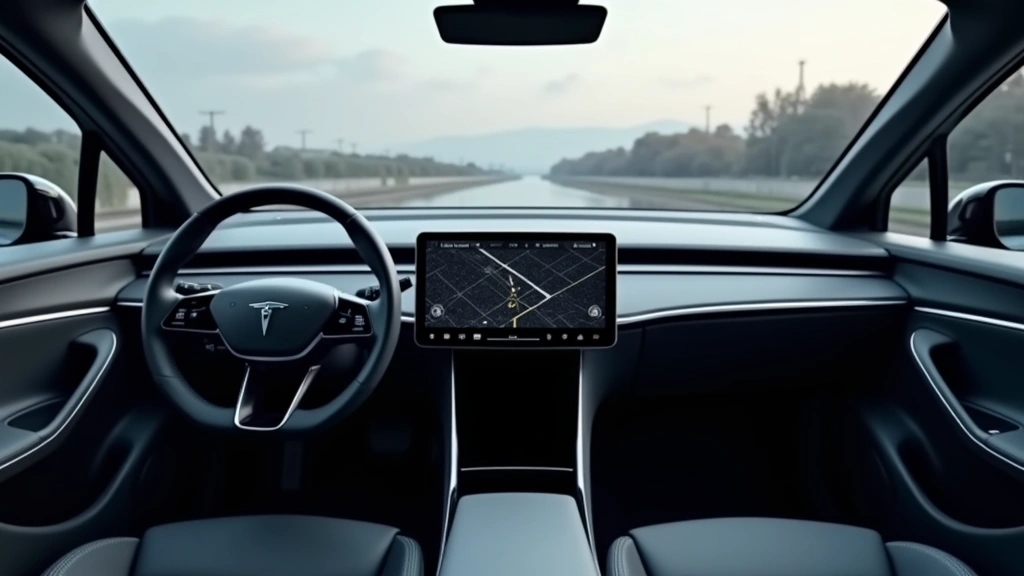
Top Tech Cars of 2023: Expert Picks for Innovation and Performance
The automotive industry in 2023 reached a pivotal moment where technology became as important as horsepower. Modern vehicles now integrate cutting-edge infotainment systems, autonomous driving capabilities, and artificial intelligence to create driving experiences previously confined to science fiction. Whether you’re shopping for your next vehicle or simply curious about automotive innovation, understanding which cars lead the tech revolution is essential. This comprehensive guide explores the best tech cars of 2023, examining their standout features, performance metrics, and how they compare in the competitive landscape.
The evolution of automotive technology reflects broader trends in artificial intelligence applications transforming the future. From adaptive cruise control to predictive maintenance systems, today’s vehicles incorporate sophisticated algorithms that learn driver behavior and optimize vehicle performance in real-time. We’ve compiled expert analysis of vehicles that truly stand out in technological innovation, blending practical usability with groundbreaking features.
Tesla Model S Plaid: Electric Performance Redefined
The Tesla Model S Plaid represents the pinnacle of electric vehicle technology in 2023, combining raw performance with sophisticated autonomous capabilities. With three independent electric motors producing 1,020 horsepower, this sedan accelerates from 0-60 mph in approximately 1.99 seconds, making it one of the fastest production cars globally. The advanced battery management system optimizes power distribution across all three motors, delivering unprecedented efficiency and range exceeding 350 miles on a single charge.
Tesla’s proprietary Autopilot system continues to evolve, featuring sophisticated computer vision utilizing eight cameras positioned around the vehicle. The full self-driving capability package processes real-time environmental data, enabling features like automatic lane changes, parking maneuvers, and traffic-aware cruise control. The 17-inch touchscreen interface integrates gaming capabilities, streaming services, and vehicle diagnostics in a unified ecosystem. Battery thermal management prevents degradation, while regenerative braking converts kinetic energy back into stored power, maximizing efficiency during daily driving.
The Model S Plaid’s over-the-air update system continuously improves vehicle performance and introduces new features without requiring dealership visits. This approach exemplifies how best new tech transforms ownership experiences. Owners report exceptional reliability, though some note premium pricing and Tesla’s proprietary service network as considerations.
BMW iX: Luxury Meets Sustainability
BMW’s iX represents the German automotive giant’s commitment to electric mobility without sacrificing luxury appointments. The dual-motor setup delivers 516 horsepower with available all-wheel drive, achieving 0-60 mph acceleration in 4.6 seconds. Range estimates of 324 miles on the EPA cycle position the iX competitively against other premium electric crossovers, while 150 kW DC fast charging capability enables 80% battery capacity in roughly 35 minutes.
The iX’s technological centerpiece is BMW’s latest iDrive 8 infotainment system, featuring a curved display spanning the dashboard. Voice recognition powered by advanced natural language processing understands conversational commands, adjusting climate, navigation, and entertainment without manual input. The gesture control interface allows drivers to adjust volume or dismiss calls through hand movements, enhancing safety by minimizing attention diversion.
Ambient lighting systems with over 30 programmable colors create personalized cabin atmospheres, while semi-autonomous parking capabilities handle parallel and perpendicular maneuvers automatically. The adaptive suspension continuously adjusts damping in response to road conditions, delivering responsive handling during spirited driving while maintaining comfort during highway cruising. Integration with best in tech ecosystems ensures seamless connectivity across personal devices and services.
Mercedes-Benz EQS: The Electric S-Class
Mercedes-Benz positioned the EQS as a direct electric successor to its legendary S-Class sedan, inheriting decades of luxury car engineering while embracing sustainable powertrains. The dual-motor configuration produces up to 516 horsepower, with AMG variants pushing output to 751 horsepower through enhanced battery capacity and motor tuning. The innovative 107.8 kWh battery pack delivers approximately 350 miles of EPA-estimated range, while advanced thermal management maintains optimal battery temperature during extreme driving conditions.
The EQS introduces Mercedes’ hyperscreen technology, an optional 56-inch curved display spanning the dashboard width. This panoramic interface consolidates climate, navigation, infotainment, and vehicle diagnostics in an intuitive layout. The OLED display technology delivers superior contrast and color accuracy compared to conventional LCD alternatives, while haptic feedback buttons provide tactile confirmation without physical switches.
Mercedes’ DRIVE PILOT system represents semi-autonomous driving capability, enabling hands-free operation on approved highways up to 40 mph. The system processes data from 14 cameras, radar sensors, and lidar units, creating comprehensive environmental awareness. Predictive power management analyzes route information and traffic patterns, optimizing energy consumption and extending range on longer journeys. The panoramic glass roof with adjustable transparency adds futuristic ambiance while improving interior brightness.
Lucid Air: Cutting-Edge EV Innovation
Lucid Motors’ Air sedan emerged as 2023’s most technologically ambitious electric vehicle, combining luxury positioning with performance specifications rivaling supercar benchmarks. The tri-motor configuration delivers up to 1,234 horsepower in range-topping variants, achieving 0-60 mph acceleration in 2.5 seconds. The 112 kWh battery pack enables 503 miles of EPA-estimated range, the longest among production sedans, thanks to industry-leading efficiency metrics optimized through aerodynamic design and lightweight construction.
The Air’s glass cockpit interface features a 34-inch curved display delivering immersive information presentation. Advanced software processing enables augmented reality navigation overlay, visually displaying turn-by-turn directions on the windshield through the head-up display system. The Lucid Gravity AI system personalizes driving experiences, learning individual preferences for climate, seat positioning, and entertainment selections through machine learning algorithms.
Lucid’s proprietary charging infrastructure partnership enables rapid charging accessibility across North America. The vehicle supports 900-volt architecture, enabling 300-mile range restoration in approximately 20 minutes using compatible DC fast chargers. Over-the-air updates continuously enhance functionality, while predictive maintenance algorithms monitor component health and alert owners to potential issues before failures occur.
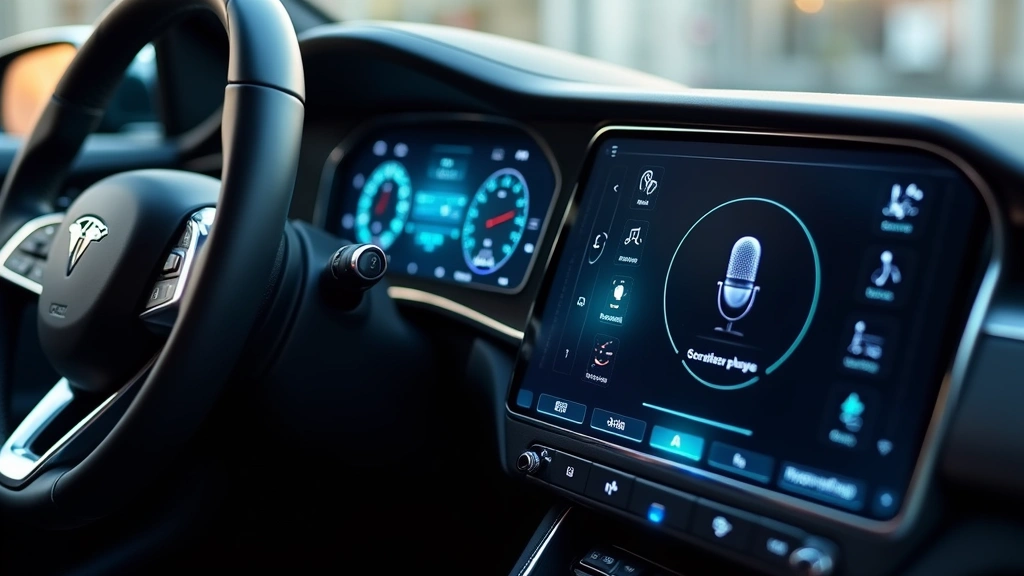
Cadillac Lyriq: American Tech Excellence
General Motors’ Cadillac brand positioned the Lyriq as an American answer to premium electric crossovers, combining luxury amenities with practical technology. The dual-motor all-wheel drive system produces 340 horsepower, delivering adequate acceleration for spirited driving while prioritizing efficiency. The 100 kWh battery pack provides approximately 300 miles of EPA-estimated range, with GM’s Ultium platform enabling rapid charging to 80% capacity in roughly 30 minutes at compatible DC fast chargers.
The Lyriq features GM’s latest Super Cruise semi-autonomous driving system, enabling hands-free highway operation on over 400,000 miles of mapped roads. The system combines lidar sensors, cameras, and radar for comprehensive environmental awareness, with occupant monitoring ensuring driver attentiveness through infrared cameras and facial recognition technology. The system automatically disengages if driver attention lapses, prompting reactivation through steering wheel input.
The 33-inch curved OLED display dominates the dashboard, offering vibrant color reproduction and rapid response times. The system integrates wireless smartphone connectivity, enabling seamless transition between vehicle and personal device functions. Wireless charging pads accommodate multiple devices simultaneously, while the power-operated glass roof with starlight headliner creates an expansive cabin atmosphere. Visit TechPulseHunter Blog for comprehensive automotive technology analysis.
Porsche Taycan: Sports Car Electrified
Porsche’s Taycan redefined sports car expectations for the electric era, delivering thrilling performance metrics while maintaining the brand’s handling excellence. The dual-motor configuration produces up to 750 horsepower in Turbo variants, achieving 0-60 mph acceleration in 2.6 seconds. The 93 kWh battery pack delivers approximately 287 miles of EPA-estimated range, with innovative thermal management maintaining performance during consecutive acceleration runs without degradation.
The Taycan’s two-speed transmission optimizes motor efficiency across acceleration and cruising phases, a technological breakthrough differentiating it from single-speed electric competitors. The transmission automatically selects appropriate ratios, enabling maximum acceleration efficiency while minimizing energy consumption during highway cruising. Regenerative braking systems capture kinetic energy during deceleration, with variable brake pedal response allowing drivers to modulate regeneration intensity through pedal pressure.
The adaptive air suspension continuously adjusts ride height and damping based on driving conditions, maintaining low aerodynamic profiles during highway driving while increasing ground clearance for rough terrain. The four-wheel steering system enhances maneuverability during parking while improving high-speed stability through integrated yaw control. The digital cockpit interface consolidates performance metrics, navigation, and vehicle diagnostics in a driver-focused layout optimized for track-day performance.
Genesis GV60: Korean Tech Leadership
Hyundai’s premium Genesis brand introduced the GV60 as a technological tour de force, combining Korean engineering excellence with cutting-edge innovation. The dual-motor all-wheel drive system produces 314 horsepower, delivering smooth acceleration with emphasis on efficiency and refinement. The 77.4 kWh battery pack provides approximately 248 miles of EPA-estimated range, with 800-volt architecture enabling rapid charging capabilities exceeding most competitors at similar price points.
The GV60 features Genesis’ innovative crystal sphere infotainment interface, a retro-futuristic design element housing the touchscreen within a rotating sculptural element. The display extends from the dashboard surface, creating visual theater during startup sequences while providing intuitive access to navigation, climate, and entertainment functions. The augmented reality head-up display overlays navigation directions and vehicle information on the windshield, improving situational awareness without driver distraction.
Genesis’ Highway Driving Assist 2 system enables semi-autonomous highway operation with advanced lane-keeping and adaptive cruise capabilities. The system processes data from multiple sensor arrays, maintaining safe distances from other vehicles while automatically adjusting speed in response to traffic conditions. The cabin features ambient lighting with customizable color schemes, creating personalized driving environments. Wireless smartphone integration enables seamless connectivity with personal devices, while voice recognition systems support multiple languages for international owners.
Key Technology Features Comparison
When evaluating the best tech cars of 2023, several critical technology categories emerge as differentiators. Battery technology directly impacts range and charging speed, with larger capacity packs like Lucid Air’s 112 kWh enabling extended driving distances, while advanced thermal management in vehicles like the Porsche Taycan maintains performance consistency during demanding driving. Motor configuration varies significantly, with dual-motor setups providing all-wheel drive advantages while tri-motor systems like Tesla Model S Plaid deliver maximum performance.
Autonomous driving capabilities range from advanced driver assistance systems like Cadillac’s Super Cruise to Tesla’s full self-driving packages. These systems utilize different sensor combinations, with some relying primarily on cameras while others integrate lidar for enhanced environmental mapping. Infotainment systems represent major differentiators, with curved displays becoming standard across premium vehicles, though implementation quality and software responsiveness vary considerably between manufacturers.
Charging infrastructure compatibility impacts real-world usability significantly. Vehicles with access to multiple fast-charging networks experience greater convenience than those limited to proprietary systems. Battery management systems determine longevity and performance consistency, with advanced thermal management preventing degradation during extreme weather conditions. Over-the-air update capabilities enable manufacturers to introduce new features and performance improvements without requiring dealership visits, fundamentally changing vehicle ownership experiences.
Pricing represents a crucial consideration when evaluating technology value. The Tesla Model S Plaid starts around $89,990, while the Mercedes-Benz EQS begins approximately $104,000. The Lucid Air commands premium pricing starting near $69,990 for base variants, while Cadillac’s Lyriq offers technology-rich options starting around $62,895. For detailed specifications and performance benchmarks, consult The Verge’s automotive coverage for comprehensive reviews.
Emerging Technologies on the Horizon
The automotive technology landscape continues evolving rapidly beyond 2023 specifications. Solid-state battery technology promises significant energy density improvements, potentially extending range to 600+ miles while reducing charging times below 15 minutes. Advanced lidar systems become increasingly affordable, enabling broader adoption of autonomous driving capabilities across vehicle segments. Artificial intelligence integration deepens, with vehicles learning individual driver preferences and predicting maintenance needs through sophisticated algorithms.
Vehicle-to-infrastructure communication technology enables real-time traffic optimization, where vehicles communicate with road systems and other vehicles to improve traffic flow and safety. Biometric authentication systems replace traditional key fobs, using facial recognition and fingerprint scanning for secure access. Advanced climate control systems utilize zone-based temperature management, allowing individual occupants to customize comfort settings independently. For comprehensive technology reviews, check CNET’s automotive technology reviews for detailed analysis.
Augmented reality windshield displays continue advancing, eventually enabling comprehensive heads-up information presentation without requiring driver attention shifts. Advanced driver monitoring systems ensure occupant safety through continuous attention assessment, automatically disengaging autonomous features if vigilance lapses. Wireless power transfer technology may eventually enable charging without physical connections, though infrastructure development remains in early stages.
Making Your Technology Choice
Selecting the best tech car depends on individual priorities and usage patterns. Daily commuters benefit from extended range and rapid charging capabilities, making vehicles like the Lucid Air attractive despite premium pricing. Luxury buyers prioritizing comfort and cutting-edge features find compelling options in Mercedes-Benz EQS and BMW iX lineups. Performance enthusiasts appreciate Tesla Model S Plaid’s acceleration metrics and Porsche Taycan’s sports-oriented handling characteristics.
Budget-conscious buyers discover solid technology integration across mainstream brands, with Cadillac Lyriq offering impressive technology features at lower price points than premium competitors. Long-distance travelers prioritize charging infrastructure accessibility and real-world range consistency, factors favoring established manufacturers with developed networks. Safety-focused buyers should evaluate autonomous driving system capabilities and occupant monitoring features, where premium manufacturers typically invest heavily in advanced sensor arrays.
Future-proofing considerations suggest prioritizing vehicles with robust over-the-air update capabilities, ensuring your vehicle receives software improvements and feature additions throughout ownership. Battery warranty coverage varies significantly, with some manufacturers offering longer protection periods reflecting confidence in longevity. Service network accessibility impacts ownership convenience, particularly important for owners in rural areas where dealership proximity affects maintenance scheduling.
For additional technology specifications and expert analysis, consult Edmunds’ comprehensive vehicle specifications and performance data. Industry benchmarks from established automotive journalists provide valuable perspective on real-world reliability and ownership satisfaction. Manufacturer specifications sheets detail battery capacities, motor outputs, and charging capabilities, though real-world performance often differs slightly based on driving conditions and climate factors.
FAQ
Which 2023 tech car offers the longest range?
The Lucid Air leads the segment with EPA-estimated range exceeding 500 miles on its largest battery configuration, utilizing advanced aerodynamic design and efficient motor technology to maximize energy utilization. The Mercedes-Benz EQS and Tesla Model S Plaid offer competitive range specifications exceeding 350 miles, though Lucid’s efficiency advantage provides the longest certified driving distance.
What autonomous driving systems are most advanced in 2023?
Tesla’s Full Self-Driving capability and Cadillac’s Super Cruise represent the most sophisticated semi-autonomous systems, with different technological approaches. Tesla emphasizes camera-based vision processing, while Cadillac incorporates lidar sensors for enhanced environmental mapping. Both systems require driver attention and engagement, with varying levels of hands-free operation depending on road conditions and mapped coverage areas.
How important is charging speed for daily usability?
Charging speed becomes critical for owners without home charging access or those requiring frequent long-distance travel. DC fast charging from 10-80% capacity in 20-30 minutes suits most users, though longer trips benefit from ultra-rapid charging like Lucid’s 900-volt architecture. Home charging overnight remains the primary charging method for most electric vehicle owners, reducing reliance on public infrastructure.
Which vehicles offer the best infotainment systems?
The Mercedes-Benz EQS hyperscreen and Lucid Air’s glass cockpit represent premium infotainment solutions, offering expansive displays with intuitive interfaces. BMW’s iDrive 8 system combines gesture control and voice recognition for sophisticated interaction methods. Selection depends on personal preferences regarding display size, software responsiveness, and feature integration.
Are these vehicles reliable for long-term ownership?
Tesla vehicles demonstrate strong reliability records with established track records spanning multiple years. Premium manufacturers like Mercedes-Benz and BMW maintain historical reliability standards, though electric vehicle long-term data remains limited. Lucid and Genesis vehicles represent newer brands with developing service networks, though manufacturers offer comprehensive warranties covering battery degradation and component failures.
What maintenance costs should owners expect?
Electric vehicles eliminate oil changes, transmission services, and spark plug replacements, reducing routine maintenance significantly. Tire wear may increase due to motor torque characteristics, while brake pad longevity extends due to regenerative braking systems. Battery-related repairs remain expensive, though warranty coverage typically protects against degradation below specified thresholds, usually 70-80% original capacity after 8-10 years.


