Table of Contents
Introduction
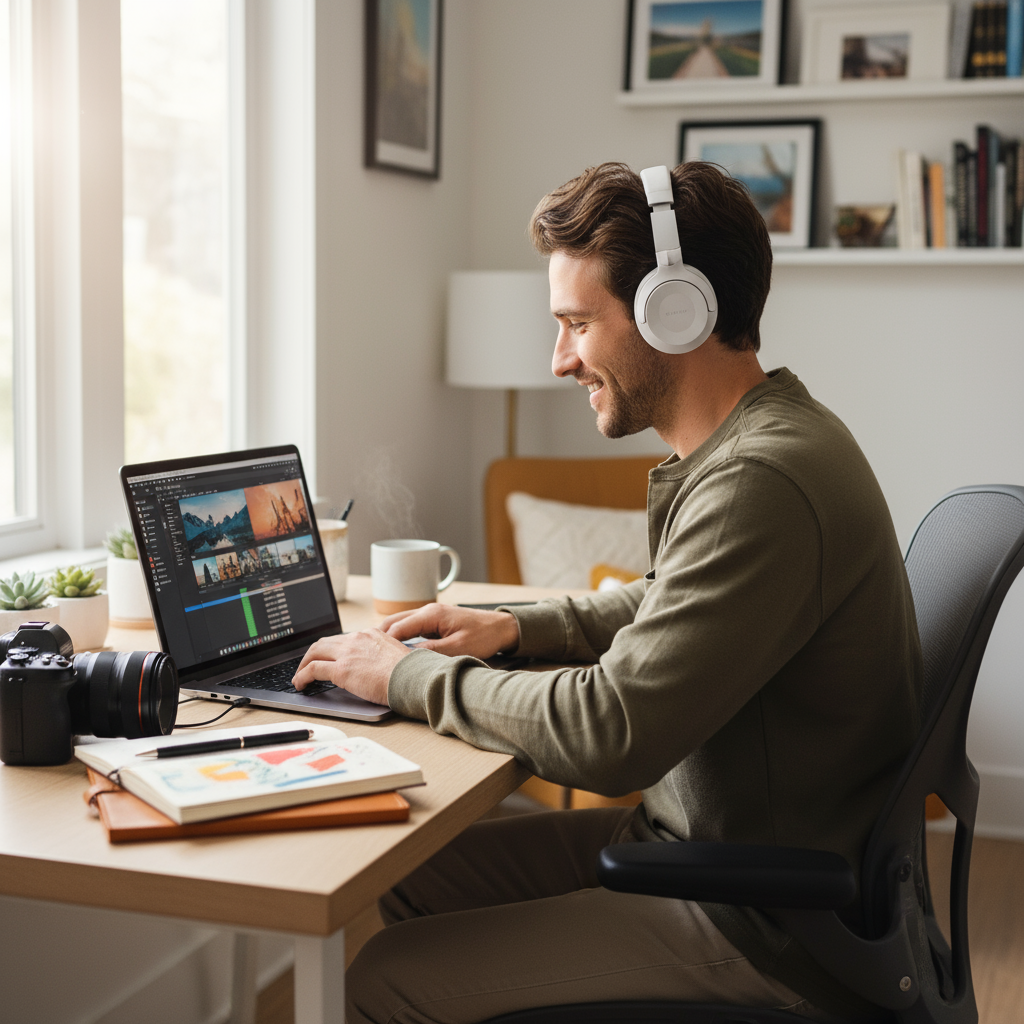
Starting your video editing journey? You’re probably feeling a bit overwhelmed right now. Trust me, you’re not alone—the sheer number of editing software options out there can make your head spin. But here’s the thing: picking the right tool from the get-go will make or break your entire editing experience. Whether you’re creating TikToks, family memories, or dreaming of YouTube stardom, your software choice directly impacts both how much you’ll enjoy the process and how good your videos will look.
Video editing software has come a long way (seriously, you should have seen what we had to work with ten years ago). The good news? There are now plenty of beginner-friendly options that won’t make you want to pull your hair out. The bad news? Figuring out which one’s right for you can still feel like solving a puzzle blindfolded. That’s why understanding what makes editing software actually beginner-friendly is so important. Look for clean interfaces, straightforward tools, and solid learning resources—these will save you countless hours of frustration. And while we’re talking about smooth workflows, checking out the best laptops for video editing might be worth your time too.
Here’s something that might surprise you: user-friendly doesn’t mean wimpy. Many modern editing programs manage to be both easy to learn and surprisingly powerful. You’ll get all the essential tools you need—trimming, cutting, transitions, and more—without feeling like you need a computer science degree to use them. Plus, having access to tutorials, helpful guides, and actual human support when things go wrong? That’s invaluable when you’re learning. Speaking of learning, exploring broader tech topics like building online platforms or artificial intelligence applications can give you a bigger picture of how video editing fits into today’s digital landscape.
Let’s be honest—video editing can feel intimidating at first. Maybe you’re worried about the technical stuff, or perhaps you’re afraid you’ll stare at a blank timeline with zero creative inspiration. (Been there!) But here’s what I’ve learned: the right beginner software acts like training wheels—it gives you confidence while you’re learning to ride. And once you get comfortable? The creative possibilities are endless. Plus, understanding video editing alongside current trends in software development will help you stay ahead of the curve and maybe even spark some innovative ideas.
What You’ll Learn in This Guide
We’re going to walk through everything you need to know to pick the perfect video editing software and actually start using it with confidence. Whether you’re eyeing free options or considering investing in something more robust, you’ll have all the info you need by the end.
- Key Features to Look for: We’ll break down exactly what makes software beginner-friendly—from intuitive interfaces to essential editing tools and the kind of support that’ll actually help when you’re stuck.
- Top Software Options: You’ll get the real scoop on the best free and paid video editing programs for beginners, including honest pros and cons so you can find your perfect match.
- Tips for Getting Started: Learn the practical stuff—how to plan your projects, nail basic editing techniques, and build habits that’ll keep you improving steadily.
- Overcoming Challenges: We’ll tackle the common roadblocks every new editor hits (technical hiccups, creative blocks, time management nightmares) and give you proven strategies to push through them.
Before we jump into the nitty-gritty, it’s worth understanding how video editing fits into the bigger tech picture. Keeping tabs on technology in various industries shows you just how fast video editing tools are evolving and where they’re being used. Oh, and here’s a pro tip: brushing up on online cybersecurity courses isn’t just smart—it’s essential for protecting your creative work and personal info while you’re editing.
When you arm yourself with the right knowledge and resources upfront, choosing software becomes so much easier. You’ll actually know what you’re looking for instead of just hoping for the best. This guide is designed to flatten that learning curve and get you excited about creating videos instead of dreading the technical stuff.
Ready to dive in? We’re about to explore the world of beginner-friendly video editing software together, and I promise to give you everything you need to start creating videos you’ll actually be proud to share.
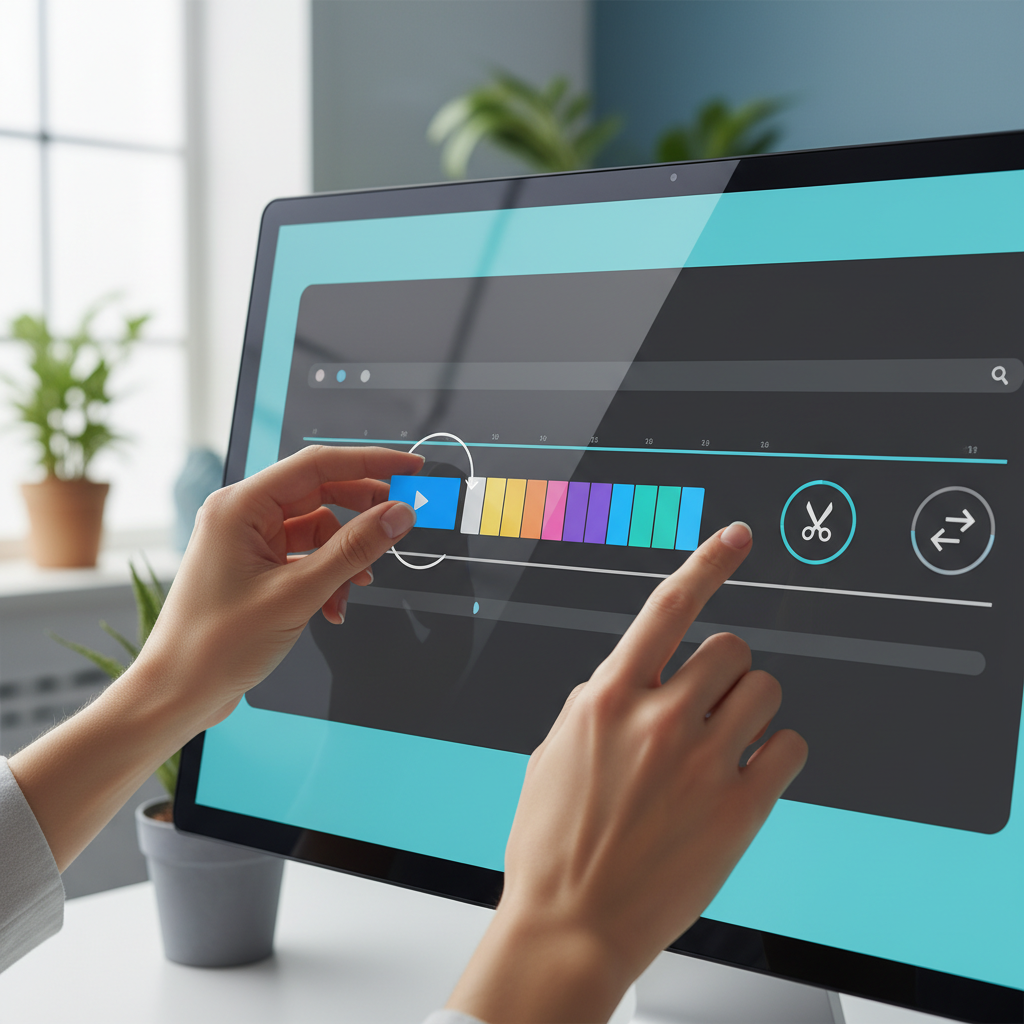
So you want to start editing videos? Smart move. But here’s the thing—picking your first video editing software can feel overwhelming. There are dozens of options out there, and honestly, some of them are complete overkill for beginners. You don’t need Hollywood-level complexity when you’re just trying to trim clips and add some basic transitions. The key is finding something that won’t make you want to throw your computer out the window, while still giving you room to grow. Trust me, the software you choose will either spark your creativity or kill it before you even get started.
Key Features to Look for in Beginner Video Editing Software
Let’s talk about what actually matters when you’re starting out. First up: the interface. If you open the software and immediately feel lost, that’s a red flag. You want something that makes sense—where the timeline is obvious, the tools are clearly labeled, and you can drag and drop without hunting through confusing menus. Think of it like learning to drive: you don’t want to be figuring out where the brakes are while you’re trying to navigate traffic. The same goes for basic editing tools. You need simple cutting, trimming, and transition options that just work. No PhD required. When you’re ready to dive deeper, video editing software that combines simplicity with core functionalities will be your best friend on this journey.
But here’s what a lot of people overlook—learning resources matter. A lot. You’re going to get stuck, probably multiple times, and when that happens, you want help that’s actually helpful. Look for software with decent tutorials (preferably video ones, because irony), active forums where real people answer questions, and maybe even live chat support if you’re lucky. It’s like having a safety net while you’re learning to walk the tightrope. And speaking of safety nets, make sure whatever you choose plays nice with your current setup. If you’re planning to upgrade your hardware soon, checking out laptops optimized for video editing might save you headaches down the road.
Key Aspects of Beginner-Friendly Features
Here’s what you should actually look for when comparing options:
- User-Friendly Interface: Clean layout, drag-and-drop that actually works, and menus that make sense. You shouldn’t need a map to find basic tools. If it feels intuitive within the first 10 minutes, you’re on the right track.
- Basic Editing Tools: Cutting, trimming, simple transitions, and basic color tweaks. These are your bread and butter. Fancy effects are nice, but if you can’t do the basics smoothly, those bells and whistles won’t help.
- Learning Resources and Support: Good tutorials, responsive help desk, and an active community. When you’re stuck at 2 AM trying to figure out why your audio is out of sync, you’ll thank me for this advice.
- Hardware Compatibility: Software that works with what you’ve got (or what you’re planning to get). Nothing kills creativity faster than constant crashes and lag. Been there, done that.
Focus on these basics, and you’ll set yourself up for success. As you get more comfortable, you can always explore advanced features or even switch to more powerful software later.
Top Video Editing Software Options for Beginners
Now for the fun part—actual recommendations. If you’re on a budget (and let’s be honest, who isn’t?), start with the free options. iMovie is fantastic if you’re on Mac—it’s like training wheels that don’t feel like training wheels. OpenShot and Shotcut are solid choices for PC users, though they might feel a bit clunkier at first. Don’t let the “free” label fool you; these programs can handle way more than you’d expect. I’ve seen people create amazing content with nothing but free software and some creativity. If you’re ready to invest a little cash, Adobe Premiere Elements and Filmora are great middle-ground options. They give you more power without the complexity of professional tools. Before you decide, definitely check out trusted software recommendations for 2025 to see what’s currently working well for people.
Each option has its own personality, if that makes sense. Some are more visual and intuitive, others are more technical but flexible. The trick is finding one that matches how your brain works. Also, pay attention to how often the software gets updated. You want something that’s actively maintained and improved, not abandoned software that’ll become obsolete in two years. It’s like buying a car—you want something reliable that’ll grow with you, not break down when you need it most.
Key Aspects of Popular Beginner Video Editing Software
Here’s the breakdown of what you’ll find in the most recommended beginner options:
- Free Software Options: iMovie is your Mac best friend—simple but surprisingly capable. OpenShot and Shotcut work across platforms and offer serious flexibility for zero dollars. Perfect for testing the waters without financial commitment.
- Paid Software Choices: Adobe Premiere Elements holds your hand with guided edits while giving you room to experiment. Filmora strikes a nice balance between creative effects and ease of use, plus they actually listen to user feedback.
- Learning Support and Community: Most popular platforms have YouTube channels, help forums, and customer support that doesn’t make you want to scream. Community matters more than you think when you’re learning.
- Software Updates and Compatibility: Regular updates mean new features, bug fixes, and compatibility with the latest file formats. It’s like getting a better version of the same tool without buying new software.

Here’s the bottom line: picking your first video editing software doesn’t have to be overwhelming. You want something that feels natural to use—clean menus, a timeline that makes sense, and basic tools that actually do what you expect them to. We’ve covered a lot of ground here, but it really comes down to finding software with clear navigation and essential features like cutting, trimming, and transitions. And here’s something that often gets overlooked: good learning resources. Trust me, having access to solid tutorials and responsive support will save you hours of frustration.
Now, about free versus paid software—both have their place. Free options like iMovie, OpenShot, and Shotcut? They’re genuinely good starting points. You can dive in, experiment, and figure out if video editing clicks for you without spending a dime. If you’re ready to level up, Adobe Premiere Elements and Filmora offer more advanced features while still being beginner-friendly. They include guided workflows that basically hold your hand through complex edits. The sweet spot is finding something that challenges you just enough without making you want to throw your computer out the window. Remember: practice beats perfection every time. Plan your projects, learn one technique at a time, and don’t let technical hiccups derail your creativity.
Speaking of not getting derailed—let’s talk hardware for a second. Your software is only as good as the computer running it. If you’re serious about editing, checking out our guide on best laptops for video editing 2025 will help you find a setup that won’t lag every time you add an effect. While you’re at it, our best video editing software 2025 guide has the latest scoop on what’s worth your time (and money). And if you’re curious about where the industry is heading, latest software development trends in 2024 shows how new tech is making editing easier for beginners. Plus, if you’re thinking about sharing your videos online, learning how to build an e-commerce site could open up some interesting possibilities for monetizing your content.
Look, starting anything new feels intimidating. But video editing? It’s one of those skills that rewards you pretty quickly once you get the hang of it. Pick software that feels right, start small, and don’t be afraid to mess around with different features. The future’s looking pretty exciting too—artificial intelligence applications are already starting to automate some of the tedious stuff, which means more time for the creative parts. So here’s my advice: stop overthinking it. Download something that looks promising, import a video, and start playing. Your first edit might not win any awards, but it’ll teach you more than reading about editing ever could.
Frequently Asked Questions
-
What is the easiest video editing software for beginners?
- Some of the easiest options include iMovie and OpenShot due to their intuitive user interfaces and straightforward editing tools.
-
Do I need to pay for good beginner video editing software?
- No, there are highly capable free programs like iMovie and Shotcut that provide essential features suitable for beginners without any cost.
-
Can I learn video editing quickly as a beginner?
- With consistent practice, following tutorials, and using beginner-friendly software, you can grasp basic video editing techniques relatively quickly.
-
What features should I prioritize as a beginner?
- Focus on software offering a user-friendly interface, basic editing tools, and reliable learning support to ensure smooth progress and minimal frustration.