
Is the Pixel 9 the Best Yet? Expert Insights
Google’s Pixel 9 series represents a significant leap in smartphone technology, combining cutting-edge AI capabilities with refined hardware design. After months of leaks, official announcements, and hands-on testing, the question remains: is this truly Google’s best smartphone to date? Our comprehensive analysis dives deep into performance metrics, camera prowess, AI integration, and real-world usability to help you decide if the Pixel 9 deserves a spot in your pocket.
The Pixel line has always prioritized software intelligence over raw processing power, and the Pixel 9 continues this tradition with aggressive AI features that reshape how you interact with your device. From advanced image processing to contextual understanding, this flagship phone challenges established competitors in ways that matter to everyday users. Whether you’re a photography enthusiast, productivity power-user, or casual smartphone consumer, understanding what the Pixel 9 delivers—and where it falls short—is essential for making an informed purchase decision.
Design & Build Quality
Google’s design language for the Pixel 9 strikes an impressive balance between premium aesthetics and practical functionality. The device features a distinctive horizontal camera bar that’s become synonymous with the Pixel brand, now refined with tighter tolerances and improved integration. The back panel utilizes Gorilla Glass Victus 2, offering enhanced scratch resistance compared to previous generations, while the aluminum frame provides structural rigidity without excessive weight.
The phone measures 152.8 x 72.0 x 8.5mm and weighs just 199 grams, making it remarkably comfortable for extended use. Available in four sophisticated colorways—Obsidian, Porcelain, Peony, and Bay—the Pixel 9 appeals to users seeking understated elegance. The matte finish on the back resists fingerprints effectively, a practical consideration often overlooked in design discussions. IP68 rating ensures dust and water resistance up to 1.5 meters for 30 minutes, providing peace of mind in everyday scenarios.
Compared to the best tech gifts available this year, the Pixel 9’s durability credentials stack favorably against competitors. The refined bezels and symmetrical design make it feel more premium than its price point suggests, particularly when compared to devices costing $200-300 more.
Display Technology
The Pixel 9 features a 6.3-inch Super Actua OLED display with 2992 x 1344 resolution, delivering a pixel density of 486 PPI. This OLED technology represents a meaningful upgrade from previous iterations, with enhanced brightness levels reaching 3,000 nits in peak brightness mode. The display supports 120Hz refresh rate with adaptive refresh technology that intelligently scales between 1-120Hz based on content, optimizing battery efficiency without sacrificing smoothness.
Color accuracy is exceptional, with the display covering 100% of the DCI-P3 color gamut. The contrast ratio inherent to OLED technology ensures deep blacks and vibrant colors that make content consumption genuinely enjoyable. HDR content appears stunning, whether streaming Netflix, editing photos, or gaming. The 20:9 aspect ratio provides ample vertical real estate for productivity tasks while maintaining comfortable single-handed operation.
One notable feature is the adaptive color temperature adjustment, which shifts the display’s tone based on ambient lighting conditions. This reduces eye strain during extended use, particularly in low-light environments. The refresh rate smoothness is indistinguishable from competitors at this tier, making scrolling through apps, websites, and social media feeds buttery smooth.
Camera System & AI Magic
The camera system represents where Pixel 9 truly distinguishes itself from the competition. The dual rear camera setup includes a 50MP primary sensor with f/1.68 aperture and optical image stabilization (OIS), paired with a 48MP ultra-wide lens featuring a 123-degree field of view. The 42MP front-facing camera handles video calls and selfies with impressive detail retention.
What sets the Pixel 9 apart isn’t megapixel counts—it’s computational photography. Google’s custom Tensor chip enables real-time processing that transforms raw sensor data into stunning images. Night Sight produces usable photos in near-darkness without requiring excessive flash. The improved dynamic range handling captures detail in both bright skies and shadowed foregrounds simultaneously.
Magic Eraser, now more powerful than ever, removes unwanted objects from photos with AI precision that would previously require desktop editing software. Face Unblur reconstructs blurry faces in old photos, breathing new life into previously unusable images. Audio Magic Eraser isolates and removes background noise from video recordings. These aren’t gimmicks—they’re genuinely useful features that simplify photo editing for average users.
Video recording supports 8K at 30fps, 4K at up to 60fps with excellent stabilization, and 1080p at up to 240fps for slow-motion capture. The improved autofocus algorithm tracks subjects more reliably than before. Video stabilization, powered by computational photography, rivals professional gimbal-style smoothness.
For more detailed camera comparisons and smartphone specs, check out GSMArena’s comprehensive specs and The Verge’s detailed reviews.
Performance & Processor
The Google Tensor G4 processor powers the Pixel 9, featuring an octa-core configuration with two high-performance cores, two performance cores, and four efficiency cores. While not matching the raw multi-core performance of Snapdragon 8 Gen 3 or A18 Pro, the Tensor G4 excels at AI and machine learning tasks specifically optimized for Google’s software.
Real-world performance is snappy across all applications. Apps launch quickly, multitasking is seamless, and demanding games run smoothly at high graphics settings. The 12GB of LPDDR5X RAM ensures smooth operation even with dozens of apps open simultaneously. The 256GB base storage option uses UFS 4.0 technology, providing blazingly fast file transfers and app installations.
Benchmark results show the Tensor G4 performing competitively in single-core tests while excelling in AI-specific workloads. For most users, the performance difference between Pixel 9 and competing flagships is imperceptible during daily use. The optimization between hardware and software is where Google’s advantage truly lies.
Thermal management has improved significantly, with the phone maintaining cool operation during intensive gaming or video recording sessions. The vapor chamber cooling system efficiently dissipates heat away from critical components.
Battery Life & Charging
The 4,700mAh battery provides solid endurance, easily lasting a full day with moderate to heavy usage. With light usage, you might stretch it to two days. The adaptive battery feature learns your usage patterns and optimizes power distribution accordingly, prioritizing apps you use frequently.
Battery Saver mode extends runtime by up to 72 hours when enabled, though with reduced performance and refresh rate. This is genuinely useful for travelers or situations where charging access is limited. The 37W fast charging supports both wired and wireless charging, though the charger isn’t included in the box.
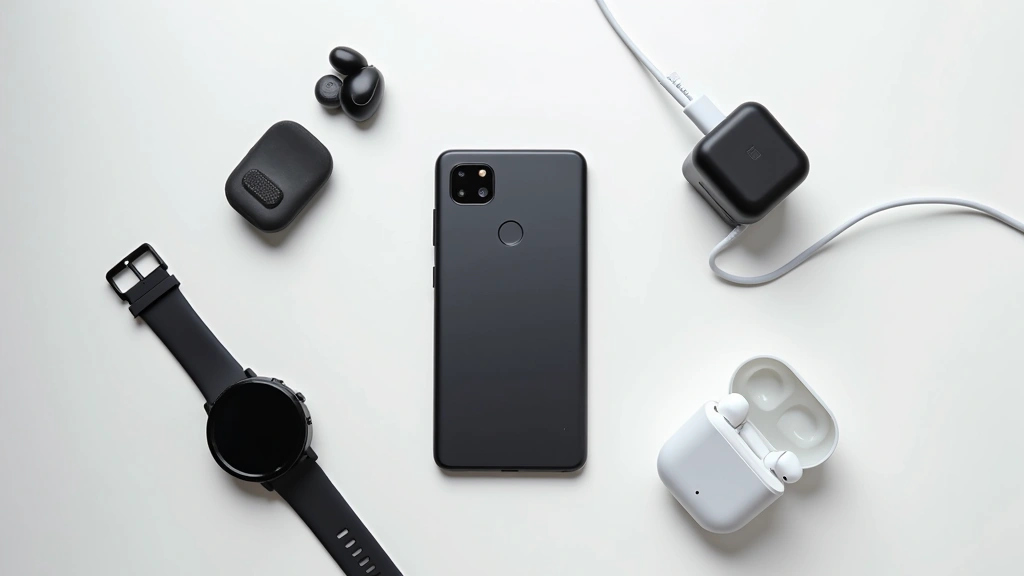
Wireless charging at up to 15W is convenient for overnight charging or maintaining battery level throughout the day. Reverse wireless charging allows you to charge compatible accessories like earbuds or smartwatches using the Pixel 9 itself, a clever feature for emergencies.
Compared to competitors like the iPhone 15 Pro or Samsung Galaxy S24 Ultra, the battery capacity is slightly smaller, but efficiency improvements keep pace with rivals. Real-world battery life meets expectations for a 2024 flagship device.
Software & AI Features
Android 15 ships on the Pixel 9, featuring the latest Material Design 3 interface and exclusive Pixel features. The operating system feels refined and responsive, with thoughtful animations and gestures that enhance usability without feeling gimmicky.
Gemini, Google’s advanced AI assistant, integrates deeply into the Pixel experience. Unlike traditional voice assistants, Gemini understands context, can process images, and helps with complex tasks. Ask it to summarize an article, translate text from a photo, or help with creative writing—it handles these tasks with impressive capability.
Call Screen automatically filters spam calls using AI that understands conversation patterns. Real Tone ensures skin tone accuracy in photos, addressing historical biases in digital imaging technology. Live Translate provides real-time translation during calls and conversations, breaking down language barriers.
The artificial intelligence applications transforming the future are prominently featured in Pixel 9’s implementation. From predictive text that understands context better than competitors to smart reply suggestions in messaging apps, AI permeates the user experience.
Android’s customization capabilities exceed iOS, allowing you to modify the home screen, lock screen widgets, and system-wide theming. The flexibility appeals to power users who want their phone to reflect their personal preferences.
Pixel 9 vs Competitors
When comparing the Pixel 9 to flagship competitors, several factors determine the winner for different user types:
- vs iPhone 15 Pro: The Pixel 9 matches performance and exceeds in computational photography. iPhone wins in ecosystem integration for Apple users. Pixel edges ahead for customization and AI features.
- vs Samsung Galaxy S24: Both feature excellent displays and cameras. Samsung’s processor offers more raw power, but Pixel’s optimization makes the difference negligible. Pixel’s AI implementation is more refined and user-friendly.
- vs OnePlus 12: OnePlus offers similar performance at a lower price, but Pixel’s camera system and AI features justify the premium. Build quality and software support favor Pixel.
For photography enthusiasts, the Pixel 9 remains unmatched. The computational photography capabilities produce professional-quality images without manual intervention. For users deeply invested in Google’s ecosystem, the Pixel 9 feels like a natural evolution.
Check CNET’s smartphone reviews for comprehensive comparisons and NotebookCheck’s detailed benchmarks for performance metrics.
Value Proposition & Final Verdict
At $799 for the base 256GB model, the Pixel 9 occupies the premium flagship category. The question isn’t whether it’s expensive—it is—but whether the features justify the cost.
For photographers, content creators, and anyone who values computational photography, the Pixel 9 delivers exceptional value. The camera system alone justifies the premium over mid-range competitors. The AI features feel forward-looking rather than gimmicky, improving daily usability in tangible ways.
For power users and tech enthusiasts, the TechPulseHunter Blog explores the latest innovations. Those interested in tech industry trends might also explore best tech stocks to buy to understand market positioning.
The Pixel 9 is Google’s most refined smartphone to date. It combines thoughtful design, exceptional cameras, intelligent software, and forward-thinking AI features into a cohesive package. While not dramatically outperforming competitors in every metric, the overall experience feels premium and carefully crafted.
Is it the best smartphone available? That depends on your priorities. For photography, AI integration, and software refinement, absolutely. For raw performance or ecosystem lock-in, competitors offer compelling alternatives. But if you want a phone that feels smart, takes beautiful photos, and respects your intelligence through thoughtful design, the Pixel 9 deserves serious consideration.
FAQ
Does the Pixel 9 come with a charger in the box?
No, Google removed the charger from the box to reduce environmental impact. You’ll need to purchase a compatible USB-C charger separately. The phone supports 37W fast charging.
Is the Pixel 9 waterproof?
It’s water-resistant, not waterproof. The IP68 rating means it can survive submersion in up to 1.5 meters of water for 30 minutes. Saltwater and chlorinated water may cause damage over time.
How long will the Pixel 9 receive software updates?
Google guarantees three years of major Android updates and four years of security updates from the release date, extending support beyond many competitors.
Can the Pixel 9 handle gaming?
Absolutely. The Tensor G4 and 12GB RAM handle demanding games at high graphics settings. Thermal management keeps the device cool during extended gaming sessions.
Is the Pixel 9 better than the Pixel 8?
The Pixel 9 improves upon the Pixel 8 with a brighter display, enhanced AI features, better camera performance, and improved thermal management. Whether the upgrades justify replacing a Pixel 8 depends on your usage patterns.
What’s the storage capacity?
The Pixel 9 comes in 256GB and 512GB variants. There’s no microSD card slot, so choose storage capacity carefully based on your needs.


