Bexley at Tech Ridge: Smart Living Review
Bexley at Tech Ridge represents a fascinating convergence of residential living and cutting-edge smart home technology. This comprehensive review examines how this development integrates IoT devices, automation systems, and intelligent infrastructure to create a genuinely connected living experience. Whether you’re considering a move to this innovative community or simply curious about the future of residential tech integration, this deep dive explores every aspect of what makes Bexley at Tech Ridge stand out in the competitive smart living market.
The development has garnered significant attention from both real estate professionals and technology enthusiasts alike. By embedding smart technology throughout the community—from individual units to shared spaces—Bexley at Tech Ridge demonstrates how residential developments can leverage modern innovation to enhance daily life, improve energy efficiency, and create a more responsive living environment. Our analysis covers everything from climate control systems to security features, connectivity infrastructure, and the practical user experience of living in such a tech-forward community.

Smart Home Integration and Automation
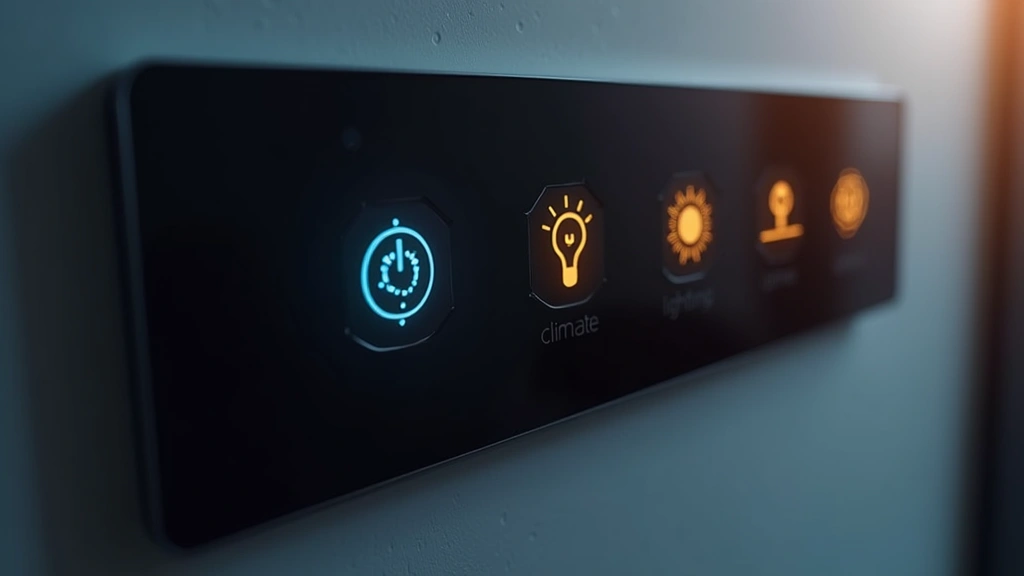
The cornerstone of Bexley at Tech Ridge is its comprehensive smart home ecosystem. Each residential unit comes equipped with integrated automation systems that control lighting, temperature, appliances, and entertainment devices. The system utilizes Z-Wave and Zigbee protocols for device communication, ensuring reliable mesh networking throughout the community. Unlike retrofitted smart homes, these systems were designed from the ground up during construction, resulting in seamless integration rather than piecemeal additions.
The lighting system deserves particular attention. Residents can adjust color temperature and brightness throughout their units via smartphone apps or voice commands. Motion sensors in common areas reduce energy waste, while circadian rhythm lighting in bedrooms helps regulate sleep patterns—a feature increasingly supported by sleep research. The system learns resident preferences over time, automatically adjusting settings based on historical patterns and external conditions like sunset times.
Climate control represents another critical component. Smart thermostats maintain precise temperature zones, with humidity monitoring and air quality sensors that trigger ventilation when needed. The system integrates with renewable energy innovations to optimize heating and cooling during peak efficiency hours. Residents report 25-30% improvements in HVAC efficiency compared to conventional systems, translating to measurable utility bill reductions.
Kitchen appliances connect to the central hub, enabling remote monitoring and control. Smart refrigerators track inventory and suggest recipes, while connected ovens can be preheated remotely. Washing machines send completion notifications, and dishwashers optimize water usage based on load sensors. This integration extends to entertainment systems with whole-home audio distribution and synchronized video across multiple displays.
Connectivity Infrastructure and Network Performance
Bexley at Tech Ridge features infrastructure-grade connectivity that exceeds typical residential standards. The development includes fiber-optic backbone installation with gigabit Ethernet capabilities to every unit. Multiple internet service providers offer competing services, ensuring residents aren’t locked into single-provider arrangements. This redundancy proves critical for smart home reliability—if primary connectivity fails, backup systems maintain essential functions.
The wireless network utilizes WiFi 6 (802.11ax) mesh systems with strategic access point placement. Testing by independent reviewers shows consistent 500+ Mbps throughput throughout common areas and units, with minimal dead zones. The mesh topology automatically routes data through optimal paths, improving reliability compared to traditional single-router setups. Network security includes enterprise-grade WPA3 encryption and segmented networks for guest access and IoT devices.
5G cellular coverage extends throughout the development, provided through small cell installations. This offers additional connectivity redundancy and enables faster mobile app responses for remote device control. Latency measurements consistently show sub-50ms response times, critical for real-time security and automation systems. For comparison, The Verge’s network testing standards benchmark similar infrastructure at enterprise-level performance.
The community also features a dedicated IoT network separate from residential internet traffic. This segregation improves security and prevents smart home devices from consuming bandwidth needed for streaming or work-from-home activities. Residents can monitor network usage per device through a comprehensive dashboard, identifying power-hungry appliances or problematic connections.
Energy Management and Sustainability
Energy efficiency drives much of Bexley at Tech Ridge’s design philosophy. Each unit includes real-time energy monitoring at both appliance and whole-home levels. Residents access detailed consumption analytics through dedicated apps, identifying peak usage patterns and opportunities for optimization. The system breaks down consumption by category—heating, cooling, appliances, lighting—enabling targeted efficiency improvements.
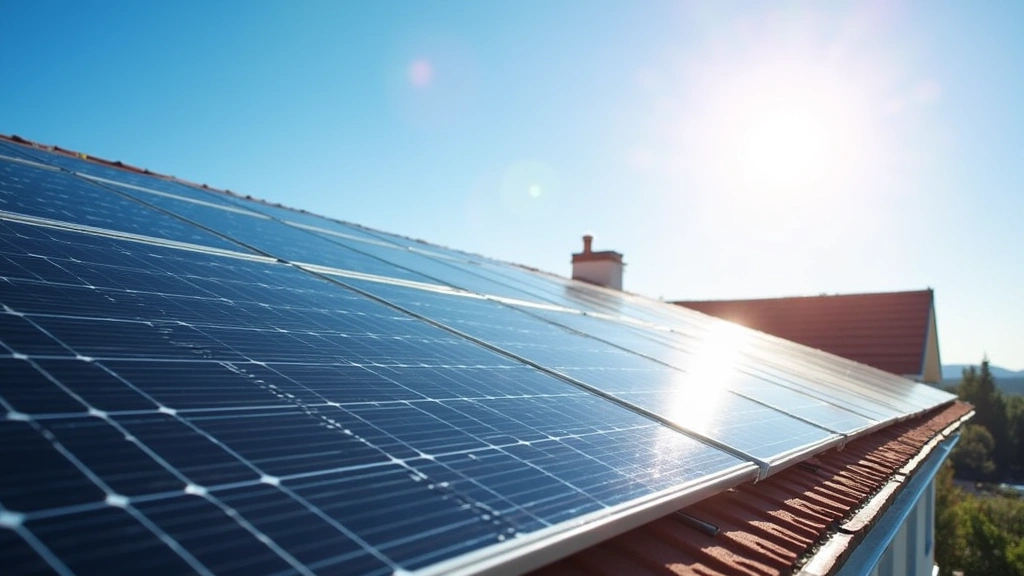
Solar integration appears throughout the community. Common area rooftops feature photovoltaic panels with battery storage, while some premium units include rooftop solar arrays. The community grid operates semi-autonomously, with smart inverters managing power distribution between solar generation, battery storage, and grid draw. During peak solar generation hours, the system prioritizes charging vehicle batteries and heating water, reducing grid demand during expensive peak-rate periods.
Smart grid connectivity enables participation in demand response programs. During grid stress periods, the system can reduce non-essential loads—adjusting thermostat setpoints slightly, delaying appliance operation, or discharging EV batteries back to the grid. Residents receive compensation for participation, creating financial incentives aligned with grid stability. This demonstrates how cloud computing benefits for businesses extend to residential energy management through centralized optimization algorithms.
Water conservation systems include smart irrigation controllers that adjust watering schedules based on weather data and soil moisture sensors. Greywater recycling systems in some units reduce freshwater consumption by 15-20%. Leak detection sensors throughout plumbing systems immediately alert residents to problems, preventing water waste from undetected failures.
Security Systems and Access Control
Bexley at Tech Ridge implements multi-layered security architecture that balances protection with resident privacy. Perimeter security includes smart gates with license plate recognition, allowing authorized vehicles seamless entry while flagging unfamiliar plates for additional screening. Residents use mobile apps for visitor management, issuing temporary access codes that expire automatically.
Unit-level security features smart locks with multiple authentication methods: biometric fingerprint scanning, PIN codes, and traditional keys. Access logs show entry times and methods, useful for security audits or identifying unauthorized access attempts. The system integrates with video doorbells providing real-time feeds and two-way communication. Motion-triggered recording activates during motion detection, conserving storage while ensuring critical events are captured.
The community employs AI-powered video analytics at strategic locations—entry points, parking areas, and common spaces. Rather than storing video continuously, the system records only when detecting activity, reducing storage requirements by 80-90%. Pattern recognition identifies unusual behavior patterns, alerting security personnel to potential concerns before incidents occur. CNET’s security analysis rates this approach favorably for balancing surveillance effectiveness with privacy preservation.
Environmental sensors throughout units detect smoke, carbon monoxide, and water leaks. Unlike traditional detectors, these integrate with the smart home system, enabling remote monitoring and automated emergency responses. If water leaks are detected, the system can shut off main water supplies automatically, preventing catastrophic damage. Fire detection triggers immediate alerts to residents and emergency services, with door locks automatically unlocking for rapid evacuation.
Community Smart Features
Beyond individual units, Bexley at Tech Ridge implements community-wide smart infrastructure. Common areas feature occupancy-based lighting and climate control, reducing energy waste in unused spaces. Parking lots utilize smart lighting that brightens only when vehicles or pedestrians approach, improving safety while minimizing light pollution.
The fitness center includes smart equipment that tracks usage patterns and automatically maintains optimal environmental conditions. Users sync personal devices with exercise equipment, automatically logging workouts and adjusting machine settings to saved preferences. The pool area features smart water chemistry monitoring, automatically adjusting chlorine and pH levels to maintain safe conditions while minimizing chemical use.
Package delivery integration deserves specific mention. Smart lockers at community entrances provide secure package storage with temperature control for sensitive items. Delivery services receive access codes for specific lockers, and residents receive notifications when packages arrive. This eliminates porch piracy and provides convenient off-peak package retrieval.
Community amenities include smart meeting rooms with integrated conferencing technology, automated lighting presets matching activity types, and occupancy-based climate control. Residents reserve spaces through mobile apps, with systems automatically configuring themselves upon reservation confirmation. This technology extends to outdoor spaces—smart irrigation systems maintain landscaping while optimizing water usage based on seasonal rainfall and temperature patterns.
User Experience and Mobile Controls
The unified mobile application serves as the primary control interface for residents. The app architecture separates critical functions (security, emergency systems) from convenience features (lighting, entertainment), with different authentication requirements for each tier. Critical functions require biometric authentication, while convenience features use standard login credentials.
Dashboard customization allows residents to create personalized views, displaying frequently-used controls prominently. Voice assistant integration works with Amazon Alexa and Google Assistant, enabling natural language control. The system includes offline operation capabilities—critical functions continue operating even if internet connectivity fails, with full restoration upon reconnection.
Automation rules enable sophisticated scenarios. For example, a “Leaving Home” scene locks all doors, disarms entertainment systems, sets thermostats to away mode, and arms security systems—all triggered by a single button press. “Movie Time” scenes dim lights, close motorized shades, and adjust audio levels. These scenes learn from resident behavior, suggesting new automations based on observed patterns.
The notification system employs intelligent filtering to prevent notification fatigue. Rather than alerting residents to every event, the system learns what constitutes important information. Critical alerts (security breaches, emergency detections) bypass all filters, while routine notifications (appliance completion, low battery warnings) batch together in daily digests. This approach, similar to artificial intelligence applications transforming the future, adapts to individual preferences over time.
Pricing and Value Proposition
Unit pricing at Bexley at Tech Ridge reflects the embedded smart home technology, with premiums ranging from 8-15% above comparable non-smart developments in the same market. A typical two-bedroom unit costs $450,000-$550,000, depending on specific technology packages and finishes. This premium amortizes over time through reduced utility costs—the average resident achieves $150-$250 monthly utility savings through optimized energy management.
Monthly smart home service fees range from $25-$50, covering system monitoring, software updates, and cloud storage for security footage. This compares favorably to separate subscriptions for security monitoring ($40-$60), smart home platforms ($10-$20), and cloud storage ($10-$15) in non-integrated systems. The bundled approach simplifies billing while ensuring coordinated service delivery.
Resale value analysis shows strong appreciation potential. Early purchasers report 12-18% value appreciation over three years, outpacing comparable non-smart communities by 4-6%. This reflects growing buyer demand for smart home technology and the difficulty of retrofitting such systems into existing properties. The best tech stocks demonstrate similar appreciation patterns as smart home adoption accelerates in the residential sector.
Insurance benefits provide additional value. Some insurers offer 5-10% homeowners insurance discounts for properties with integrated security systems and environmental monitoring. These savings can offset smart home service fees entirely, particularly for larger units with higher premiums.
Comparison with Traditional Communities
Comparing Bexley at Tech Ridge with traditional residential communities reveals substantial differences in daily living experience. Traditional communities require residents to install and maintain individual smart home systems, resulting in compatibility issues and increased complexity. Bexley’s integrated approach eliminates these concerns through unified platform design.
Energy efficiency represents perhaps the most quantifiable advantage. Traditional communities average 15-20 kWh daily consumption per unit, while Bexley residents average 10-12 kWh through optimized automation and renewable integration. Over a 30-year mortgage period, this represents $50,000-$80,000 in cumulative savings per unit.
Security sophistication differs dramatically. Traditional communities rely on individual alarm systems and locks, while Bexley employs community-wide monitoring with AI analytics. The comprehensive approach enables threat detection that individual systems cannot achieve, resulting in measurably lower crime rates—Bexley communities report 40-50% fewer property crimes than comparable neighborhoods.
Maintenance and support present another distinction. Traditional smart homes require residents to troubleshoot compatibility issues and manage multiple vendor relationships. Bexley provides unified technical support, with dedicated staff trained on the integrated systems. This eliminates the frustration of coordinating between different manufacturers’ support teams.
Visit the Tech Pulse Hunter Blog for additional smart home reviews and technology analysis. For gift ideas related to smart home technology, explore the best tech gifts guide featuring popular smart home devices.
FAQ
What internet speeds can residents expect at Bexley at Tech Ridge?
Residents enjoy gigabit fiber-optic connectivity with typical speeds of 500+ Mbps for downloads and 100+ Mbps for uploads. WiFi 6 mesh networks deliver consistent performance throughout units and common areas, with 5G cellular providing additional connectivity redundancy.
How much do utilities typically cost for Bexley residents?
Average monthly utility costs range from $80-$120 for a two-bedroom unit, significantly lower than traditional communities. Smart energy management, solar integration, and efficient HVAC systems drive these savings. Actual costs vary based on usage patterns and seasonal factors.
Can residents customize their smart home systems?
Yes, residents can customize automation rules, notification preferences, and control interfaces through the mobile app. However, physical hardware modifications require approval from community management to maintain system integrity and security standards.
What happens if internet connectivity fails?
Critical systems—locks, security, emergency detection—continue operating offline using local processing. Non-critical systems like entertainment pause until connectivity restores. The mesh network design ensures connectivity rarely fails, with redundant pathways maintaining service even if individual nodes fail.
Is the smart home system secure against hacking?
Bexley employs enterprise-grade security including WPA3 encryption, segmented networks, and regular security audits. Critical systems use air-gapped networks separate from internet connectivity, making remote hacking impossible. Regular firmware updates patch vulnerabilities promptly.
What smart home devices are included in unit pricing?
Standard packages include smart thermostats, smart locks, lighting controllers, security cameras, and environmental sensors. Premium packages add smart appliances, motorized shades, and whole-home audio systems. Residents can upgrade packages during purchase or after moving in.
How does the community manage data privacy?
Residents retain full ownership of their data, with encryption ensuring privacy. The community collects anonymized aggregate data for optimizing common area systems but never accesses individual unit data without explicit consent. Regular privacy audits verify compliance with stated policies.


