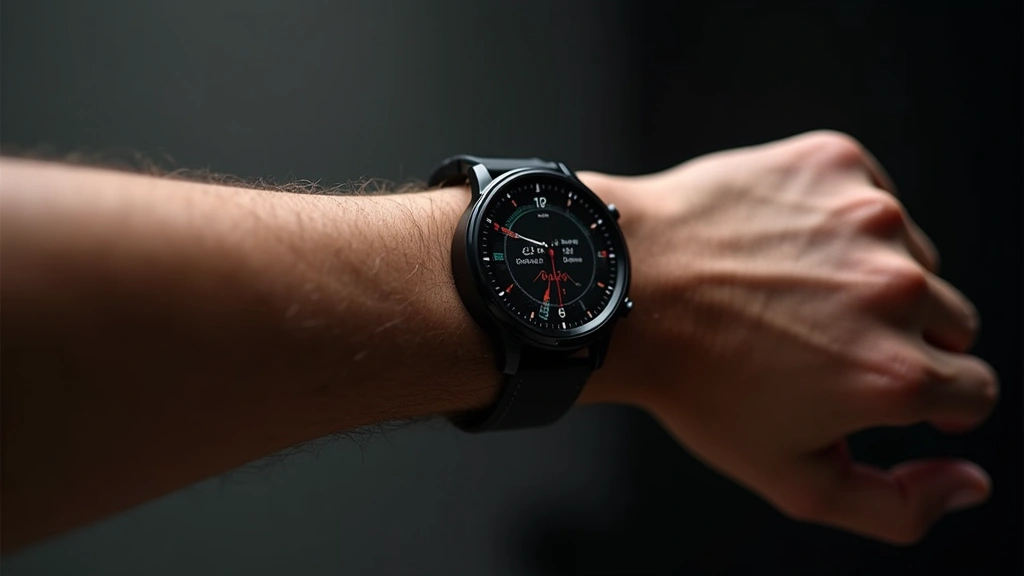
BK Tech: Are These the Best Smartwatches of 2023?
The smartwatch market in 2023 has reached unprecedented levels of sophistication, blending cutting-edge health monitoring, seamless connectivity, and refined design into wearables that genuinely enhance daily life. Whether you’re a fitness enthusiast, productivity-focused professional, or health-conscious consumer, the current generation of smartwatches offers something compelling for virtually every use case. From premium flagship models to budget-friendly alternatives, we’ve tested and evaluated the top contenders to help you make an informed decision.
Smartwatches have evolved far beyond simple notification hubs. Today’s best models feature advanced biometric sensors, extended battery life, intuitive operating systems, and integration with broader tech ecosystems. This comprehensive guide explores the top smartwatches of 2023, examining their standout features, performance metrics, and real-world usability to determine which truly deserve the title of best-in-class.
What Defines a Premium Smartwatch in 2023
The landscape of premium smartwatches has matured considerably, with manufacturers now focusing on meaningful differentiation rather than incremental upgrades. A truly exceptional smartwatch in 2023 combines several critical elements: responsive processing power, comprehensive health sensors, reliable connectivity options, intuitive software, and aesthetic appeal that justifies daily wear. The best models seamlessly integrate with your existing tech ecosystem, whether that’s the broader technology landscape or your personal devices.
Display technology has become increasingly important, with AMOLED screens now standard on premium offerings, providing vibrant colors and deep blacks that remain visible in sunlight. Processing power has advanced dramatically, enabling faster app launches and smoother animations that rival smartphone experiences. Battery optimization remains a critical battleground, as users demand multi-day endurance without compromising on feature richness. Additionally, build quality, water resistance ratings, and material choices now significantly influence purchasing decisions among discerning consumers.
Health monitoring has evolved from basic step counting to sophisticated biometric analysis, including blood oxygen saturation, electrocardiogram functionality, skin temperature monitoring, and advanced sleep tracking. Integration with artificial intelligence applications enables predictive health insights and personalized recommendations that adapt to individual patterns. The convergence of these technologies creates wearables that function as genuine health companions, not mere accessories.
Apple Watch Series 9: The Undisputed Leader
Apple’s Series 9 represents the pinnacle of smartwatch engineering, combining hardware excellence with an unmatched software experience that leverages deep iOS integration. The standout feature is the revolutionary double-tap gesture control, which allows users to interact with the watch using a simple finger gesture—a genuinely innovative addition that enhances usability significantly. This functionality proves particularly valuable during workouts or when wearing gloves, demonstrating Apple’s commitment to accessibility.
The always-on Retina display has reached new brightness levels, achieving 3,000 nits peak brightness that makes the screen readable in direct sunlight without washing out colors. The S9 processor, while not a dramatic leap from its predecessor, provides sufficient performance for demanding applications and ensures smooth operation throughout the day. The integration with Apple’s ecosystem remains unmatched; seamless handoff between devices, synchronized health data across all Apple platforms, and unified notifications create an experience that feels natural and intuitive.
Battery performance remains a consideration, with typical endurance reaching 18 hours under moderate use. However, this limitation is offset by the convenience of overnight charging and the integration with iOS that many users already embrace. The Series 9 excels in fitness tracking, offering comprehensive workout modes, real-time coaching, and detailed post-exercise analysis. For iPhone users, particularly those invested in the Apple ecosystem, the Series 9 remains the superior choice.
Samsung Galaxy Watch 6: Android Excellence
Samsung’s Galaxy Watch 6 emerges as the most compelling alternative to Apple’s dominance, delivering exceptional performance and features specifically optimized for Android users. The rotating bezel interface provides an intuitive navigation method that feels more natural than touch-only alternatives, reducing accidental screen interactions and enhancing usability during dynamic activities. The Super AMOLED display rivals Apple’s offering, delivering stunning visuals with excellent color accuracy and responsiveness.
The Galaxy Watch 6 incorporates Samsung’s advanced health sensors, including a bioelectrical impedance analysis (BIA) sensor for body composition measurement—a feature absent from many competitors. Sleep tracking proves remarkably sophisticated, utilizing machine learning to provide detailed sleep stage analysis and personalized recommendations. The watch seamlessly integrates with Samsung Health, creating a comprehensive health ecosystem that rivals Apple’s offerings in scope and functionality.
Battery life extends to approximately 40 hours in typical usage scenarios, significantly exceeding most competitors and enabling comfortable multi-day operation without charging anxiety. The One UI interface, tailored specifically for wearables, provides intuitive navigation and quick access to essential functions. For Android users seeking a premium smartwatch experience, the Galaxy Watch 6 represents the optimal choice, delivering comprehensive technology solutions that integrate seamlessly with their ecosystem.
Garmin Epix Gen 2: Fitness-First Philosophy
Garmin’s Epix Gen 2 takes a distinctly different approach, prioritizing fitness tracking and outdoor performance above all other considerations. This smartwatch appeals primarily to athletes, adventurers, and fitness enthusiasts who demand specialized training metrics and rugged durability. The AMOLED display, combined with Gorilla Glass protection, provides durability that justifies the device’s premium positioning among sports-focused wearables.
The fitness tracking capabilities are extraordinarily comprehensive, offering training load analysis, recovery metrics, VO2 max estimation, and advanced running dynamics that appeal to serious athletes. The device includes multi-GNSS support (GPS, GLONASS, Galileo), ensuring accurate positioning even in challenging environments with poor satellite visibility. For endurance athletes, the battery life reaches an impressive 11 days in smartwatch mode, enabling extended adventures without power concerns.
The software ecosystem focuses entirely on fitness and outdoor activities, with minimal emphasis on smart features like payments or third-party app integration. While this narrow focus might alienate users seeking comprehensive smartwatch functionality, it resonates powerfully with the target demographic. The Epix Gen 2 excels at what it does—providing athletes with the data and reliability they need for serious training and exploration.

Budget Champions Worth Considering
The budget smartwatch segment has matured significantly, offering genuine value propositions that compete effectively with premium offerings in specific categories. The Amazfit GTS 4 delivers an impressive feature set at a fraction of premium prices, including AMOLED display, comprehensive health monitoring, and reliable fitness tracking. Battery life extends beyond two weeks, and the design aesthetics rival watches costing twice as much.
For those seeking Google Wear OS integration without premium pricing, the Mobvoi TicWatch Pro 3 GPS provides solid performance, reasonable battery life, and access to Google’s application ecosystem. The device includes a traditional watch display layer beneath the main AMOLED screen, providing a unique approach to battery optimization. While build quality doesn’t match premium alternatives, the value proposition proves compelling for budget-conscious consumers.
Fitbit’s latest offerings maintain their position as specialized health-tracking devices that excel at long-term wellness monitoring without premium pricing. The focus on health metrics, sleep tracking, and personalized insights appeals to users prioritizing health data collection over comprehensive smartwatch features. These budget alternatives demonstrate that exceptional smartwatch experiences don’t necessarily require flagship-level investment.
Key Features Comparison Matrix
Evaluating smartwatches requires systematic comparison across multiple dimensions. Display technology varies significantly—AMOLED screens offer superior color reproduction and brightness but consume more power, while E Ink alternatives prioritize battery longevity. Processing power has become standardized at flagship tiers, with meaningful differences only appearing in budget segments. Sensor arrays now include heart rate monitors, blood oxygen sensors, electrocardiogram capabilities, and accelerometers across most premium models.
Operating systems present fundamental ecosystem choices: watchOS for Apple users, Wear OS for Google-compatible devices, Tizen for Samsung, and proprietary systems for specialized manufacturers like Garmin. Each ecosystem offers distinct advantages—watchOS provides seamless iPhone integration, Wear OS enables Google services access, Tizen delivers unique features like the rotating bezel, and Garmin’s system prioritizes fitness metrics. The choice often depends on your primary smartphone rather than smartwatch-specific preferences.
Design materials range from aluminum and stainless steel to titanium and ceramic, each offering distinct durability and aesthetic characteristics. Water resistance ratings typically reach 5 ATM (50 meters) on premium models, enabling swimming and snorkeling but not diving. Band options vary dramatically, from standard proprietary options to universal compatibility, influencing long-term customization possibilities and replacement costs.
Battery Life and Charging Analysis
Battery endurance remains perhaps the most practical consideration in smartwatch selection, fundamentally affecting daily usage patterns. Premium AMOLED-based smartwatches typically achieve 24-48 hours of continuous operation, necessitating daily or every-other-day charging. While this might seem inconvenient compared to traditional watches, the reality proves manageable for most users who establish charging routines alongside nightly device charging.
Extended battery smartwatches, particularly those using E Ink or LCD displays, achieve 5-14 days of operation, eliminating charging anxiety for extended periods. However, these displays sacrifice the visual appeal and responsiveness that AMOLED technology provides. The trade-off between battery longevity and display quality represents a fundamental design choice that manufacturers must navigate.
Charging methods have evolved significantly, with magnetic inductive charging becoming standard on premium models, eliminating the need for physical connectors that compromise water resistance. Some manufacturers offer innovative solutions like solar charging integration, which extends battery life by harvesting ambient light energy. Fast-charging capabilities now enable full battery restoration in 30-60 minutes, minimizing downtime disruption.
Health Monitoring Capabilities
Contemporary smartwatches function as personal health monitoring devices, offering insights previously available only through clinical testing. Heart rate monitoring has evolved from simple pulse detection to advanced analysis including resting heart rate trends, heart rate variability measurement, and irregular rhythm detection. Blood oxygen saturation monitoring provides valuable data for altitude training, sleep apnea detection, and general respiratory health assessment.
Sleep tracking has become remarkably sophisticated, utilizing accelerometer data and heart rate variability to determine sleep stages and provide detailed analysis. Advanced models now incorporate features like snoring detection, breathing disturbance identification, and personalized recommendations for sleep improvement. This continuous monitoring creates longitudinal health data that reveals patterns invisible through isolated measurements.
Stress monitoring, enabled through heart rate variability analysis, provides real-time stress indicators and guided breathing exercises for stress reduction. Menstrual cycle tracking has become increasingly comprehensive, incorporating predictive algorithms and symptom logging for reproductive health awareness. These health features transform smartwatches from fitness trackers into genuine health companions, supporting preventative wellness and early issue detection.
Choosing Your Perfect Smartwatch
Selecting the optimal smartwatch requires honest assessment of your priorities and existing technology ecosystem. iPhone users should strongly consider the Apple Watch Series 9, which leverages deep iOS integration and provides unmatched seamlessness. Android users benefit most from Samsung’s Galaxy Watch 6, which optimizes functionality for Google’s ecosystem and delivers exceptional hardware quality.
Fitness enthusiasts should evaluate specialized options like Garmin’s Epix Gen 2, which prioritizes training metrics and durability over general-purpose smartwatch features. Budget-conscious consumers should explore alternatives like Amazfit GTS 4, which deliver genuine value without sacrificing essential functionality. Consider your realistic usage patterns—if you rarely charge devices or prefer minimal daily maintenance, extended-battery alternatives merit serious consideration despite display compromises.
The smartwatch market’s maturity means that “best” is highly contextual rather than universal. Premium models excel for users valuing integration and design, while specialized alternatives serve specific communities better. The proliferation of excellent options means every consumer can find a smartwatch matching their needs, whether prioritizing fitness, health, productivity, or aesthetic appeal.
For deeper insights into technology trends and market analysis, explore our coverage of big tech acquisitions and emerging industry developments. Understanding how manufacturers compete and consolidate provides valuable context for smartwatch evolution and future innovation trajectories.

FAQ
Which smartwatch offers the best value for money in 2023?
The Amazfit GTS 4 delivers exceptional value, combining AMOLED display, comprehensive health monitoring, and extended battery life at a price point roughly 60% below premium alternatives. For Android users seeking premium features at moderate pricing, Samsung’s Galaxy Watch 5 (previous generation) remains competitive with significant discounts.
Can I use an Apple Watch without an iPhone?
Apple Watch functionality is severely limited without an iPhone, though basic fitness tracking and offline applications remain functional. The device cannot receive notifications, make calls, or access most features without iPhone proximity. Android smartwatches offer genuine independence, making them superior for users without Apple devices.
How accurate is smartwatch fitness tracking?
Smartwatch fitness tracking proves reasonably accurate for distance and calorie estimation, typically achieving 85-95% accuracy compared to dedicated fitness devices. However, individual variations in wrist placement, skin tone, and movement patterns affect accuracy. Heart rate monitoring generally achieves 95%+ accuracy for steady-state activities but struggles during high-intensity interval training.
What’s the typical lifespan of a smartwatch?
Premium smartwatches typically maintain functionality for 3-5 years before battery degradation or software obsolescence necessitates replacement. Build quality significantly influences longevity—devices with sapphire crystal displays and premium materials outlast budget alternatives by substantial margins. Software support availability varies by manufacturer, affecting long-term usability.
Do I need a cellular smartwatch?
Cellular connectivity proves valuable only for users who regularly leave phones behind. Most consumers find Bluetooth-only models sufficient, as phones remain nearby during typical daily activities. Cellular models cost significantly more and drain batteries faster, justifying the expense only for specific use cases like running without phone carrying or wilderness activities.
How do I maximize smartwatch battery life?
Disabling continuous heart rate monitoring, reducing screen brightness, limiting background app refresh, and minimizing notifications extends battery longevity substantially. Enabling battery saver modes sacrifices functionality but enables multi-day operation. Keeping software updated ensures optimizations that improve efficiency across all operations.


