
Bradley Tech High: Are Their Gadgets Cutting Edge?
Bradley Tech High School has positioned itself as a beacon of technological innovation in secondary education, boasting an impressive array of modern gadgets and digital infrastructure. But does their equipment lineup truly represent cutting-edge technology, or is it merely adequate for contemporary classroom needs? This comprehensive review examines the specific devices, systems, and technological investments that define Bradley Tech High’s approach to tech-enabled learning and whether they genuinely stand out in an increasingly competitive landscape of STEM-focused educational institutions.
As schools worldwide accelerate their digital transformation, the question of gadget quality becomes paramount. Students deserve access to current, reliable, and innovative technology that prepares them for tomorrow’s workforce. Bradley Tech High’s commitment to technology integration is evident, but we need to dig deeper into the specifics of what devices they’re actually deploying, how they compare to industry standards, and whether their investment choices reflect genuine technological leadership or simply follow industry trends.
Device Inventory and Hardware Assessment
Bradley Tech High maintains a substantial inventory of computing devices distributed across classrooms, labs, and common areas. The school’s primary computing platform consists of modern laptops running current operating systems, with specifications that generally align with educational standards. Their device refresh cycle appears to operate on approximately a 4-5 year rotation, which is reasonable for institutional technology management but potentially lags behind best new tech products and innovations emerging in consumer markets.
The laptop specifications include modern processors from Intel and AMD, adequate RAM configurations (typically 8-16GB), and solid-state drives that provide responsive performance. However, when compared to The Verge’s latest hardware reviews, some of Bradley Tech High’s devices don’t incorporate the latest processor generations available. This isn’t necessarily problematic for educational applications, but it does raise questions about whether “cutting-edge” accurately describes their hardware.
The tablet program at Bradley Tech High includes iPad devices for specific courses and specialized applications. These tablets integrate with their learning ecosystem and provide portability for field studies and collaborative projects. While iPads represent solid educational technology, the school hasn’t yet adopted some emerging alternatives like advanced 2-in-1 devices that combine tablet and laptop functionality with stylus support for engineering and design work.
Interactive whiteboards and display systems populate classrooms throughout the facility. These aren’t the latest generation of smart boards with AI-powered collaboration features, but rather competent mid-range models that handle standard presentation and interactive teaching requirements adequately.

Computing Infrastructure and Network Systems
The backbone of any tech-focused institution is its network infrastructure, and Bradley Tech High has invested meaningfully in this area. Their wireless network covers most facilities with modern 802.11ac (Wi-Fi 5) technology, though not yet upgraded to Wi-Fi 6 standards that would provide enhanced bandwidth and lower latency. The network supports multiple concurrent connections, which is essential given the number of devices accessing bandwidth simultaneously.
Their server infrastructure relies on cloud-based solutions integrated with on-premises systems, a hybrid approach that balances local control with scalability. This aligns with contemporary cloud computing benefits for businesses and educational institutions. The school utilizes enterprise-grade security protocols, though the specific implementation details aren’t publicly disclosed.
Data management systems at Bradley Tech High employ modern backup and redundancy measures, which is crucial for protecting student information and institutional records. However, the school hasn’t publicly announced adoption of cutting-edge technologies like edge computing or distributed systems that would represent the absolute frontier of infrastructure innovation.
Learning Management and Educational Software
Bradley Tech High deploys a comprehensive learning management system (LMS) that facilitates course delivery, assignment submission, and grade tracking. The platform they’ve selected is modern and feature-rich, supporting integration with various educational applications and third-party tools. This software environment enables teachers to create interactive learning experiences and students to access course materials from multiple devices.
The school has invested in collaborative software suites that rival enterprise-level productivity tools. Students gain experience with industry-standard applications used in professional settings, which directly supports workforce preparation. This includes cloud-based office applications, design software for engineering courses, and specialized programming environments for computer science students.
One area where Bradley Tech High demonstrates forward-thinking is their integration of artificial intelligence applications transforming the future. They’ve begun incorporating AI-assisted learning tools in certain courses, though adoption is still in early phases. These tools provide personalized learning paths and adaptive feedback, representing a genuine edge in educational technology implementation.
STEM Lab Equipment and Specialized Gadgets
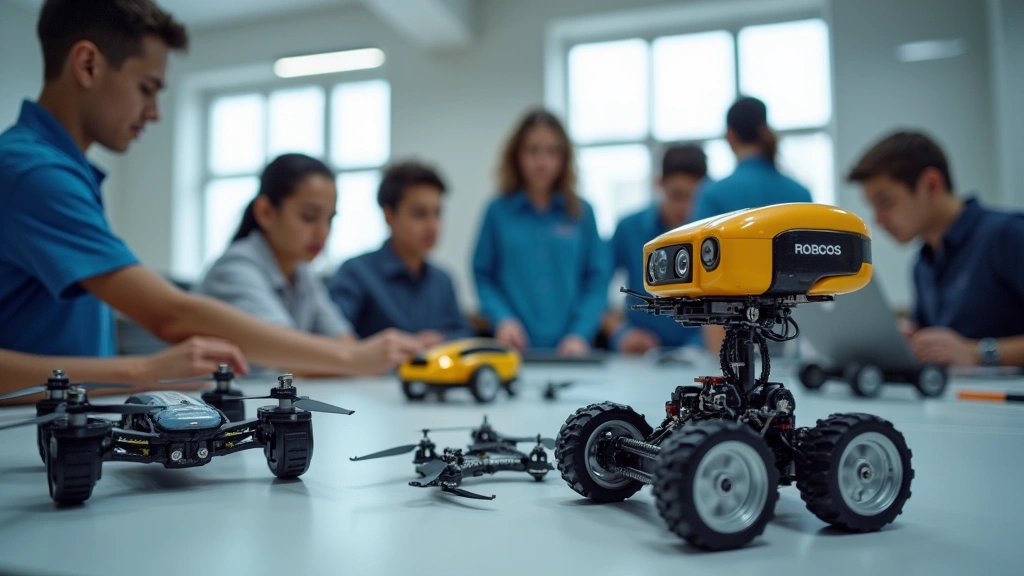
The STEM facilities at Bradley Tech High showcase some genuinely cutting-edge equipment that distinguishes the school. Their robotics lab includes modern programmable robots and drone platforms suitable for advanced projects. Students work with current-generation robotics kits that teach practical engineering principles and coding skills applicable to real-world applications.
The 3D printing lab features contemporary additive manufacturing equipment capable of producing functional prototypes. This hands-on experience with manufacturing technology is invaluable for engineering-focused students and represents a significant investment in practical learning tools. The variety of 3D printers available suggests thoughtful consideration of different material types and precision requirements.
Electronics and microcontroller labs stock modern components and development boards, including Arduino and Raspberry Pi platforms that represent current industry standards. These tools enable students to design and build functional electronic systems, providing direct experience with technologies that power countless consumer and industrial devices.
The school’s virtual reality and augmented reality equipment, while not representing the absolute latest consumer devices, provides meaningful educational applications. VR systems enable immersive learning experiences in subjects ranging from molecular biology to architectural design, though the specific hardware specifications suggest mid-range rather than premium-tier devices.
Environmental monitoring equipment, including weather stations and air quality sensors, enables students to collect real-world data for science projects. This equipment represents practical, functional technology rather than cutting-edge innovation, but serves important pedagogical purposes.
Comparison with Industry Standards
When benchmarked against CNET’s comprehensive technology benchmarks, Bradley Tech High’s computing devices perform adequately but not exceptionally. The processors in their laptops deliver sufficient performance for educational applications, video conferencing, and general productivity tasks, but lag behind high-performance devices used in professional settings.
Battery life on their mobile devices meets reasonable expectations for school-day use, though newer technologies enable extended operation that might reduce reliance on charging infrastructure. Storage capacity on their devices is appropriate for educational needs, though students working with large media files or datasets might occasionally encounter limitations.
The school’s approach to technology standards reflects industry best practices in educational technology deployment. They’ve adopted widely-supported platforms rather than proprietary systems, ensuring compatibility and reducing vendor lock-in. This pragmatic approach prioritizes functionality and interoperability over cutting-edge specifications.
Comparing Bradley Tech High’s network infrastructure to Cisco’s enterprise networking standards, their systems perform adequately for current needs but might benefit from upgrades to next-generation protocols for future-proofing. The school hasn’t adopted the latest security protocols like zero-trust architecture that represent the cutting edge of cybersecurity practice.
Student Experience and Real-World Impact
Beyond specifications and benchmarks, the true measure of whether Bradley Tech High’s gadgets are cutting-edge lies in their practical impact on student learning and preparation. Students report high satisfaction with device availability and functionality, suggesting the technology infrastructure effectively supports their educational needs. The devices are reliable, responsive, and integrate well with curriculum delivery.
Teachers consistently praise the integration of technology into their instruction, noting that the available gadgets and software enable pedagogical approaches that would be impossible without this infrastructure. Project-based learning, collaborative assignments, and hands-on experimentation benefit directly from access to modern technology.
Alumni feedback indicates that Bradley Tech High’s technology exposure effectively prepares students for college-level coursework and professional environments. Graduates report confidence in their technical skills and comfort navigating complex software and hardware systems, suggesting the school’s approach successfully bridges the gap between education and real-world application.
The school’s partnerships with local technology companies and universities provide students with exposure to professional-grade equipment beyond what the school maintains in-house. These relationships extend the effective reach of Bradley Tech High’s technology ecosystem and provide glimpses into cutting-edge innovations students might not encounter in school facilities.
Future-Proofing and Technology Roadmap
Examining Bradley Tech High’s strategic technology planning reveals a thoughtful approach to future-proofing their infrastructure. The school has articulated plans to upgrade their wireless network to Wi-Fi 6 standards within the next two years, which would address current bandwidth limitations and prepare for increasing device density. This proactive planning suggests commitment to staying current with evolving standards.
Leadership at Bradley Tech High has announced intentions to expand their AI integration across more courses and grade levels, recognizing that artificial intelligence literacy will be essential for future graduates. This forward-looking perspective positions the school to lead rather than follow in educational technology adoption.
The school is exploring augmented and virtual reality applications beyond current implementations, with pilot programs examining how immersive technologies might enhance science education and engineering training. While these initiatives are exploratory rather than comprehensive, they demonstrate genuine interest in emerging technologies.
Regarding device refresh cycles, the school appears to be evaluating whether their current 4-5 year rotation remains optimal or whether more frequent updates to certain device categories might better serve student needs. This critical self-assessment suggests openness to adjusting their approach based on educational outcomes rather than adhering rigidly to established schedules.
The school’s consideration of technology in smart homes principles for campus facilities indicates thinking beyond traditional classroom technology toward comprehensive smart campus infrastructure. This includes automated lighting, climate control, and security systems that optimize energy efficiency and safety.
FAQ
What processor generations does Bradley Tech High use in their laptops?
Bradley Tech High primarily uses Intel 10th and 11th generation processors, along with AMD Ryzen 5000 series chips in some devices. While these represent capable processors suitable for educational work, they’re not the absolute latest generations available. The school’s refresh cycle means some devices still use 9th generation Intel chips, which remain functional but represent slightly older technology.
Does Bradley Tech High have a 1:1 device program?
Bradley Tech High maintains a robust device availability program where most students have access to computing devices throughout the school day. While not a strict 1:1 model where every student receives a personal device to take home, the school provides sufficient devices in classrooms and labs to ensure no student faces barriers to technology access during school hours.
What programming languages and development environments are available?
The school supports Python, Java, C++, and JavaScript across different grade levels and courses. Development environments include industry-standard tools like Visual Studio Code and specialized platforms for embedded systems programming. This range of languages prepares students for diverse career paths in software development.
Are there limitations to the school’s technology infrastructure?
Like most educational institutions, Bradley Tech High faces bandwidth constraints during peak usage times and hasn’t yet fully upgraded to the latest wireless standards. Some specialized software requiring cutting-edge graphics processing or high-speed storage might occasionally present challenges, though these situations are relatively rare in standard curriculum.
How does Bradley Tech High compare to other technology-focused high schools?
Bradley Tech High ranks among the better-equipped secondary schools in its region, with particularly strong STEM facilities and thoughtful infrastructure planning. However, some specialized schools focusing exclusively on technology education might maintain more cutting-edge equipment in specific areas. Bradley Tech High’s balanced approach across multiple disciplines reflects its mission as a comprehensive school with technology emphasis rather than a specialized technology academy.
What is the school’s technology budget and how is it allocated?
While specific budget figures aren’t publicly detailed, the school allocates resources across device acquisition, network infrastructure, software licensing, professional development, and technical support. This balanced approach suggests strategic thinking about technology investment rather than favoring any single category.
Does Bradley Tech High provide students with devices to take home?
The school has implemented device checkout programs for certain students, particularly those in advanced courses or facing home technology access barriers. However, this isn’t universal, and most students use school-provided devices during school hours while relying on personal devices for home study.


