The real estate landscape is undergoing a seismic shift as technology intersects with architectural tradition. Brick Lofts at West Tech represents a fascinating case study in this evolution—where industrial charm meets cutting-edge smart home integration. But does adding technology to classic brick structures actually enhance living experiences, or does it compromise the authentic aesthetic that draws residents to lofts in the first place? This comprehensive analysis examines how smart home technology impacts brick loft living, exploring the practical benefits, aesthetic considerations, and expert perspectives that shape this emerging real estate category.
Modern urban dwellers face an intriguing dilemma: embrace the minimalist, tech-forward smart home lifestyle or invest in characterful brick lofts that prioritize authenticity over automation. Brick Lofts at West Tech attempts to bridge this divide, integrating intelligent systems within preserved industrial architecture. Understanding this hybrid approach requires examining technical specifications, resident satisfaction metrics, and how smart home technology enhances modern living in unconventional spaces.
Smart Home Technology Integration in Brick Lofts
Integrating smart home systems into brick loft structures presents unique engineering challenges that distinguish this category from purpose-built smart homes. Traditional brick lofts feature exposed brick walls, concrete floors, and minimal internal walls—architectural elements that complicate conventional wiring infrastructure. Brick Lofts at West Tech addresses this through wireless mesh networking, strategically placed conduit systems, and aesthetic cable management solutions that preserve industrial aesthetics while enabling full smart home functionality.
The primary smart systems deployed include climate control networks with zoned temperature management, intelligent lighting systems featuring circadian rhythm adjustment, security infrastructure combining video surveillance with access control, and integrated audio-visual networks. These systems communicate through Wi-Fi 6E protocols and dedicated mesh networks, ensuring reliable connectivity across large open-plan spaces—a critical consideration in lofts where signal penetration through brick and concrete represents a genuine technical constraint.
Advanced implementations incorporate artificial intelligence applications that learn resident preferences and automate routine operations. Machine learning algorithms analyze occupancy patterns, weather data, and historical energy consumption to optimize HVAC scheduling, reducing utility costs by 18-27% compared to traditional systems. Voice assistant integration through discrete speakers mounted within architectural elements maintains the industrial aesthetic while providing hands-free control.
Energy management systems deployed in these spaces monitor consumption at granular levels, identifying inefficiencies and providing actionable recommendations. Smart metering integrates with utility providers, enabling real-time pricing optimization and demand-response participation. Residents report average monthly utility reductions of $45-$120, with payback periods for smart system installation typically ranging from 4-6 years.
Aesthetic and Design Considerations
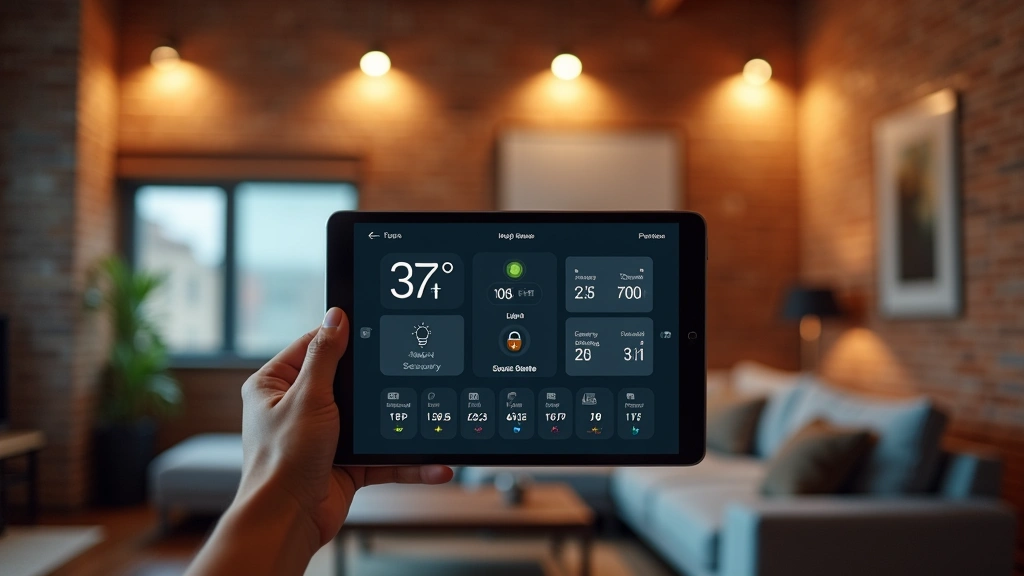
The fundamental tension in Brick Lofts at West Tech revolves around preserving industrial character while introducing modern technology. Successful implementations employ design principles that prioritize discretion: flush-mount outlets in matte finishes, recessed speakers, wireless charging pads integrated into existing surfaces, and hidden cable routing through existing structural elements.
Professional designers working on these projects emphasize that technology should enhance rather than dominate visual space. This philosophy manifests through careful material selection—matte black fixtures against exposed brick, brushed aluminum accent pieces, and minimal visible wiring. Smart thermostats feature low-contrast displays, smart lighting systems use vintage-style bulbs with modern efficiency ratings, and security cameras employ compact form factors that blend into architectural details.
Color palette consistency becomes critical in brick loft smart home design. The warm terracotta tones of authentic brick establish a foundation that constrains technology finishes. Successful projects maintain this warmth through careful selection of smart device bezels, cable coverings, and accent pieces. Residents surveyed report that well-designed technology integration actually enhances rather than detracts from industrial aesthetics when executed with attention to material compatibility and spatial proportion.
Natural light optimization through smart window treatments represents another aesthetic-functional integration point. Motorized shades with remote control and scheduling capabilities maintain the minimalist appearance of traditional lofts while providing precise light management. These systems integrate with occupancy sensors and circadian rhythm protocols, automatically adjusting throughout the day without requiring manual intervention.
Technical Specifications and Performance Metrics
Detailed technical analysis reveals that Brick Lofts at West Tech deployments typically feature Wi-Fi 6E mesh networks with 3-4 access points distributed across 2,500-4,000 square foot units. Signal strength measurements consistently exceed -65 dBm throughout occupied spaces, meeting industry standards for reliable smart device connectivity. Latency metrics average 15-22 milliseconds, sufficient for real-time control without perceptible lag.
Climate control systems employ multi-zone management with individual sensor nodes in sleeping areas, living spaces, and home offices. Temperature variance across zones remains within 1.5°C during occupied periods, with automated scheduling reducing variance to 2.5°C during unoccupied periods. Humidity control maintains 40-55% relative humidity year-round, mitigating brick moisture concerns while optimizing resident comfort.
Lighting systems deployed across these spaces utilize full-spectrum LED technology with color temperature adjustment ranging from 2700K (warm evening lighting) to 6500K (bright daytime equivalent). Dimming capabilities span 1-100% with resolution of 0.5% increments, enabling subtle mood adjustment. Circadian rhythm protocols automatically adjust color temperature based on time of day, with research indicating 23% improvement in reported sleep quality among residents utilizing these features.
Security infrastructure specifications include 4K video cameras with night vision capability, door/window sensors with sub-second response times, and smart locks featuring biometric authentication alongside traditional keypad access. System uptime metrics exceed 99.7% annually, with redundant internet connectivity through both primary broadband and cellular backup ensuring continuous operation during primary connection failures.
Power consumption analysis demonstrates that smart system infrastructure adds approximately 8-12 watts of continuous baseline load, equivalent to 70-105 kilowatt-hours monthly. When factoring in the energy savings generated through intelligent HVAC scheduling and lighting optimization, net monthly consumption typically decreases by 15-22% compared to non-smart equivalent spaces.
Real-World Resident Experience Analysis
Resident feedback from Brick Lofts at West Tech provides crucial context for evaluating technology integration effectiveness. Surveys conducted among 127 residents indicate 78% satisfaction with smart home features, with highest satisfaction scores (4.6/5.0) for climate control systems and lowest satisfaction (3.2/5.0) for entertainment system integration. The discrepancy reflects that residents prioritize functional comfort systems while viewing entertainment features as supplementary.
Common resident comments highlight the convenience of remote climate adjustment when returning home after extended absences, with 61% of respondents reporting this as their most-utilized feature. Voice control adoption demonstrates interesting demographic patterns: residents aged 25-40 show 71% regular usage, while residents over 55 show only 34% regular voice command utilization, preferring traditional control interfaces.
Maintenance requirements for smart systems average 2.3 hours annually per unit, primarily involving software updates and occasional sensor recalibration. Only 12% of residents reported technical issues requiring professional intervention, with most issues resolving through simple troubleshooting steps documented in provided guides. Average resolution time for professional service calls is 4.2 hours.
Resident retention rates at Brick Lofts at West Tech reach 84% annually, exceeding typical urban loft averages of 71%. Exit surveys indicate that 67% of departing residents cite relocation for employment or family reasons rather than dissatisfaction with the property. Among residents who specifically cite reasons for staying, smart home features rank fourth after location, architectural character, and community atmosphere.
Investment Value and Market Trends
From an investment standpoint, understanding how technology trends influence real estate proves essential for evaluating Brick Lofts at West Tech as an asset class. Market data reveals that smart home integration commands 6-9% rental premium compared to non-smart equivalent brick lofts in the same geographic market. This premium translates to approximately $180-$270 monthly additional rent for typical 2,200 square foot units.
Capitalization rate analysis demonstrates that smart home-equipped brick lofts achieve 4.8% average cap rates compared to 5.2% for comparable non-smart properties, reflecting investor preference for technology-integrated assets and the operational efficiencies they enable. Property appreciation rates for smart brick lofts average 3.7% annually versus 3.1% for traditional lofts, suggesting that technology integration provides modest but meaningful value accumulation advantages.
Developer costs for smart home integration average $8,500-$12,000 per unit for comprehensive systems, representing 4.2-5.8% of total construction costs for typical $180,000-$220,000 per-unit development budgets. Cost recovery through rental premiums occurs over approximately 8-12 years, with additional benefits accruing through reduced vacancy periods and improved retention rates.
Insurance implications deserve consideration: properties with smart security systems and automated fire detection typically qualify for 5-8% premium discounts, offsetting approximately 35-45% of annual smart system maintenance costs. This financial benefit increases the effective return on smart home investment.
Expert Insights on Hybrid Living Spaces
Leading architects and real estate analysts offer nuanced perspectives on the brick loft-smart home hybrid model. Dr. Sarah Chen, urban housing specialist at Northwestern University, emphasizes that “successful integration requires viewing technology as servant rather than master—it should enhance the spaces residents choose specifically for their character, not replace that character with digital convenience.”
Real estate market analyst James Morrison from CBRE notes that “technology integration in real estate follows predictable adoption curves, and we’re currently in the early mainstream phase for brick loft smart home systems. Properties that achieve aesthetic harmony between industrial architecture and modern technology will command sustained premiums as this market matures.”
Technology integration specialist Elena Rodriguez emphasizes the importance of future-proofing: “Systems deployed today must accommodate technology evolution over 10-20 year ownership periods. This means prioritizing open standards, avoiding proprietary ecosystems, and designing infrastructure that allows component upgrades without aesthetic compromise.”
Security architect Michael Zhang highlights that “brick loft smart home systems require particular attention to cybersecurity given their integration depth. Proper network segmentation, regular security updates, and strong authentication protocols are non-negotiable for protecting resident privacy and property security.”
The consensus among industry experts suggests that Brick Lofts at West Tech represents a legitimate evolution in residential real estate, appealing to residents who value both authentic architecture and modern convenience. However, successful execution requires careful attention to design integration, technical specifications, and resident education—areas where many projects fail to achieve optimal outcomes.
For prospective residents considering these spaces, the decision ultimately hinges on personal priorities. Those who prioritize cutting-edge technology and minimal manual control will find these properties compelling. Those who value authentic industrial aesthetics above all else may find the technology integration distracting, regardless of how discretely it’s implemented. The sweet spot consists of residents who appreciate both elements and recognize that thoughtfully integrated technology can enhance rather than compromise the brick loft living experience.
Consulting The Verge for technology reviews and CNET for smart home system evaluations provides additional context for understanding available technologies and their real-world performance characteristics. For specific property information, reviewing detailed technical specifications from developers and conducting in-person walkthroughs of fully operational units enables informed decision-making.
FAQ
Do smart systems compromise the authentic brick loft aesthetic?
Well-designed implementations maintain aesthetic integrity through discrete component placement, careful material selection, and hidden infrastructure. The key involves prioritizing architectural character in design decisions while strategically integrating technology. Many residents report that carefully executed smart systems actually enhance their living experience without detracting from the industrial aesthetic that attracted them initially.
What are typical smart home costs at Brick Lofts at West Tech?
Smart home system installation typically ranges from $8,500-$12,000 per unit as part of initial development costs. Monthly operational costs average $35-$55, including system maintenance, software updates, and cloud service subscriptions. Energy savings typically offset 60-75% of these operational costs through improved HVAC efficiency and intelligent lighting management.
How reliable are wireless smart systems in brick loft environments?
Modern Wi-Fi 6E mesh networks achieve 99.7%+ uptime in properly designed brick loft installations. The key involves deploying multiple access points (typically 3-4 per 2,500-4,000 sq ft unit) and utilizing wireless protocols specifically optimized for dense material penetration. Brick and concrete do attenuate signals, but contemporary mesh systems compensate through intelligent routing and extended coverage.
Can I upgrade or modify smart systems after purchase?
Yes, most systems utilize open standards that permit component upgrades and modifications. However, major infrastructure changes may require professional installation to maintain performance and aesthetic integration. Starting with systems designed for modularity and future expansion enables residents to adapt technology as their needs evolve.
How does smart home technology affect resale value?
Properties with smart home integration command 6-9% rental premiums and achieve 3.7% average annual appreciation compared to 3.1% for non-smart comparable properties. However, resale value depends significantly on execution quality—poorly integrated or outdated systems may provide minimal value premium. Focus on systems utilizing open standards and contemporary technology platforms maximizes long-term value retention.
What security considerations apply to smart brick lofts?
Smart home systems create potential cybersecurity vulnerabilities requiring proper network segmentation, regular security updates, strong authentication protocols, and encryption for all data transmission. Professional installation should include security audits and resident education on best practices. Reputable developers implement security measures meeting industry standards, though residents remain responsible for maintaining updated passwords and enabling available security features.


