
Butler Tech Ohio: Revolutionizing Education Through Technology Integration
Butler Tech, officially known as the Miami Valley Career Technology Center, represents one of Ohio’s most ambitious initiatives to bridge the gap between traditional education and real-world technological demands. Located in the heart of southwestern Ohio, this institution has transformed how students engage with cutting-edge technology and career preparation. The center serves students across multiple school districts, offering comprehensive programs that integrate advanced tech infrastructure, hands-on learning environments, and industry partnerships that prepare graduates for immediate workforce entry or advanced academic pursuits.
In an era where technology and artificial intelligence are transforming our future, Butler Tech Ohio stands as a beacon of educational innovation. The institution’s commitment to equipping students with practical technical skills—from cybersecurity to advanced manufacturing—addresses critical workforce shortages across Ohio and the nation. This comprehensive review examines how Butler Tech Ohio is revolutionizing education through strategic technology implementation, industry collaboration, and progressive pedagogical approaches.
Understanding Butler Tech Ohio’s Mission and Vision
Butler Tech Ohio operates under a clear mission: to provide career and technical education that prepares students for success in a rapidly evolving technological landscape. The institution serves students from multiple school districts across Butler and Miami counties, offering pathways that range from healthcare technology to information technology, advanced manufacturing, and skilled trades. Unlike traditional high schools that emphasize broad academic curricula, Butler Tech focuses on specialized training that directly aligns with employer needs and industry standards.
The vision extends beyond simply teaching technical skills. Butler Tech Ohio aims to cultivate problem-solvers, innovators, and collaborative professionals who understand both the technical and interpersonal dimensions of modern work. This holistic approach recognizes that technological competence alone insufficient in today’s workplace—students must also develop communication abilities, teamwork capacity, and adaptability. The institution’s framework emphasizes that learning how to learn coding fast and master technical concepts requires structured environments with expert instructors and contemporary equipment.

Advanced Technology Infrastructure and Facilities
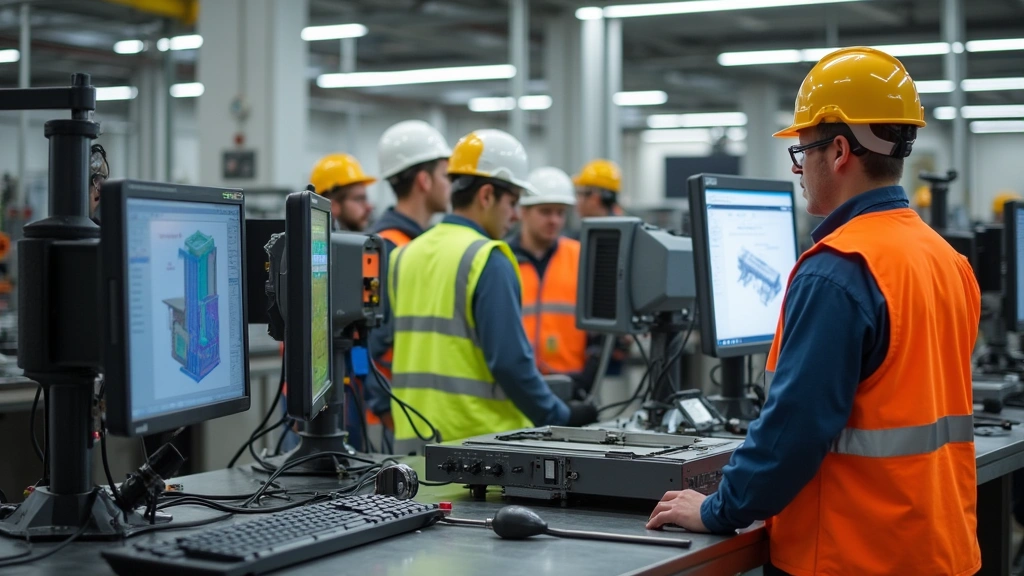
The physical infrastructure at Butler Tech Ohio represents a significant investment in educational technology. The institution maintains multiple state-of-the-art labs equipped with enterprise-grade computing systems, networking equipment, and software platforms that mirror industry standards. These facilities include dedicated cybersecurity labs, cloud computing environments, and specialized workstations for graphic design, video production, and digital media creation.
One of the most impressive aspects of Butler Tech Ohio’s infrastructure is its commitment to maintaining current equipment. Technology evolves rapidly, and the institution recognizes that students must train on tools they’ll encounter in professional settings. This means regular hardware upgrades, software licensing for industry-standard applications, and partnerships with technology vendors who provide educational discounts and early access to emerging platforms. The investment in infrastructure demonstrates a sophisticated understanding that effective technical education requires more than textbook knowledge—it demands hands-on experience with real tools.
The facilities also incorporate flexible learning spaces designed to accommodate different pedagogical approaches. Some areas feature traditional classroom configurations for theoretical instruction, while others provide open workshop environments for collaborative project-based learning. This physical design philosophy reflects modern understanding of how technical knowledge transfers most effectively through varied instructional modalities.
Program Offerings and Curriculum Design
Butler Tech Ohio offers an impressive array of programs spanning multiple sectors. Healthcare technology programs prepare students for roles in medical coding, health information technology, and clinical support positions. Information technology programs cover networking, cybersecurity, systems administration, and help desk support. Advanced manufacturing programs teach computer-aided design (CAD), precision machining, welding, and industrial automation. Skilled trades programs cover HVAC, electrical work, plumbing, and automotive technology.
The curriculum design emphasizes competency-based progression rather than seat-time requirements. Students advance through programs by demonstrating mastery of specific skills and knowledge areas, which often allows high-performing students to complete programs more quickly. This approach aligns with emerging trends in programming languages and technical skill development for 2025, where practical competency matters more than traditional credentials.
Many Butler Tech Ohio programs incorporate industry certification preparation. Students can earn CompTIA A+, Security+, Network+, and other widely-recognized credentials while still enrolled. These certifications provide immediate credibility with employers and often translate directly into job opportunities or higher starting salaries. The integration of certification pathways into regular curriculum represents a significant advantage over traditional educational models.
Industry Partnerships and Real-World Applications
Butler Tech Ohio’s success largely stems from its deep partnerships with regional and national employers. These relationships shape curriculum development, ensuring that what students learn remains relevant to actual job market demands. Companies like Premier Industries, regional healthcare systems, and technology firms participate in advisory committees that guide program evolution.
These partnerships manifest in several practical ways. Guest speakers from industry provide insights into emerging challenges and opportunities. Internship programs place students in real work environments where they apply classroom learning to authentic problems. Some employers even provide equipment donations or sponsor specific labs, creating direct pipeline relationships where successful students transition into employment. This employer engagement fundamentally changes the educational dynamic—students see immediate relevance in their studies because they understand exactly how skills translate to employment.
The cooperative education model at Butler Tech Ohio allows students to alternate between classroom instruction and paid work experience. This arrangement benefits students financially while building professional experience and networks. Employers gain access to pre-trained talent pools, reducing their own training burden. This symbiotic relationship represents an efficient model for workforce development that traditional educational institutions struggle to replicate.
Student Outcomes and Career Placement Success
Measurable outcomes validate Butler Tech Ohio’s educational approach. Graduation rates significantly exceed national averages for career and technical education institutions. More importantly, employment rates for graduates are exceptionally high—most students secure employment or advance to higher education within months of completion. Starting salaries for Butler Tech Ohio graduates often match or exceed those of four-year college graduates, without the associated student debt burden.
The institution tracks graduate success through longitudinal studies that monitor career progression, advancement, and satisfaction. These data demonstrate that Butler Tech Ohio graduates not only secure initial employment but also advance into supervisory and management positions. This long-term success metric suggests that the education provides genuine career foundation rather than merely entry-level job training.
Student testimonials consistently highlight the practical focus and supportive environment. Graduates frequently report that their Butler Tech training provided immediate job readiness that traditional high school education could not match. The emphasis on real skills, current technology, and industry connections creates a compelling alternative pathway for students who might not thrive in conventional academic environments.
Cybersecurity and Digital Skills Development
Recognizing the critical importance of digital security in modern work environments, Butler Tech Ohio has invested heavily in cybersecurity education. Dedicated cybersecurity programs teach network security, threat analysis, incident response, and compliance frameworks. Students work in simulated environments that replicate actual enterprise security challenges, developing defensive capabilities in controlled settings before entering professional contexts.
The cybersecurity curriculum aligns with established frameworks like the NIST Cybersecurity Framework and CompTIA Security+ standards. Students learn not only technical defensive measures but also the business context of security—how security decisions impact organizational operations, budgets, and risk management. This comprehensive approach produces graduates who understand both technical and strategic dimensions of cybersecurity.
Beyond dedicated cybersecurity programs, digital skill development permeates all Butler Tech Ohio offerings. Students in healthcare programs learn about health information security and HIPAA compliance. Manufacturing students understand industrial control system security. This integration of security awareness across all programs reflects the reality that cybersecurity concerns affect every sector and function.
Comparison with Traditional Educational Models
Butler Tech Ohio’s approach differs fundamentally from traditional high school education. While conventional schools emphasize broad academic preparation across multiple disciplines, Butler Tech focuses on specialized technical competency. This specialization allows deeper expertise development and faster time-to-employment. A student pursuing IT networking at Butler Tech learns far more about network architecture, configuration, and troubleshooting than a traditional high school student, completing the program in two years with immediately marketable skills.
Cost represents another significant advantage. Butler Tech Ohio programs typically cost far less than four-year college degrees. Students graduate with minimal debt, immediately begin earning professional salaries, and can pursue further education if desired without the financial burden many traditional college graduates carry. The return on educational investment is exceptional—most students recoup program costs within their first year of employment.
However, traditional education offers certain advantages that Butler Tech cannot completely replicate. Four-year universities provide broader educational experiences, more extensive networking opportunities, and credentials valued by some employers. The optimal pathway for many students might involve Butler Tech for technical foundation followed by selective university coursework for advanced degrees or specialized knowledge. Butler Tech Ohio increasingly facilitates these pathways through articulation agreements with universities that grant credit for completed programs.
Investment in Emerging Technologies
Butler Tech Ohio demonstrates forward-thinking commitment by investing in emerging technologies before they become ubiquitous. The institution has incorporated artificial intelligence, machine learning, Internet of Things (IoT), and cloud computing into curricula. Students learn cloud platforms like AWS and Microsoft Azure, understanding how modern infrastructure operates. This early exposure to emerging technologies provides significant competitive advantages in job markets where these skills command premium compensation.
The institution’s approach to emerging tech reflects broader understanding that technology education must be dynamic. Programs cannot remain static—they must evolve as industries evolve. Butler Tech Ohio accomplishes this through continuous curriculum review, faculty professional development, and willingness to experiment with new instructional approaches. This adaptability is essential because, as noted in the TechPulseHunter Blog, technological change accelerates constantly and educational institutions must keep pace.
Investment in emerging technologies also demonstrates commitment to student futures. By teaching cutting-edge tools and methodologies, Butler Tech Ohio ensures graduates remain competitive throughout their careers. The institution recognizes that technical education is not a one-time event but rather foundation for lifelong learning in rapidly evolving fields.
Challenges and Future Outlook
Despite impressive achievements, Butler Tech Ohio faces genuine challenges. Funding constraints limit facility expansion and equipment upgrades. Recruiting and retaining qualified instructors who possess both deep technical expertise and teaching ability remains difficult—industry typically offers higher compensation for technical professionals than educational institutions provide. The rapid pace of technological change requires continuous professional development investment for faculty.
Perception challenges persist as well. Some families still view career and technical education as less prestigious than traditional academic pathways, despite evidence demonstrating superior economic outcomes. Changing these cultural perceptions requires ongoing marketing and evidence presentation to community stakeholders. Butler Tech Ohio increasingly addresses this through targeted recruitment campaigns and by highlighting graduate success stories.
Looking forward, Butler Tech Ohio appears well-positioned for continued growth and innovation. Workforce shortages in technical fields continue intensifying, increasing demand for graduates. The institution’s reputation for quality education and employer partnerships provides strong foundation for expansion. Emerging areas like renewable energy technology, advanced manufacturing, and healthcare technology present growth opportunities for new programs.
The institution’s future likely involves deeper integration with higher education institutions, creating seamless pathways from career technical education through bachelor’s and advanced degrees. Some students may complete two-year technical programs at Butler Tech Ohio, secure employment, and later pursue additional education. This flexible, modular approach to education aligns with modern workforce realities where learning occurs throughout careers rather than exclusively in youth.
FAQ
What types of programs does Butler Tech Ohio offer?
Butler Tech Ohio offers programs across multiple sectors including healthcare technology, information technology, advanced manufacturing, skilled trades (HVAC, electrical, plumbing), automotive technology, and digital media. Programs range from one to two years in length and culminate in industry-recognized certifications.
How much does Butler Tech Ohio cost?
For high school students attending through their home school districts, Butler Tech Ohio is typically free or low-cost, funded through career technical education funding mechanisms. Adult students pay tuition that varies by program but remains substantially lower than four-year college costs.
Can Butler Tech Ohio credits transfer to universities?
Yes. Butler Tech Ohio maintains articulation agreements with regional universities including Miami University and Sinclair Community College. Students can often transfer completed coursework and receive college credit, reducing time and cost for bachelor’s degree completion.
What are graduation and employment rates?
Butler Tech Ohio reports graduation rates exceeding 90% and employment rates exceeding 85% for graduates within six months of completion. Many graduates secure employment before graduation through internship and cooperative education programs.
How does Butler Tech Ohio stay current with technology?
The institution maintains relationships with industry partners who guide curriculum development, provide equipment donations, and offer guest instruction. Faculty participate in ongoing professional development, and the institution regularly updates equipment and software to reflect industry standards.
Is Butler Tech Ohio only for high school students?
No. While many students attend during high school years, Butler Tech Ohio also serves adult learners pursuing career changes or skill upgrades. Adult programs accommodate working professionals through flexible scheduling options.
What career advancement opportunities exist for Butler Tech Ohio graduates?
Graduates can pursue immediate employment, advance into supervisory roles, or continue education through university partnerships. The technical foundation provides excellent preparation for bachelor’s degree programs in engineering, information systems, and other technical fields. Many employers offer tuition assistance for continuing education.


