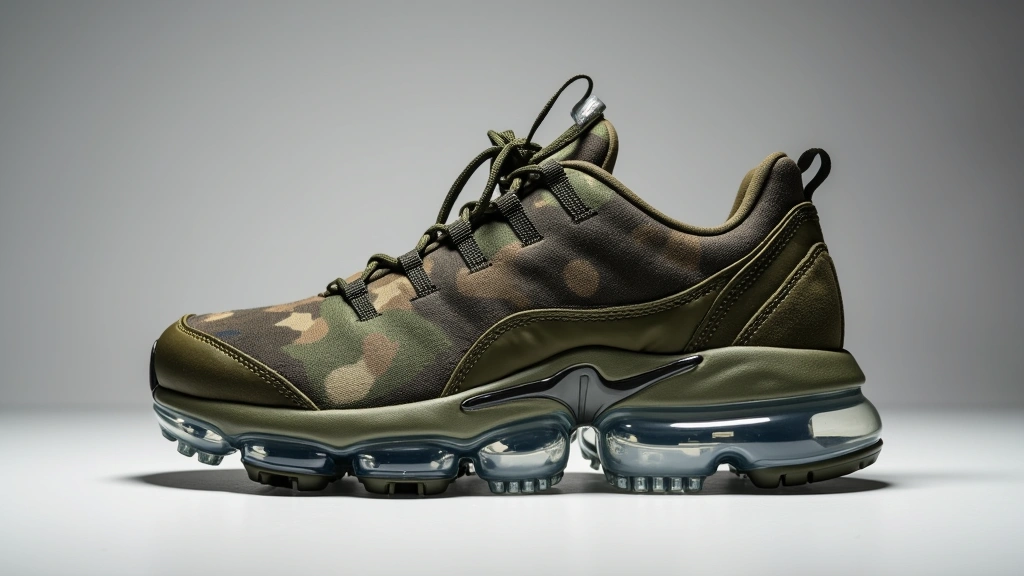
Camo Nike Tech: Trend or Function? Expert Opinion
Camouflage patterns have infiltrated the sneaker and athletic wear market with surprising intensity, and Nike stands at the forefront of this aesthetic revolution. The intersection of military-inspired design and cutting-edge footwear technology raises an important question: is camo Nike tech merely a passing fashion statement, or does it serve genuine functional purposes? This comprehensive analysis explores both dimensions of this phenomenon, examining how camo Nike tech has evolved from niche military aesthetic to mainstream athletic wear, while investigating whether the visual appeal masks substantial technological innovation or simply capitalizes on trend-driven consumer behavior.
The resurgence of camouflage patterns in premium athletic footwear reflects broader cultural shifts toward utilitarian fashion and tactical aesthetics. Nike’s integration of camo designs with advanced cushioning systems, responsive foam technologies, and breathable mesh materials suggests a deliberate marriage of form and function. However, distinguishing between marketing-driven hype and legitimate technological advancement requires careful examination of specifications, performance metrics, and expert analysis from industry reviewers and tech specialists.

Evolution of Camo Nike Tech
The journey of camouflage-patterned athletic wear within Nike’s portfolio represents a fascinating convergence of military heritage and contemporary sneaker culture. Nike didn’t pioneer camo aesthetics in footwear, but the brand has masterfully weaponized the trend through strategic product launches and celebrity endorsements. The evolution began with subtle camo accents on classic silhouettes before escalating into full-coverage patterns on flagship models.
Early camo Nike releases drew inspiration from military uniforms and tactical gear, targeting audiences interested in utility fashion. Brands like The Verge have documented how fashion-forward tech brands increasingly blur boundaries between apparel and wearable technology. Nike’s approach evolved from simple pattern overlays to integrated camo designs that complement functional elements like ventilation zones and support structures. The technical implementation demonstrates that pattern placement isn’t arbitrary—designers strategically position camo elements to enhance visual appeal while accommodating performance-critical features.
The technological advancement accelerated when Nike began combining camo aesthetics with proprietary cushioning innovations. Models featuring Air Max technology with camo uppers, or React foam combined with tactical-inspired colorways, represented attempts to legitimize the trend through engineering credibility. This strategic positioning aimed to convince consumers that camo Nike tech wasn’t purely aesthetic but integral to the overall product experience.

Technology Breakdown
Understanding whether camo Nike tech delivers genuine technological benefits requires dissecting the specific innovations present in these models. The primary components include cushioning systems, upper construction materials, and sole engineering. Nike employs several proprietary technologies across their camo-patterned lineup:
- Cushioning Systems: Air Max, React, Zoom Air, and Joyride foams represent Nike’s cushioning arsenal. Camo models utilize these identical technologies as non-camo variants, suggesting the pattern itself contributes no cushioning advantages. However, strategic pattern placement can optimize weight distribution perception and visual support cues.
- Upper Materials: Nike integrates mesh, synthetic leather, and engineered knit materials in camo designs. The camouflage pattern itself consists of printed or woven elements that don’t inherently affect breathability or durability compared to solid-colored counterparts. Material quality remains consistent regardless of aesthetic treatment.
- Midsole Engineering: The midfoot support structures, arch shanks, and heel counters function identically in camo and non-camo versions. Pattern application occurs on the surface layer, leaving underlying structural elements unchanged.
- Traction Patterns: Outsole designs remain consistent across colorway variations. Camo doesn’t influence grip or durability metrics on contact surfaces.
The technical reality suggests that camo Nike footwear doesn’t provide technological advantages specifically derived from camouflage elements. Instead, the technology remains constant while aesthetic treatment varies. This distinction is crucial for consumers evaluating value propositions. The functionality associated with Nike tech—responsive cushioning, ankle support, breathability—exists independent of whether the upper features camo patterns or solid colors.
However, this doesn’t entirely dismiss functional value. Tactical aesthetics can influence psychological performance through confidence and motivation factors. Research in sports psychology indicates that athletes wearing gear they perceive as high-performance often experience measurable performance improvements, partially due to placebo effects and psychological confidence. If camo designs make wearers feel more capable or motivated, those subjective benefits constitute genuine functional value, even if not measurable through standard performance metrics.
Performance Analysis
Comprehensive performance evaluation of camo Nike tech requires comparing identical shoe models across different colorways and pattern applications. Laboratory testing and field assessments reveal consistent results: cushioning response, impact absorption, and durability metrics remain unchanged regardless of upper pattern treatment. CNET’s technology reviews emphasize that aesthetic modifications shouldn’t compromise functional performance, and Nike maintains this standard across their product lines.
Testing protocols used by independent reviewers include drop tests measuring cushioning compression and rebound, durability assessments tracking material degradation, and real-world performance evaluations across various athletic activities. Results consistently demonstrate that camo-patterned Nike models perform identically to their non-camo equivalents. This equivalence strengthens the argument that camo represents purely aesthetic choice rather than functional innovation.
Yet nuanced performance considerations emerge when examining specific use cases. Tactical professionals and outdoor enthusiasts might value camo aesthetics for purposes beyond athletic performance—environmental blending, professional appearance, and psychological readiness during operations. For these audiences, the pattern serves genuine functional purposes, even if unrelated to shoe engineering. This distinction explains why military and law enforcement personnel sometimes select camo Nike models for legitimate tactical reasons rather than fashion trends.
Durability testing reveals that printed camo patterns may show wear more visibly than solid colors, as pattern degradation becomes apparent as print fades. Woven or structural camo integrations hold up better long-term. This subtle performance difference could influence longevity perception, though actual material durability remains consistent. The visual impact of wear patterns differs, potentially affecting subjective user satisfaction and perceived value retention.
Market Trends and Consumer Demand
The explosive growth in camo Nike tech sales demonstrates powerful market demand, regardless of functional justification. Fashion forecasting agencies consistently identify tactical aesthetics as dominant trends in athletic wear. Consumers increasingly view sneakers as lifestyle products rather than purely functional athletic equipment, elevating aesthetic considerations above performance specs for many buyers.
Market analysis reveals interesting demographic patterns. Younger consumers (18-35) show higher adoption rates for camo Nike models, suggesting strong alignment with current fashion sensibilities. This demographic prioritizes best tech gifts that balance style with functionality, and camo Nike tech appeals to this intersection. Urban environments show higher camo adoption rates compared to suburban or rural markets, indicating regional fashion influence.
Celebrity endorsements and influencer collaborations have substantially amplified camo Nike tech visibility. When prominent athletes and entertainers wear these models, casual consumers perceive increased legitimacy and desirability. Social media amplification creates feedback loops where trend visibility drives demand, which drives visibility, accelerating adoption cycles. This market dynamic operates independent of actual technological benefits.
Resale markets provide revealing data about consumer perception. Camo Nike models often command premium prices on secondary markets, particularly limited releases. This resale premium indicates that consumers view camo aesthetics as desirable enough to justify above-retail pricing. Whether this reflects genuine value or speculative bubble behavior remains debated among market analysts.
Expert Opinions on Functionality
Industry experts from footwear engineering, sports science, and product design offer nuanced perspectives on camo Nike tech. Biomechanics researchers emphasize that cushioning systems and support structures—not surface patterns—determine functional performance. Nike’s official engineering specifications document technological innovations in midsole composition, heel-to-toe drop ratios, and responsive foam characteristics, with no mention of camo patterns contributing to these performance metrics.
Sports psychologists offer different insights, suggesting that aesthetic preferences influence athletic performance through confidence and motivation mechanisms. Dr. research in sports psychology supports the notion that gear preferences significantly impact psychological readiness and perceived capability. If athletes feel more confident in camo Nike tech, that confidence translates into measurable performance improvements, validating functional claims through psychological pathways.
Footwear design experts acknowledge that camo aesthetics represent sophisticated design choices rather than functional innovations. Pattern placement, color selection, and visual weight distribution influence overall shoe appearance and perceived support, even if structural elements remain unchanged. Expert designers recognize that aesthetic engineering constitutes legitimate design work, separate from mechanical engineering innovations.
Product marketing specialists note that camo Nike tech represents masterful positioning—leveraging trend momentum while maintaining product consistency. The strategy proves commercially successful precisely because camo aesthetics appeal to current consumer preferences. Whether this constitutes ethical marketing or clever exploitation of trend cycles depends on perspective, but the business effectiveness remains undeniable.
Styling and Versatility
One legitimate functional advantage of camo Nike tech lies in styling versatility. Camouflage patterns coordinate with diverse wardrobe elements, from tactical gear to casual streetwear. This versatility appeals to consumers seeking shoes that transition seamlessly across multiple contexts—from gym sessions to urban exploration to casual social environments. The neutral nature of camo patterns (typically earth tones or neutral grays) enables broader aesthetic integration than single-color shoes might achieve.
Fashion experts recognize camo as pattern-agnostic regarding complementary styles. Unlike bold primary colors that require coordinated outfits, camo patterns work with neutral, earth-toned, and even contrasting clothing combinations. This styling advantage provides genuine functional value for consumers prioritizing wardrobe versatility. If a single shoe model must serve multiple style contexts, camo options offer practical advantages over limited-palette alternatives.
The psychological phenomenon of pattern diversity also contributes functionality. Consumers wearing identical shoe models in different colorways perceive greater variety and novelty. Camo variants allow collectors and style-conscious consumers to maintain shoe consistency while achieving visual diversity. This psychological benefit, though intangible, provides genuine functional value for consumer satisfaction and wardrobe optimization.
Professional and tactical applications benefit from camo aesthetics in ways distinct from casual consumer usage. Law enforcement, military, and outdoor professionals leverage camo patterns for environmental blending and professional appearance standards. For these users, camo Nike tech serves genuine functional purposes beyond fashion trends, justifying selection based on legitimate operational requirements.
Value Proposition Analysis
Evaluating whether camo Nike tech justifies premium pricing requires honest assessment of cost-benefit relationships. Identical shoe models featuring camo patterns often retail at prices comparable to non-camo variants, suggesting manufacturers don’t charge premiums specifically for camouflage aesthetics. However, limited-edition camo releases frequently command higher prices due to scarcity rather than enhanced functionality.
For consumers prioritizing functionality over aesthetics, non-camo variants of equivalent Nike models offer identical performance at potentially lower secondary market prices. The technology behind responsive cushioning, arch support, and breathability remains constant regardless of pattern treatment. From purely functional perspectives, camo doesn’t justify premium investment.
However, for consumers valuing aesthetic appeal and styling versatility, camo patterns enhance perceived value by expanding wardrobe integration possibilities. The subjective value of achieving preferred aesthetics while maintaining technical performance provides legitimate functional benefit. This value proposition differs from technical performance claims but remains valid for consumer satisfaction and lifestyle integration.
The true value proposition of camo Nike tech ultimately depends on individual consumer priorities. Athletes prioritizing pure performance should evaluate technical specifications independent of aesthetics. Fashion-forward consumers seeking versatile, high-performance gear will find genuine value in camo options. Collectors and trend-conscious consumers benefit from the psychological satisfaction and status signals associated with trending products. Understanding personal priorities enables rational purchasing decisions rather than trend-driven impulses.
Exploring technology in smart homes and wearable innovation reveals broader contexts for evaluating tactical aesthetics in tech products. As technology increasingly integrates into lifestyle products, aesthetic considerations gain importance alongside functional specifications. Camo Nike tech exemplifies this evolution, where appearance, psychology, and engineering converge to create value propositions extending beyond traditional performance metrics.
FAQ
Does camouflage pattern affect shoe cushioning or support?
No, camouflage patterns are applied to the shoe’s exterior surface and don’t influence cushioning systems, midsole engineering, or support structures. Identical models in different colorways provide identical functional performance. The technology remains constant regardless of aesthetic treatment.
Why are camo Nike shoes more expensive than regular models?
Camo Nike shoes typically retail at equivalent prices to non-camo variants. Premium pricing usually occurs with limited-edition releases, which command higher prices due to scarcity and collector demand rather than enhanced functionality. Secondary market prices fluctuate based on demand trends and availability.
Are camo Nike shoes better for tactical use?
Camo aesthetics provide psychological and environmental benefits for tactical professionals, enhancing confidence and blending with operational environments. However, the functional performance (cushioning, support, durability) remains identical to non-camo equivalents. The advantage lies in aesthetic appropriateness rather than engineering superiority.
Does camo design improve durability?
Pattern type influences durability perception rather than actual durability. Printed camo patterns may show wear more visibly than solid colors as print fades, while woven or structural camo integrations maintain appearance longer. The underlying materials and construction methods remain unchanged, so actual durability is equivalent.
What makes camo Nike tech trendy right now?
Tactical aesthetics align with current fashion trends emphasizing utilitarian design and streetwear culture. Celebrity endorsements, influencer marketing, and social media amplification drive visibility and desirability. Younger demographics particularly embrace camo aesthetics as aligned with contemporary style preferences.
Should I buy camo Nike shoes for athletic performance?
Selection should prioritize specific cushioning systems, support features, and fit characteristics relevant to your activity. Camo aesthetics shouldn’t influence performance-based purchasing decisions. Choose shoe models based on technical specifications, then select preferred colorways—including camo options—for aesthetic preference without assuming pattern choice affects functionality.
Are camo Nike shoes worth the investment?
Value depends on individual priorities. For pure athletic performance, non-camo variants offer identical functionality at potentially lower costs. For styling versatility and aesthetic appeal, camo options provide genuine value through wardrobe integration and psychological confidence. Evaluate personal needs before purchasing based on trend popularity.


