Georgia Tech Campus Map: Ultimate Navigation Guide
Navigating the Georgia Institute of Technology campus can feel overwhelming, especially for first-year students, visitors, and prospective scholars exploring one of America’s premier technological institutions. With over 340 acres spanning multiple zones and hundreds of buildings, having a comprehensive understanding of the campus layout is essential for success. Whether you’re attending classes in the heart of the academic core, conducting research in state-of-the-art laboratories, or exploring the vibrant student life areas, knowing how to efficiently traverse Georgia Tech’s sprawling campus will save you time and reduce stress.
The Georgia Tech campus map has evolved significantly over the years, incorporating modern digital navigation tools alongside traditional printed guides. Today’s students benefit from interactive online maps, mobile applications, and clearly marked pathways that connect residential areas, academic buildings, dining facilities, and recreational spaces. Understanding the campus geography not only helps you arrive at your destination on time but also allows you to discover hidden gems, connect with the broader Georgia Tech community, and fully appreciate the institution’s commitment to blending cutting-edge technology with accessible campus infrastructure.

Campus Layout and Zones
Georgia Tech’s campus is strategically organized into distinct zones that serve different purposes and cater to various campus functions. The main campus is divided into several interconnected areas, each with unique characteristics and amenities. Understanding these zones provides the foundational knowledge needed to navigate efficiently and make the most of your time at the institution.
The North Campus primarily houses residential facilities and serves as the heart of student life. This area includes dormitories ranging from traditional residence halls to modern apartment-style housing, creating a vibrant community atmosphere. The North Campus is designed to be pedestrian-friendly, with tree-lined pathways connecting various residential buildings and providing easy access to dining facilities and recreational areas. Many first-year students reside in this zone, making it the social epicenter of the Georgia Tech experience.
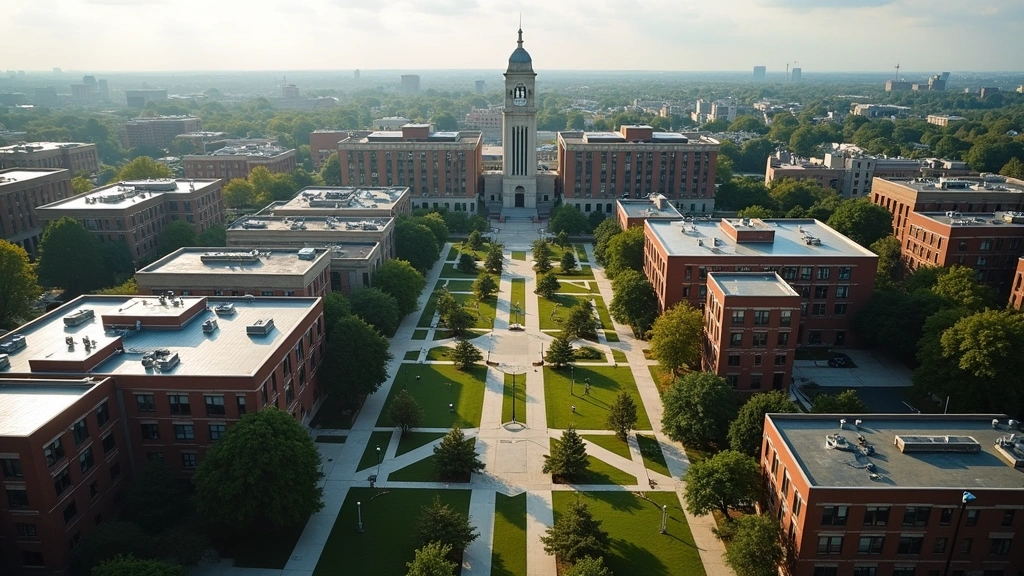
The Central Campus represents the academic and administrative heart of Georgia Tech. This densely packed area contains the majority of classroom buildings, lecture halls, and academic offices. The iconic Campanile, Georgia Tech’s most recognizable landmark, stands prominently in this zone, serving as both a visual reference point and a symbol of institutional pride. When exploring the TechPulseHunter Blog for technology insights, you’ll find parallels to how Georgia Tech pioneered educational technology integration—a commitment evident throughout the campus design itself.
The South Campus extends beyond the main academic core and includes additional research facilities, athletic venues, and auxiliary buildings. This zone requires slightly longer walking times from the central areas but offers important resources for advanced research and specialized programs. The expansion southward demonstrates Georgia Tech’s commitment to growth while maintaining the intimate, walkable nature of the original campus.
The West Campus features several important facilities including the Georgia Tech Hotel and Conference Center, various research laboratories, and specialized academic buildings. This zone serves as a bridge between the main campus and the surrounding Atlanta community, hosting events and collaborations that extend Georgia Tech’s influence beyond student and faculty populations.
Academic Core and Classroom Buildings
The academic core of Georgia Tech comprises some of the most impressive and technologically advanced classroom buildings in the nation. These structures house lecture halls equipped with the latest presentation technology, collaborative learning spaces, and specialized laboratories for hands-on instruction. Understanding the layout of academic buildings is crucial for students juggling multiple classes throughout the day.
The College of Engineering buildings dominate much of the central campus, reflecting Georgia Tech’s historical strength and ongoing excellence in engineering disciplines. Structures like the Engineering Science and Mechanics Building, the Mechanical Engineering Building, and the Electrical and Computer Engineering Building feature modern facilities designed to support experiential learning. If you’re interested in how technology and artificial intelligence are transforming our future, Georgia Tech’s engineering facilities showcase these innovations in real-time through their research programs and classroom demonstrations.
The Ivan Allen College of Liberal Arts provides a contrasting academic environment, emphasizing humanities, social sciences, and interdisciplinary studies. Located in accessible areas of campus, these buildings encourage the cross-pollination of ideas between engineering and liberal arts students—a defining characteristic of the Georgia Tech educational philosophy.
The Scheller College of Business occupies modern facilities featuring collaborative spaces, case study rooms, and technology-integrated classrooms. Business students benefit from proximity to the academic core while enjoying dedicated facilities that support their specialized curriculum.
Navigation within academic buildings requires attention to floor plans and building directories. Most buildings feature color-coded wayfinding systems, digital displays indicating room locations, and helpful staff at information desks. The main library, Price Gilbert Memorial Library, serves as both an academic resource and a central gathering point, making it an excellent reference landmark when orienting yourself to the campus.
Residential Areas and Housing
Georgia Tech offers diverse residential options accommodating different student needs and preferences. The residential areas represent more than just sleeping quarters—they form the foundation of community building and peer interaction that characterizes the Georgia Tech experience.
Traditional Residence Halls in the North Campus area include facilities like Fulmer, Towers, and Harrison. These buildings house primarily first-year and second-year students in double or triple occupancy rooms, fostering community through shared living experiences. Common areas in these halls include lounges, kitchenettes, and study spaces designed to encourage social interaction and academic collaboration.
Apartment-Style Housing caters to upper-class students seeking more independence. Communities like the Graduate Living Center and various upper-class residential complexes feature private bedrooms, full kitchens, and living areas. These facilities recognize that older students often benefit from additional privacy while maintaining community connections through shared common areas and organized programming.
Specialty Housing options allow students to live with peers who share common interests or academic focuses. Living-Learning Communities (LLCs) create themed residential environments where students in similar majors or with shared interests live together, facilitating both academic support and social bonding. These communities often feature dedicated study areas and organize seminars or workshops relevant to their focus areas.
Each residential area includes dining facilities, laundry rooms, and recreational amenities. The residence life staff—including Resident Assistants and professional housing staff—provide support for students navigating both residential life and the broader campus community. Understanding the residential map helps you locate your housing, identify nearby dining options, and discover recreational facilities close to your residence.
Dining and Recreation Facilities
Georgia Tech’s dining infrastructure supports thousands of students, faculty, and staff daily, with facilities strategically distributed across campus to ensure convenient access. The dining options range from traditional cafeterias to specialty restaurants, accommodating various dietary preferences and schedules.
Dining Commons like the West Village Dining Commons and Woodruff Dining Commons serve as primary gathering spaces for meal service. These facilities feature multiple food stations, accommodate various dietary restrictions including vegan, vegetarian, and allergen-free options, and provide flexible meal plans. The dining commons function as social hubs where students connect between classes and build community relationships.
The Culinary, Hotel and Restaurant Administration (CHRA) program operates several specialty dining venues on campus, offering students real-world experience while providing the campus community with exceptional dining options. These venues showcase culinary innovation and provide excellent food quality across various cuisine types.
Convenience stores and grab-and-go options throughout campus serve students with busy schedules who need quick meals between classes or during late-night study sessions. These facilities accept meal plan dollars and provide nutritious, convenient options for campus life.
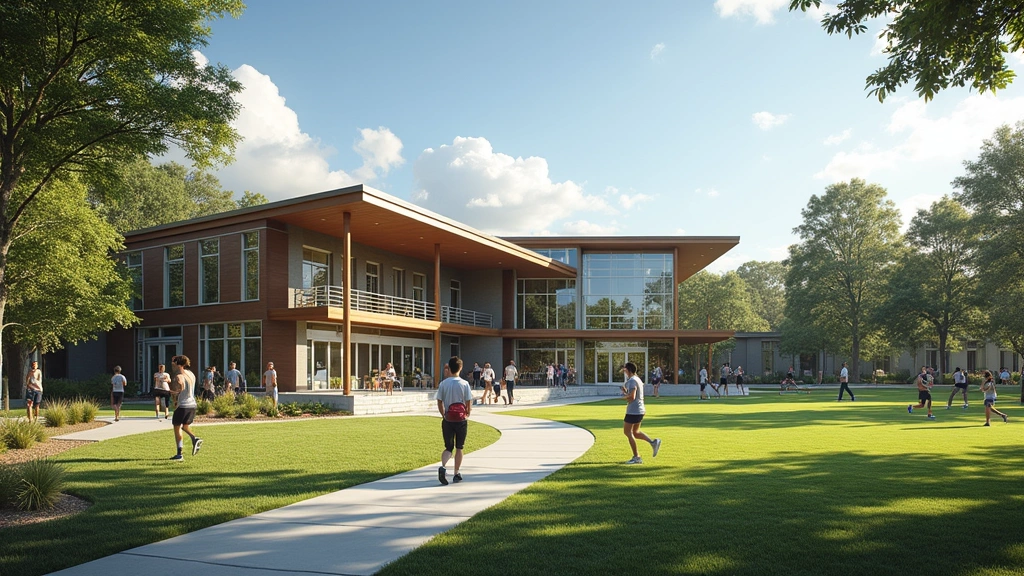
Recreation facilities are distributed across campus, promoting student wellness and community engagement. The Campus Recreation Center features state-of-the-art fitness equipment, swimming pools, basketball courts, and multipurpose spaces for various athletic and recreational activities. The outdoor recreation areas include athletic fields, tennis courts, and green spaces perfect for casual recreation or outdoor studying.
For students interested in how to learn coding fast through practical guides, many Georgia Tech recreation facilities include technology-enhanced fitness tracking and gaming options that blend physical activity with digital innovation—a uniquely Georgia Tech approach to student wellness.
Research and Innovation Centers
Georgia Tech’s research facilities represent some of the most sophisticated laboratories and centers in the world. These spaces drive innovation across engineering, sciences, computing, and other disciplines, making them integral to understanding the complete campus geography.
The Georgia Tech Research Institute (GTRI) operates multiple facilities dedicated to government-sponsored research in areas like cybersecurity, advanced materials, and systems engineering. These centers, while sometimes separated from the main campus, contribute significantly to Georgia Tech’s research reputation and provide exceptional opportunities for student involvement in cutting-edge projects.
The Institute for Data Engineering and Science (IDEAS) and related computing research facilities showcase Georgia Tech’s leadership in data science and artificial intelligence—topics explored in depth when examining how technology and artificial intelligence are transforming our future. These modern facilities feature high-performance computing clusters, collaborative workspaces, and visualization laboratories.
The Marcus Nanotechnology Building provides state-of-the-art facilities for nanoscale research and manufacturing. This building represents Georgia Tech’s commitment to supporting interdisciplinary research that bridges multiple engineering disciplines and scientific fields.
The Advanced Wood Products Laboratory and other specialized research centers support faculty and student research across diverse technical domains. Understanding where these facilities are located helps researchers access necessary equipment and collaborate with peers in their fields.
Transportation and Accessibility
Walking and Biking represent the primary transportation methods across Georgia Tech’s campus. The relatively compact main campus ensures that most locations are accessible within 15-20 minutes on foot. Dedicated bike paths and bike parking facilities throughout campus support the large cycling community. The flat terrain and well-maintained pathways make campus navigation accessible for students with mobility considerations.
The Stinger Bus System provides free public transportation for Georgia Tech students, faculty, and staff. Multiple bus routes connect the main campus to outlying facilities, residential areas, and the broader Atlanta community. Real-time bus tracking via mobile app helps students plan their journeys and minimize wait times. For students managing cloud computing benefits and digital infrastructure, the campus bus system exemplifies how technology integration improves daily operational efficiency.
Parking Facilities serve faculty, staff, and commuting students. Multiple parking decks and surface lots are distributed across campus, with digital signage indicating available spaces. Permit requirements and parking regulations are clearly communicated through the parking services office and campus maps.
Accessibility Services provide specialized transportation assistance for students with mobility challenges. Accessible pathways, designated parking spaces, and accessible entrances to buildings ensure that all community members can navigate campus effectively. The campus map clearly indicates accessible routes and facilities, with information available through the Office of Disability Services.
Digital Navigation Tools
Modern Georgia Tech students benefit from sophisticated digital tools that make campus navigation intuitive and efficient. The official Georgia Tech Campus Map online platform provides interactive mapping with search functionality, allowing users to locate buildings, departments, and services. The digital map integrates with campus directory information, providing contact details and office locations within buildings.
The Georgia Tech Mobile App includes integrated mapping features that work offline, essential for students navigating campus without constant internet connectivity. Push notifications can alert users to campus events, emergency information, and service updates relevant to their location.
Third-party mapping applications like Google Maps include Georgia Tech campus data, allowing students to use familiar navigation interfaces they already employ in other contexts. These applications integrate with public transportation information, helping students plan multi-modal journeys combining walking, biking, and bus travel.
Building-specific information systems within many academic and research buildings provide internal wayfinding, helping students locate specific offices, laboratories, and classrooms within large structures. Digital displays in hallways and lobbies provide real-time information about room usage and building events.
The integration of technology into campus navigation reflects Georgia Tech’s broader commitment to leveraging innovation for practical benefit—a principle evident throughout the institution’s approach to education, research, and operations. When exploring topics like best video editing software in 2025, you’ll recognize similar principles of technology integration that Georgia Tech applies to student services and campus infrastructure.
FAQ
What is the best way to learn the Georgia Tech campus map as a new student?
Start by attending campus orientation events where trained student leaders guide you through major landmarks and frequently visited locations. Download the official Georgia Tech mobile app and practice using it before classes begin. Walk the campus with a campus map or digital guide, taking time to explore academic buildings, dining facilities, and residential areas at a relaxed pace. Visit the main library as a central reference point, and don’t hesitate to ask campus security or student staff for directions—everyone recognizes that campus navigation takes time to master.
Are there printed campus maps available?
Yes, printed campus maps are available at various locations including the visitor center, residence hall lobbies, and the main library. These physical maps serve as excellent backup resources when digital tools aren’t available and help you develop spatial awareness of campus layout. Many students find that consulting both digital and printed maps helps them build a comprehensive mental map of campus geography.
How long does it typically take to walk across the main campus?
The main campus is approximately one mile across at its widest point, requiring 15-20 minutes of walking depending on your starting and ending points, walking pace, and route choice. The relatively walkable scale is intentional, designed to encourage pedestrian traffic and community interaction. Most students can reach any major campus facility within 20 minutes of their residence hall or classroom location.
What should I know about navigating between North and South Campus?
The transition between North and South Campus involves crossing the central academic core. Walking routes are clearly marked and well-maintained, though the journey may take 20-30 minutes depending on specific starting and ending locations. Bus routes also connect North and South Campus areas, providing alternative transportation during inclement weather or when carrying heavy loads.
Are there accessibility accommodations for students with mobility challenges?
Georgia Tech prioritizes accessibility throughout campus, with accessible parking, designated accessible routes, elevator access in multi-story buildings, and accessible entrances clearly marked on campus maps. The Office of Disability Services provides specialized transportation assistance and can help arrange accommodations for specific accessibility needs. Contact disability services early in your time at Georgia Tech to arrange appropriate accommodations.
Can I use my smartphone GPS for campus navigation?
Yes, smartphone GPS works well for campus navigation, and major mapping applications include Georgia Tech campus data. However, the offline capability of the official Georgia Tech mobile app provides advantages in areas with weak signal coverage. Many students use a combination of digital tools—the official app, Google Maps, and campus signage—to navigate effectively.
Where can I find information about campus events and facility hours?
The official Georgia Tech website provides comprehensive information about campus events, facility hours, and service locations. The mobile app includes event calendars and notifications about changes to facility schedules. Individual building directories and the main information desk in Price Gilbert Library can also provide current information about specific locations and their operating hours.