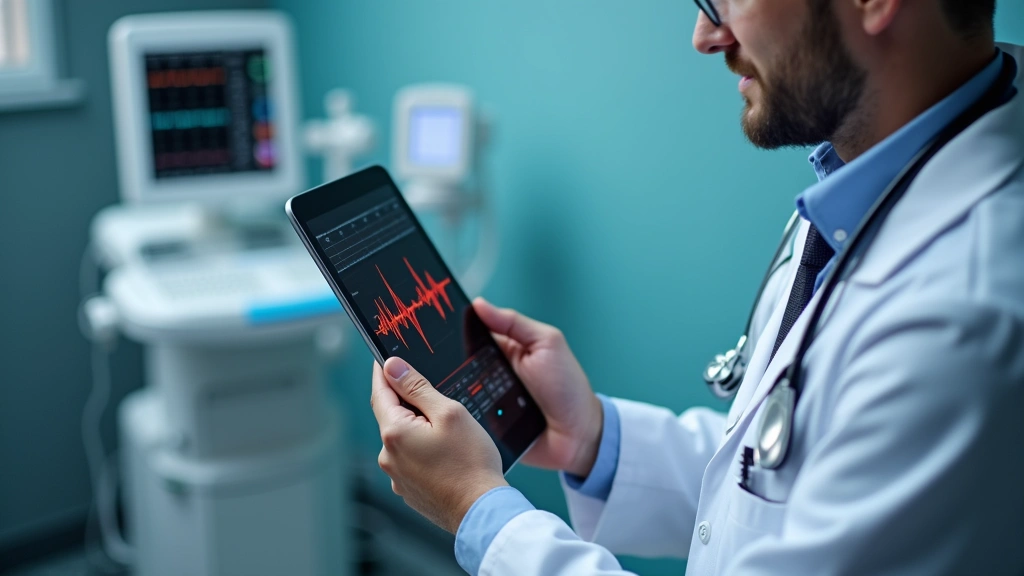
Top Cardiac Tech Programs: Expert Picks for Healthcare Innovation
The intersection of cardiology and cutting-edge technology has revolutionized how medical professionals diagnose, monitor, and treat heart disease. Cardiac tech programs represent one of the fastest-growing segments in healthcare technology, combining sophisticated hardware, software, and clinical expertise to save lives. Whether you’re exploring investment opportunities in healthcare technology or seeking to understand the latest innovations, understanding the landscape of cardiac tech programs is essential for staying informed about modern medicine’s trajectory.
Today’s cardiac technology encompasses everything from wearable monitoring devices and artificial intelligence-powered diagnostic systems to advanced surgical robots and cloud-based patient management platforms. These programs represent billions in research investment and promise to transform how millions of patients with cardiovascular conditions receive care. This comprehensive guide examines the leading cardiac tech programs, their capabilities, clinical applications, and what makes them stand out in an increasingly competitive medical technology marketplace.
What Are Cardiac Tech Programs?
Cardiac tech programs represent specialized software, hardware, and integrated healthcare solutions designed specifically for cardiovascular disease management and prevention. Unlike general health technology, these programs require FDA clearance, clinical validation, and integration with hospital information systems. They serve cardiologists, cardiac surgeons, interventional radiologists, and primary care physicians who manage heart patients.
The scope of cardiac tech programs is remarkably broad. Some focus exclusively on rhythm monitoring, detecting atrial fibrillation and arrhythmias through continuous ECG surveillance. Others provide comprehensive hemodynamic assessment, measuring blood pressure, oxygen saturation, and cardiac output in real-time. Many incorporate machine learning algorithms that identify subtle pattern changes indicating disease progression before symptoms emerge. The most sophisticated programs combine multiple data streams—electrocardiography, echocardiography, laboratory values, genetic markers, and lifestyle metrics—into unified dashboards that support clinical decision-making.
Understanding artificial intelligence applications in healthcare is crucial for evaluating modern cardiac programs. Machine learning models now predict heart failure decompensation, identify patients at risk for sudden cardiac death, and optimize medication regimens with unprecedented accuracy. These AI systems train on millions of patient records, learning patterns that human clinicians might miss, then apply that knowledge to individual patients in real-time clinical settings.
Top Wearable Cardiac Monitoring Systems
Wearable cardiac monitoring has transformed from basic fitness trackers into sophisticated medical devices. The best programs in this category offer clinical-grade accuracy while maintaining consumer-friendly interfaces that encourage long-term adherence.
Apple Watch with ECG and Irregular Rhythm Notification represents the most accessible entry point for cardiac monitoring. The device captures single-lead ECG recordings comparable to traditional medical devices, detecting atrial fibrillation with sensitivity exceeding 98% in clinical studies. Integration with the Health app creates longitudinal records that users can share with cardiologists. The irregular rhythm notification feature continuously analyzes heart rate patterns, alerting users to potential arrhythmias even during sleep. While not intended to replace clinical monitoring, Apple Watch has proven valuable for initial screening and patient engagement.
Zio Patch by iRhythm Technologies dominates the extended monitoring space. This single-use, adhesive patch provides 14 days of continuous cardiac monitoring with two ECG leads, capturing significantly more data than smartwatches. The AI-powered analysis detects arrhythmias with clinical accuracy, automatically generating reports that integrate seamlessly into electronic health records. Insurance typically covers Zio monitoring for appropriate clinical indications, making it accessible despite higher upfront costs. The patch’s waterproof design and minimal patient burden drive compliance rates above 95%.
Kardia by AliveCor offers portable, smartphone-integrated ECG recording. Users place two fingers on the device to capture single-lead ECG in 30 seconds, with AI analysis identifying atrial fibrillation and normal sinus rhythm. The subscription-based model provides continuous rhythm monitoring alerts and integration with wearable devices. Kardia’s mobile-first approach appeals to tech-savvy patients and enables remote monitoring across geographies.
Livongo Heart by Teladoc Health (now part of integrated Teladoc offerings) combines Bluetooth-enabled blood pressure monitoring with cloud connectivity and clinical coaching. The system identifies hypertension patterns, provides medication adherence reminders, and escalates concerning readings to care teams automatically. The behavioral coaching component addresses lifestyle factors—sodium intake, exercise, stress—that influence cardiac outcomes.
AI-Powered Diagnostic Platforms
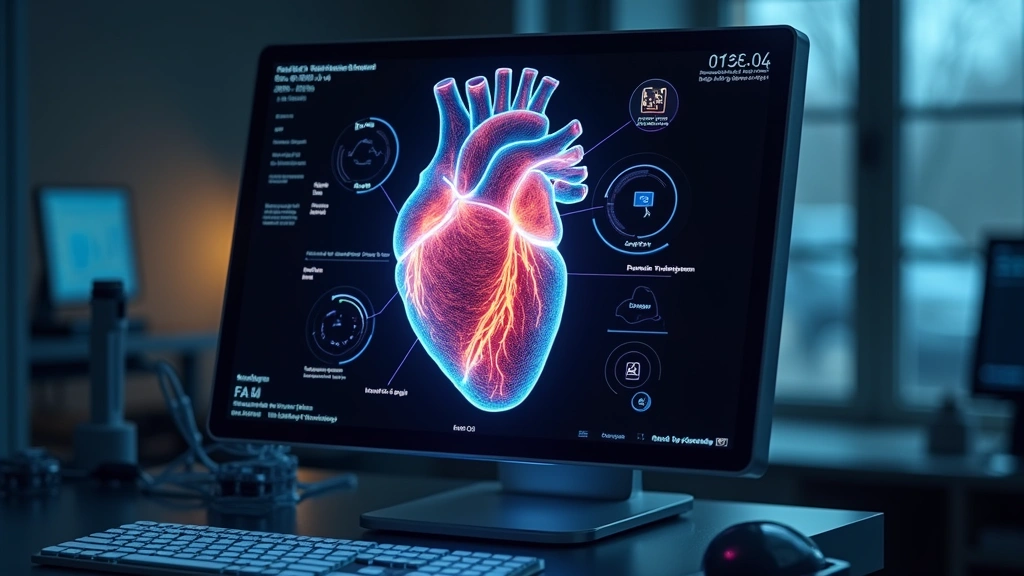
Artificial intelligence is revolutionizing cardiac diagnosis, enabling earlier detection and more accurate risk stratification. Leading programs leverage deep learning on imaging data, ECG recordings, and biomarker panels to identify disease patterns.
Google DeepMind’s Cardiac Imaging AI demonstrates AI’s diagnostic potential. The system analyzes echocardiogram videos to quantify cardiac function, identifying subtle contractility abnormalities that might escape human observation. Research shows DeepMind’s algorithms match cardiologist-level accuracy while reducing analysis time from minutes to seconds. Clinical deployment in major medical centers suggests this technology will become standard for echocardiography interpretation.
Arterys Cardio AI specializes in cardiac MRI analysis. The platform automatically segments cardiac chambers, quantifies volume and function, and generates standardized reports. By automating routine measurements, Arterys enables cardiologists to focus on complex cases and rare pathologies. Integration with hospital PACS systems ensures seamless workflow integration.
HeartBeam’s EKG AI extracts three-dimensional cardiac electrical information from standard 12-lead ECGs. The technology identifies coronary artery disease risk from routine office ECGs, potentially enabling earlier intervention in asymptomatic patients. Clinical validation studies demonstrate improved sensitivity compared to traditional ECG interpretation.
Caption AI by GE Healthcare applies machine learning to ejection fraction assessment from echocardiograms. The system identifies systolic dysfunction with clinical accuracy, supporting rapid diagnosis in emergency departments and primary care settings where echocardiography expertise is limited.
Remote Patient Monitoring Solutions
Remote patient monitoring (RPM) programs enable continuous surveillance of cardiac patients outside hospital settings, reducing readmissions and improving outcomes. The best programs integrate seamlessly with clinical workflows while maintaining rigorous data security.
Medtronic CareLink dominates implantable device monitoring. Patients with pacemakers, defibrillators, or cardiac resynchronization devices transmit data wirelessly through secure cloud platforms. CareLink automatically detects device malfunctions, arrhythmia episodes, and physiologic deterioration, alerting clinicians to intervene before emergencies develop. Real-world data shows CareLink monitoring reduces hospitalizations by 20-30% compared to in-office follow-ups alone.
Abbott’s Merlin.net provides similar functionality for Abbott implantable devices. The platform emphasizes predictive analytics, using machine learning to forecast decompensation events weeks in advance. Integration with electronic health records enables automated clinical alerts within existing hospital systems.
Philips eCareCoordinator addresses broader cardiac monitoring beyond implantable devices. The platform consolidates data from multiple wearables, home monitoring devices, and clinical systems into unified dashboards. Sophisticated algorithms identify patients at risk for acute decompensation, enabling proactive interventions.
Proteus Digital Health’s Medication Adherence System combines ingestible sensors with wearable patches to track medication-taking behavior. For cardiac patients, medication adherence directly correlates with outcomes. By objectively measuring compliance, Proteus enables interventions targeting the root cause of nonadherence—whether forgetfulness, side effects, or cost concerns.
Surgical Robotics and Intervention Tech
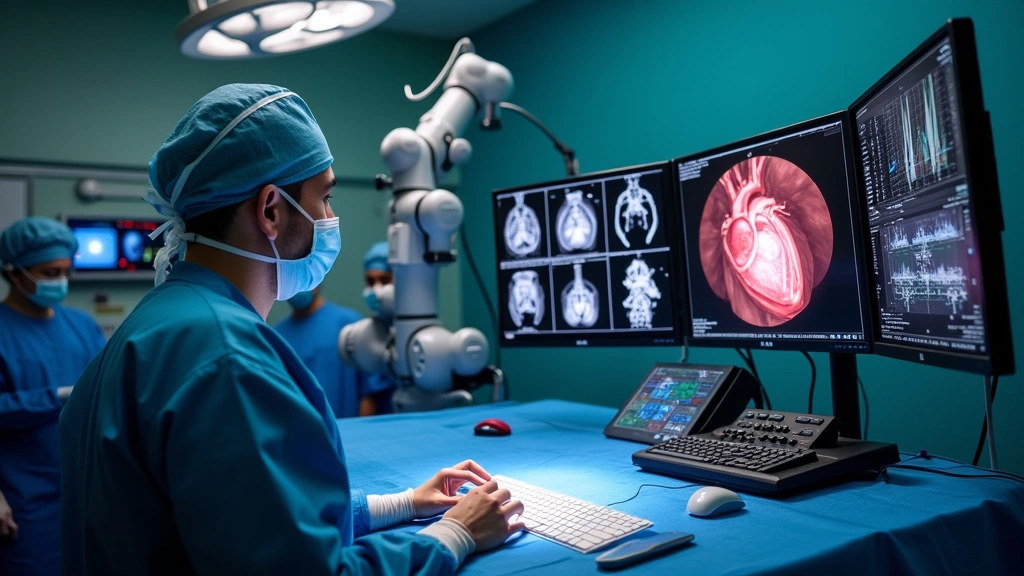
Minimally invasive cardiac surgery has advanced dramatically through robotic platforms. These systems offer surgeons enhanced visualization, tremor filtering, and precise instrument control for complex procedures.
da Vinci Surgical System by Intuitive Surgical leads cardiac robotic surgery. Surgeons operate from a console, controlling robotic arms with high-definition 3D visualization and motion scaling. For coronary artery bypass grafting, valvular surgery, and arrhythmia ablation, da Vinci enables smaller incisions, reduced blood loss, and faster recovery compared to traditional open surgery. The learning curve is steep—surgeons require specialized training—but outcomes data supports adoption in high-volume centers.
Stereotaxis Robotic Navigation Systems focus on electrophysiology procedures. Magnetic navigation enables precise catheter positioning during ablation procedures for atrial fibrillation and ventricular arrhythmias. Compared to manual catheter manipulation, robotic navigation reduces procedure times and radiation exposure while improving ablation success rates.
Corindus CytoSomatics Interventional Robotics applies robotics to percutaneous coronary intervention. The platform enables remote catheterization, supporting interventional cardiologists in underserved regions and enabling specialist consultation during complex procedures. Haptic feedback provides tactile sensation comparable to manual catheterization.
Siemens ARTIS Pheno Robotic C-Arm combines imaging and interventional capabilities. The system automatically positions imaging equipment during cardiac catheterization, reducing manual adjustments and radiation exposure. Advanced image processing enhances visualization of coronary anatomy.
Implantable Device Technologies
Modern implantable devices incorporate sophisticated sensors, wireless communication, and predictive algorithms. These technologies represent years of miniaturization and biocompatibility research.
Leadless Pacemakers eliminate transvenous leads, reducing infection risk and enabling MRI compatibility. Devices like Medtronic Micra and Boston Scientific Nanostim deliver pacing therapy without subcutaneous hardware, improving patient comfort and cosmetics. Battery longevity remains the primary limitation, typically 10-12 years compared to 15+ years for traditional devices.
Smart ICD Technology incorporates machine learning to optimize shock algorithms. By analyzing individual patient ECG patterns, modern ICDs reduce inappropriate shocks while maintaining appropriate therapy for life-threatening arrhythmias. Reduced unnecessary shocks improve quality of life and psychological outcomes.
Subcutaneous Implantable Cardioverter-Defibrillators (S-ICDs) offer defibrillation without transvenous leads. The Boston Scientific S-ICD provides a completely subcutaneous approach, eliminating risks associated with central venous access. The tradeoff involves inability to provide pacing therapy, limiting applicability to specific patient populations.
Wireless Implantable Hemodynamic Monitors like CardioMEMS measure pulmonary artery pressure continuously. Patients transmit readings daily through simple wireless transmission, enabling early detection of heart failure decompensation before symptoms develop. Clinical trials demonstrate 30-50% reductions in heart failure hospitalizations with hemodynamic-guided therapy.
Data Analytics and Clinical Decision Support
The most sophisticated cardiac tech programs integrate diverse data sources into actionable clinical intelligence. These platforms transform raw data into insights that improve outcomes at scale.
IBM Watson for Oncology (extending into cardiology) applies natural language processing to electronic health records, identifying relevant clinical evidence for individual patients. The system searches medical literature, clinical guidelines, and institutional data to support treatment decisions.
Tempus AI’s Cardiac Analytics analyzes patient records, imaging, and genetic data to predict treatment response and identify optimal therapeutic strategies. Machine learning models trained on thousands of cardiac patients enable precision medicine approaches to common conditions like heart failure and arrhythmias.
Clarify Health Solutions provides population health analytics for cardiac patients. Hospitals use Clarify to identify high-risk patients, stratify populations by readmission risk, and target interventions to vulnerable groups. Predictive models enable proactive outreach before acute decompensation.
Optum’s Cardiac Care Programs integrate claims data, clinical records, and patient-reported outcomes. The platform identifies gaps in care, tracks medication adherence, and coordinates care across multiple providers. Real-world evidence shows 15-25% reductions in cardiac readmissions through systematic care coordination.
Choosing the Right Program
Selecting appropriate cardiac tech programs requires evaluating multiple dimensions beyond raw feature lists. Healthcare organizations and individual clinicians should consider clinical evidence, workflow integration, data security, and long-term vendor viability.
Clinical Validation remains paramount. The best cardiac tech programs have published clinical studies demonstrating improved outcomes—reduced hospitalizations, better symptom control, improved survival, or enhanced quality of life. Be skeptical of programs lacking peer-reviewed evidence or relying solely on vendor-sponsored studies.
Regulatory Status matters significantly. FDA-cleared devices carry stronger evidence of safety and effectiveness than non-regulated software. For software programs, certification standards like HIPAA compliance and SOC 2 audits indicate serious security practices. International certifications (CE mark, TGA approval) suggest broader clinical adoption.
Workflow Integration determines real-world adoption success. Programs that require manual data entry or create additional documentation burden face resistance from busy clinicians. The best programs integrate with existing EHRs, PACS systems, and laboratory interfaces, minimizing workflow disruption.
Data Security and Privacy are non-negotiable for healthcare applications. Evaluate vendor security practices, encryption standards, audit trails, and breach response procedures. For remote monitoring programs, understand data transmission security and cloud storage protection.
Vendor Stability influences long-term viability. Programs from established companies like Medtronic, Abbott, and Philips offer greater assurance of continued support. For startups, assess funding levels, revenue growth, and competitive positioning. Several promising cardiac tech companies have been acquired by larger firms, sometimes leading to product discontinuation.
Cost-Effectiveness requires honest analysis. While cardiac tech programs often carry substantial upfront costs, many reduce overall healthcare spending through prevented hospitalizations and optimized care. Calculate return on investment considering your specific patient population and clinical setting. Many programs offer data demonstrating cost savings for appropriate populations.
For career professionals, learning coding skills increasingly enhances career prospects in cardiac tech fields. Understanding software development enables better communication with engineering teams and positions clinicians for leadership roles in digital health initiatives.
Healthcare organizations should also consider staying current with technology trends and emerging technology releases to anticipate future capabilities. The cardiac tech landscape evolves rapidly, with new platforms and capabilities emerging quarterly.
FAQ
What is the difference between wearable cardiac monitors and implantable devices?
Wearable monitors sit on skin surface, capturing ECG data externally, typically for days to weeks. Implantable devices reside inside the body, providing continuous monitoring for years. Wearables suit screening and short-term monitoring; implantables provide long-term surveillance for patients with diagnosed arrhythmias or heart failure.
Are cardiac tech programs covered by insurance?
Coverage varies significantly by program, insurance plan, and clinical indication. FDA-cleared devices with published evidence of clinical benefit—like remote monitoring for implantable devices or extended ECG monitoring for suspected arrhythmias—typically qualify for insurance coverage. Experimental programs or those lacking clinical evidence may require patient cost-sharing. Verify coverage before implementation.
How accurate are AI algorithms in cardiac diagnosis?
Leading AI programs match or exceed cardiologist-level accuracy for specific tasks. ECG analysis, echocardiography interpretation, and arrhythmia detection algorithms demonstrate sensitivity and specificity comparable to human experts in clinical validation studies. However, AI performs best on well-defined, narrow tasks. Complex clinical reasoning integrating multiple data sources still benefits from human expert judgment.
Can cardiac tech programs replace cardiologists?
No. The most effective implementations augment rather than replace cardiologists. Technology excels at continuous monitoring, pattern detection, and data aggregation. Cardiologists provide contextual judgment, manage complex cases, and incorporate patient preferences into treatment decisions. The optimal model combines AI’s pattern recognition with human clinical expertise.
What cybersecurity risks exist with remote cardiac monitoring?
Connected cardiac devices create potential attack vectors for hacking, data breaches, and wireless interference. Reputable vendors implement encryption, authentication, and intrusion detection. However, patients should understand risks and maintain software updates. Healthcare organizations should conduct security assessments and have breach response plans. The clinical benefits of remote monitoring substantially outweigh security risks when proper protections are implemented.
How do I stay informed about new cardiac technology developments?
Follow peer-reviewed cardiology journals, attend medical conferences, and monitor vendor announcements. Major sources include The Verge’s technology coverage, CNET’s health technology section, and specialty publications like Circulation and Heart Rhythm. Professional organizations like the American Heart Association publish regular technology updates.
What training is required to implement cardiac tech programs?
Requirements vary by program. Clinical staff need training on device operation, data interpretation, and alert management. IT staff require understanding of integration architecture and security protocols. Vendors typically provide initial training, but ongoing education supports optimal utilization. Formal certification programs exist for some advanced technologies like robotic surgery.


