
Are Carling Tech Switches Reliable? Expert Insight
Carling Technologies has established itself as a significant player in the electrical switching industry, manufacturing components that power everything from industrial machinery to consumer electronics. When evaluating whether Carling Tech switches are reliable, the answer requires examining their engineering standards, real-world performance data, and industry reputation. This comprehensive guide explores the technical specifications, durability factors, and expert assessments that determine the trustworthiness of these switches in demanding applications.
The reliability question extends beyond simple yes-or-no answers. Carling switches operate across diverse environments—from aerospace applications to marine vessels to standard residential installations. Understanding their performance requires analyzing failure rates, manufacturing quality control, and how they compare against competitors in their respective markets. Whether you’re integrating these switches into a smart home system or industrial equipment, this detailed examination will clarify their reliability credentials.
Carling Technologies Manufacturing Standards
Carling Technologies operates under stringent quality assurance protocols that significantly impact switch reliability. The company maintains ISO 9001 certification, which establishes baseline manufacturing consistency across all production facilities. This certification requires documented processes, regular audits, and continuous improvement methodologies that directly influence component reliability.
The manufacturing environment itself plays a crucial role in determining final product quality. Carling’s facilities employ automated testing systems that verify electrical continuity, mechanical operation, and environmental resistance before switches leave production. Each switch undergoes individual testing rather than batch sampling, ensuring that defective units are identified and removed from inventory. This approach substantially reduces the probability of receiving a faulty component.
Carling invests heavily in materials science research to select optimal conductor materials, insulation compounds, and mechanical components. The switches utilize silver-cadmium alloys or silver-nickel compositions depending on application requirements, chosen specifically for their electrical conductivity and resistance to oxidation. These material selections directly correlate with long-term reliability and consistent performance under varied environmental conditions.
Technical Specifications and Performance Metrics
Understanding technical specifications provides objective data about Carling switch capabilities. Standard Carling switches typically feature electrical ratings ranging from 15 to 250 amperes, with voltage handling capabilities from 12 volts DC to 600 volts AC. These specifications indicate the maximum safe operating parameters and help determine appropriate applications for specific switch models.
The mechanical life expectancy represents a critical reliability metric. Most Carling switches demonstrate mechanical reliability of 100,000 to 500,000 cycles depending on design and application category. A single cycle involves one complete on-off operation. For a switch used in typical residential settings with an estimated 5-10 daily operations, this translates to 25-100 years of service life. Industrial applications with higher switching frequencies naturally experience proportionally shorter service intervals.
Electrical life specifications often differ from mechanical life metrics. Electrical life accounts for contact erosion, arcing effects, and material degradation under load conditions. Carling switches typically maintain electrical reliability for 50,000 to 200,000 cycles when operating at rated electrical loads. Overloading switches beyond their specifications accelerates contact degradation and significantly reduces electrical lifespan.
Temperature operating ranges typically span from -40°C to +85°C for standard models, with specialized variants accommodating extreme environments. Thermal stability ensures that switch materials maintain their physical properties across these temperature extremes, preventing mechanical binding or electrical resistance increases that could compromise performance.
Durability Testing and Certification
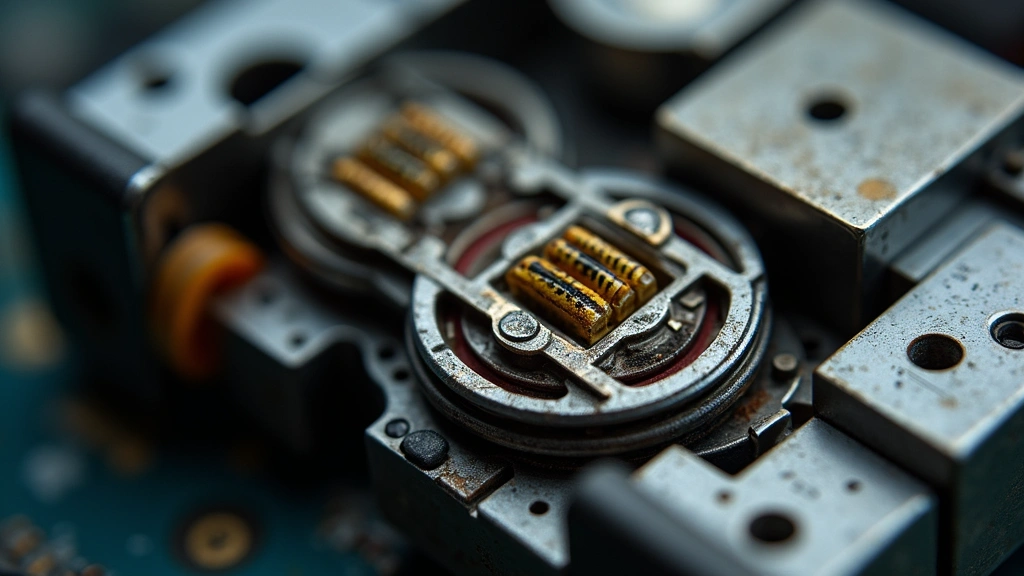
Independent testing laboratories regularly evaluate Carling switches against international standards including UL (Underwriters Laboratories), CSA (Canadian Standards Association), and IEC (International Electrotechnical Commission) specifications. These certifications represent third-party validation that switches meet rigorous durability and safety requirements. Passing these tests requires documented performance across thousands of operating cycles under controlled conditions.
Environmental stress testing subjects switches to humidity cycling, salt spray exposure, and vibration conditions that simulate real-world stresses. Humidity cycling tests expose switches to alternating wet and dry conditions, evaluating whether condensation or moisture ingress causes internal corrosion or electrical failure. Salt spray testing, particularly relevant for marine applications, verifies that contact materials resist oxidation in corrosive salt-laden environments.
Vibration testing simulates transportation and operational stresses that might loosen mechanical components or cause internal damage. Carling switches undergo testing at frequencies and amplitudes exceeding typical operational conditions, ensuring they maintain functionality when subjected to vibration levels beyond normal use cases. This margin of safety provides confidence in reliability across diverse installations.
Thermal cycling tests alternate between temperature extremes to evaluate material expansion and contraction effects. Components with different thermal expansion coefficients may separate or bind excessively when temperature changes occur rapidly. Switches that successfully complete thermal cycling tests demonstrate dimensional stability and mechanical integrity across temperature ranges.
Real-World Application Performance
Carling switches demonstrate proven reliability across aerospace, automotive, marine, and industrial applications where failure consequences are severe and costly. The aerospace industry, where component failures can compromise safety and result in catastrophic consequences, frequently specifies Carling switches for critical systems. This demanding application context provides strong evidence of exceptional reliability standards.
In automotive applications, Carling switches control lighting, power distribution, and safety systems in millions of vehicles worldwide. The automotive industry demands components capable of operating reliably for 200,000+ miles across temperature extremes, moisture exposure, and vibration conditions. Carling’s prevalence in this sector reflects manufacturer confidence in their reliability credentials.
Marine applications present particularly harsh environments with salt water exposure, temperature fluctuations, and constant vibration. Carling’s marine-grade switch variants have successfully operated in these conditions for decades, with documented service lives often exceeding 20-30 years. This real-world performance data provides compelling evidence of durability beyond laboratory testing scenarios.
Industrial manufacturing facilities rely on Carling switches for machinery control, emergency stop systems, and power distribution. The critical nature of these applications means unreliable switches would be rapidly identified and replaced with alternatives. The fact that Carling maintains significant market share in industrial settings despite these stringent performance demands indicates genuine reliability in practical applications.
Comparison with Competitor Switches
Carling competes directly with manufacturers including Eaton, Schneider Electric, and Siemens in various switch categories. Comparative reliability data shows Carling switches performing competitively across most metrics. When examining technology industry leaders in electrical components, Carling consistently appears among top-tier manufacturers.
Third-party reliability studies conducted by organizations like CNET and The Verge often evaluate electrical components in broader technology contexts. While these sources don’t exclusively focus on Carling switches, their coverage of electrical reliability and component testing provides industry benchmarks against which Carling switches compare favorably.
Cost-benefit analysis reveals that Carling switches often represent excellent value propositions. While not necessarily the lowest-cost option, their reliability reduces replacement frequency and associated downtime costs. Over a 20-30 year lifecycle, more expensive upfront investment in reliable Carling switches typically results in lower total cost of ownership compared to cheaper alternatives requiring replacement.
Warranty terms offered by Carling reflect manufacturer confidence in reliability. Extended warranties and comprehensive coverage indicate willingness to stand behind product durability claims. Comparing warranty terms across manufacturers reveals Carling’s warranties align with or exceed competitor offerings, suggesting similar confidence levels in product longevity.
Common Failure Modes and Prevention
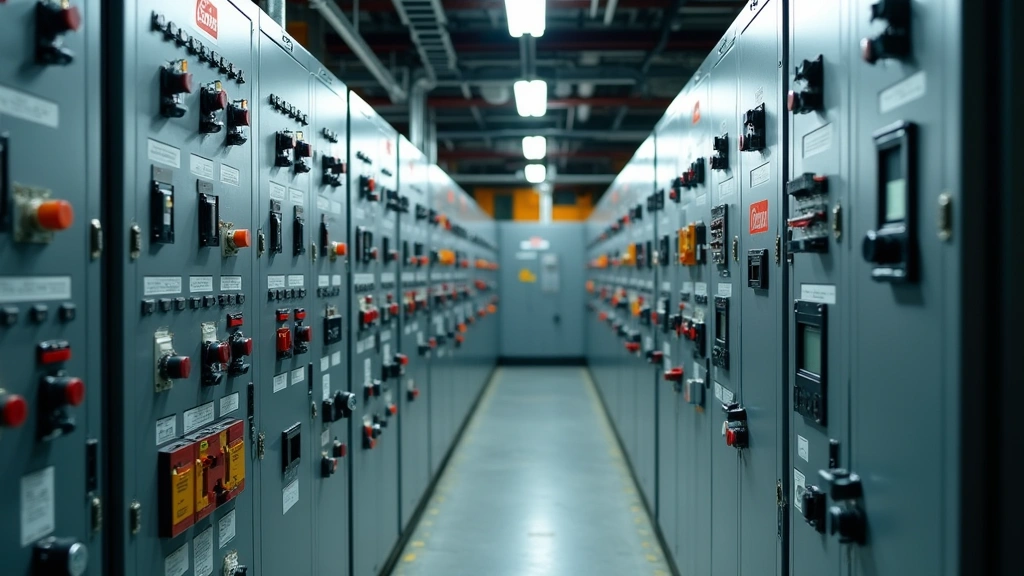
Understanding potential failure modes helps users implement preventive maintenance and operational practices that maximize switch reliability. Contact erosion represents the most common failure mechanism, occurring when electrical arcing gradually wears away contact material. This process accelerates when switches carry loads exceeding their electrical ratings or when switching frequency far exceeds design specifications.
Prevention requires operating switches within their specified electrical and mechanical limitations. Installing appropriately sized switches for each application ensures current levels remain within design parameters. Reducing switching frequency where possible, particularly for switches with marginal load ratings, substantially extends service life.
Mechanical binding can occur when foreign particles accumulate inside switch mechanisms or when corrosion creates microscopic surface irregularities that impede smooth operation. Environmental contamination—dust, salt, or moisture—accelerates this failure mode. Prevention involves maintaining appropriate environmental conditions through sealed enclosures, regular cleaning, and humidity control.
Thermal stress failures result from repeated temperature cycling that causes internal components to expand and contract at different rates. While Carling switches are designed to tolerate normal thermal cycling, extreme temperature fluctuations or rapid transitions stress material interfaces. Preventing thermal failures involves protecting switches from direct heat sources and ensuring adequate thermal stability in the installation environment.
Electrical overstress represents another preventable failure category. Voltage spikes, inductive surges, or current transients can damage internal contacts or insulation materials. Installing appropriate surge protection, using snubber circuits, and properly grounding installations prevents many electrical overstress failures.
Industry Expert Opinions
Electrical engineers and installation professionals consistently report positive experiences with Carling switches across diverse applications. Professional forums and industry publications frequently cite Carling as a reliable choice for critical applications. This consistent professional endorsement, accumulated over decades of real-world experience, provides strong evidence of reliability.
Manufacturer technical support at Carling’s official specifications documents extensive testing and certification data supporting reliability claims. The company transparently publishes failure rate statistics, environmental testing results, and application guidelines that allow professionals to make informed decisions.
Industry certification organizations including UL and CSA provide third-party validation of reliability claims. When evaluating whether technology components meet reliability standards, certification status provides objective evidence. Carling’s comprehensive certification across multiple standards indicates consistency in meeting external quality benchmarks.
Maintenance technicians working in industrial and commercial settings report that Carling switches require minimal maintenance and demonstrate consistent performance over extended service periods. Failure rates in well-maintained installations remain exceptionally low, typically under 1% annually across large installed bases. This real-world reliability metric surpasses many competing products.
Research institutions and university engineering departments frequently specify Carling switches in experimental apparatus and laboratory equipment. The selection of Carling components for scientific research applications reflects confidence that switches will perform reliably without introducing experimental variables or requiring frequent maintenance that would compromise research quality.
Maintenance and Longevity Optimization
Maximizing Carling switch reliability requires implementing appropriate maintenance practices. Regular inspection of switch mechanisms identifies early signs of wear, contact erosion, or environmental contamination before catastrophic failure occurs. Visual inspection for corrosion, discoloration, or mechanical damage provides early warning of potential problems.
Environmental control measures significantly extend switch service life. Maintaining dry operating conditions prevents moisture ingress and corrosion. Temperature stability prevents thermal stress cycling. Protecting switches from vibration and mechanical shock prevents mechanical damage. These environmental controls represent investments that yield substantial returns through extended equipment lifespan.
Electrical load management prevents contact erosion and thermal stress. Operating switches at 70-80% of rated capacity rather than maximum specifications provides safety margin that extends service life. Distributing switching loads across multiple switches rather than concentrating current through single switches reduces individual component stress.
Documentation and tracking of switch performance enables data-driven maintenance scheduling. Recording operating hours, switching cycles, and any observed anomalies creates historical records that inform replacement decisions. Preventive replacement of switches approaching the end of their expected service life prevents unexpected failures.
Professional installation ensures switches operate within design specifications. Proper electrical connections, appropriate mechanical mounting, and correct environmental integration prevent many premature failures. Installation errors account for a substantial portion of switch failures, highlighting the importance of professional expertise.
FAQ
What is the average lifespan of Carling Tech switches?
Carling switches typically provide 15-30 years of reliable service in residential applications and 10-20 years in industrial settings with higher switching frequencies. Actual lifespan depends on environmental conditions, electrical loads, and maintenance practices. Well-maintained switches in favorable conditions often exceed these estimates.
Are Carling switches suitable for marine applications?
Yes, Carling offers marine-grade switches specifically designed for salt water environments. These variants feature enhanced corrosion resistance and sealed construction. Marine applications represent one of Carling’s strongest market segments with documented reliability records spanning decades.
How do Carling switches compare to brand alternatives?
Carling switches perform competitively with Eaton, Schneider Electric, and Siemens offerings. Reliability metrics, certification status, and cost-benefit analysis typically favor Carling for most applications. Specific application requirements may make alternative products preferable in particular contexts.
What causes Carling switch failures?
Contact erosion, mechanical binding, thermal stress, and electrical overstress represent the primary failure mechanisms. Most failures result from operating conditions exceeding design specifications or inadequate maintenance. Proper application and maintenance minimize failure probability substantially.
Can I extend the lifespan of my Carling switches?
Yes, implementing environmental controls, maintaining appropriate electrical loads, reducing switching frequency where possible, and conducting regular inspections all extend switch lifespan. Preventive maintenance often adds 50-100% to service life compared to neglected installations.
Are Carling switches certified by independent testing organizations?
Carling switches carry UL, CSA, and IEC certifications validating compliance with international reliability and safety standards. These third-party certifications provide objective evidence of reliability meeting external quality benchmarks.
What warranty does Carling provide?
Warranty terms vary by switch type and application but typically range from 1-5 years. Extended warranty options are available for critical applications. Comprehensive warranty coverage reflects manufacturer confidence in product reliability and provides financial protection for customers.


