Carroll Tech’s New Gadgets: Expert Analysis
Carroll County Career and Technology Center has consistently positioned itself at the forefront of technical education and innovation. The latest lineup of gadgets and devices now available through their programs represents a significant leap forward in preparing students for careers in technology, engineering, and digital trades. This comprehensive analysis examines the cutting-edge equipment, its specifications, real-world applications, and how it integrates with modern career pathways in the tech industry.
Whether you’re a student exploring technical careers, an educator evaluating equipment investments, or a professional curious about emerging tech, understanding these new gadgets is essential. The devices featured here showcase how educational institutions are bridging the gap between classroom learning and industry-standard tools that professionals use daily. From advanced diagnostic equipment to innovative development platforms, Carroll Tech’s new collection reflects the evolving demands of the technology sector.
Advanced Diagnostic and Testing Equipment
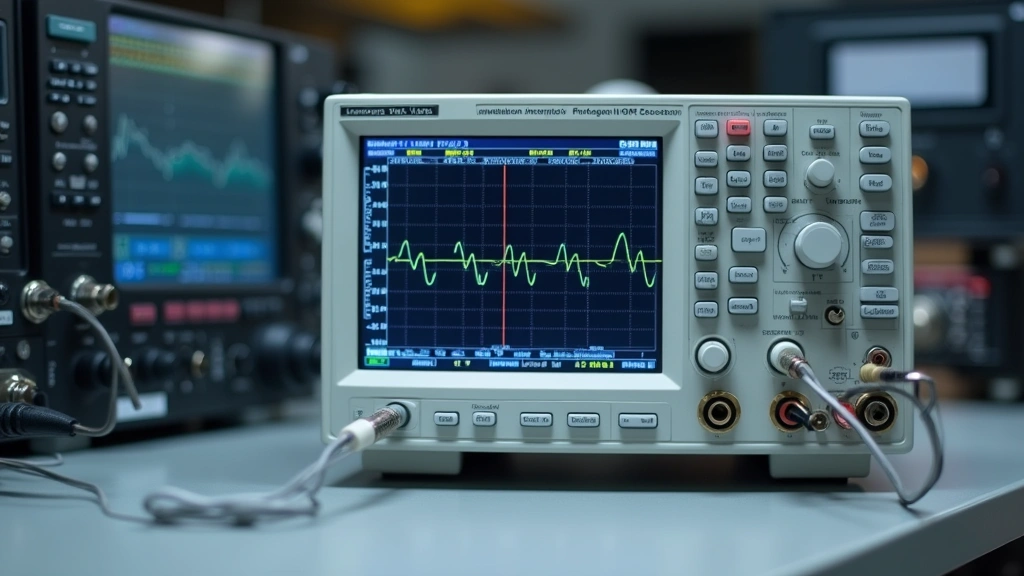
Carroll Tech’s investment in professional-grade diagnostic equipment marks a turning point in technical education accessibility. The new multimeters and oscilloscopes available through the program feature digital displays with precision ratings of 0.5% accuracy, allowing students to work with tolerances that match real industrial standards. These instruments are equipped with automatic ranging capabilities, reducing user error and accelerating the learning curve for newcomers to electronics work.
The oscilloscopes specifically include bandwidth capabilities up to 100 MHz, sufficient for analyzing most consumer electronics and industrial control circuits. With sampling rates of 1 GSa/s (giga-samples per second), students can capture complex waveforms and perform detailed signal analysis. The memory depth extends to 10K points per channel, enabling comprehensive data logging for troubleshooting applications. These specifications align perfectly with what technicians encounter in actual service environments, from automotive diagnostics to HVAC system repairs.
Integration with learning coding fundamentals becomes relevant when students progress to programmable logic controllers (PLCs) and microcontroller-based systems. Understanding signal behavior with proper test equipment creates a foundation for debugging embedded systems and industrial automation projects.
One particularly valuable addition is the thermal imaging camera with 320×256 resolution and temperature range of -20°C to +350°C. This tool helps students identify heat distribution problems in circuits, locate component failures, and understand thermal management principles critical in modern electronics design. The radiometric measurement capability allows precise temperature data logging, essential for quality assurance in manufacturing environments.
Programming and Development Platforms
The programming workstations now available represent a significant upgrade in computational capability. These systems feature processors with 8-core architecture, 16GB of DDR4 RAM, and 512GB NVMe SSD storage—specifications that handle complex compilation tasks, virtual machine environments, and simultaneous development tool execution without performance degradation. The integrated graphics with 4GB dedicated VRAM support hardware-accelerated rendering for game development and 3D visualization projects.
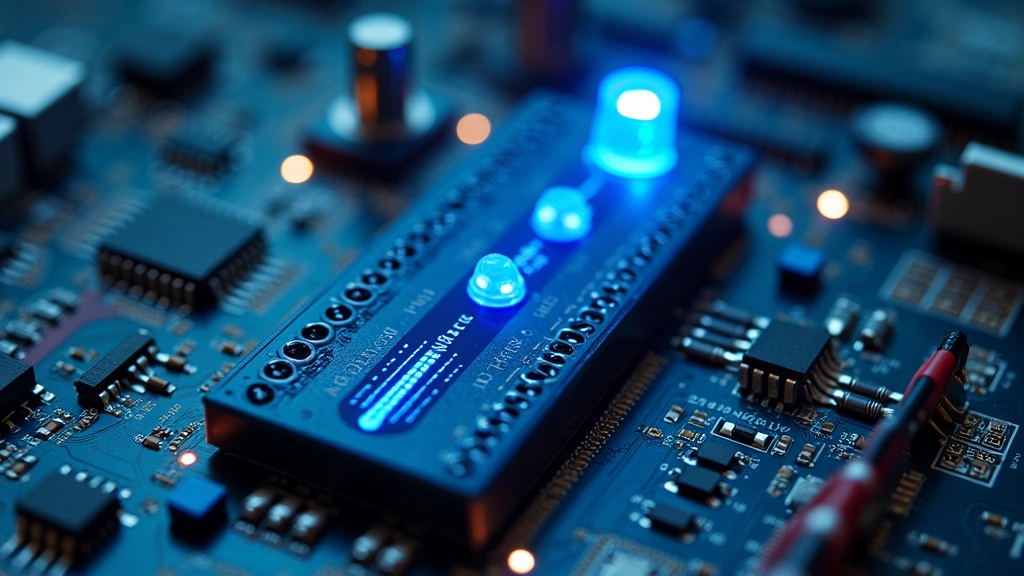
Multiple development platforms have been integrated into the curriculum. Arduino-compatible microcontroller boards with 32-bit ARM processors provide entry-level embedded systems experience. These boards feature 256KB of flash memory and 32KB of SRAM, sufficient for IoT prototyping and sensor integration projects. Students progress to more advanced platforms like Raspberry Pi systems running full Linux distributions, enabling sophisticated automation and home automation projects.
For those interested in cybersecurity and ethical hacking, the lab includes systems pre-configured with penetration testing distributions. These environments allow students to practice network reconnaissance, vulnerability scanning, and exploitation techniques in safe, controlled settings. The setup includes virtual machine hypervisors enabling network simulation without requiring expensive physical equipment. This hands-on approach to understanding AI and automation technologies gives students practical experience with the tools used in professional security operations centers.
The programming environment includes industry-standard IDEs (Integrated Development Environments) like Visual Studio Code, JetBrains IntelliJ IDEA, and Xcode. These tools provide syntax highlighting, intelligent code completion, and integrated debugging capabilities that accelerate development and teach proper coding practices. Version control systems like Git are pre-installed, ensuring students learn collaborative development workflows essential in professional software teams.
Networking and Infrastructure Tools
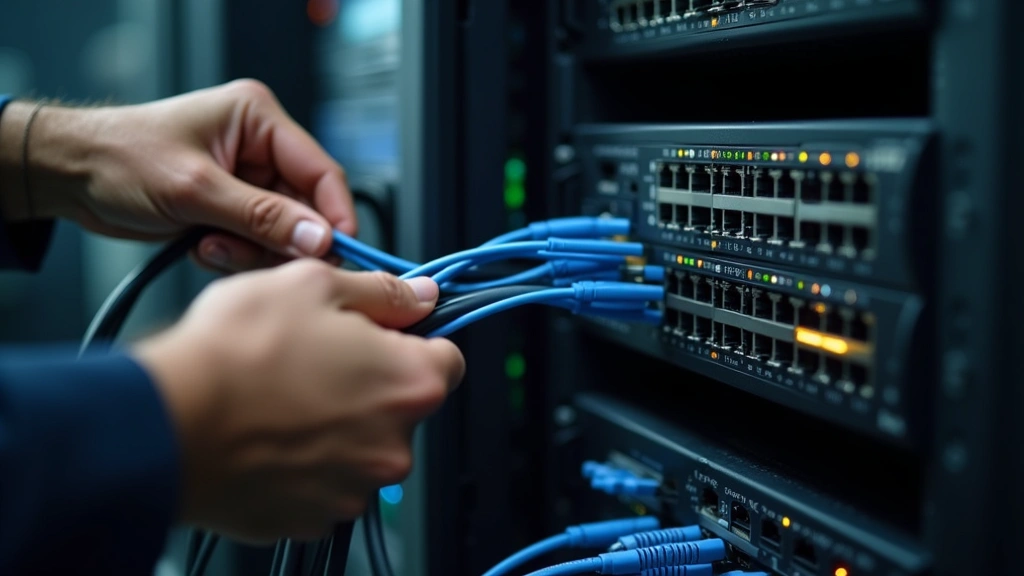
Carroll Tech’s networking lab now features managed network switches with 48-port configurations supporting Gigabit Ethernet (1000 Mbps) and Power over Ethernet (PoE) functionality. These enterprise-grade devices include VLAN configuration capabilities, allowing students to segment networks and understand network isolation principles. The switches support SNMP (Simple Network Management Protocol) for remote monitoring, teaching students network administration and troubleshooting methodologies.
The cabling infrastructure includes both copper and fiber optic options. Cat6A cabling rated for 10 Gigabit Ethernet provides future-proofing for bandwidth-intensive applications. Single-mode fiber optic cables enable long-distance, high-speed connections, introducing students to telecommunications infrastructure used in data centers and carrier networks. Proper termination techniques using industry-standard equipment teach precision skills valued in network installation careers.
Network analyzers and packet capture devices allow deep inspection of network traffic. Students can analyze TCP/IP protocols, observe DNS queries, monitor HTTP/HTTPS communications, and understand how data flows across networks. This knowledge is crucial for troubleshooting connectivity issues and identifying performance bottlenecks. The hands-on experience with modern computing platforms designed for technical work strengthens practical networking expertise.
Wireless network equipment includes access points with 802.11ax (Wi-Fi 6) support, offering data rates up to 9.6 Gbps. Students learn about channel management, signal strength optimization, and security protocols like WPA3. Network simulation software enables modeling complex topologies without physical constraints, allowing experimentation with scenarios from small office networks to enterprise infrastructure.
IoT and Embedded Systems Devices
The Internet of Things (IoT) laboratory showcases sensor arrays including temperature, humidity, pressure, and motion detectors. These sensors feature various communication protocols: I2C (Inter-Integrated Circuit), SPI (Serial Peripheral Interface), and UART (Universal Asynchronous Receiver-Transmitter). Understanding these communication standards prepares students for real-world IoT deployments where devices must interoperate across different manufacturers and platforms.
Environmental monitoring projects using these sensors teach data collection, cloud connectivity, and analytics. Students configure devices to transmit readings to cloud platforms, learning about MQTT (Message Queuing Telemetry Transport) protocols and secure authentication. This exposure to cloud-based IoT ecosystems reflects actual industry practices in smart home, industrial monitoring, and environmental sensing applications.
The lab includes single-board computers with integrated wireless connectivity (Wi-Fi and Bluetooth). These devices run lightweight operating systems and can function as IoT gateways, aggregating sensor data and performing edge computing—processing data locally before transmission to cloud services. This architecture mirrors modern IoT deployments where edge processing reduces bandwidth requirements and improves response times for time-sensitive applications.
3D printing technology is integrated into the embedded systems curriculum. Students design custom enclosures and mechanical components using CAD software, then fabricate prototypes using FDM (Fused Deposition Modeling) printers capable of 0.1mm layer resolution. This bridges hardware design concepts with physical manufacturing, teaching design-for-manufacturability principles and iterative prototyping methodologies essential in product development.
Cybersecurity and Network Protection Hardware
Understanding cybersecurity requires hands-on experience with defensive technologies. Carroll Tech’s new security lab includes enterprise firewalls with stateful inspection capabilities, intrusion detection systems (IDS), and intrusion prevention systems (IPS). These devices analyze network traffic patterns, identifying and blocking malicious activities in real-time. Students learn how organizations protect against DDoS attacks, malware propagation, and unauthorized access attempts.
Hardware security modules and encrypted storage devices teach data protection principles. Students work with devices supporting AES-256 encryption, understanding how sensitive information is protected during storage and transmission. Biometric security devices including fingerprint scanners and facial recognition systems introduce authentication technologies beyond traditional passwords, relevant to emerging security standards.
The lab includes systems for secure wireless network configuration. Students implement WPA3 enterprise security, certificate-based authentication, and network access control policies. Understanding these technologies prepares professionals for roles in network security, system administration, and IT governance. The practical experience with emerging technology implementations across industries shows how security principles apply beyond traditional IT departments.
Cryptography hardware accelerators are available for advanced students studying encryption algorithms and secure communications. These devices perform computationally intensive cryptographic operations efficiently, demonstrating why hardware acceleration matters in high-security, high-throughput environments like financial institutions and government agencies.
Integration with Career Pathways
The equipment at Carroll County Career and Technology Center directly supports multiple career pathways. Students pursuing network administration roles gain hands-on experience with infrastructure they’ll encounter professionally. Those interested in embedded systems development work with tools and platforms used in actual product development. Cybersecurity-focused students practice with defensive technologies deployed in real organizations.
Employers increasingly value candidates with practical experience using industry-standard equipment. Carroll Tech’s investment ensures graduates arrive at their first positions already familiar with tools they’ll use daily. This familiarity accelerates onboarding and allows employees to contribute meaningfully from day one. The career trajectory from student to entry-level technician to senior specialist becomes more achievable when foundational skills are properly developed.
The latest technology trends and industry developments are continuously integrated into the curriculum. As new tools emerge, instructors update projects and exercises to keep students current with evolving best practices. This commitment to staying current ensures graduates possess relevant skills rather than outdated knowledge.
Internship and apprenticeship programs leverage the equipment to provide authentic work experience. Students troubleshoot real problems, design functional systems, and deliver solutions meeting actual requirements. These experiences build portfolios demonstrating capability to prospective employers, significantly improving employment prospects compared to graduates lacking practical project experience.
Hands-On Learning Benefits
Educational research consistently demonstrates that hands-on learning produces superior retention and skill development compared to theoretical instruction alone. Carroll Tech’s equipment investment reflects this evidence-based approach. Students working directly with oscilloscopes understand waveform analysis viscerally, not just conceptually. Those configuring firewalls understand security principles through practical application rather than memorization.
The collaborative nature of many projects builds teamwork and communication skills equally important as technical expertise. Students working together to troubleshoot network problems, debug code, or design IoT systems develop interpersonal capabilities employers value highly. Technical skills are necessary but insufficient for career success; soft skills developed through collaborative projects prove equally important.
Failure becomes an instructional tool in hands-on environments. When a circuit doesn’t function or code produces errors, students investigate root causes, learn debugging methodologies, and develop persistence. This problem-solving mindset extends beyond technical domains, benefiting students throughout their careers and personal lives. The ability to systematically approach challenges, gather information, form hypotheses, and test solutions represents perhaps the most valuable skill technical education can develop.
Documentation practices learned while working with real equipment establish professional habits. Students learn to record configurations, document troubleshooting steps, and create maintenance logs. These practices prove essential in professional environments where knowledge transfer, compliance requirements, and system continuity depend on thorough documentation. Starting these practices early creates habits that mature into professional excellence.
The equipment also enables certification preparation. Many students pursue industry certifications like CompTIA A+, Network+, and Security+ while studying at Carroll Tech. Having access to actual equipment aligned with certification exam objectives significantly improves success rates. Certified graduates command higher starting salaries and experience faster career advancement, making certification pursuit an excellent investment in future earnings potential.
FAQ
What specific certifications can students pursue at Carroll Tech?
Carroll Tech supports preparation for CompTIA certifications (A+, Network+, Security+, CySA+), Cisco certifications (CCNA, CCENT), Microsoft certifications (Azure Administrator, Azure Developer), and vendor-specific credentials. The equipment and curriculum align with these certification requirements, providing students with relevant hands-on experience.
How does Carroll Tech’s equipment compare to industry standards?
The equipment specifications match or exceed tools found in professional environments. Oscilloscopes with 100 MHz bandwidth, managed network switches with VLAN support, and enterprise firewalls reflect actual industry deployments. This alignment ensures students develop skills directly transferable to professional roles.
Are there prerequisites for using the advanced equipment?
Most programs include foundational courses covering basic electronics, networking principles, or programming concepts before students access advanced equipment. This scaffolded approach ensures students possess necessary knowledge for safe, productive equipment use.
Can students access the equipment outside regular class hours?
Many programs offer extended lab hours or open lab sessions allowing supervised independent practice. This flexibility enables motivated students to deepen skills beyond curriculum requirements, often resulting in superior project outcomes and stronger portfolio pieces.
How frequently is the equipment updated?
Carroll Tech maintains a continuous equipment refresh cycle, retiring older systems and introducing new technologies as they become relevant. This commitment ensures the curriculum remains current with industry evolution.
What support is available for students struggling with equipment operation?
Instructors provide individualized tutoring, peer mentoring programs connect experienced students with newcomers, and extensive documentation and video tutorials support independent learning. Multiple support pathways accommodate different learning styles and schedules.


