
Texas Cath Lab Tech Degrees: What to Know
Catheterization laboratory technology is one of the most dynamic and rewarding healthcare careers available today. In Texas, pursuing an associate degree in cath lab technology opens doors to excellent job prospects, competitive salaries, and the opportunity to work directly with patients in high-stakes medical environments. Whether you’re just beginning your healthcare journey or transitioning from another field, understanding what Texas cath lab tech degrees entail is essential for making an informed career decision.
The demand for qualified catheterization lab technologists continues to grow across Texas hospitals and cardiovascular centers. These skilled professionals play a critical role in diagnostic and interventional cardiac procedures, assisting cardiologists and surgeons while operating sophisticated imaging and monitoring equipment. Texas offers several pathways to obtain the necessary credentials and education, each with unique requirements, timelines, and career outcomes.

Understanding Cath Lab Technology in Texas
In Texas, the cath lab tech associate degree is formally called an Associate of Applied Science (AAS) in Cardiovascular Technology or Cardiac Catheterization Technology. Some institutions may also title the program as an Associate Degree in Invasive Cardiovascular Technology. This two-year degree program combines classroom instruction with hands-on clinical training, preparing graduates to support complex cardiac procedures in real-world healthcare settings.
The role of a cath lab technologist extends far beyond simple equipment operation. These professionals must understand cardiovascular anatomy, recognize cardiac rhythms, monitor patient vital signs, maintain sterile environments, and respond quickly to emergencies. Texas regulations require that individuals working in catheterization labs meet specific educational and certification standards to ensure patient safety and procedural success.
Texas follows the national standards established by the American College of Cardiovascular Technologists (ACCT), which sets guidelines for education, training, and certification. The state’s healthcare licensing board recognizes both the AAS degree and professional certifications as essential credentials for employment in most Texas medical facilities.
Understanding the distinction between different credential types is crucial. An associate degree provides the foundational education and clinical hours, while certifications like the Registered Cardiovascular Invasive Specialist (RCIS) credential validate specialized competency. Many Texas employers require or strongly prefer candidates who hold both the degree and professional certification.
The Associate Degree Pathway
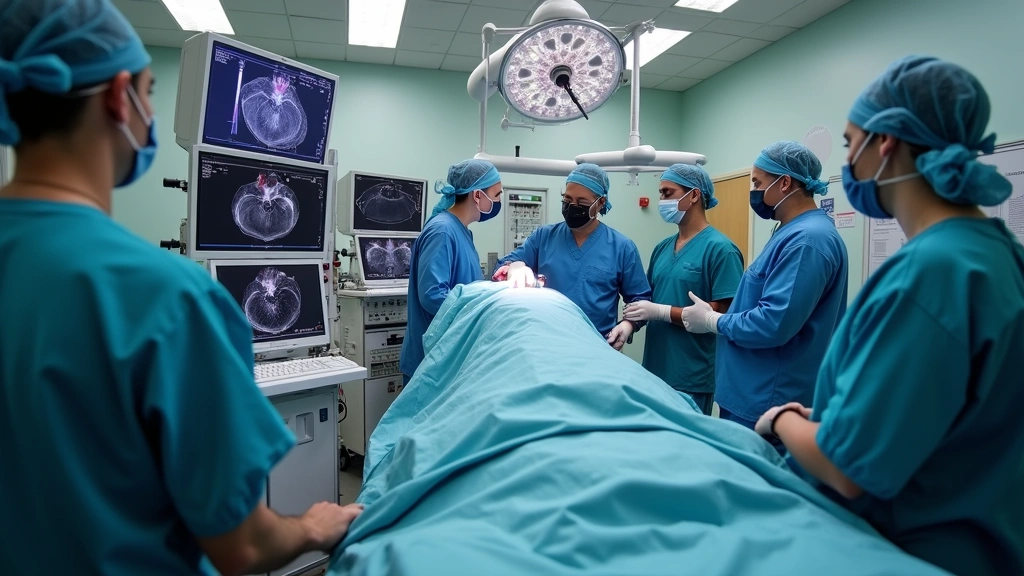
The associate degree pathway in Texas typically spans 24 months of full-time study, though some accelerated programs may be completed in 18 months. This timeframe includes both classroom lectures and clinical practicum hours, usually requiring 1,000-1,200 clinical hours in actual catheterization laboratories. Students gain experience in hospitals affiliated with their educational institutions, working alongside experienced technologists and cardiologists.
The admission process for Texas cath lab tech programs generally requires a high school diploma or GED, with prerequisite courses in biology, chemistry, and anatomy. Some programs may also require passing scores on entrance exams like the TEAS or HESI A2. Prior healthcare experience, while not always mandatory, can strengthen your application and provide valuable context for the rigorous coursework ahead.
During the associate degree program, students progress through structured learning phases. The first year typically focuses on foundational knowledge: cardiovascular anatomy, physiology, pathology, and basic procedural concepts. The second year emphasizes advanced techniques, specialized equipment operation, and direct patient care responsibilities. Clinical rotations expose students to various procedure types, from diagnostic angiograms to complex coronary interventions.
Texas institutions offering cath lab tech programs maintain partnerships with major medical centers and cardiovascular hospitals. This ensures that students receive training on state-of-the-art equipment and techniques used in modern clinical practice. The latest cardiovascular technology innovations are regularly integrated into curriculum updates, keeping education current with industry standards.
One significant advantage of the associate degree pathway is its affordability compared to four-year bachelor’s programs. Community colleges throughout Texas offer competitive tuition rates, and many students can complete their education with manageable student loan debt. Additionally, the two-year timeframe allows faster entry into the workforce and earlier earning potential.
Curriculum and Coursework
The curriculum for Texas cath lab tech associate degrees covers extensive medical and technical content. Core courses typically include cardiovascular anatomy and physiology, electrocardiography (EKG) interpretation, hemodynamics, pharmacology as it applies to cardiac procedures, and radiation safety. Students must develop proficiency in reading and interpreting various cardiac imaging modalities, including fluoroscopy, echocardiography, and intravascular ultrasound.
Technical coursework addresses the equipment that cath lab technologists operate daily. Students learn about angiography systems, pressure monitoring devices, cardiac catheterization equipment, and supporting technology infrastructure. Hands-on laboratory sessions allow students to practice with actual equipment in controlled educational environments before working with real patients. Understanding how to troubleshoot equipment problems, maintain sterile fields, and respond to technical malfunctions is essential.
Clinical courses emphasize patient care skills and professional responsibilities. Students learn infection control protocols, patient communication, emergency response procedures, and ethical considerations in healthcare. The integration of advanced technologies in healthcare means modern cath lab techs must also understand how artificial intelligence and automated systems support diagnostic and interventional procedures.
Radiation safety represents a critical component of the curriculum. Cath lab technologists work in high-radiation environments and must understand dose management, protective equipment, and monitoring requirements. Texas programs dedicate substantial course time to this topic, ensuring graduates can minimize occupational radiation exposure while maintaining diagnostic image quality.
Many programs also include courses in medical terminology, healthcare law and ethics, and professional development. These courses prepare students not just for the technical aspects of the job, but for functioning as professional healthcare team members. Communication skills, time management, and stress management receive attention because cath lab environments are fast-paced and emotionally demanding.
Certification and Licensing Requirements
While Texas does not require state licensure specifically for cath lab technologists, professional certification is highly valued and often required by employers. The primary certification pathway involves obtaining the Registered Cardiovascular Invasive Specialist (RCIS) credential through the Cardiovascular Credentialing International (CCI). This certification validates that technologists have met established competency standards.
To qualify for RCIS certification, candidates must meet specific education and experience requirements. Typically, graduates of an accredited associate degree program can sit for the RCIS exam immediately after completing their degree and clinical hours. The exam is comprehensive, covering anatomy, physiology, pathology, equipment, procedures, and safety protocols. Many Texas programs include exam preparation in their curriculum, and students often sit for certification shortly after graduation.
Additional certifications available to Texas cath lab technologists include the Registered Cardiac Sonographer (RCS) credential for those specializing in echocardiography, and specialized certifications for interventional radiography. Some technologists pursue additional credentials in specific procedure areas, such as electrophysiology or structural heart interventions. These advanced certifications enhance career prospects and earning potential.
Continuing education requirements maintain certification status. The RCIS credential typically requires renewal every two years, with continuing education credits earned through conferences, workshops, and additional training. Texas employers generally support continuing education through tuition reimbursement or paid time off for professional development, recognizing that staying current with rapidly evolving cardiac technology benefits patient care.
Understanding the difference between degree requirements and certification requirements is important. Your associate degree from a Texas institution fulfills the educational prerequisite, but obtaining RCIS certification demonstrates professional expertise and commitment to the field. Many Texas hospitals list RCIS certification as a preferred or required qualification in job postings.
Top Texas Programs and Institutions
Texas hosts numerous institutions offering quality cath lab tech associate degrees. Major community college systems throughout the state provide these programs, including Houston Community College, Dallas County Community College District, and Tarrant County College. These institutions maintain strong partnerships with local hospitals and cardiovascular centers, ensuring clinical training opportunities align with regional healthcare needs.
Houston Community College’s cardiovascular technology program consistently ranks among the best in Texas. Located in one of the nation’s largest medical centers, HCC students benefit from access to cutting-edge facilities and experienced faculty with extensive clinical backgrounds. The program emphasizes both technical skills and patient-centered care, preparing graduates for diverse career paths within cardiovascular healthcare.
In the Dallas-Fort Worth area, Tarrant County College and Dallas County Community College offer comprehensive cath lab tech programs with excellent job placement rates. Both institutions invest heavily in modern simulation labs and maintain relationships with major cardiovascular centers in the metroplex, providing students with diverse clinical experiences.
San Antonio College and the University of Texas Health Science Center at San Antonio offer programs in the San Antonio region. These institutions benefit from strong connections with the South Texas Medical Center, one of the largest medical complexes in the nation. Students gain exposure to high-volume, complex procedures that prepare them well for competitive job markets.
When evaluating Texas programs, consider accreditation status, program reputation, clinical partnership strength, and graduate employment outcomes. The latest healthcare technology trends should be reflected in curriculum offerings. Programs that regularly update equipment and teaching methods provide better preparation for modern practice environments.
Career Prospects and Salary Expectations
The job market for cath lab technologists in Texas remains exceptionally strong. Texas’s large population, numerous major medical centers, and growing cardiovascular disease prevalence create consistent demand for qualified technologists. The U.S. Bureau of Labor Statistics projects steady growth in cardiovascular technologist positions, with Texas leading the nation in absolute job numbers.
Salary expectations for Texas cath lab technologists vary based on location, experience, and employer type. Entry-level technologists with an associate degree and recent RCIS certification typically earn between $35,000 and $42,000 annually. Experienced technologists with several years of practice can earn $50,000 to $65,000 or more, particularly in major metropolitan areas like Houston, Dallas, and Austin.
Specialized expertise commands higher compensation. Technologists with additional certifications in advanced procedures, leadership experience, or specialized areas like structural heart interventions often earn $60,000 to $75,000 annually. Supervisory and management positions within cath labs offer even greater earning potential, often exceeding $80,000 for senior roles.
Benefits packages add significant value to compensation. Most Texas hospitals offer comprehensive health insurance, retirement plans, continuing education support, and shift differentials for evening or weekend work. Many facilities provide tuition reimbursement for pursuing bachelor’s degrees or additional certifications, supporting career advancement and professional development pathways.
Geographic variation affects salary significantly. Major metropolitan areas like Houston and Dallas typically offer higher salaries than rural regions, though cost of living also differs. Some rural Texas hospitals struggle to recruit qualified technologists and may offer signing bonuses or relocation assistance to attract talent. Your career can take you throughout Texas, with opportunities in diverse healthcare settings from large academic medical centers to smaller community hospitals.
Choosing the Right Program
Selecting a cath lab tech program requires evaluating multiple factors beyond location and cost. Accreditation is paramount—ensure the program holds accreditation from the Commission on Accreditation of Allied Health Education Programs (CAAHEP) or equivalent recognized body. Accreditation ensures the curriculum meets national standards and that your degree will be recognized by employers and certification bodies.
Program reputation and graduate outcomes should heavily influence your decision. Contact program directors and request information about job placement rates, employer feedback, and graduate success on certification exams. Programs with 90% or higher RCIS certification passage rates demonstrate strong curriculum quality and student preparation. Speaking with recent graduates provides valuable insights into real-world experiences and program strengths.
Faculty credentials matter significantly. Instructors should hold relevant degrees and current clinical experience. Programs staffed by faculty with active cath lab practice backgrounds typically provide more practical, relevant instruction than those taught exclusively by academics. Look for programs where faculty maintain clinical certifications and stay current with technological advances.
Evaluate clinical training partnerships carefully. Programs affiliated with high-volume cardiovascular centers provide superior clinical experiences. Students at institutions partnering with major medical centers encounter diverse procedures, complex cases, and cutting-edge technology. This exposure better prepares graduates for competitive job markets and accelerates learning curves in early career positions.
Facility quality affects learning outcomes. Visit program sites to assess simulation labs, classroom technology, and learning resources. Programs with advanced simulation equipment allow extensive practice before patient contact. Modern classroom technology supports interactive learning and access to the latest healthcare technology innovations shaping clinical practice.
Financial considerations extend beyond tuition. Calculate total program costs including books, equipment, uniforms, certification exam fees, and living expenses. Compare financial aid availability, scholarship opportunities, and work-study options. Some programs offer evening or weekend schedules accommodating working students, though full-time enrollment typically accelerates completion.
Schedule flexibility may be important depending on your circumstances. Some Texas programs offer accelerated tracks or online components for prerequisite courses, while clinical training remains in-person. Others maintain traditional semester schedules. Understanding your personal circumstances and matching them with program structure ensures successful completion and minimal stress.
FAQ
What is a cath lab tech associate degree called in Texas?
In Texas, it’s formally called an Associate of Applied Science (AAS) in Cardiovascular Technology or Cardiac Catheterization Technology. Some institutions title it as an Associate Degree in Invasive Cardiovascular Technology. All these titles refer to the same two-year degree program meeting Texas and national standards.
How long does it take to complete a cath lab tech associate degree in Texas?
Most programs require 24 months of full-time study, including classroom instruction and 1,000-1,200 clinical practicum hours. Some accelerated programs may be completed in 18 months, while part-time options may extend to 36 months. The timeline depends on your program choice and enrollment status.
What are the prerequisites for Texas cath lab tech programs?
Typical prerequisites include a high school diploma or GED, plus coursework in biology, chemistry, and anatomy. Some programs require entrance exams like TEAS or HESI A2. Prior healthcare experience is beneficial but not always required. Contact specific programs for their exact prerequisite requirements.
Is RCIS certification required for cath lab technologists in Texas?
While Texas doesn’t mandate state licensure, RCIS certification is highly valued and often required by employers. Most Texas hospitals prefer or require the Registered Cardiovascular Invasive Specialist credential. Obtaining certification shortly after degree completion significantly improves job prospects.
What salary can I expect as a cath lab technologist in Texas?
Entry-level technologists typically earn $35,000-$42,000 annually. Experienced technologists earn $50,000-$65,000, with senior roles and specialized positions exceeding $70,000. Salaries vary by location, employer type, and experience level, with major metropolitan areas generally offering higher compensation.
Which Texas cities have the best cath lab tech job opportunities?
Major metropolitan areas like Houston, Dallas-Fort Worth, Austin, and San Antonio offer abundant opportunities due to large populations and multiple major medical centers. However, rural areas sometimes offer signing bonuses and relocation assistance due to recruitment challenges, making them competitive despite lower salaries.
Can I advance my career after completing an associate degree?
Yes, absolutely. Many technologists pursue bachelor’s degrees in cardiovascular science or healthcare administration. Others obtain additional certifications in specialized areas like electrophysiology or structural heart interventions. Many employers support continuing education and advancement opportunities for qualified employees.
What skills are most important for success in a cath lab tech career?
Technical aptitude with medical equipment is essential, but equally important are attention to detail, ability to work under pressure, strong communication skills, and commitment to patient safety. Physical stamina matters—cath lab work involves standing for extended periods. Emotional resilience helps manage the stress of high-acuity environments.


