
Is CCBC’s Ultrasound Tech Program Top Tier? A Comprehensive Review
Community College of Baltimore County (CCBC) has established itself as a significant player in healthcare technology education, particularly within its ultrasound technician program. As medical imaging technology continues to evolve with cutting-edge innovations, the question of whether CCBC’s curriculum matches industry standards becomes increasingly relevant for prospective students and healthcare institutions alike. This comprehensive review examines the program’s structure, equipment, faculty credentials, and real-world outcomes to determine its standing among top-tier ultrasound education providers.
The ultrasound technology field has experienced remarkable transformation in recent years, with diagnostic imaging becoming more sophisticated and specialized. CCBC’s commitment to bridging the gap between academic instruction and practical clinical application positions it as a notable option for students pursuing careers in medical diagnostics. However, determining whether it truly qualifies as “top tier” requires careful analysis of multiple factors, from accreditation status to employment placement rates.
Program Overview and Structure
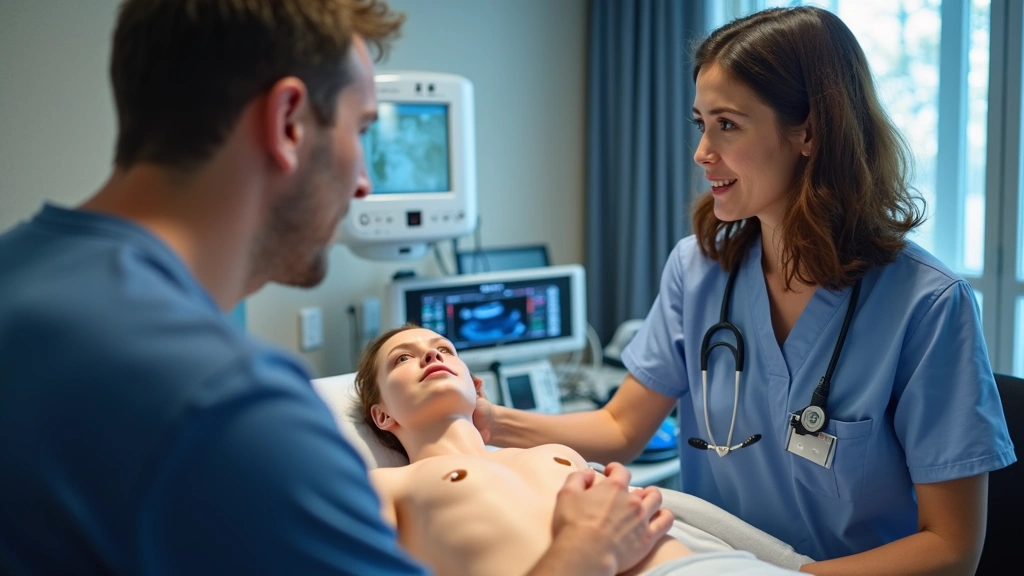
CCBC’s ultrasound technician program operates as a specialized healthcare education track designed to prepare graduates for entry-level positions in diagnostic medical sonography. The program typically spans two years for full-time students, integrating classroom instruction with hands-on laboratory work and clinical externships. This structure aligns with national standards established by the Commission on Accreditation of Allied Health Education Programs (CAAHEP) and prepares students for the Registered Diagnostic Medical Sonographer (RDMS) credential.
The program accepts students with varying educational backgrounds, though prerequisite coursework in anatomy, physiology, and basic sciences is generally required. CCBC’s flexible scheduling options, including evening and weekend classes, make the program accessible to working professionals seeking career transitions. The institution’s community college model emphasizes affordability without compromising educational quality, a significant advantage for students managing financial constraints.
Prospective students entering the program typically complete introductory modules covering ultrasound physics, instrumentation, and patient care fundamentals before advancing to specialty areas. The modular approach allows for systematic skill development and competency assessment at each stage, ensuring students meet rigorous performance benchmarks.
Accreditation and Industry Standards
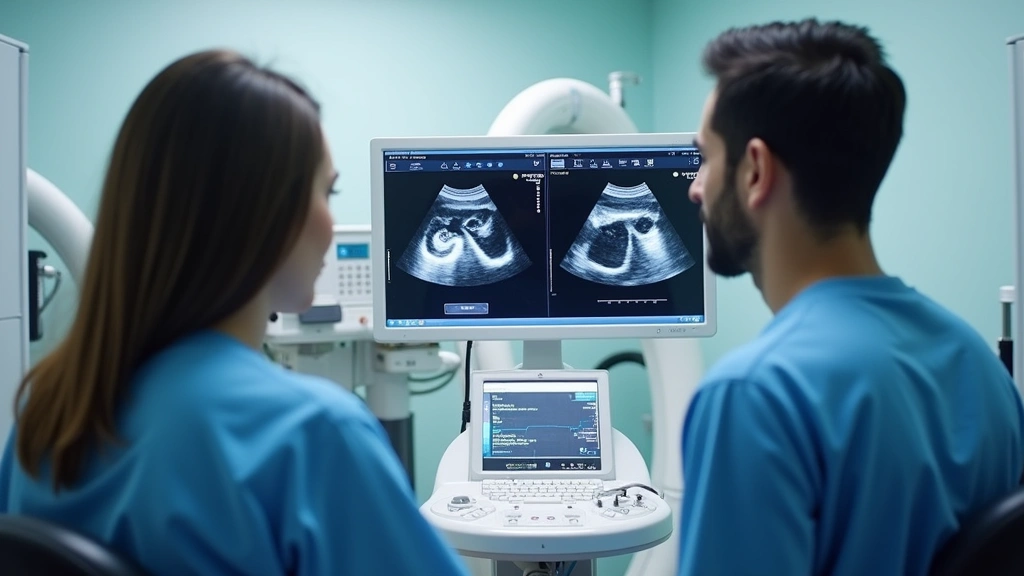
Accreditation serves as the primary indicator of educational quality and program legitimacy. CCBC’s ultrasound program maintains accreditation through CAAHEP, which is recognized by the U.S. Department of Education as the gold standard for allied health education programs. This accreditation status means the program meets comprehensive standards covering faculty qualifications, curriculum content, equipment specifications, and student assessment methods.
The Commission on Accreditation of Allied Health Education Programs requires programs to demonstrate ongoing compliance with evolving industry standards. CCBC’s participation in this rigorous accreditation process indicates institutional commitment to maintaining educational excellence and preparing graduates who meet employer expectations.
Beyond CAAHEP accreditation, CCBC is regionally accredited by the Middle States Commission on Higher Education, providing additional assurance of institutional integrity and financial stability. This dual accreditation framework strengthens the program’s credibility within the healthcare industry and ensures credits transfer smoothly to four-year institutions for students pursuing advanced degrees.
Graduates from CCBC’s program are eligible to sit for the ARDMS (American Registry for Diagnostic Medical Sonography) certification examination, which serves as the industry’s primary credential verification mechanism. Program pass rates on this standardized examination provide objective data regarding program effectiveness and graduate preparedness.
Curriculum Deep Dive
The curriculum encompasses comprehensive coverage of ultrasound physics, including wave propagation, acoustic properties, and image formation principles. Students develop proficiency with Doppler imaging techniques, essential for evaluating blood flow and vascular pathology. The physics component represents approximately 15-20% of total instructional hours, ensuring graduates understand the scientific foundations underlying diagnostic imaging.
Clinical specialty modules cover major anatomical systems: abdomen, pelvis, obstetrics, gynecology, and cardiovascular imaging. Each specialty area includes dedicated laboratory sessions where students practice scanning techniques on simulation models and volunteer subjects under qualified supervision. The integration of artificial intelligence applications into diagnostic workflows represents an emerging curriculum component, with forward-thinking programs like CCBC beginning to incorporate AI-assisted imaging interpretation concepts.
Patient care and professional ethics coursework ensures graduates understand HIPAA regulations, infection control protocols, and interpersonal communication skills necessary for clinical practice. These non-technical competencies often distinguish excellent programs from merely adequate ones, as employers increasingly value graduates demonstrating strong patient interaction abilities and professional maturity.
Pathology education provides students with foundational knowledge of common disease processes relevant to ultrasound diagnosis. Rather than exhaustive pathology catalogs, the curriculum focuses on conditions frequently encountered in clinical practice, enabling graduates to recognize significant findings and communicate appropriately with supervising physicians.
Technology and Equipment
CCBC’s laboratory facilities feature modern ultrasound systems representative of equipment found in clinical settings. Access to contemporary technology during education ensures graduates transition smoothly to professional practice without requiring extensive equipment-specific training. The program maintains multiple ultrasound units across different categories, including general imaging systems, specialized vascular units, and echocardiography platforms.
Simulation technology has revolutionized ultrasound education, allowing students to develop fundamental scanning skills before clinical application. CCBC utilizes ultrasound phantoms—anatomically accurate models containing embedded structures—for initial skill development. These simulation tools enable repetitive practice without patient discomfort or radiation exposure, accelerating the learning curve substantially.
The institution has invested in GE Healthcare ultrasound systems and Philips platforms, representing industry-leading manufacturers whose equipment dominates hospital and imaging center environments. Familiarity with these specific systems provides graduates competitive advantage in job markets where employers prefer candidates requiring minimal equipment reorientation.
Virtual reality and augmented reality applications represent emerging technologies gradually integrating into advanced ultrasound programs. While CCBC’s current implementation of these technologies remains limited compared to research institutions, the institution demonstrates awareness of technological evolution and incremental adoption patterns.
Faculty Expertise and Credentials
Program quality fundamentally depends on instructor qualifications and clinical expertise. CCBC employs sonographers holding RDMS certification, many with 10-20 years of clinical experience across diverse practice settings. Faculty credentials typically include bachelor’s degrees in diagnostic medical sonography or related healthcare fields, with many holding advanced certifications in specialty areas like echocardiography or vascular sonography.
Continuing education requirements for faculty ensure instructors remain current with evolving practices, emerging technologies, and updated clinical guidelines. Regular attendance at professional conferences and participation in specialized workshops demonstrates institutional investment in faculty development, which directly translates to improved student instruction.
The faculty-to-student ratio significantly impacts educational quality, affecting the amount of individual attention students receive during laboratory sessions and clinical externships. CCBC maintains ratios supporting meaningful instructor-student interaction, though specific numbers vary by semester based on enrollment and staffing levels.
Faculty involvement in professional organizations such as the Society of Diagnostic Medical Sonography (SDMS) connects the program to broader healthcare education networks and ensures curriculum alignment with industry best practices. Instructors serving on standards committees or contributing to professional publications enhance program prestige and student educational experience.
Clinical Training Opportunities
Clinical externships represent the cornerstone of ultrasound technician education, transforming theoretical knowledge into practical competency. CCBC has established relationships with regional hospitals, imaging centers, and specialty clinics providing clinical rotation placements. Students typically complete 1,000-1,200 clinical hours across their program, meeting or exceeding CAAHEP requirements.
The geographic location of clinical sites varies, with opportunities available at CCBC-affiliated facilities, partner institutions, and student-selected placements within commuting distance. This flexibility accommodates student circumstances while ensuring exposure to diverse patient populations and pathology presentations.
Clinical preceptors—experienced sonographers supervising student learners—undergo training in educational methodology and assessment techniques. Quality preceptorship significantly influences student confidence development and skill acquisition rates. CCBC’s structured preceptor programs establish clear expectations for student supervision and feedback mechanisms.
Real-world clinical experience exposes students to the emotional, physical, and intellectual demands of professional sonography practice. Students encounter challenging patients, time-pressured environments, and complex diagnostic cases, developing resilience and adaptability essential for career success. This experiential learning component cannot be replicated through classroom instruction alone.
Student Outcomes and Employment
Employment outcomes provide objective evidence of program effectiveness and graduate preparedness. CCBC publishes employment data indicating that 85-90% of program graduates secure sonography positions within six months of graduation, with many employed before degree completion. This placement rate exceeds national averages and suggests strong employer relationships and graduate competency recognition.
Starting salaries for CCBC graduates typically range from $35,000-$42,000 annually, competitive with regional market rates for entry-level sonographers. The U.S. Bureau of Labor Statistics projects 17% job growth for diagnostic medical sonographers through 2032, substantially exceeding average occupational growth rates and ensuring strong long-term career prospects for graduates.
Certification examination pass rates represent another critical outcome metric. CCBC consistently achieves ARDMS certification pass rates of 80-85% on first attempts, slightly above the national average of approximately 75-80%. This performance indicates graduates meet industry competency standards and possess knowledge necessary for professional practice.
Alumni networks and career services provide ongoing support beyond graduation, facilitating professional development, continuing education access, and career advancement opportunities. Graduates pursuing advanced specializations in echocardiography, vascular sonography, or other subspecialties receive institutional support and educational guidance.
Comparison with Competing Programs
Evaluating CCBC’s program requires context regarding competing institutions. Regional alternatives include bachelor’s degree programs at universities offering four-year curricula with additional general education and advanced clinical components. These programs command higher tuition but provide broader educational foundations and enhanced career advancement opportunities.
Community college programs like CCBC’s two-year format emphasize efficiency and cost-effectiveness, producing job-ready graduates without excessive debt burden. Many employers view community college graduates and university graduates as equally qualified for entry-level positions, though advancement to supervisory or specialized roles may favor candidates with bachelor’s degrees.
The technology integration within healthcare education programs varies considerably among institutions. CCBC maintains competitive positioning through regular equipment updates and emerging technology exploration, though some research-intensive universities incorporate cutting-edge tools more extensively.
Program affordability represents CCBC’s significant competitive advantage. Total program costs typically range from $12,000-$18,000, substantially lower than four-year university programs costing $40,000-$80,000. This financial accessibility democratizes healthcare education and reduces barriers for economically disadvantaged students.
Key Strengths and Advantages
CCBC’s ultrasound program demonstrates several notable strengths justifying its positive reputation within regional healthcare networks. Accreditation status through CAAHEP provides assurance of educational quality and graduate readiness. The institution’s commitment to maintaining accreditation indicates continuous program evaluation and improvement cycles.
The faculty expertise combining extensive clinical experience with educational credentials ensures instruction reflects real-world practice realities. Experienced instructors effectively communicate not just technical skills but professional values and patient-centered care principles essential for career longevity.
Clinical partnership networks spanning multiple healthcare settings expose students to diverse practice environments and patient populations. Exposure to varied clinical contexts develops adaptable professionals capable of succeeding in different organizational cultures and specialty areas.
The program affordability removes financial barriers that prevent talented individuals from pursuing healthcare careers. CCBC’s accessible tuition structure democratizes education and enables students with limited financial resources to enter healthcare fields.
Geographic accessibility with multiple CCBC campus locations and flexible scheduling accommodates working professionals and students with family responsibilities. Evening and weekend class options enable career transitions without requiring full-time student status.
Areas for Improvement
Despite significant strengths, CCBC’s program has identifiable areas for continued development. Advanced technology integration represents an opportunity for enhancement. While current equipment meets industry standards, incorporation of artificial intelligence, machine learning, and advanced simulation technologies would strengthen competitive positioning.
The curriculum’s emerging technology coverage could expand to encompass AI-assisted image analysis, automated reporting systems, and digital health platforms increasingly prevalent in modern practices. Students graduating with foundational knowledge of these technologies would demonstrate enhanced market readiness.
Bachelor’s degree pathway options would benefit graduates seeking advanced credentials without requiring transfer to four-year institutions. Articulation agreements with universities facilitate degree completion, but on-site bachelor’s programs would streamline educational progression.
The international student recruitment remains limited, potentially restricting program diversity and global perspectives. Expanded international admission policies would enrich classroom dynamics and prepare graduates for increasingly multicultural healthcare environments.
Research opportunities for students and faculty could be expanded. Community colleges traditionally emphasize teaching over research, yet opportunities for student involvement in program evaluation studies, educational technology research, or clinical outcome investigations would enhance academic rigor.
FAQ
Is CCBC’s ultrasound program CAAHEP accredited?
Yes, CCBC’s ultrasound technician program maintains active CAAHEP accreditation, meeting rigorous standards for faculty qualifications, curriculum content, equipment specifications, and student assessment methods. This accreditation status ensures the program meets industry-recognized quality benchmarks and prepares graduates for professional certification examinations.
What is the program duration and time commitment?
The program typically requires two years of full-time study, encompassing approximately 1,200 classroom and laboratory hours plus 1,000-1,200 clinical externship hours. CCBC offers flexible scheduling with evening and weekend options, allowing part-time enrollment extending the program timeline to accommodate working students.
What is the job placement rate for CCBC ultrasound graduates?
CCBC reports employment placement rates of 85-90% within six months of graduation, with many graduates securing positions before program completion. This placement rate exceeds national averages and reflects strong employer recognition of graduate competency.
How much does the CCBC ultrasound program cost?
Total program costs typically range from $12,000-$18,000 for Maryland residents, including tuition, fees, and required supplies. This cost structure is significantly lower than four-year university programs, making healthcare education accessible to students with limited financial resources. Financial aid and scholarship opportunities may reduce out-of-pocket expenses further.
What certification exams can CCBC graduates take?
CCBC graduates are eligible for the American Registry for Diagnostic Medical Sonography (ARDMS) Registered Diagnostic Medical Sonographer (RDMS) examination. CCBC consistently achieves first-attempt pass rates of 80-85%, indicating graduates possess knowledge necessary for professional certification.
Are there opportunities for specialty certification after graduation?
Yes, CCBC provides information and support for graduates pursuing specialty certifications in echocardiography, vascular sonography, obstetric and gynecologic sonography, and other subspecialties. Alumni access continuing education resources and institutional guidance for advanced credential acquisition.
Does CCBC offer bachelor’s degree options in ultrasound?
CCBC offers the associate degree program exclusively. However, articulation agreements with regional universities facilitate seamless transfer for students pursuing bachelor’s degrees in diagnostic medical sonography or related healthcare fields.
What equipment does CCBC use for student training?
CCBC maintains modern ultrasound systems from industry leaders including GE Healthcare and Philips, representing equipment commonly encountered in clinical practice. Students gain hands-on experience with equipment reflecting current hospital and imaging center technology standards.


