Central Vo Tech Sapulpa: Is It Right for Your Career?
Central Technology Center in Sapulpa, Oklahoma stands as a cornerstone institution for vocational and technical education in the region. Whether you’re a high school student exploring career pathways, an adult seeking skill development, or someone looking to transition into a new field, understanding what Central Vo Tech Sapulpa offers is essential for making an informed decision about your educational future. This comprehensive review examines the programs, facilities, instructor quality, student outcomes, and overall value proposition of this institution.
Vocational and technical education has experienced a significant resurgence as employers increasingly recognize the value of skilled trades and specialized technical expertise. Central Technology Center capitalizes on this demand by offering hands-on training in high-demand fields. The school’s commitment to bridging the gap between education and industry employment makes it a notable option for career-focused learners in Oklahoma and surrounding areas.

Program Offerings and Specializations
Central Technology Center in Sapulpa operates one of the most diverse program portfolios in the Oklahoma vocational education landscape. The institution offers training across multiple industries, including healthcare, information technology, construction trades, and manufacturing. Each program is designed with input from local employers to ensure curriculum relevance and graduate employability.
Healthcare programs represent a significant portion of the school’s offerings. Students can pursue certifications in nursing, medical assisting, phlebotomy, and dental hygiene. These programs are particularly valuable given the consistent demand for healthcare professionals across Oklahoma and the nation. The curriculum emphasizes both theoretical knowledge and practical clinical experience, preparing graduates for immediate workforce entry.
The information technology division provides training that aligns with current industry standards. Programs cover networking fundamentals, cybersecurity basics, and IT support specializations. Given the evolving landscape of technology infrastructure, these programs receive regular updates to reflect emerging industry practices and certification requirements.
Construction and skilled trades programs include electrical, plumbing, HVAC, and welding certifications. These traditionally strong vocational areas continue to see robust job market demand. Central Vo Tech Sapulpa’s construction programs benefit from partnerships with local contractors and construction companies, providing students with exposure to real-world project environments.
Manufacturing and industrial programs prepare students for roles in industrial maintenance, CNC machining, and production operations. These programs often lead to positions offering competitive wages and opportunities for advancement within manufacturing facilities throughout the region.

Facilities and Equipment Quality
The physical infrastructure and equipment available to students significantly impact the quality of vocational education. Central Technology Center maintains modern facilities equipped with industry-standard tools and machinery. This investment in infrastructure demonstrates the institution’s commitment to providing authentic training environments that mirror actual workplace conditions.
Healthcare simulation labs feature realistic medical equipment and patient simulation technology, allowing students to practice clinical procedures in controlled environments before working with actual patients. These labs replicate hospital and clinical settings, accelerating the learning curve and building student confidence.
The IT facilities include networked computer labs with current hardware and software configurations. Students work with equipment and operating systems they’ll encounter in professional settings, reducing the adjustment period when entering the workforce. The pathway to becoming a software developer or IT professional increasingly requires hands-on experience with contemporary systems, which these labs provide.
Construction trade areas feature full-scale training spaces where students build actual structures, practice electrical installations, and work with plumbing systems. This immersive approach to learning builds practical competency that transcends theoretical knowledge. The school’s partnership with industry suppliers ensures access to materials and equipment that professionals use daily.
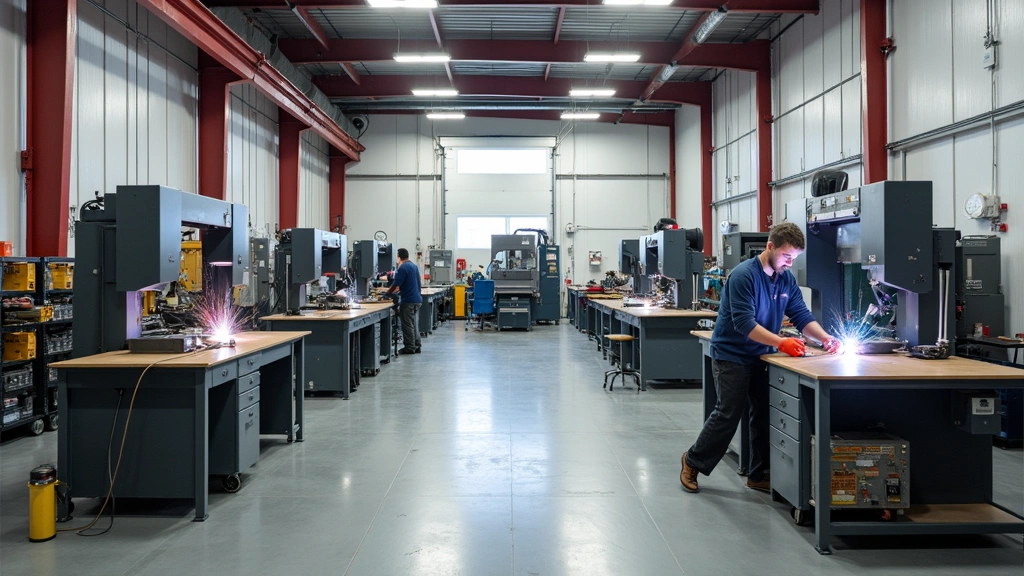
Manufacturing labs house CNC machines, welding stations, and industrial equipment that reflects current manufacturing technology. Students gain experience with automation and precision equipment, skills that command premium wages in the job market. Regular equipment maintenance and upgrades ensure students train on current rather than obsolete technology.
Instructor Expertise and Credentials
The quality of vocational education depends fundamentally on instructor expertise. Central Technology Center employs instructors with substantial industry experience, not merely teaching credentials. This distinction matters significantly—instructors who have worked in their respective fields bring practical insights that pure academicians cannot provide.
Healthcare instructors typically hold current licenses and certifications in their specialty areas. Many maintain part-time clinical positions or consulting relationships, keeping their skills current and bringing real-world healthcare scenarios into the classroom. This combination of teaching credentials and active industry involvement ensures relevant, contemporary instruction.
IT instructors often possess industry certifications such as CompTIA, Cisco, and Microsoft credentials. Many have worked in IT support roles, network administration, or cybersecurity positions before transitioning to education. This background enables them to teach not just technical concepts but also professional workplace practices and problem-solving methodologies.
Trades instructors represent the backbone of the school’s reputation. Electricians, plumbers, HVAC technicians, and welders with years of field experience teach these programs. Their ability to demonstrate techniques, explain industry standards, and share lessons learned from real projects creates an educational environment that accelerates student competency development.
The Tech Pulse Hunter Blog frequently discusses how industry expertise translates to better educational outcomes across technical fields. Central Vo Tech Sapulpa’s instructor composition reflects this principle, prioritizing practical experience alongside pedagogical training.
Student Support Services
Beyond classroom and lab instruction, comprehensive student support services distinguish quality vocational institutions. Central Technology Center provides academic advising, career counseling, and tutoring services designed to support student success throughout their educational journey.
Academic advisors help students select appropriate programs, plan course sequences, and navigate degree requirements. This guidance is particularly valuable for adult learners returning to education after extended absences or students uncertain about career direction.
Career services staff assist with resume development, interview preparation, and job search strategies. Many vocational programs culminate in job placement assistance, with career counselors actively connecting graduates with employer partners. This bridge between education and employment represents a critical success factor for vocational institutions.
Financial aid advisors help students understand available funding options, complete financial aid applications, and explore scholarship opportunities. The cost barrier prevents many qualified candidates from pursuing vocational training, making financial aid counseling essential to access and equity.
Student support extends to accommodations for learners with disabilities. Central Technology Center works with students requiring accessibility modifications, ensuring that physical disabilities or learning differences don’t prevent access to quality vocational training.
Job Placement and Career Outcomes
The ultimate measure of vocational education quality is graduate employment outcomes. Central Technology Center publishes job placement data showing the percentage of graduates employed in their field of study within specified timeframes after graduation.
Healthcare program graduates consistently achieve high placement rates, reflecting strong regional demand for medical professionals. Many graduates secure employment before completing their programs, with employers actively recruiting from the school’s healthcare cohorts. Wage data for healthcare graduates typically shows competitive starting salaries with growth potential as practitioners gain experience and credentials.
IT program graduates enter a competitive but expanding job market. The transformation of technology through artificial intelligence applications creates both challenges and opportunities for IT professionals. Central Vo Tech Sapulpa’s IT graduates report successful placement in help desk, network support, and IT administration roles, with opportunities to specialize further in cybersecurity or system administration.
Trades program graduates experience exceptionally strong employment outcomes. The skilled trades face persistent worker shortages, creating favorable conditions for new graduates. Electricians, plumbers, and HVAC technicians from Central Technology Center typically secure employment quickly, often at apprenticeship wages that match or exceed associate degree program outcomes.
Manufacturing program graduates find positions with local and regional manufacturing employers. Wage progression in manufacturing often exceeds initial expectations, particularly for employees who develop specialized skills in CNC programming or advanced machining techniques.
Alumni networks and employer partnerships strengthen over time, creating pathways for continuous learning and career advancement. Many graduates return for advanced certifications or specialized training as their careers progress, demonstrating the school’s value throughout professional lifespans.
Cost and Financial Aid Options
Affordability represents a significant advantage of vocational education compared to traditional four-year degree programs. Central Technology Center’s tuition costs substantially less than university programs, reducing student debt burden and accelerating return on educational investment.
Program length varies, with some certifications requiring less than one year of full-time study while others span two years. Shorter programs enable faster entry into the workforce, allowing graduates to begin earning and accumulating professional experience sooner than four-year degree holders.
Financial aid options include federal Pell Grants, federal student loans, and state aid programs. Many students combine these funding sources with scholarships and employer sponsorship programs. Some employers offer tuition reimbursement for employees pursuing relevant certifications or programs.
Work-study opportunities sometimes exist, allowing students to offset costs while gaining additional work experience. Some programs offer evening or weekend options, enabling employed individuals to pursue training without leaving their current positions.
The total cost of attendance—including tuition, fees, books, and supplies—typically remains well below four-year university programs. For students calculating return on investment, vocational training often produces superior financial outcomes, particularly in skilled trades where wage premiums are substantial.
Campus Culture and Student Experience
The student experience at vocational institutions differs significantly from traditional college environments. Central Technology Center’s culture emphasizes practical achievement, professional development, and career readiness over traditional academic pursuits.
Class sizes tend to be smaller than university courses, particularly in lab and hands-on instruction settings. This ratio enables more individualized attention and faster feedback on student progress. Instructors can identify struggling students early and provide targeted support.
Student cohorts often include diverse age ranges—high school graduates alongside adult learners returning to education. This demographic mix creates interesting peer learning opportunities and exposes younger students to adult perspectives on education and career development.
Professional dress codes or industry-appropriate attire often apply in trades and healthcare programs, establishing workplace norms early in students’ careers. This professionalization of the learning environment supports the transition from student to employee.
The emphasis on hands-on learning appeals to kinesthetic learners who struggle in traditional lecture-based academic settings. Many students report that vocational education’s practical orientation finally allows them to succeed academically after years of frustration with conventional schooling.
Extracurricular activities may be limited compared to traditional colleges, reflecting the focused, career-oriented mission of vocational institutions. However, professional organizations and industry competitions sometimes provide enrichment opportunities for motivated students.
Comparison with Other Oklahoma Tech Schools
Oklahoma hosts several vocational and technical education institutions. Understanding how Central Technology Center compares to alternatives helps prospective students make informed decisions.
Tulsa Technology Center represents another major regional vocational provider. Both institutions offer similar program breadth, but Central Vo Tech Sapulpa’s Sapulpa location may offer advantages for students in that geographic area, reducing commute times and supporting better attendance and engagement.
Moore Norman Technology Center and other regional technical schools serve different geographic areas. Prospective students should evaluate proximity, specific program availability, facility quality, and employment outcomes for their particular interests.
The best tech stocks and companies increasingly emphasize technical skills in their hiring criteria, making vocational training from reputable institutions more valuable. Employers recognize credentials from established technical schools, and Central Technology Center’s reputation in Oklahoma supports graduate employability.
Some students consider hybrid approaches, combining vocational training with online learning or part-time enrollment. Central Technology Center’s flexibility in program delivery options accommodates various student circumstances and learning preferences.
Regional economic factors influence program relevance and employment outcomes. Central Technology Center’s location in the Sapulpa area, with proximity to manufacturing, healthcare, and construction industries, ensures program alignment with local economic opportunities.
Industry Partnerships and Employer Relationships
Successful vocational institutions maintain strong connections with employers in their service region. Central Technology Center’s employer partnerships influence curriculum development, provide equipment donations, and create direct pathways to graduate employment.
Advisory committees comprising industry professionals guide program development, ensuring curriculum reflects current workplace requirements and emerging industry trends. These partnerships prevent vocational programs from becoming outdated and maintain relevance to employer needs.
Equipment donations from industry partners enable schools to provide current technology without exhausting educational budgets. Manufacturers often donate or heavily discount equipment when schools commit to training operators and maintenance technicians.
Guest speakers from industry bring real-world perspectives to classroom instruction. Students benefit from hearing directly about career paths, workplace challenges, and professional development opportunities from practicing professionals.
Internship and apprenticeship placements connect students with employers before graduation. These experiences provide resume-building opportunities, professional networking, and often lead to permanent employment offers upon graduation.
The technology in renewable energy innovations represents an emerging industry area where vocational training becomes increasingly relevant. Some technical schools develop programs in solar installation, wind turbine maintenance, and renewable energy systems, positioning graduates for emerging industry opportunities.
Accreditation and Quality Assurance
Institutional accreditation ensures that Central Technology Center meets established quality standards and maintains accountability to students and the public. Accredited institutions must undergo regular evaluation and demonstrate educational effectiveness.
Program-specific accreditations from industry bodies such as the National League for Nursing (healthcare programs) or CompTIA (IT programs) provide additional assurance of quality and curriculum alignment with industry standards.
Accreditation affects student financial aid eligibility, with federal aid requiring institutional accreditation. Accredited programs also carry greater weight with employers, who recognize that graduates have met established competency standards.
Quality improvement processes at accredited institutions include regular assessment of student learning outcomes, curriculum evaluation, and continuous improvement initiatives. These systematic approaches to quality support ongoing enhancement of educational effectiveness.
Admission Requirements and Getting Started
Central Technology Center’s admission requirements typically include high school graduation or GED completion. Some programs have additional prerequisites or assessment requirements to ensure students possess foundational skills for success.
Adult learners without traditional credentials may qualify through alternative pathways or skills assessments. The school’s commitment to access recognizes that talented individuals sometimes lack conventional educational credentials.
Application processes are generally straightforward, with guidance available from admissions staff. Early application helps secure spots in popular programs, particularly those with enrollment limits based on facility capacity.
Orientation programs introduce new students to campus facilities, academic policies, and support services. These initial experiences set the tone for student success and help learners acclimate to the vocational education environment.
Financial aid applications should be completed early to maximize available funding. FAFSA completion is typically the first step in accessing federal financial aid, with staff available to assist throughout the process.
Advanced Certifications and Continuing Education
Career development doesn’t end with initial certification. Central Technology Center often offers advanced certifications and specialized training for graduates and working professionals seeking skill enhancement.
Healthcare professionals can pursue advanced certifications in specialized areas, building on foundational credentials. Registered Nurse (RN) programs sometimes build on Associate Nurse programs, creating pathways for credential advancement.
IT professionals can pursue advanced certifications in cybersecurity, network administration, or specialized technologies. The rapidly evolving technology landscape creates continuous demand for professional development and skill updates.
Trades workers often pursue advanced certifications such as master electrician or journeyman credentials that require supervised experience combined with formal instruction. Technical schools support this progression through advanced coursework and exam preparation.
Manufacturing professionals can develop expertise in specialized areas such as CNC programming, advanced machining, or industrial automation. These advanced skills command premium wages and create career advancement opportunities.
FAQ
What programs does Central Technology Center Sapulpa offer?
Central Vo Tech Sapulpa offers programs across healthcare, information technology, construction trades, manufacturing, and other high-demand fields. Specific programs include nursing, medical assisting, IT support, electrical, plumbing, HVAC, welding, and CNC machining, among others.
How long do programs typically take?
Program length varies significantly. Some certificate programs require six months to one year of full-time study, while others span two years. Students should verify specific program durations during the application process.
What is the job placement rate for graduates?
Job placement rates vary by program but generally exceed 85% within six months of graduation. Healthcare and trades programs typically show the strongest placement outcomes. Prospective students should request specific placement data for programs of interest.
What financial aid options are available?
Central Technology Center students can access federal Pell Grants, federal student loans, state aid programs, and institutional scholarships. Many students combine multiple funding sources to cover costs. Financial aid staff can provide detailed information about available options.
Do you offer evening or weekend classes?
Some programs offer evening or weekend options to accommodate working students. Availability varies by program, so prospective students should inquire about flexible scheduling for their area of interest.
What are the admission requirements?
Basic admission typically requires high school graduation or GED completion. Some programs have additional prerequisites or placement assessments. Adult learners without traditional credentials may qualify through alternative pathways.
How does Central Vo Tech Sapulpa compare to other Oklahoma technical schools?
Central Technology Center compares favorably to other Oklahoma vocational institutions in terms of program breadth, facility quality, and employment outcomes. Geographic location, specific program availability, and individual learning preferences should guide comparison decisions.
Can I work while attending vocational programs?
Many students successfully balance work and vocational study, particularly in evening or weekend programs. Full-time day programs require substantial time commitment, making simultaneous full-time work challenging. Students should discuss their circumstances with academic advisors.
What support services are available for students?
Central Technology Center provides academic advising, career counseling, tutoring, financial aid assistance, and accommodations for students with disabilities. Support services help students succeed academically and transition to employment.
How current is the equipment and technology used in training?
The school maintains modern equipment reflecting current industry standards. Regular upgrades and industry partnerships ensure students train on contemporary rather than obsolete technology, supporting immediate workplace readiness.


