
Is Okta the Best for Secure Logins? Expert Opinion on Identity Management
In an era where cyber threats evolve faster than security patches can deploy, choosing the right identity and access management platform has become mission-critical for enterprises. Okta has emerged as a heavyweight contender in the secure login space, but is it truly the best solution for your organization? This comprehensive review examines Okta’s capabilities, competitive positioning, and real-world performance to help you make an informed decision about your authentication infrastructure.
The identity management landscape has transformed dramatically over the past five years. Traditional on-premise directory services like Active Directory have given way to cloud-native solutions that prioritize flexibility, scalability, and security. Okta positioned itself at the forefront of this transition, building a platform specifically designed for modern hybrid and cloud environments. However, competitors like Microsoft Entra ID, Ping Identity, and others have refined their offerings substantially, making this a genuinely competitive market.

What Okta Actually Does in the Authentication Stack
Okta functions as an identity platform that sits between your users and applications, managing authentication and authorization across your entire digital ecosystem. Think of it as a sophisticated gatekeeper that verifies who users are, confirms they should access specific resources, and logs everything for compliance purposes.
The platform handles several critical functions simultaneously: single sign-on (SSO) capabilities that let users authenticate once and access multiple applications, multi-factor authentication (MFA) for additional security layers, and lifecycle management that provisions and deprovisits user accounts automatically. When you’re evaluating cloud computing solutions for your business, identity management becomes a foundational component.
Okta’s architecture leverages cloud infrastructure to provide global redundancy and uptime guarantees. Unlike traditional directory services that require on-premise servers, Okta operates entirely in the cloud, eliminating hardware maintenance while providing 99.99% uptime SLA guarantees. The platform connects to your existing applications through API integrations, supporting everything from legacy monoliths to modern microservices architectures.
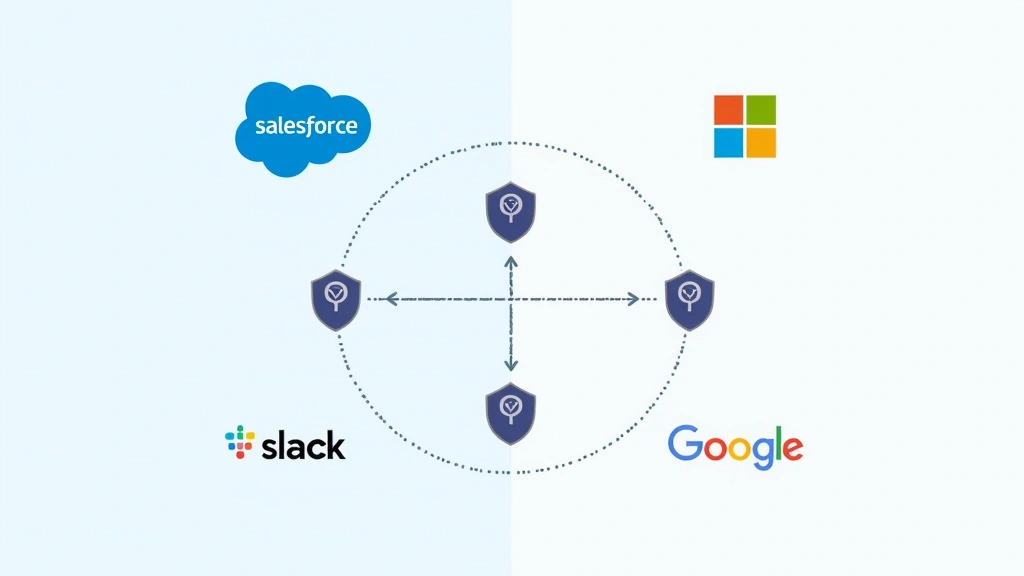
The system employs a hub-and-spoke model where Okta serves as the central hub managing identity information and authentication decisions. Applications and resources connect as spokes, querying Okta whenever they need to verify user credentials or permissions. This architecture simplifies security management since you’re controlling access from a single pane of glass rather than managing authentication across dozens of disparate systems.
Core Features and Technical Capabilities
Single Sign-On (SSO) represents Okta’s flagship feature. Once users authenticate through Okta, they receive a session token that grants access to all connected applications without re-entering credentials. The implementation supports industry-standard protocols including SAML, OAuth 2.0, and OpenID Connect, ensuring compatibility with virtually any modern application. Okta’s security documentation details how their SSO implementation prevents session hijacking and credential exposure.
Multi-Factor Authentication (MFA) goes beyond simple password verification. Okta supports authentication factors including hardware security keys (FIDO2), push notifications to mobile devices, time-based one-time passwords (TOTP), SMS codes, and biometric verification. The platform intelligently adapts authentication requirements based on risk assessment, implementing adaptive MFA that demands additional verification when suspicious login patterns emerge.
User Lifecycle Management automates the provisioning and deprovisioning of user accounts across your application ecosystem. When a new employee joins, HR systems can trigger automatic account creation across all connected applications. Similarly, when employees leave, Okta ensures their access terminates simultaneously across every resource. This automation dramatically reduces security gaps created by manual off-boarding processes.
API Access Management extends beyond traditional user authentication to secure service-to-service communication. As enterprises embrace microservices and containerized architectures, applications need to authenticate to each other securely. Okta’s API management capabilities provide OAuth 2.0 authorization servers, token management, and API gateway integration for this emerging use case.
Passwordless Authentication represents the platform’s forward-thinking approach to security. Okta supports multiple passwordless methods including biometric verification, hardware security keys, and magic links sent via email or SMS. This addresses the fundamental weakness of password-based authentication: users choosing weak passwords or reusing credentials across multiple services.
Security Architecture and Compliance
Okta’s security posture reflects the company’s foundational commitment to identity protection. The platform implements encryption in transit using TLS 1.2 or higher for all data moving between clients and Okta servers. Data at rest undergoes encryption using AES-256, with encryption keys managed through hardware security modules (HSMs) in Okta’s data centers.
The company maintains SOC 2 Type II certification, demonstrating independent auditor verification of their security controls, availability, and operational integrity. Additionally, Okta holds compliance certifications including ISO 27001, FedRAMP authorization (for government agencies), and HIPAA compliance capabilities for healthcare organizations.
Okta’s infrastructure distributes across multiple geographic regions with automatic failover capabilities. If a data center experiences issues, the system automatically routes traffic to redundant facilities, ensuring continuous service availability. The company publishes detailed trust documentation and security compliance information for customer transparency.
The platform implements comprehensive audit logging that captures every authentication attempt, access decision, and administrative action. These logs provide essential forensic data for security incident investigations and compliance reporting. Organizations can export audit data to security information and event management (SIEM) systems for centralized security monitoring.
Okta vs. Competitors: Head-to-Head Comparison
Okta vs. Microsoft Entra ID (formerly Azure AD)
Microsoft Entra ID holds significant advantages for organizations already invested in Microsoft ecosystems. If your company runs Exchange Online, Microsoft 365, Teams, and SharePoint, Entra ID integrates seamlessly with native deep functionality. Entra ID typically costs less for Microsoft-heavy environments, and organizations already paying for Microsoft licenses can access Entra ID capabilities included in their subscriptions.
However, Okta excels in multi-cloud and heterogeneous environments. If your applications span AWS, Google Cloud, Azure, and on-premise infrastructure, Okta provides more neutral ground for identity management. Okta’s user interface and developer experience also receive consistent praise as more intuitive than Entra ID’s legacy interfaces.
Okta vs. Ping Identity
Ping Identity serves enterprises requiring highly customizable authentication flows and complex authorization policies. Ping excels at sophisticated use cases like customer identity and access management (CIAM) where you’re managing identities for external users rather than employees.
Okta provides better out-of-the-box functionality and requires less customization for standard enterprise use cases. Ping Identity demands more technical expertise and typically involves longer implementation timelines. For organizations seeking fast deployment with minimal customization, Okta usually wins.
Okta vs. Auth0
Auth0 specializes in developer-friendly authentication, particularly for consumer and CIAM applications. The platform emphasizes ease of integration with detailed documentation and SDKs for virtually every programming language.
Okta targets enterprise customers requiring comprehensive identity governance, while Auth0 focuses on developers building applications requiring authentication. The platforms serve different market segments, though Auth0’s acquisition by Okta has blurred these distinctions somewhat. For enterprise identity governance, Okta remains the stronger choice.
When comparing identity solutions, consider that you’re not just evaluating authentication technology but investing in modern security infrastructure that increasingly incorporates AI for threat detection.
Implementation, Integration, and Developer Experience
Okta’s integration ecosystem represents one of its strongest competitive advantages. The company maintains integration partnerships with over 7,000 applications, providing pre-built connectors for popular SaaS platforms. Whether you’re connecting Salesforce, ServiceNow, Slack, or hundreds of other applications, Okta likely provides a ready-made integration requiring minimal configuration.
For custom applications, Okta’s developer documentation and SDK availability facilitate straightforward integration. The platform provides SDKs for JavaScript, Java, Python, Go, .NET, and other popular languages. The Okta developer platform includes comprehensive API documentation, sample code, and community forums where developers troubleshoot implementation challenges.
Implementation timelines vary based on organizational complexity. Simple deployments with 100-200 users and a handful of applications might complete in 2-4 weeks. Enterprise deployments with thousands of users, complex authorization requirements, and extensive application portfolios can require 3-6 months including planning, configuration, testing, and gradual rollout.
Okta provides professional services to assist with complex implementations, though these services add to total project costs. Organizations with strong internal technical teams can often reduce reliance on professional services, lowering implementation expenses.
The platform’s administrative interface balances power and usability. IT administrators can configure authentication policies, manage user provisioning rules, and monitor security events through a web-based dashboard. The interface doesn’t require programming knowledge for standard configurations, though advanced customization benefits from JavaScript expertise for custom authentication flows.
Pricing Models and Total Cost of Ownership
Okta employs a per-user, per-month pricing model with tiered editions offering increasing functionality. The Structure typically breaks down as follows:
- Okta Suite: Entry-level offering providing SSO, basic MFA, and user provisioning. Ideal for small organizations or departments piloting identity management.
- Okta Identity Governance: Mid-tier option adding advanced access governance, compliance management, and audit capabilities. Suitable for growing enterprises with regulatory requirements.
- Okta Customer Identity Cloud: Specialized offering for organizations managing external user identities, particularly relevant for SaaS companies and consumer platforms.
Pricing typically ranges from $2-12 per user monthly depending on the edition and volume commitments, with three-year contracts offering better per-user rates than month-to-month arrangements. Organizations with 1,000+ users can often negotiate custom pricing.
Total cost of ownership extends beyond subscription fees to include implementation services, internal staff training, and ongoing support. A rough estimate for a mid-sized organization (500-1,000 users) might total $50,000-$150,000 annually including subscription, professional services amortized over multi-year contracts, and internal resource allocation.
Comparing this to building custom identity solutions requiring development teams, Okta’s ROI becomes apparent. The platform eliminates months of development work and the ongoing maintenance burden of custom authentication systems.
Real-World Performance and User Reviews
Okta maintains strong market reputation among enterprise IT organizations. Gartner consistently positions Okta in the Leaders quadrant of the Identity and Access Management Magic Quadrant, recognizing both their technical capabilities and market execution. Forrester similarly rates Okta highly for completeness of vision and ability to execute.
Customer reviews on G2 Crowd average 4.2/5 stars from hundreds of verified users. Common praise centers on the platform’s ease of use, extensive integrations, and reliable uptime. Frequent criticisms mention higher pricing compared to some competitors and occasional complexity in advanced customization scenarios.
Organizations like Slack, Box, and Datadog publicly reference Okta as critical infrastructure for their authentication and identity management. These enterprise customers validate Okta’s ability to scale to significant user populations while maintaining security and reliability.
Real-world performance data shows Okta consistently achieves their 99.99% uptime SLA. The company publishes monthly status reports documenting system performance. Authentication requests typically complete in milliseconds, with minimal latency impact on user login experiences.
One notable consideration: Okta experienced a significant security breach in 2022 when attackers compromised a support engineer’s account, potentially accessing customer data. While the company handled the incident transparently and improved security practices, this incident demonstrates that even mature security companies face sophisticated threats.
The platform’s scalability accommodates organizations from startups to Fortune 500 companies. Whether managing 50 users or 500,000 users, Okta’s cloud infrastructure scales transparently without requiring architectural changes or performance degradation.
When evaluating identity platforms for technical teams, consider reviewing resources like recent technology industry news and updates for the latest security developments affecting identity management.
FAQ
Is Okta suitable for small businesses with limited IT staff?
Okta can work for small businesses, though the per-user pricing model means costs scale with organization size. Organizations with fewer than 50 employees might find alternatives like Auth0 or smaller identity providers more cost-effective. However, if you anticipate rapid growth or require enterprise-grade security, Okta’s investment pays dividends as you scale.
How does Okta handle on-premise applications?
Okta provides Okta Application Gateway, a lightweight proxy that enables SSO for on-premise applications without exposing them to the internet. This solution works for legacy applications that can’t be migrated to cloud platforms, extending Okta’s authentication capabilities to your entire application portfolio.
Can Okta replace my existing directory service like Active Directory?
Okta can supplement Active Directory but typically doesn’t completely replace it in hybrid environments. Many organizations maintain Active Directory for on-premise Windows infrastructure while using Okta for cloud applications and modern authentication. Okta can sync user information with Active Directory, creating a unified identity source.
What happens if Okta experiences an outage?
While Okta maintains 99.99% uptime SLA, outages do occur. Organizations should implement fallback authentication mechanisms for critical systems. Some companies maintain local caching of Okta sessions or secondary authentication methods for brief Okta unavailability.
How does Okta compare for compliance-heavy industries like healthcare and finance?
Okta provides HIPAA, FedRAMP, and SOC 2 Type II compliance certifications making it suitable for regulated industries. However, compliance requirements vary significantly by organization. You should conduct thorough compliance assessment with your legal and security teams before finalizing any identity platform selection.
Can users access Okta from outside corporate networks?
Yes, Okta’s cloud architecture enables secure access from anywhere with internet connectivity. The platform implements adaptive MFA that increases security requirements for unusual access patterns, such as logins from unexpected geographic locations or devices.


