North Metro Campus: Top Tech Gadgets Reviewed for Students and Professionals
The North Metro Campus tech landscape is evolving rapidly, with students and professionals demanding cutting-edge gadgets that enhance productivity, learning, and innovation. Whether you’re attending lectures, working on collaborative projects, or developing the next breakthrough application, having the right technology makes all the difference. This comprehensive guide reviews the essential tech gadgets that define the modern campus experience, from powerful laptops to wireless peripherals and AI-powered tools.
In today’s digital-first educational environment, technology isn’t just a convenience—it’s a necessity. The right gadgets can streamline your workflow, improve focus, and give you competitive advantages in both academics and career development. We’ve tested and analyzed the top performers available to North Metro Campus users, considering factors like performance, durability, value, and real-world usability.
Best Laptops for Campus Success
When selecting a laptop for North Metro Campus, you’re looking at a device that needs to handle everything from note-taking to demanding software development projects. The best laptops for students in 2025 combine portability, processing power, and battery longevity—three critical factors for campus life.
The MacBook Air M3 continues to dominate the campus scene with its exceptional performance-to-weight ratio. Weighing just 2.7 pounds, this ultrabook delivers desktop-class performance through Apple’s efficient chip architecture. Students working with video editing, 3D modeling, or machine learning projects benefit from the 8-core CPU and 10-core GPU configuration. Battery life consistently exceeds 15 hours during typical academic workloads, making it ideal for all-day campus sessions without searching for power outlets.
For Windows users, the Dell XPS 13 Plus represents the pinnacle of portable computing. Its 13.4-inch OLED display delivers vibrant colors essential for design work and multimedia projects. The latest generation features Intel’s Core Ultra processors, offering excellent single-threaded performance for coding and document editing. The minimalist design and edge-to-edge keyboard make it a standout choice for professional presentations and group work.
Budget-conscious students should consider the Lenovo ThinkBook 14. Priced competitively, it doesn’t compromise on build quality or performance. The 14-inch IPS display provides comfortable viewing angles for extended study sessions, and the keyboard is genuinely excellent for all-day typing. With up to 16GB RAM and 512GB SSD configurations, it handles multitasking effortlessly. Learn more about how to upgrade laptop memory to future-proof your investment.
The ASUS ROG Zephyrus G14 caters to students needing gaming capabilities alongside academic work. Its compact 14-inch form factor belies serious gaming prowess, with RTX 4070 graphics handling both AAA titles and GPU-accelerated scientific computing. The 240Hz display provides ultra-smooth visuals, while the thermal management system keeps noise levels manageable during intensive tasks.

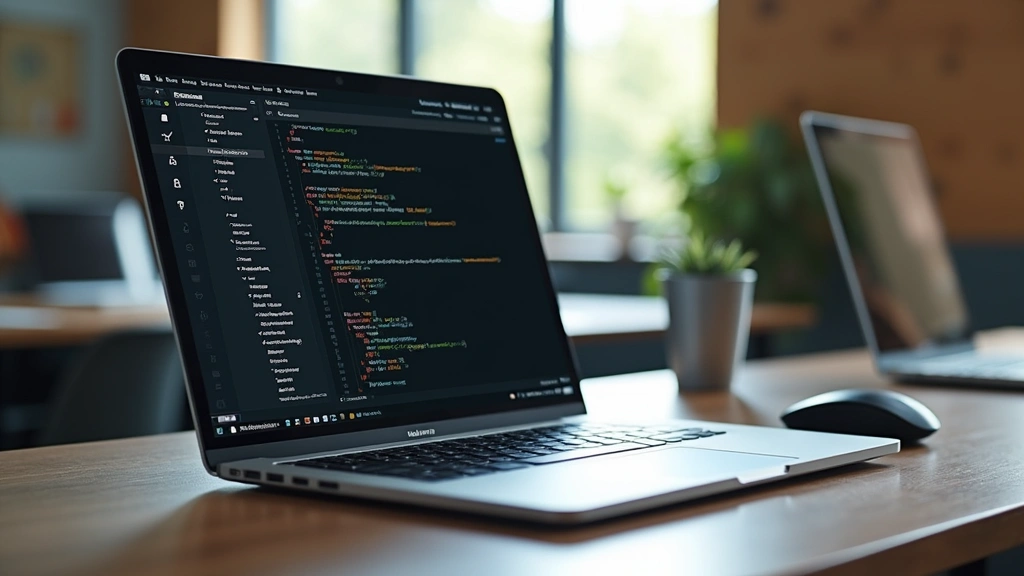
” alt=”High-performance laptop displaying code editor and design software on vibrant display in campus library setting”>
Wireless Peripherals and Accessories
A laptop alone doesn’t constitute a complete tech setup. Quality peripherals significantly impact productivity and comfort during long study sessions. North Metro Campus students benefit from investing in wireless solutions that reduce cable clutter and increase flexibility.
The Logitech MX Master 3S wireless mouse has become the gold standard for productivity-focused users. Its precision tracking, customizable buttons, and cross-device compatibility make it invaluable for students juggling multiple projects. The ergonomic design reduces strain during marathon coding sessions or research paper writing. The MagSpeed electromagnetic scrolling allows rapid document navigation, a game-changer when reviewing lengthy academic papers or scrolling through code repositories.
Mechanical keyboards deserve serious consideration for campus work. The Keychron K8 Pro offers excellent key travel, satisfying tactile feedback, and wireless connectivity via Bluetooth or USB-C. The aluminum frame provides durability for years of daily use, while the hot-swappable switches allow customization. Students spending 6+ hours daily typing benefit enormously from quality mechanical keyboards that reduce fatigue and typing errors.
For note-taking and creative work, the iPad Pro with Apple Pencil Pro provides unmatched responsiveness. The 120Hz display and advanced pressure sensitivity make digital sketching and handwritten notes feel natural. Integration with macOS and iOS devices streamlines workflows—notes sync instantly across devices, enabling seamless transitions between laptop and tablet work.
The Anker 737 Power Bank (PowerCore Stack) addresses the critical challenge of campus mobility. With 50,000mAh capacity and multiple output ports, it charges laptops, phones, and tablets simultaneously. The modular design allows stacking for increased capacity or using individual units as needed. For North Metro Campus students constantly moving between buildings, this represents genuine peace of mind.
Productivity-Focused Gadgets
Beyond traditional computers, specialized gadgets enhance specific academic and professional tasks. These tools address particular workflows common among North Metro Campus users.
Smart displays like the Amazon Echo Show 15 serve as command centers for campus life. The large 15-inch display manages schedules, displays weather, and controls smart home systems in dorm rooms. Voice control allows hands-free operation while studying, reducing distractions from phone usage. The ability to display multiple information streams simultaneously helps students stay organized without constant device switching.
The Remarkable 2 e-ink tablet revolutionizes note-taking for those preferring digital-first workflows. The paper-like writing experience rivals actual pen and paper, while digital organization eliminates the chaos of physical notebooks. The device syncs with cloud storage, ensuring notes remain accessible across all devices. Students in STEM fields appreciate the handwriting-to-text conversion, instantly transforming sketches and equations into searchable digital content.
Explore how to learn coding fast with practical strategies enhanced by specialized gadgets. Programmable mechanical keyboards with custom macros streamline development workflows. The Elgato Stream Deck Mini provides one-touch access to frequently used applications, compiling code, and testing scripts—saving precious seconds during development marathons.
The Anker Innovations portable monitor (Anker 765 4K USB-C) extends your workspace anywhere on campus. The 15.6-inch 4K display connects via single USB-C cable, eliminating cable management headaches. Students can review code on a secondary display while maintaining primary focus on their laptop, dramatically improving coding efficiency. During group projects, the external monitor facilitates better collaboration by displaying shared content at larger sizes.
Audio and Communication Tools
Quality audio equipment proves essential for online lectures, video calls, and focused study sessions. North Metro Campus users increasingly rely on high-quality audio solutions.
The Sony WH-1000XM5 wireless headphones set the industry standard for noise cancellation and audio quality. The adaptive noise cancellation intelligently adjusts to your environment—perfect for transitioning from noisy campus corridors to quiet library study zones. The 30-hour battery life easily covers multiple days of use, and the touch controls provide intuitive operation. For students attending virtual lectures or participating in study groups via video calls, the excellent microphone quality ensures clear communication.
The Rode Wireless GO II compact wireless microphone system transforms laptops into professional recording and streaming stations. Students creating educational content, presenting research, or streaming lectures benefit from the broadcast-quality audio. The dual-channel capability records backup tracks, ensuring critical content never gets lost due to technical issues. The compact design fits easily in backpacks, making it portable for on-campus presentations.
For immersive study sessions, the Apple AirPods Pro (2nd generation) combine convenience with quality. The active noise cancellation creates focused study environments, while transparency mode lets you stay aware of surroundings during breaks. The seamless integration with Apple devices eliminates pairing frustrations. The spatial audio feature, while entertainment-focused, enhances educational video content and online lectures.
The Blue Yeti X USB microphone serves students creating content or participating in professional video calls. The cardioid polar pattern isolates your voice while minimizing background noise—critical for dorm room recording sessions. Four programmable gain knobs provide quick adjustments without software manipulation, and the built-in shock mount reduces vibration noise from typing.
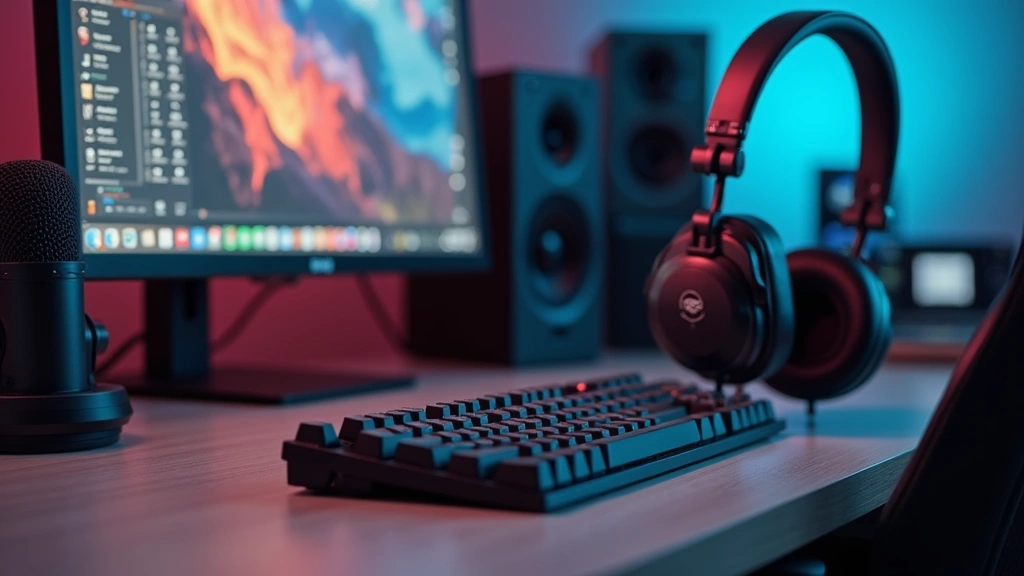
” alt=”Professional audio setup with wireless headphones, USB microphone, and mechanical keyboard arranged on clean desk workspace”>
Mobile Devices and Tablets
Smartphones and tablets complement laptops, enabling productivity and learning outside traditional workspace settings. North Metro Campus students benefit from strategic mobile device choices.
The iPhone 15 Pro Max provides exceptional photography and video capabilities crucial for research documentation and content creation. The computational photography features automatically enhance images, while the ProRAW format preserves maximum editing flexibility. Students in biology, chemistry, or environmental science can document lab work with professional-grade results. The always-on display shows calendar events and reminders without full wake-ups, keeping you informed during study sessions.
The Samsung Galaxy Tab S9 Ultra represents the pinnacle of Android tablets for productivity. The 14.6-inch display rivals small laptops for content consumption and creation. The S Pen’s 70,000 pressure points enable precise digital art and note-taking. DeX mode transforms the tablet into a desktop-like environment when connected to external displays, enabling true productivity workstations in dorm rooms or libraries.
The Google Pixel 8 Pro emphasizes computational photography and AI integration. Magic Eraser removes unwanted objects from photos, while Real Tone ensures accurate skin tone representation—important for diverse campus populations. The AI-powered call screening filters spam calls, and the recording transcription automatically generates searchable text from voice memos and lectures.
Tech Setup Optimization
Assembling individual gadgets into a cohesive, efficient system requires strategic planning. North Metro Campus users should consider how different devices integrate.
Explore artificial intelligence applications transforming productivity workflows across your tech stack. AI-powered note-taking apps like Notion AI assist with research organization and content summarization. ChatGPT integration helps brainstorm project ideas and review code logic. These tools augment human creativity rather than replace it, making them valuable academic companions.
Understanding top programming languages in 2025 helps students select development tools and gadgets that support relevant technologies. Python dominates data science and AI work, making laptops with strong Python support essential. JavaScript remains crucial for web development, influencing peripheral and display preferences for web designers.
Cloud synchronization across devices eliminates friction when switching between laptop, tablet, and phone. Services like OneDrive, Google Drive, and iCloud ensure seamless file access. Setting up proper backup strategies protects critical academic work from hardware failures. North Metro Campus students should implement automated backup solutions before, not after, experiencing data loss.
Docking stations consolidate connectivity and charging. The Caldigit TS4 Thunderbolt dock provides comprehensive port expansion, simultaneous charging, and display connectivity through single cables. This single investment dramatically improves workspace organization and reduces setup time during group projects or presentations.
External storage solutions protect research data and project files. The Samsung T7 Shield portable SSD combines fast USB 3.2 speeds with rugged design for on-campus transport. The 1TB capacity stores thousands of research documents, code repositories, and multimedia projects. The encryption features protect sensitive academic work and personal information.
Visit the Tech Pulse Hunter Blog for ongoing gadget reviews and technology insights relevant to North Metro Campus users.
FAQ
What’s the best laptop for North Metro Campus students on a budget?
The Lenovo ThinkBook 14 offers exceptional value, combining reliable performance, excellent keyboard quality, and competitive pricing. Budget typically ranges from $600-$800 depending on configuration, making it accessible for most students while delivering genuine productivity benefits.
Should I prioritize laptop specs or ecosystem compatibility?
Both matter, but ecosystem compatibility often proves more valuable in practice. Seamless integration between devices reduces friction and enables efficient workflows. If you own other Apple devices, MacBooks justify their premium pricing. Windows users benefit from broader software compatibility and hardware options.
How often should I upgrade campus tech gadgets?
Laptops typically remain viable for 5-7 years with proper maintenance. Peripherals like mice and keyboards last 3-5 years. Smartphones typically replace every 3-4 years as battery degradation becomes noticeable. Strategic upgrades to high-impact devices (better keyboard, larger display) often yield better returns than complete system overhauls.
What’s the most important gadget for remote learning?
A quality microphone ranks highest for remote learning success. Clear audio communication matters more than video quality—participants can tolerate lower video fidelity but struggle with audio issues. The Rode Wireless GO II or Blue Yeti X represent excellent investments for serious remote learners.
How do I protect expensive campus gadgets?
Invest in quality protective cases for laptops and tablets—the $30-50 investment prevents thousands in replacement costs. AppleCare+ and similar protection plans provide peace of mind for high-value devices. Campus theft remains a genuine concern; never leave expensive gadgets unattended in public areas. Consider asset tracking tags like AirTags on mobile devices.
Can gaming laptops work well for academic tasks?
Absolutely. Gaming laptops like the ASUS ROG Zephyrus G14 excel at academic work through superior cooling systems, high refresh rate displays, and powerful processors. The graphics capabilities benefit video editing, 3D modeling, and scientific visualization. The primary trade-off involves weight and battery life compared to ultrabooks.


