Top Gadgets for Clinical Lab Techs: Expert Picks
Clinical laboratory technicians operate at the frontline of diagnostic medicine, processing hundreds of samples daily while maintaining meticulous accuracy standards. The right gadgets and tools can transform workflow efficiency, reduce manual errors, and ultimately improve patient outcomes. Whether you’re managing specimen tracking, performing complex analyses, or documenting results, modern technology offers innovative solutions designed specifically for lab environments. This comprehensive guide explores the best gadgets that clinical lab techs should consider adopting to enhance their daily operations.
The laboratory technology landscape has evolved dramatically over the past five years. Automation, portable diagnostics, and smart documentation systems now enable technicians to work faster without compromising the precision that medical diagnostics demands. From wearable devices that monitor lab safety to handheld analyzers that deliver rapid results, these gadgets represent the intersection of healthcare innovation and practical workplace solutions. We’ve curated this expert selection based on real-world lab performance, reliability ratings, and feedback from experienced clinical professionals.
Portable Blood Analysis Devices
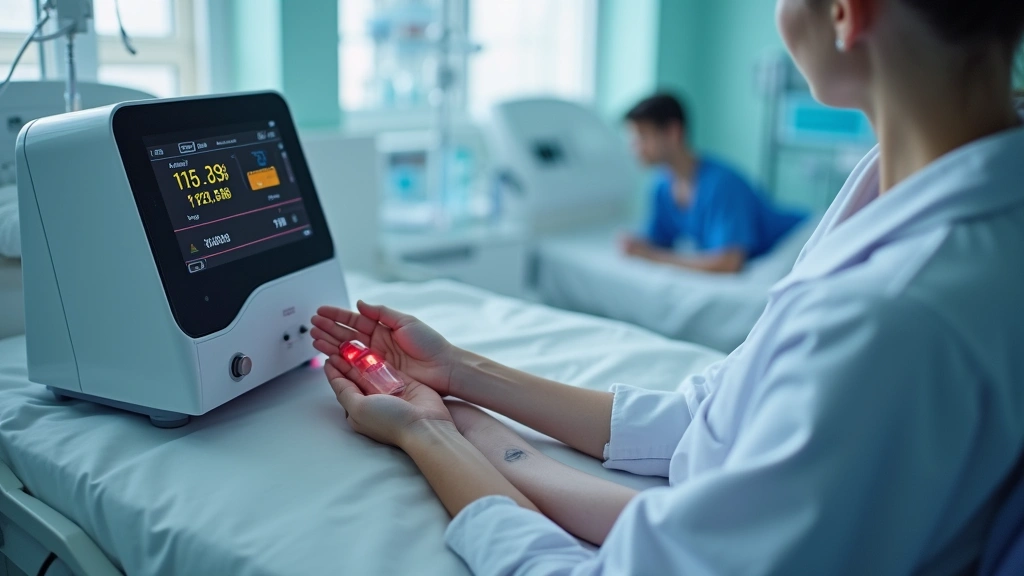
Point-of-care testing (POCT) devices have revolutionized how clinical lab technicians handle urgent specimen analysis. These portable analyzers bring laboratory-grade accuracy directly to bedside or emergency departments, eliminating transit delays and enabling faster clinical decisions. Modern portable blood analyzers can measure hemoglobin, hematocrit, glucose, electrolytes, and blood gas parameters within minutes using just microliters of blood.
The Abbott i-STAT Alinity represents one of the most reliable portable analyzers on the market. This handheld device offers comprehensive metabolic panel testing with results in under two minutes, making it invaluable for emergency medicine and critical care settings. The Alinity platform connects wirelessly to laboratory information systems, ensuring seamless data integration without manual transcription errors. Battery life extends up to eight hours of continuous use, and the device maintains strict quality control through built-in calibration verification.
For glucose monitoring specifically, the Roche Accu-Chek Inform II provides exceptional accuracy with minimal sample volumes. Clinical lab techs appreciate the intuitive interface and extensive connectivity options. The device supports wireless transmission to hospital systems, reducing documentation time significantly. With over 99% accuracy rates validated against central laboratory standards, it’s trusted across diabetes management and critical care environments.
Roche’s diagnostic platforms continue setting industry benchmarks for portable analysis. These devices are particularly valuable when integrated with your AI applications transforming healthcare diagnostics, enabling predictive health monitoring and automated result interpretation.
Smart Lab Management Systems
Efficient specimen management forms the backbone of any clinical laboratory. Smart systems that track samples from collection through analysis and reporting dramatically reduce processing times and eliminate critical errors. Laboratory Information Systems (LIS) with mobile interfaces now allow technicians to manage workflows from anywhere within the facility.
The Sunquest LIS platform provides comprehensive specimen tracking with barcode integration, automated result validation, and real-time quality monitoring. Technicians can access their worklist on mobile devices, prioritize urgent samples, and update status in real-time. The system automatically flags abnormal results, ensuring nothing gets overlooked during high-volume processing periods. Integration with The Verge’s technology coverage highlights how modern LIS platforms incorporate cloud-based architecture for superior reliability.
For smaller laboratories or point-of-care settings, Mediware Information Systems offers scalable solutions that grow with your facility’s needs. The mobile interface includes barcode scanning, result entry validation, and automatic report generation. Quality assurance features track technician performance metrics and flag procedural deviations instantly.
Integration with best tech stocks in healthcare automation demonstrates investor confidence in laboratory information technology. These systems represent long-term infrastructure investments that pay dividends through improved efficiency and patient safety.
Key features to evaluate:
- Real-time specimen tracking across multiple departments
- Automated quality control and result validation
- Mobile access for technician worklists
- Integration with hospital electronic health records (EHR)
- Customizable alerts for critical values
- Comprehensive audit trails for regulatory compliance
Wearable Safety Equipment
Clinical laboratory environments present unique occupational hazards including exposure to bloodborne pathogens, chemical reagents, and infectious materials. Wearable technology that monitors exposure and enhances protection has become essential for technician safety and workplace compliance.
The BioVendor Personal Exposure Monitor represents cutting-edge safety technology. This wearable device continuously monitors chemical vapor exposure in real-time, alerting technicians when concentrations approach unsafe levels. The lightweight design integrates seamlessly into standard lab coats, and wireless connectivity sends exposure data to centralized safety systems. Facilities can track individual and departmental exposure trends, enabling proactive hazard mitigation.
For needle stick prevention, Becton Dickinson Safety-Lok devices combine mechanical engineering with smart features. These retractable needle systems include audio-visual confirmation of proper activation, reducing accidental injuries. Some models now include RFID tracking that logs each activation, creating accountability and safety records for compliance audits.
Smart safety glasses with integrated UV and chemical splash detection are gaining adoption. These devices alert technicians to hazardous conditions and automatically log exposure incidents. The augmented reality capability can overlay procedural guidance directly in the technician’s line of sight, reducing reference material lookups.
Digital Microscopy Solutions
Microscopy remains fundamental to clinical diagnostics, particularly in hematology, parasitology, and microbiology. Digital microscopy systems enhance traditional microscope work through automation, image analysis, and collaborative capabilities that modern labs demand.
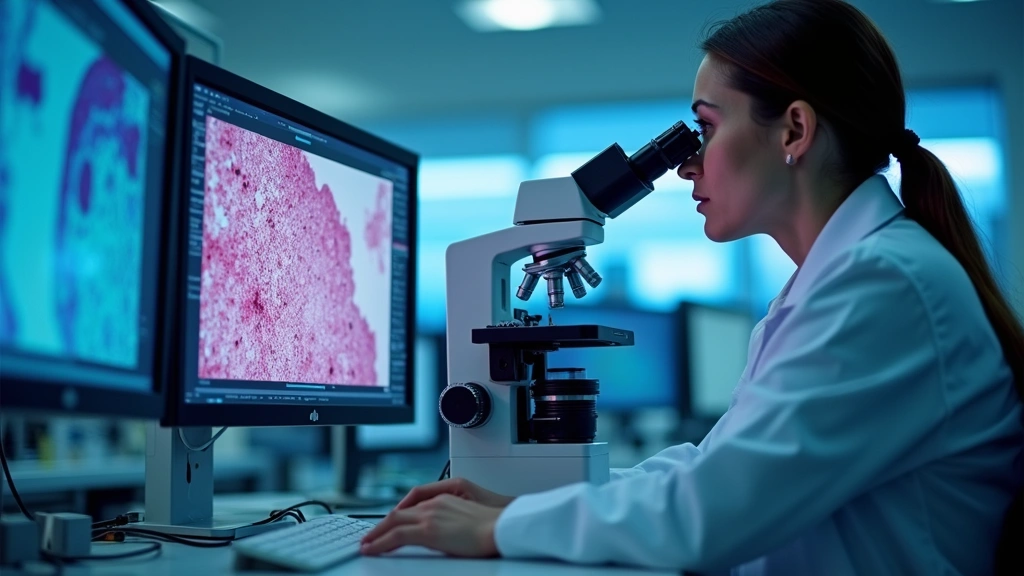
The Leica Aperio Digital Pathology System transforms traditional slide analysis into a digital workflow. Whole-slide imaging captures complete microscopic detail at multiple magnifications, enabling technicians to review specimens on computer screens with superior ergonomics. The system reduces eye strain during extended analysis periods and facilitates second opinions through instant image sharing with pathologists or specialists.
For routine hematology, Sysmex digital microscopy platforms provide automated cell counting with intelligent image analysis. The system identifies abnormal cells, flags morphologic anomalies, and generates preliminary differential counts. Technicians review flagged slides on high-resolution displays, then confirm or adjust automated findings. This hybrid approach maintains human expertise while leveraging automation’s speed and consistency.
Olympus BX53 microscope systems with integrated digital cameras offer excellent value for mid-sized laboratories. The motorized stage allows precise specimen positioning, and captured images integrate directly into LIS systems. The modular design accommodates brightfield, fluorescence, and phase contrast imaging—essential for comprehensive specimen analysis.
These advanced lab technologies featured on TechPulseHunter demonstrate how digital transformation improves diagnostic accuracy. The image analysis capabilities reduce observer bias and enhance reproducibility across different technicians and shifts.
Specimen Tracking Technology
Sample misidentification represents one of the most critical risks in clinical laboratories. Advanced barcode and RFID tracking systems virtually eliminate this hazard while providing complete chain-of-custody documentation.
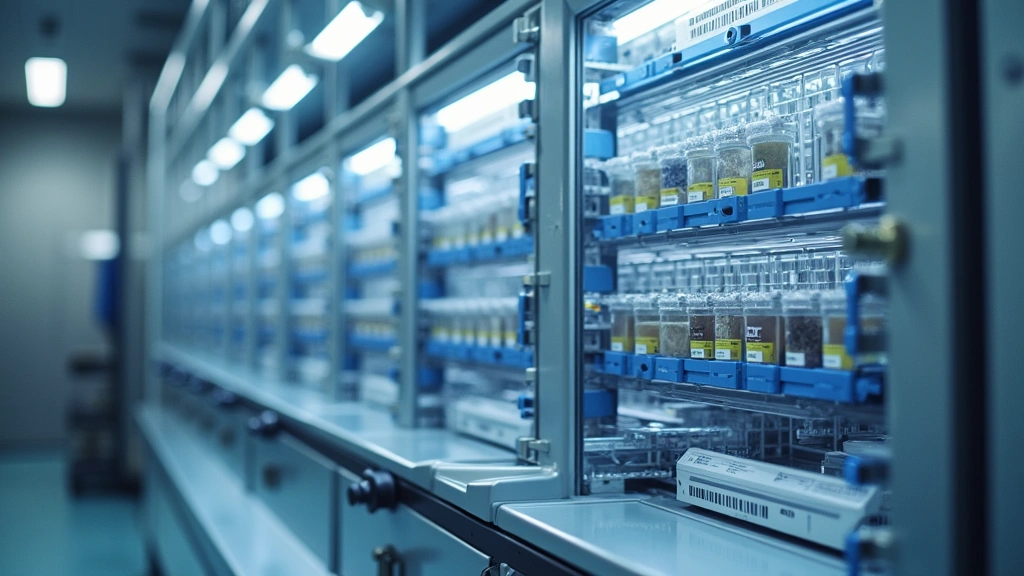
The Greiner Bio-One TrackSure system utilizes 2D barcodes on specimen tubes integrated with automated scanning at each processing step. The system prevents specimens from entering analysis without proper identification and flags any inconsistencies immediately. Technicians scan barcodes at collection, processing, analysis, and reporting stages—creating an unbreakable audit trail.
RFID technology offers even more sophisticated tracking. Precision Optics RFID tube systems embed microchips in specimen tubes that communicate with readers throughout the laboratory. This technology enables hands-free tracking—specimens are automatically logged as they pass through processing areas. The system prevents tube switching, ensures proper sample routing, and generates real-time location data.
For high-volume laboratories, Copan Automated Specimen Handling systems combine mechanical conveyance with barcode tracking. Specimens travel through pneumatic tube networks while continuously monitored by barcode readers. The system routes specimens to appropriate analyzers automatically, minimizing manual handling and reducing processing time by up to 40%.
Integration with environmental monitoring systems ensures specimens maintain proper temperature during transport. Smart tracking devices now include temperature sensors that log thermal conditions, critical for specimens requiring specific storage environments.
Data Security Devices
Clinical laboratory data contains highly sensitive patient health information requiring robust security measures. Specialized devices and systems protect data from unauthorized access while maintaining HIPAA compliance.
Hardware security keys like YubiKey for Healthcare provide two-factor authentication for laboratory information system access. These USB devices generate time-based codes that prevent unauthorized login attempts even if passwords are compromised. Technicians can quickly authenticate lab computer access without typing lengthy codes, improving workflow efficiency while strengthening security.
For data transmission, Cisco Secure Network Devices specifically configured for healthcare environments protect specimen data traveling between analyzers and central systems. These appliances use military-grade encryption and automatically detect suspicious data patterns. Facilities can monitor all laboratory network traffic in real-time, identifying potential security threats before breaches occur.
CNET’s technology reviews regularly evaluate healthcare security solutions. Encrypted portable drives like IronKey Encrypted USB allow technicians to securely transport critical laboratory data or backup files. The devices self-destruct after multiple failed password attempts, preventing data theft even if the drive is lost.
Cloud backup solutions specifically designed for healthcare, such as Acronis Backup for Healthcare, ensure laboratory data survives hardware failures while maintaining encryption and HIPAA compliance. Automated backup schedules run during off-hours, preventing workflow disruption.
Your laboratory’s cybersecurity posture directly impacts patient safety and institutional liability. Investing in proper secure technology infrastructure protects both patient data and your professional reputation. Regular security audits and employee training complement these technical safeguards.
FAQ
What is the most essential gadget for a clinical lab technician?
While all recommended gadgets offer value, specimen tracking technology provides the highest impact on patient safety and error prevention. Proper identification and tracking systems prevent the most critical laboratory errors—sample misidentification. Implementing reliable barcode or RFID tracking should be a top priority for any laboratory.
How much do portable blood analyzers cost?
Portable analyzers range from $5,000 to $25,000 depending on capabilities and testing menu. Point-of-care devices like the Abbott i-STAT Alinity cost approximately $15,000-$20,000, while basic glucose monitors start around $3,000-$5,000. Consider cost-per-test and integration capabilities when evaluating options.
Are digital microscopy systems worth the investment?
Digital microscopy systems represent significant investments ($50,000-$150,000+) but provide substantial returns through improved ergonomics, reduced analysis time, and enhanced diagnostic accuracy. For laboratories performing high-volume microscopy, the investment typically pays for itself within 3-5 years through improved efficiency.
How do RFID tracking systems compare to barcode systems?
RFID offers hands-free automated tracking and real-time location monitoring, while barcode systems require active scanning at each step. RFID costs more initially but provides superior automation and eliminates scanning errors. Barcode systems offer simpler implementation and lower costs. Many laboratories use hybrid approaches combining both technologies.
What security measures are essential for laboratory data?
Essential security measures include two-factor authentication for system access, encrypted data transmission, regular security audits, employee training, and automated backup systems. HIPAA compliance requires specific controls over patient health information. Consult your institution’s IT security team and legal compliance officers when implementing security solutions.
Can portable analyzers replace central laboratory testing?
Portable analyzers excel for rapid point-of-care testing but cannot completely replace central laboratory analysis. Many tests require specialized equipment only available in central labs. Most facilities use portable devices for urgent specimens and critical values while maintaining comprehensive central laboratory testing for routine analysis.
How often should laboratory equipment be maintained?
Manufacturer recommendations typically specify daily, weekly, and monthly maintenance schedules. Portable analyzers usually require daily quality control testing and reagent cartridge changes. Digital microscopy systems need monthly calibration verification. Establishing preventive maintenance schedules prevents equipment failures and ensures consistent performance.


