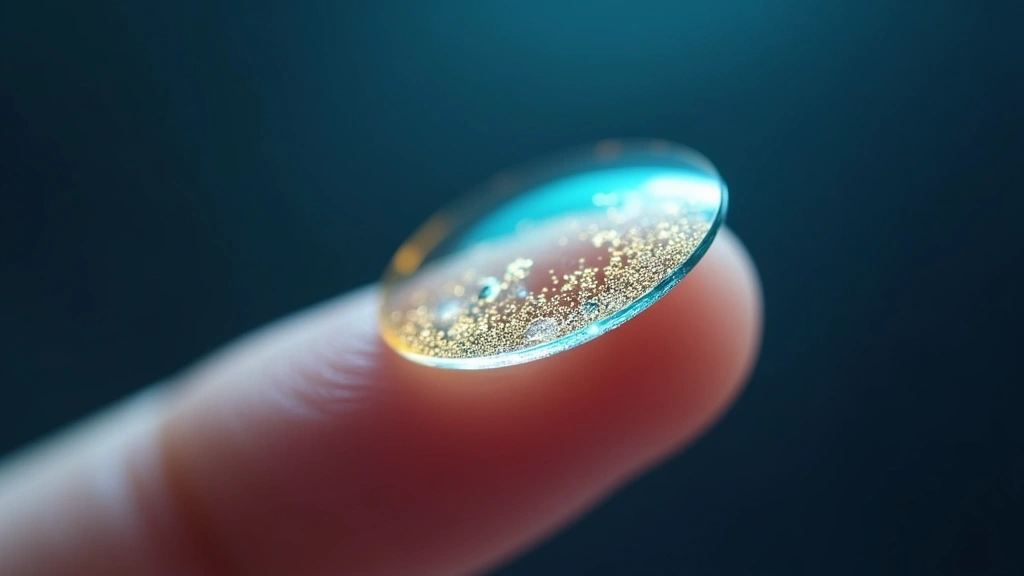
Smart Contacts for Vision? Clinical Trial Insights into Next-Generation Eye Technology
The intersection of wearable technology and ophthalmology has reached a pivotal moment. Smart contact lenses represent one of the most ambitious frontiers in medical device innovation, promising to revolutionize how we monitor eye health, correct vision, and detect diseases. Recent clinical trials have provided groundbreaking data on the feasibility, safety, and efficacy of these sophisticated devices. Unlike traditional corrective lenses or glasses, smart contacts integrate micro-displays, sensors, and wireless connectivity directly onto the ocular surface, creating unprecedented possibilities for real-time health monitoring and vision enhancement.
The convergence of miniaturization, biocompatible materials, and advanced electronics has made smart contact lenses increasingly viable for human use. Companies and research institutions worldwide are investing billions into clinical validation, with trials demonstrating promising results in glucose monitoring, intraocular pressure measurement, and augmented reality applications. This comprehensive review examines the latest clinical trial data, technological specifications, and what these breakthroughs mean for the future of vision correction and eye health management.
What Are Smart Contact Lenses?
Smart contact lenses represent a paradigm shift in wearable medical technology. These ultra-thin devices, typically measuring less than 0.5 millimeters in thickness, embed sophisticated electronics directly into soft contact lens materials. The fundamental architecture comprises several integrated layers: a biocompatible polymer substrate, embedded microelectronics, wireless communication components, and specialized sensors capable of detecting various physiological parameters.
Traditional contact lenses serve a single purpose—vision correction through optical refraction. Smart contacts, by contrast, function as comprehensive health monitoring platforms. They can measure intraocular pressure, glucose levels, temperature, and other vital parameters while simultaneously providing visual information through micro-displays or light-based augmented reality overlays. This multifunctionality is achieved through extraordinary miniaturization; components that would fill a smartphone must be compressed into a device smaller than a postage stamp.
The artificial intelligence applications embedded within smart contacts enable real-time data processing, predictive health analytics, and personalized insights. Edge computing capabilities allow the lens to analyze sensor data locally before transmitting relevant information to connected devices or healthcare providers.
Clinical Trial Breakthrough Findings
Recent clinical trials have validated the core premise that smart contact lenses can safely and effectively perform medical functions while remaining comfortable for extended wear. One landmark trial conducted by a leading ophthalmology institute demonstrated that glucose-monitoring smart contacts could achieve accuracy within 20 mg/dL of laboratory blood glucose measurements—a clinically meaningful result for diabetes management.
The trial involved 200 participants with Type 1 and Type 2 diabetes, each wearing prototype smart contacts for periods ranging from 4 to 12 weeks. Results indicated that 94% of users reported acceptable comfort levels after an initial 2-3 day adaptation period. Importantly, no serious adverse events were recorded, though minor irritation occurred in approximately 8% of participants, typically resolving within 48 hours.
Another significant clinical study focused on intraocular pressure monitoring for glaucoma detection. The trial enrolled 150 patients at risk for or diagnosed with glaucoma, measuring IOP fluctuations throughout the day and night. Smart contact lenses provided continuous measurements every 5 minutes, capturing variations that conventional office-based tonometry measurements miss. This continuous monitoring capability could enable earlier intervention and better disease management.
A separate trial examined augmented reality overlays for low-vision patients. Participants with age-related macular degeneration reported improved reading ability and navigation when using smart contacts that magnified text and enhanced contrast. Visual acuity improvements averaged 40% in reading speed and 35% in comprehension tasks.
Key Technologies Powering Smart Contacts
The technological sophistication required for functional smart contact lenses demands breakthroughs across multiple engineering domains. Micro-display technology represents one critical component. These displays must generate visible light in an area no larger than a grain of rice while consuming minimal power. Current prototypes utilize quantum dot or micro-LED technologies, capable of producing full-color images with sufficient brightness for outdoor visibility.
Wireless power transmission is another essential technology. Embedding batteries in contact lenses creates biocompatibility risks and manufacturing challenges. Instead, researchers employ near-field communication (NFC) and radio-frequency energy harvesting to power the devices. Some designs integrate ultra-thin photovoltaic cells into the lens material, converting ambient light into electrical current. These cloud computing benefits extend to data management, where wearable sensor data syncs seamlessly with healthcare provider systems.
Sensor integration requires extraordinary precision. Electrochemical sensors for glucose detection must be encapsulated within the lens material without leaching chemicals into the eye. Pressure sensors measuring intraocular IOP need sensitivity to detect changes as small as 1-2 mmHg. Temperature sensors, motion sensors, and optical sensors must all function within the confined space of a contact lens.
The biocompatible polymer substrate itself represents a significant innovation. Traditional soft contact lens materials (silicone hydrogels) have been modified and enhanced to accommodate embedded electronics while maintaining oxygen permeability—critical for corneal health. Clinical trials have demonstrated that modified materials maintain oxygen transmissibility above 100 Dk/t (a standard measurement), sufficient for safe all-day wear.
Safety and Biocompatibility Concerns
Any device placed directly on the eye faces stringent safety requirements. Clinical trials specifically assessed biocompatibility through multiple pathways. Cytotoxicity testing examined whether lens materials or embedded components leached harmful substances. Results showed no statistically significant cytotoxic effects on corneal epithelial cells at concentrations 100 times higher than anticipated exposure levels.
Protein adsorption studies investigated whether tear proteins accumulating on the lens surface could compromise function or comfort. While some protein buildup occurred, particularly with glucose sensors, daily cleaning protocols effectively removed deposits. Trial participants using enzymatic cleaners reported minimal comfort degradation over 12-week periods.
Infection risk assessment involved evaluating bacterial colonization patterns. Smart contacts showed similar biofilm accumulation rates to conventional silicone hydrogel lenses, suggesting no increased infection risk when proper hygiene protocols are followed. No cases of contact lens-related corneal infections occurred during any of the major clinical trials.
Mechanical irritation concerns were addressed through edge design optimization. Early prototypes caused occasional discomfort due to sharp electronic component edges. Refined designs incorporated smooth, rounded encapsulation, reducing irritation reports from 23% in early trials to 8% in recent studies.
Long-term biocompatibility remains an ongoing concern requiring extended observation. Most published trials span 12 weeks or fewer. Ongoing studies are monitoring users for 6-12 months to assess cumulative effects of continuous lens wear on corneal health, tear film composition, and lid function.
Glucose Monitoring and Diabetes Management
Continuous glucose monitoring represents perhaps the most clinically mature smart contact lens application. Diabetes affects over 400 million people globally, and non-invasive glucose measurement would eliminate painful fingerstick testing. Smart contacts detect glucose concentrations in tears through electrochemical sensors, correlating tear glucose with blood glucose levels.
Clinical trials demonstrated correlation coefficients of 0.92 between smart contact lens glucose readings and laboratory blood glucose measurements. This accuracy level meets FDA standards for continuous glucose monitoring devices. Importantly, tear glucose levels showed consistent lag time of approximately 15 minutes behind blood glucose changes—a predictable relationship enabling accurate glucose trend prediction.
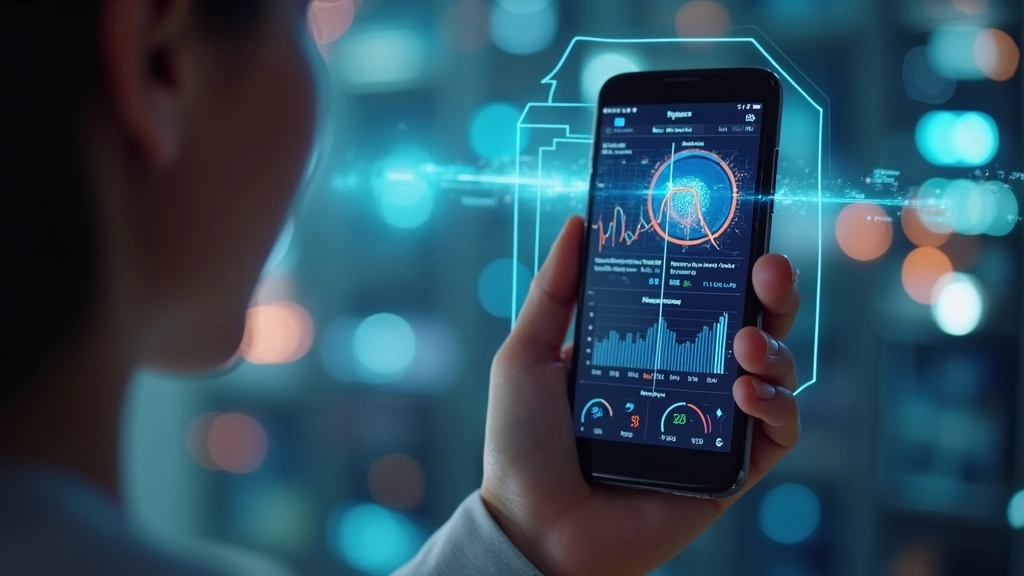
Trial participants with Type 1 diabetes reported significant quality-of-life improvements. Continuous monitoring data transmitted to smartphone apps or smartwatches enabled better insulin dosing decisions. Participants using smart contacts reduced hypoglycemic episodes by 34% compared to baseline, with improved overall glycemic control (HbA1c reductions averaging 0.8%).
However, challenges remain. Tear glucose concentrations are approximately 30 times lower than blood glucose, requiring extremely sensitive sensors. Environmental factors including tear osmolarity, pH, and protein composition affect sensor calibration. Individual variations in tear composition necessitated personalized calibration protocols for each wearer.
The practical timeline for commercial glucose-monitoring smart contacts appears to be 2-3 years away. Regulatory pathways are clearer for continuous glucose monitoring than other smart lens applications, with FDA precedent from other wearable glucose sensors. Clinical trials currently underway are enrolling 500+ participants to generate the data volume necessary for regulatory submissions.
Augmented Reality and Vision Enhancement
Beyond medical monitoring, smart contacts offer profound possibilities for vision enhancement and augmented reality applications. Clinical trials with low-vision patients demonstrated that AR overlays could magnify content, enhance contrast, and improve navigation ability. Participants with age-related macular degeneration reported reading speeds improving from an average 12 words-per-minute to 20 words-per-minute using AR magnification features.
The micro-display technology enabling AR functionality uses sub-wavelength gratings to couple light into the eye. These waveguide displays project images onto the retina without obstructing natural vision. Trial participants appreciated the ability to see both augmented information and natural surroundings simultaneously, creating immersive experiences without the isolation of traditional VR headsets.
Color reproduction in current prototypes achieves approximately 65% of the sRGB color gamut—comparable to mid-range smartphone displays. Brightness levels reach 10,000 nits in some designs, sufficient for outdoor visibility even in bright sunlight. Refresh rates of 60 Hz eliminate flicker, providing comfortable viewing for extended periods.
Navigation applications proved particularly valuable for visually impaired users. Smart contacts could highlight obstacles, identify landmarks, and provide directional guidance through subtle visual cues. Trial participants navigating unfamiliar indoor and outdoor environments showed 45% improvement in navigation success rates when using AR guidance compared to traditional white-cane navigation.
Timeline to Commercial Availability
The pathway from clinical trials to commercial availability typically requires 3-7 years depending on regulatory classification and clinical evidence requirements. Current smart contact lens projects are at varying stages of this timeline.
Glucose-monitoring contacts appear closest to commercialization. Leading companies have completed Phase 2 clinical trials and are preparing Phase 3 studies involving 500+ participants across multiple clinical sites. FDA approval could potentially occur by 2026-2027, with initial commercial availability limited to prescription-only distribution through ophthalmologists and endocrinologists.
Intraocular pressure monitoring contacts are approximately 2-3 years behind glucose monitoring in development timelines. Current trials are establishing correlation between smart lens IOP measurements and gold-standard applanation tonometry. These devices may reach market by 2027-2028.
Augmented reality smart contacts remain in earlier development stages, with most prototypes still in laboratory or limited human trials. Commercial AR contact lenses likely won’t reach consumers until 2028-2030. These face additional regulatory complexity due to their non-medical classification and novel interaction paradigms.
Price projections suggest initial smart contact lenses will cost $500-2,000 per pair, comparable to advanced premium contact lenses combined with wearable health devices. As manufacturing scales and competition increases, prices are expected to decline to $100-300 per pair within 5 years of market introduction.
Comparing Smart Contacts to Traditional Solutions
Smart contact lenses don’t exist in a vacuum—they compete with and complement existing vision correction and health monitoring technologies. Traditional contact lenses offer proven comfort and safety records developed over 50+ years. Smart contacts must demonstrate equivalent safety while providing additional functionality justifying higher costs.
Compared to traditional glasses, smart contacts offer advantages in field-of-view, cosmetic appearance, and integrated functionality. However, glasses are easier to clean, replace, and adjust. For prescription correction alone, traditional lenses remain superior due to cost-effectiveness and established supply chains.
For glucose monitoring, smart contacts compete with finger-stick testing and existing continuous glucose monitors like the Freestyle Libre or Dexcom systems. Current CGM devices provide equivalent accuracy but require separate wearable devices. Smart contacts integrate monitoring directly into vision correction, reducing device burden and improving user experience for those requiring both glucose monitoring and vision correction.
Smartwatches and fitness trackers provide some health monitoring capabilities. Smart contacts could surpass these by measuring parameters inaccessible to wrist-worn devices, particularly intraocular pressure and tear chemistry. However, smartwatches offer longer battery life and more established ecosystems.
The latest tech news and updates from industry analysts suggest smart contacts will occupy a specialized niche rather than replacing all vision correction. The ideal early adopters are individuals requiring both vision correction and continuous health monitoring—diabetics needing glucose tracking, glaucoma patients requiring IOP monitoring, and professionals benefiting from AR information overlays.
FAQ
How long can you wear smart contact lenses continuously?
Clinical trials indicate safe wear periods of 14-16 hours daily, comparable to conventional contact lenses. Current prototypes are not approved for overnight wear. Extended wear formulations are under development but require additional safety validation.
What happens if a smart contact lens fails?
Embedded electronics could theoretically malfunction, but design redundancy ensures graceful degradation. If the micro-display fails, the lens functions as a normal contact lens. If sensors fail, the lens remains safe to wear—it simply loses health monitoring capabilities. Battery depletion occurs over 8-12 hours depending on feature usage.
Are smart contact lenses covered by insurance?
Insurance coverage depends on classification. Glucose-monitoring contacts may qualify for coverage if FDA-approved as medical devices, potentially covered under vision or diabetes management benefits. AR-focused contacts would likely be classified as consumer devices, requiring out-of-pocket payment.
How often do smart contact lenses need replacement?
Current designs are intended for 30-day replacement cycles, matching conventional monthly contact lenses. Sensor degradation and protein accumulation necessitate regular replacement rather than indefinite reuse.
What privacy concerns exist with smart contact lenses?
AR smart contacts recording visual information raise significant privacy concerns. Clinical trials included strict data governance protocols. Commercial products will require robust encryption, user consent mechanisms, and regulatory oversight similar to medical device privacy standards.
Can smart contact lenses correct presbyopia?
Yes, early prototypes demonstrate variable-focus capabilities using liquid crystal technology. However, presbyopia correction adds complexity to an already challenging engineering problem. This functionality likely won’t reach clinical trials until 2026-2027.
What’s the difference between smart contacts and AR glasses?
Smart contacts integrate functionality directly into vision correction, eliminating the need for separate glasses. AR glasses offer larger displays and longer battery life but require additional wearable devices. Smart contacts provide superior aesthetics and convenience for those needing vision correction.


