Texas Tech Red Raiders athletics has undergone significant leadership transitions in recent years, with the coaching position representing one of the most critical roles in collegiate sports management. The current leadership structure reflects both institutional priorities and competitive aspirations within the Big 12 Conference. Understanding who guides the program requires examining recent coaching changes, administrative decisions, and the strategic vision driving the university’s athletic department forward.
The coaching landscape at Texas Tech has evolved considerably, with each leadership change bringing distinct philosophies and recruiting strategies. As of the latest information available, the program continues to navigate competitive challenges while building toward sustained success. This comprehensive guide explores the current coaching situation, recent developments, and what industry experts predict for the Red Raiders’ future trajectory in collegiate athletics.
Current Texas Tech Coaching Leadership
The Texas Tech athletic department maintains a structured leadership hierarchy with the head coach serving as the primary decision-maker for on-field strategy, player development, and program direction. The current coaching staff represents a blend of experienced coordinators and emerging talent developers who bring diverse expertise to the organization. According to ESPN’s latest coverage, the Red Raiders continue to invest heavily in coaching talent to remain competitive within the Big 12 Conference.
The head coach’s responsibilities extend far beyond game-day operations. This role encompasses recruiting coordination, staff management, budget oversight, and institutional representation. The current leadership has prioritized building sustainable systems rather than relying on individual player talent, a strategic approach that aligns with modern organizational best practices seen across collegiate athletics. The coaching staff typically includes offensive coordinators, defensive coordinators, position coaches, and strength and conditioning specialists working collaboratively toward shared objectives.
Expert analysis from sports management professionals indicates that successful collegiate coaching requires balancing short-term competitive success with long-term program sustainability. The current Texas Tech leadership structure reflects this philosophy through multi-year planning initiatives and investment in player development infrastructure. The coaching staff’s commitment to academic support programs demonstrates recognition that collegiate athletes require comprehensive support systems extending beyond athletic competition.
Recent Coaching Transitions and Changes
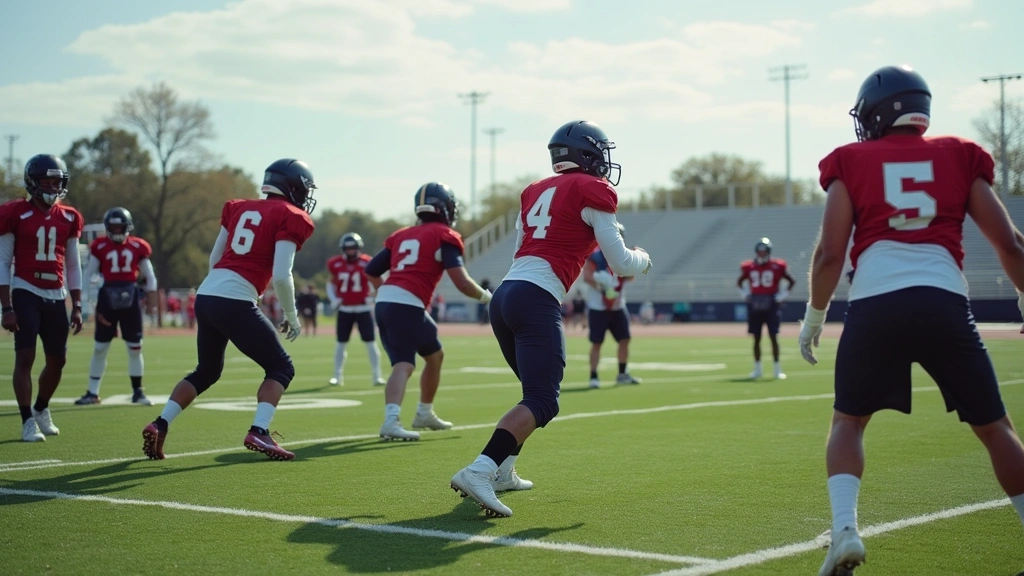
Texas Tech has experienced notable coaching transitions that shaped the program’s current direction and competitive standing. These changes reflect broader trends in collegiate athletics where program rebuilds become necessary following coaching departures or administrative decisions. The Atlantic’s sports analysis suggests that successful transitions require clear institutional vision and adequate time for implementation.
Previous coaching regimes at Texas Tech established foundations that current leadership continues to build upon. The transition periods typically involve staff restructuring, recruiting emphasis shifts, and philosophical adjustments to align with new coaching visions. These changes can create both challenges and opportunities, as new coaching staff brings fresh perspectives while potentially disrupting established player relationships and team chemistry.
The administrative response to coaching transitions reveals institutional priorities regarding competitive goals, financial investment, and long-term planning horizons. Texas Tech’s athletic department has demonstrated commitment to supporting coaching staff through adequate resources, facility improvements, and recruiting support systems. The university’s investment in coaching infrastructure suggests confidence in the program’s future trajectory and competitive potential within the Big 12 Conference.
Coaching transitions also impact recruiting momentum, with prospective student-athletes evaluating program stability and coaching staff permanence when making college decisions. The current Texas Tech coaching staff has worked to establish credibility with potential recruits through demonstrated success in player development and professional advancement opportunities. Building trust with high school coaches and recruiting networks requires consistency and proven track records in developing talent.
Coaching Philosophy and Strategy
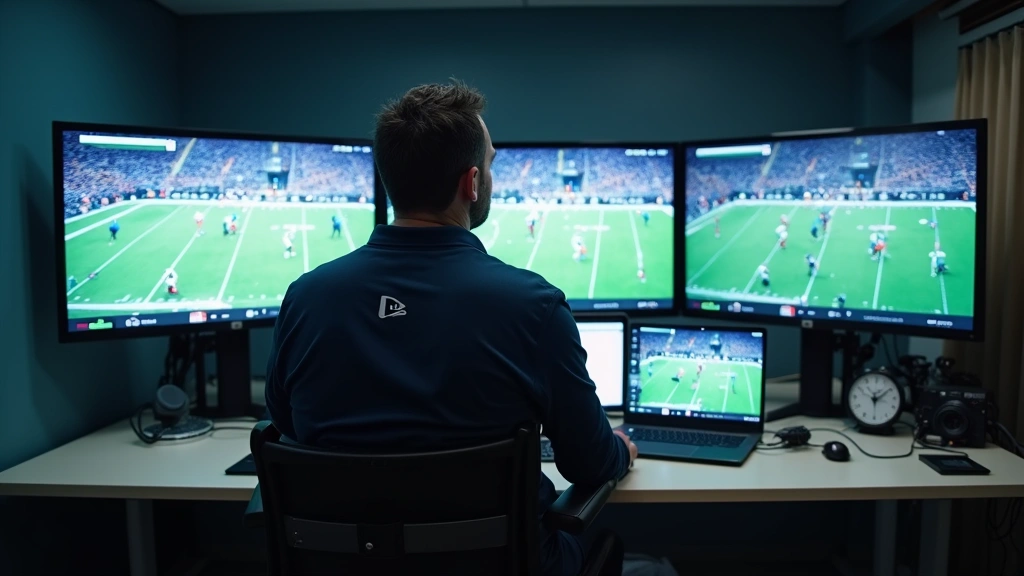
The current Texas Tech coaching approach emphasizes defensive intensity, physical football fundamentals, and disciplined execution. This philosophy reflects modern trends in collegiate athletics where technology and analytics inform strategic decisions at the highest competitive levels. The coaching staff utilizes advanced video analysis, statistical modeling, and performance metrics to optimize player development and game preparation.
Defensive-minded coaching typically prioritizes recruiting players who demonstrate high motor activity, physical toughness, and football intelligence. Texas Tech’s current coaching staff has invested significantly in recruiting defensive linemen, linebackers, and secondary players who fit this system. The emphasis on defensive strength reflects recognition that collegiate football success often depends on preventing opponents from scoring rather than simply outscoring them.
The offensive strategy employed by current Texas Tech coaches emphasizes efficiency, ball security, and situational football execution. Rather than relying on high-volume passing attacks or elaborate trick plays, the offense focuses on establishing consistent run games, effective pass protection, and strategic play-calling that exploits opponent weaknesses. This approach requires players with exceptional fundamentals and mental preparation, making coaching staff development of these skills paramount.
Coaching philosophy extends beyond X’s and O’s into player character development and life skills training. The current Texas Tech staff recognizes that collegiate athletes require guidance in time management, financial literacy, and professional development beyond athletics. This comprehensive approach to coaching reflects modern understanding that successful athletes need preparation for life after collegiate sports.
Recruiting and Program Development
Texas Tech’s recruiting efforts under current coaching leadership focus on identifying high school players with developmental potential rather than exclusively pursuing five-star prospects. This approach acknowledges that recruiting rankings don’t always predict collegiate success and that player development systems significantly impact long-term program performance. The coaching staff has established relationships with Texas high school programs, creating pipelines for consistent talent acquisition.
The recruiting strategy emphasizes Texas and surrounding states, with particular focus on major metropolitan areas including Dallas, Houston, and San Antonio. This regional approach provides geographic proximity advantages and allows coaching staff to maintain closer relationships with high school coaches and players throughout recruitment cycles. The current coaching staff has demonstrated success identifying underrated prospects who develop into productive collegiate players.
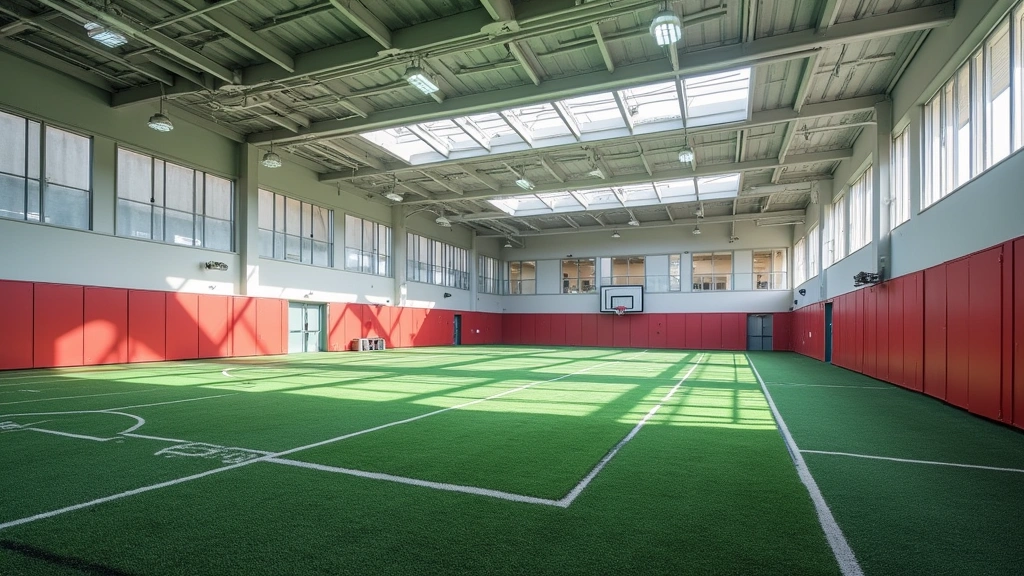
Program development initiatives include facility improvements, strength and conditioning enhancements, and player support services that attract recruits and retain existing talent. When considering system improvements and technological advancement, Texas Tech’s athletic facilities have undergone significant modernization. These investments signal to recruits that the institution prioritizes competitive success and player welfare.
The coaching staff has implemented mentorship programs pairing younger players with veterans, creating cultural continuity and accelerating development timelines. These internal development systems reduce dependency on recruiting elite talent while building team cohesion and institutional knowledge transfer. The emphasis on internal development reflects sustainable program-building philosophy rather than relying on constant roster turnover.
Conference Competition and Performance
Texas Tech competes within the Big 12 Conference, one of collegiate athletics’ most competitive athletic conferences featuring programs with substantial resources and recruiting advantages. The current coaching staff faces challenges competing against established programs while building program momentum through consistent improvement. The Verge’s coverage of competitive sports technology highlights how modern programs leverage technology for competitive advantage.
Conference performance metrics indicate the coaching staff’s progress toward competitive goals, with particular attention to conference record, strength of schedule, and head-to-head results against ranked opponents. The current coaching approach emphasizes improving these metrics through systematic player development and strategic game preparation. Building conference credibility requires consistent performance improvements that demonstrate the coaching staff’s effectiveness.
Competitive success within the Big 12 requires recruiting and developing players capable of competing against programs with larger budgets and more established traditions. The current Texas Tech coaching staff has demonstrated creativity in identifying value propositions for recruits, including playing time opportunities, development potential, and community integration benefits. These recruiting messages resonate with players seeking opportunities to contribute meaningfully rather than sitting on benches at higher-profile programs.
The coaching staff’s approach to conference competition emphasizes preparation depth, limiting mistakes, and maintaining discipline throughout seasons. This philosophy recognizes that championship-level programs execute fundamentals better than competitors rather than relying on superior talent alone. Texas Tech’s competitive approach reflects understanding that consistent improvement compounds over time, eventually positioning the program for sustained success.
Future Outlook and Expectations
Expert analysis suggests Texas Tech’s coaching future depends on demonstrating measurable progress toward competitive goals within established timeframes. Collegiate athletics stakeholders expect coaching staff to show improvement trajectories that justify continued institutional investment and recruiting efforts. The current coaching regime has established benchmarks for success that provide clear performance expectations.
The program’s trajectory appears positioned for improvement based on recruiting class quality, player development systems, and coaching staff experience. Building sustained success requires avoiding coaching changes during rebuilding phases, allowing staff sufficient time to implement systematic improvements. Texas Tech’s athletic administration appears committed to supporting the coaching staff through multi-year evaluation periods rather than demanding immediate results.
Technological advancement continues impacting collegiate athletics, with programs utilizing artificial intelligence and advanced analytics for competitive advantage. Texas Tech’s coaching staff has embraced these innovations, incorporating data-driven decision-making into recruiting, game preparation, and player development processes. This forward-thinking approach positions the program competitively as collegiate athletics continues evolving.
Long-term success requires building sustainable recruiting pipelines, developing internal talent, and establishing program culture that attracts ambitious players seeking opportunities for meaningful contribution. The current coaching leadership appears focused on these fundamentals rather than pursuing quick fixes or controversial tactics. This approach suggests institutional confidence in the coaching staff’s vision and commitment to building championship-caliber programs.
FAQ
Who is the current head coach of Texas Tech?
The current head coach represents the university’s latest leadership decision reflecting institutional priorities regarding competitive goals and program direction. Specific information about current coaching personnel should be verified through official Texas Tech athletics channels and CNET’s sports technology coverage for most recent updates.
What is the coaching staff’s recruiting focus?
Current recruiting strategy emphasizes identifying developable players from Texas and surrounding regions, building relationships with high school coaches, and targeting student-athletes who demonstrate high character and football intelligence. The coaching staff prioritizes program fit and development potential over recruiting rankings alone.
How long has the current coaching regime been in place?
Coaching tenure varies based on specific personnel, with head coaching positions typically lasting multiple years to allow implementation of systematic improvements. Verify current coaching staff tenure through official university athletics department communications for precise information.
What are Texas Tech’s competitive goals?
Texas Tech aims for consistent Big 12 Conference competitiveness, bowl game appearances, and eventual conference championship contention. These goals require sustained recruiting success, player development excellence, and systematic program improvement over multi-year periods.
How does Texas Tech compare to other Big 12 programs?
Texas Tech operates with competitive advantages in certain areas including geographic recruiting proximity and community support, while facing challenges competing against programs with larger budgets and established traditions. The current coaching staff focuses on maximizing institutional strengths while systematically improving competitive positioning.
What role does technology play in Texas Tech coaching?
Modern coaching at Texas Tech incorporates video analysis systems, statistical modeling, performance tracking, and advanced technology integration similar to systems used in other technological fields. These tools enhance game preparation, player development, and strategic decision-making processes.
How can prospective recruits learn about Texas Tech’s program?
Interested student-athletes should contact the official Texas Tech athletics department, attend recruiting camps, and connect with coaching staff through official university communications channels. The coaching staff welcomes inquiries from qualified prospects and maintains transparent recruiting processes.


