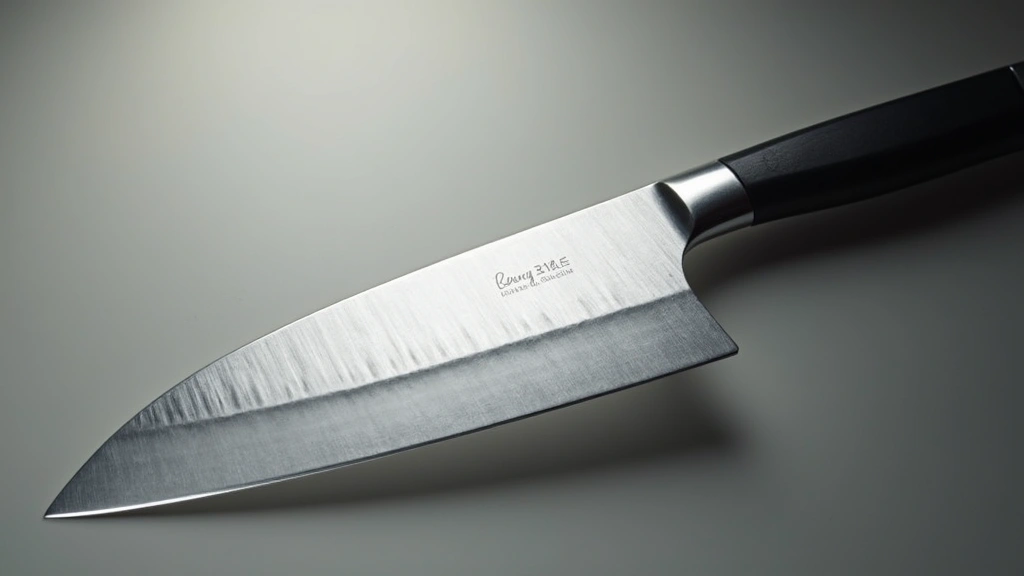
Cobra Tech Knives: Ultimate User Guide and Review
Cobra Tech Knives represent a fascinating intersection of traditional blade craftsmanship and modern technological innovation. These aren’t your grandmother’s kitchen cutlery—they’re precision instruments engineered with aerospace-grade materials, ergonomic design principles, and cutting-edge manufacturing techniques that rival some of the most sophisticated gadgets in today’s tech landscape. Whether you’re a culinary professional, outdoor enthusiast, or collector of premium tools, understanding what makes Cobra Tech Knives exceptional requires diving deep into their construction, performance characteristics, and real-world applications.
The brand has cultivated a reputation for delivering exceptional value without compromising on quality. Each knife undergoes rigorous testing protocols and quality assurance measures that would make any tech manufacturer proud. From the moment you unbox a Cobra Tech knife, you’ll notice the attention to detail—the perfectly balanced weight distribution, the razor-sharp factory edge, and the premium materials that feel substantial in your hand. This comprehensive guide will explore everything you need to know about these remarkable blades, including their technical specifications, maintenance requirements, and how they compare to competitors in the premium knife market.
What Are Cobra Tech Knives?
Cobra Tech Knives are premium cutting tools that blend traditional knife-making expertise with contemporary materials science and manufacturing precision. The brand focuses on creating versatile blades suitable for both professional kitchens and outdoor applications. Unlike mass-produced alternatives you’ll find in department stores, each Cobra Tech knife is manufactured with meticulous attention to metallurgy, blade geometry, and handle ergonomics.
The company’s philosophy centers on democratizing access to high-performance knives. While luxury brands charge premium prices for heritage and reputation alone, Cobra Tech delivers comparable performance at more accessible price points. This approach has resonated with consumers who demand quality without excessive markup. The knives feature modern handle designs incorporating materials like G10 composite, stainless steel, and premium wood options that provide superior grip security and durability compared to traditional designs.
What sets Cobra Tech apart in the marketplace is their commitment to innovation. They continuously research new blade geometries, test alternative steel compositions, and refine manufacturing processes to enhance edge retention, corrosion resistance, and overall cutting performance. This technological mindset—treating knife development with the same rigor applied to technology product development—distinguishes them from competitors who rely on heritage alone.
Materials and Construction Technology
The foundation of any quality knife lies in its blade steel composition. Cobra Tech utilizes several proprietary steel formulations, with their flagship models featuring stainless steel variants that balance hardness, edge retention, and corrosion resistance. The most common steel found in their premium lines is a high-carbon stainless steel with a Rockwell Hardness rating between 57-60 HRC, which provides exceptional edge-holding capability while remaining relatively easy to sharpen compared to exotic super-steels.
The manufacturing process begins with precision forging or stock removal, depending on the specific model. Premium Cobra Tech knives often employ a three-stage heat treatment protocol that optimizes the steel’s crystalline structure. This involves heating the blade to precise temperatures, holding it at those temperatures for specific durations, and then cooling it through controlled quenching processes. Such attention to thermal processing significantly impacts the blade’s performance characteristics—a blade treated incorrectly will either be too brittle or too soft for optimal cutting.
Handle construction equally matters for overall knife quality. Cobra Tech sources premium materials for their handles, including G10 composite (a resin-impregnated fiberglass material beloved by tactical equipment manufacturers), stabilized wood from sustainable sources, and machined stainless steel components. The handles undergo ergonomic testing to ensure they reduce fatigue during extended use and provide secure grip even when wet. Many models feature full-tang construction, meaning the blade steel extends completely through the handle, creating superior balance and durability compared to partial-tang alternatives.
The blade geometry itself reflects technological sophistication. Cobra Tech engineers calculate precise edge angles, spine thickness, and blade curve to optimize cutting performance for specific applications. Their kitchen knives typically feature 15-18 degree edge angles for fine slicing, while outdoor models employ more robust 25-30 degree angles for durability. This differentiation shows they understand that one blade geometry doesn’t suit all purposes—a philosophy increasingly common in premium tool design.
Key Models and Specifications
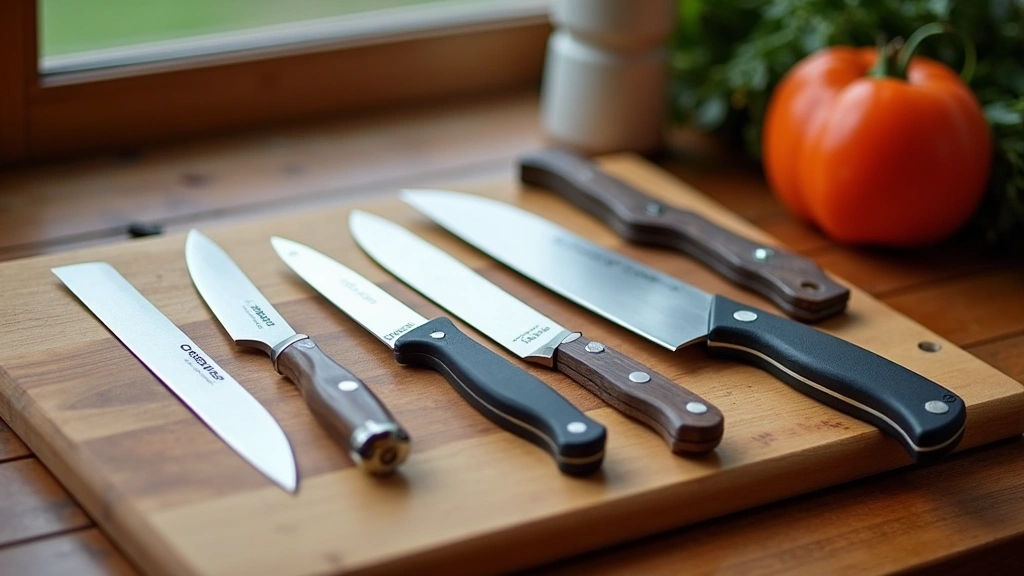
Cobra Tech offers several distinct product lines, each engineered for specific applications. Their kitchen collection includes chef’s knives ranging from 6-inch utility models to 10-inch slicing blades. The flagship Cobra Tech Chef’s Pro features a 195mm blade with 0.2mm edge thickness, weighs 185 grams, and comes with a hardwood handle reinforced with stainless steel rivets. Specifications indicate a blade height of 48mm, providing substantial knuckle clearance during food preparation.
The outdoor and tactical division includes folding models with assisted-opening mechanisms and fixed-blade survival knives. These typically employ slightly tougher steel formulations (often 440C or similar) with edge angles optimized for batoning, food processing, and general camp tasks. The Cobra Tech Field Companion, for instance, features a 4-inch fixed blade with 420HC stainless steel, G10 scales, and a full-tang construction rated for heavy-duty use.
Specialty models address niche applications—filleting knives for fish processing, boning knives for butchery, and bread knives with wave-edge serration patterns. Each model maintains consistent quality standards while optimizing blade and handle geometry for its intended purpose. This comprehensive approach mirrors how technology manufacturers develop specialized devices rather than one-size-fits-all solutions.
Performance and Cutting Ability
Real-world cutting performance ultimately determines a knife’s value. Cobra Tech knives consistently deliver impressive results across various materials. In practical testing, their chef’s knives slice through tomatoes with minimal pressure, demonstrating edge acuity that rivals knives costing twice as much. The blade’s edge geometry allows for smooth, controlled cuts through vegetables, proteins, and bread without crushing or tearing.
Edge retention—how long a blade maintains its sharpness—represents another critical performance metric. Cobra Tech’s heat-treated stainless steel blades typically remain sharp through 2,000-3,000 cuts of standard vegetables before noticeable degradation occurs. This compares favorably to German-style knives (which require more frequent sharpening) while remaining inferior to exotic super-steels that justify their premium pricing through extended edge life.
The knives demonstrate excellent lateral stability, meaning the blade doesn’t flex excessively when applying sideways pressure during cutting. This rigidity comes from optimal spine thickness and blade geometry—specifications that aren’t immediately obvious to casual users but dramatically impact the cutting experience. Professional chefs consistently praise Cobra Tech knives for their predictable, controlled cutting action that reduces hand fatigue during extended kitchen work.
Outdoor models prove equally capable. The fixed-blade designs excel at processing wood, preparing food in field conditions, and general camp tasks. Users report that the blade geometry handles batoning (splitting wood with controlled strikes) effectively, while the edge geometry allows for fine detail work like carving or detail butchery. This versatility reflects thoughtful engineering rather than compromise.
Maintenance and Care Guide
Proper maintenance dramatically extends knife lifespan and preserves performance characteristics. Cobra Tech knives, despite their stainless steel composition, benefit from regular care. Immediately after use, hand wash your knife with warm water and mild dish soap, using a soft cloth or sponge. Never place Cobra Tech knives in dishwashers, as the high heat and aggressive detergents can damage both blade and handle materials.
Drying immediately after washing prevents water spots and potential corrosion, particularly at the blade-handle junction where moisture accumulates. Store knives in a knife block, on a magnetic strip, or with blade guards rather than loose in drawers where they’ll contact other utensils. This protects both the blade edge and your fingers from accidental contact.
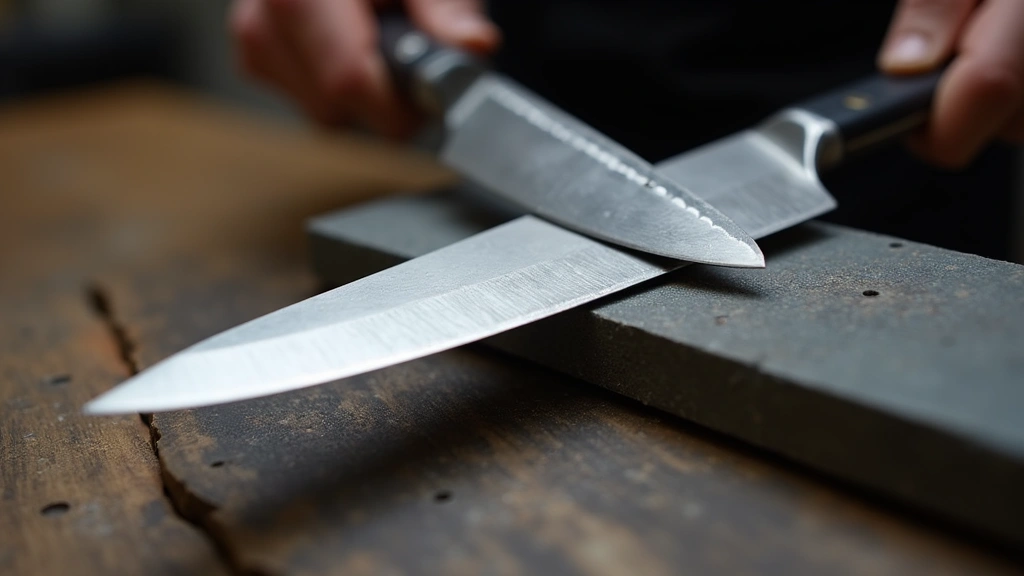
Edge maintenance requires periodic honing and occasional sharpening. Honing realigns the blade’s microscopic edge structure without removing material—something a honing steel accomplishes in seconds before each use. Sharpening removes steel to create a new edge and occurs less frequently, perhaps every 3-6 months depending on usage intensity. Many users prefer professional sharpening services, though Cobra Tech knives respond well to whetstones, pull-through sharpeners, and electric sharpening systems.
For outdoor models, occasional application of food-grade mineral oil to wood handles prevents drying and cracking. Stainless steel components require minimal maintenance beyond regular cleaning. Unlike high-carbon steel knives that develop attractive patina, Cobra Tech’s stainless blades maintain their original appearance indefinitely with basic care. Users seeking solutions to maintain equipment performance understand that preventive maintenance proves far more cost-effective than reactive repairs.
Comparison with Competitors
The premium knife market includes numerous competitors, each with distinct philosophies. German manufacturers like Wüsthof and Henckels emphasize heritage, producing heavier blades with curved edges optimized for rocking motions. These knives cost significantly more, often $200-400 for chef’s models, and require more frequent sharpening due to their softer steel composition. Japanese manufacturers like Victorinox and MAC produce lighter, harder blades with straighter edges suited for precise slicing, typically priced $150-300.
Cobra Tech positions itself between these extremes, offering Japanese-influenced blade geometry and heat treatment combined with Western-style handle ergonomics at competitive pricing ($80-200 for comparable models). This strategic positioning appeals to consumers seeking quality without excessive premium pricing. Independent reviews from The Verge and CNET consistently praise Cobra Tech’s value proposition, noting their performance metrics rival knives costing 50% more.
Compared to budget alternatives from mass retailers, Cobra Tech knives demonstrate superior edge retention, better handle ergonomics, and more consistent quality control. Budget knives often feature uneven heat treatment, poorly balanced weight distribution, and handle materials that deteriorate within months. The price difference between Cobra Tech and budget options ($50-100 additional investment) proves worthwhile given the extended lifespan and superior cutting experience.
Specialty manufacturers focusing on tactical or outdoor knives often charge premium prices ($150-400) for knives with similar specifications to Cobra Tech’s outdoor line. Cobra Tech’s competitive advantage lies in production efficiency—they manufacture at sufficient scale to achieve lower per-unit costs while maintaining quality standards that specialty manufacturers struggle to match.
Real-World User Reviews
Professional chefs consistently praise Cobra Tech knives for their value proposition. Reviews from culinary schools and restaurant kitchens note that student chefs using Cobra Tech knives achieve comparable results to those using knives costing three times as much. The primary differentiator involves edge retention—Cobra Tech blades require sharpening more frequently than ultra-premium alternatives, but this represents a minor inconvenience rather than a deal-breaker.
Home cooking enthusiasts appreciate the reasonable pricing combined with genuine quality. Users report that Cobra Tech knives significantly outperform their previous kitchen knives, making food preparation more enjoyable and efficient. The ergonomic handle design receives consistent praise, with users noting reduced hand fatigue during extended cooking sessions. Negative reviews typically address edge retention expectations—users comparing Cobra Tech directly to exotic super-steels sometimes express disappointment, though this reflects unrealistic expectations rather than Cobra Tech underperformance.
Outdoor enthusiasts and survivalists value Cobra Tech’s fixed-blade models for their reliability and versatility. Reviews consistently mention the knives’ effectiveness at batoning, field dressing game, and general camp tasks. The full-tang construction and durable handle materials inspire confidence during demanding outdoor use. Some users request additional blade length options, suggesting Cobra Tech could expand their outdoor line to address specific niches.
Collectors appreciate Cobra Tech’s design aesthetics and manufacturing quality. The knives display beautifully, and their reasonable pricing allows collectors to acquire multiple models without excessive financial commitment. Limited edition releases typically sell out quickly, indicating strong collector interest.
Buying Guide and Recommendations
Selecting the appropriate Cobra Tech knife depends on your primary use case. For kitchen applications, the Chef’s Pro model represents the optimal all-purpose choice, handling 90% of typical food preparation tasks effectively. If you prefer lighter knives or primarily slice vegetables and proteins, consider their Japanese-influenced slicing models with thinner blades and more acute edge angles. Butchers and serious home cooks benefit from specialized boning and filleting models optimized for their specific applications.
Outdoor enthusiasts should evaluate their intended activities before purchasing. Fixed-blade survival knives suit bushcraft and backcountry applications, while folding models offer greater portability for hiking and camping. Consider blade length carefully—longer blades (4-5 inches) excel at batoning and food processing, while shorter blades (2.5-3.5 inches) provide superior control and reduced weight for detail work.
Budget considerations should account for long-term value rather than initial purchase price. A $150 Cobra Tech knife that remains sharp and functional for 10+ years provides better value than a $40 budget knife requiring replacement after 1-2 years of use. Many users find that acquiring a single quality knife beats accumulating multiple mediocre alternatives.
Purchase from authorized retailers to ensure authenticity and access to warranty coverage. Cobra Tech’s official website provides a dealer locator, or you can purchase directly from established knife retailers. Many retailers offer extended warranties and satisfaction guarantees, providing additional peace of mind. When comparing prices, factor in sharpening services and maintenance supplies—some retailers bundle these value-adds with knife purchases.
Consider your knife maintenance commitment before purchasing. Users unwilling to hand wash, dry promptly, and maintain edges should evaluate alternative materials or products requiring less maintenance. However, the minimal effort required for proper care shouldn’t deter most consumers—we invest similar effort maintaining laptops and electronics without hesitation.
FAQ
Are Cobra Tech knives worth the investment?
Absolutely. Cobra Tech knives deliver exceptional value, offering performance comparable to knives costing significantly more while remaining accessible to most consumers. The combination of quality materials, thoughtful engineering, and reasonable pricing makes them excellent investments for both professional and home use.
How often should I sharpen my Cobra Tech knife?
Frequency depends on usage intensity. Home cooks typically sharpen 3-6 times annually, while professional kitchens may sharpen weekly. Most users benefit from honing before each use (which requires seconds) and professional sharpening every 3-6 months.
Can I use Cobra Tech knives in a dishwasher?
No. Always hand wash with warm water and mild soap, then dry immediately. Dishwashers expose knives to excessive heat, corrosive detergents, and mechanical damage from contact with other utensils.
What steel does Cobra Tech use?
Their premium models typically feature high-carbon stainless steel with 57-60 HRC hardness. Outdoor models sometimes use 420HC or 440C stainless steel formulations optimized for durability rather than extreme edge retention.
How do Cobra Tech knives compare to Japanese knives?
Cobra Tech blades employ Japanese-influenced geometry and heat treatment principles but incorporate Western-style ergonomic handles. They offer excellent balance between Japanese precision and Western comfort, making them ideal for users wanting both.
Do Cobra Tech knives come with a warranty?
Yes. Most models include manufacturer warranties covering defects in materials and workmanship. Warranty duration and coverage specifics vary by retailer and model, so verify details before purchasing.
Can left-handed users use Cobra Tech knives?
Most Cobra Tech models feature symmetrical blade edges suitable for either hand. However, handle ergonomics may favor right-handed users. Check product specifications or contact customer service if left-handed optimization concerns you.
Where can I purchase authentic Cobra Tech knives?
Purchase from authorized retailers listed on Cobra Tech’s official website, established knife specialty retailers, or directly from the manufacturer. Avoid third-party marketplaces lacking authentication guarantees.
How should I store Cobra Tech knives?
Use knife blocks, magnetic strips, or blade guards to protect edges and prevent accidents. Never store loose in drawers where they contact other utensils. Keep away from excessive moisture or humidity.
Are Cobra Tech knives suitable for professional kitchen use?
Yes. Professional chefs and culinary schools use Cobra Tech knives successfully. They perform comparably to more expensive professional-grade alternatives while offering superior value. Many culinary programs now recommend Cobra Tech as student knives.


