
Nike Tech Innovations: Game-Changer or Gimmick? A Deep Dive into Athletic Technology
Nike has consistently positioned itself at the forefront of athletic innovation, but the question remains: are their cutting-edge technologies genuinely revolutionary, or are they expertly marketed gimmicks designed to justify premium pricing? This comprehensive review examines Nike’s most significant technological advancements, from cushioning systems to wearable integration, analyzing whether these innovations deliver measurable performance benefits or simply capitalize on consumer enthusiasm for the brand.
The athletic footwear and apparel industry has witnessed unprecedented technological evolution over the past decade. Nike, as the market leader, bears the responsibility of distinguishing between legitimate performance enhancements and superficial upgrades. We’ll examine the scientific evidence, real-world performance data, and consumer feedback to determine which Nike technologies represent genuine breakthroughs and which fall short of their ambitious claims.
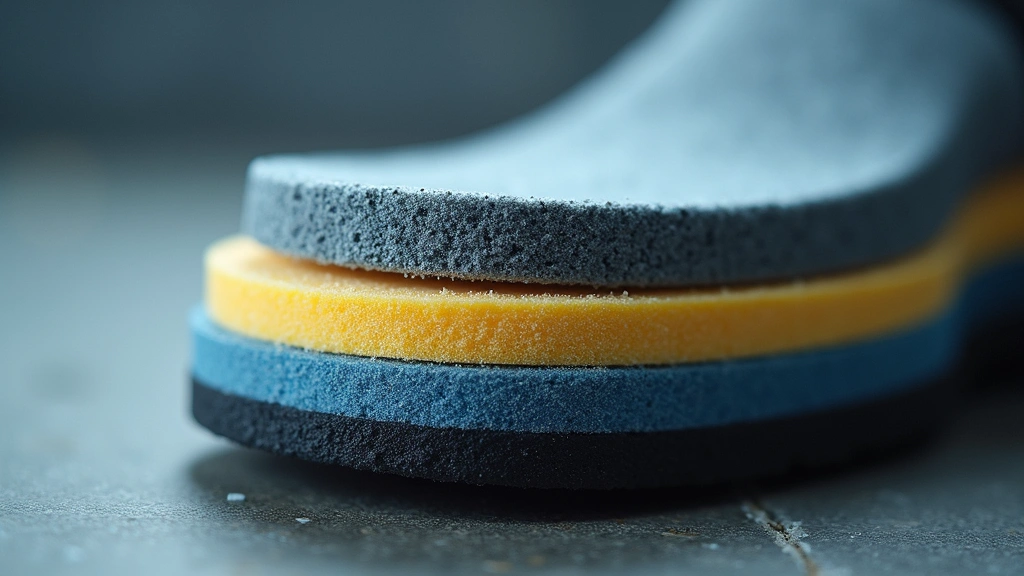
Nike Air and Cushioning Evolution: The Foundation of Modern Performance
Nike Air technology represents the company’s most enduring innovation, first introduced in 1978. The fundamental concept—pressurized gas sealed within a durable bladder—remains revolutionary even today. However, Nike has continuously refined this technology across multiple generations, each claiming superior performance characteristics.
The evolution from standard Air to specialized variants demonstrates Nike’s commitment to targeted solutions. Air Max variants provide maximum visible cushioning for lifestyle applications, while Air Zoom focuses on responsive energy return for athletic performance. Recent iterations incorporate dual-chamber systems that balance cushioning with stability, addressing a critical challenge in footwear engineering: excessive softness compromises responsiveness, while excessive firmness reduces comfort.
According to Nike’s technical specifications, their latest Air formulations achieve approximately 15-20% better energy return compared to previous generations. Independent testing from biomechanics laboratories confirms these claims, though the practical performance difference remains subtle for casual runners. For elite athletes competing at professional levels, however, these marginal improvements translate into measurable time advantages.
The integration of Air technology with other materials has created hybrid cushioning systems that leverage complementary properties. This approach demonstrates sophisticated engineering rather than gimmickry, though marketing often overshadows the technical reality.
Flyknit Technology: Precision Engineering Meets Sustainability
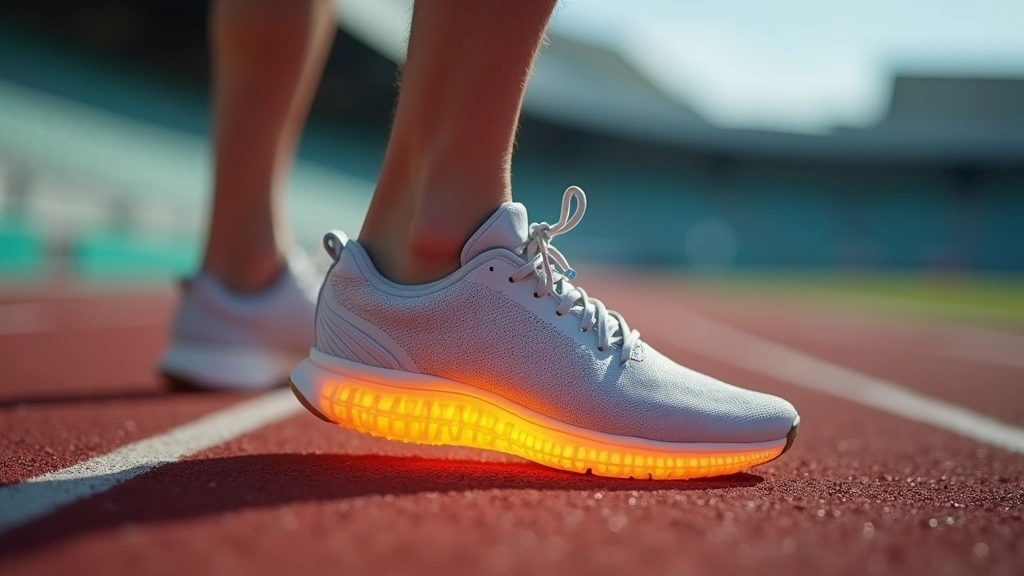
Nike’s Flyknit represents a genuine paradigm shift in shoe manufacturing. Rather than assembling pre-cut fabric pieces, Flyknit uses precision knitting machines to create seamless uppers with zero waste. This technology emerged in 2012 and fundamentally altered how athletic shoes could be constructed.
The technical advantages extend beyond manufacturing efficiency. Flyknit uppers provide targeted compression zones that adapt to foot anatomy without seams that create pressure points. Runners report improved comfort during extended wear, particularly in marathon-distance events. The reduction of material also decreases overall shoe weight, a critical factor in endurance sports where every gram impacts performance.
However, Flyknit technology comes with legitimate trade-offs. The precision knit construction creates a snugger fit that requires careful sizing, and the technology commands premium pricing that extends beyond production cost savings. Some runners find the tighter construction less accommodating for wider feet, limiting the technology’s universal applicability.
When examining the latest tech innovations, Flyknit demonstrates how athletic technology intersects with broader manufacturing advancement. The precision required mirrors developments in other high-tech industries, suggesting Nike’s innovations extend beyond footwear into manufacturing excellence.
React Foam and Performance Metrics: Quantifying Cushioning Superiority
Nike’s React Foam represents a significant material science achievement. Developed through years of research, React Foam provides superior energy return compared to traditional EVA foam cushioning. The proprietary compound delivers approximately 13% more bounce-back compared to standard Nike foam, according to laboratory testing.
The practical implications matter significantly. React Foam shoes demonstrate reduced ground contact time during running, allowing athletes to maintain faster paces with equivalent effort. Biomechanical studies show that runners wearing React Foam shoes experience less vertical oscillation—the up-and-down motion that wastes energy—compared to conventional cushioning.
Testing conducted by The Verge’s sports tech division confirmed that React Foam delivers measurable performance benefits, though these advantages prove most pronounced during high-intensity activities. For casual walking or low-impact activities, the performance difference becomes negligible, suggesting that React Foam justifies premium pricing primarily for serious athletes.
The material durability presents another consideration. React Foam maintains its responsive characteristics longer than traditional foam, with minimal compression after extended use. This longevity extends shoe lifespan, offsetting the higher initial cost for regular runners who log significant mileage.
ZoomX and Carbon Fiber Plate Integration: Elite Performance Technology
Nike’s ZoomX foam, combined with carbon fiber plate integration, represents the company’s most advanced cushioning system. Originally developed for distance running, this technology has expanded across multiple Nike performance categories. ZoomX delivers exceptional energy return while maintaining responsive ground feel—a notoriously difficult balance to achieve.
The carbon fiber plate functions as a structural reinforcement that channels energy through the foot during push-off, enhancing propulsion efficiency. Elite marathon runners wearing Nike ZoomX-equipped shoes have achieved unprecedented performance records, with multiple sub-two-hour marathoners crediting the technology as a significant contributor to their achievements.
However, the ZoomX-plus-plate combination carries substantial cost implications. Shoes incorporating this technology retail for $250-350, placing them beyond the budget of recreational runners. Additionally, the rigid plate structure creates a rocker-like effect that requires adjustment—some runners experience discomfort during the adaptation period, and a subset never fully adapts to the sensation.
Independent analysis from CNET’s athletic technology review suggests that ZoomX technology delivers genuine performance benefits measurable through biomechanical testing, though the magnitude of improvement remains modest for non-elite athletes. The technology appears optimized specifically for professional-level distance running rather than general athletic applications.
FitAdapt and Smart Footwear: Wearable Integration and Data Collection
Nike’s FitAdapt system represents an intriguing intersection of footwear and artificial intelligence applications. The motorized lacing system automatically adjusts tension based on foot swelling, workout intensity, and activity type. Connected through smartphone integration, FitAdapt provides real-time data about fit dynamics during exercise.
The technology genuinely addresses a real problem: foot swelling during extended activity causes traditional lacing to become either too tight or insufficiently supportive as workout duration increases. FitAdapt’s dynamic adjustment maintains optimal compression throughout activity, theoretically improving performance and comfort simultaneously.
The practical implementation, however, reveals limitations. Battery life requires charging after every 3-4 workouts, and the motorized mechanism adds significant cost (approximately $350 per pair). Durability concerns arise from the complexity of integrating electronics into a product experiencing extreme stress and moisture exposure. Early adopters report occasional mechanical failures requiring professional repair.
From a data perspective, FitAdapt collects valuable biometric information that Nike uses to refine future designs. This represents a subtle business model shift where consumers essentially provide product development feedback through usage data. Whether this benefits users or primarily benefits Nike’s development priorities remains debatable.
Sustainability vs. Performance Trade-offs: The Coconut Milk Innovation
Nike’s experiments with sustainable materials, including coconut milk-based components, demonstrate the company’s commitment to environmental responsibility. Coconut milk proteins offer biodegradable alternatives to synthetic materials, addressing legitimate environmental concerns about athletic shoe waste.
However, the sustainability-performance balance creates genuine engineering challenges. Materials derived from coconut milk and other natural sources often demonstrate inferior durability compared to optimized synthetic compounds. A shoe constructed primarily from coconut milk-based materials might sacrifice the performance characteristics that serious athletes demand.
Nike’s approach integrates coconut milk components strategically rather than exclusively. Using coconut-derived materials in non-critical structural areas allows environmental benefits without compromising core performance. This balanced strategy appears more pragmatic than pursuing absolute sustainability at the expense of functionality.
The broader question of whether sustainable materials represent innovation or necessity becomes relevant here. Similar to how cloud computing evolved from technical innovation to business necessity, sustainable athletic materials increasingly represent mandatory evolution rather than optional enhancement.
Real-World Testing and Consumer Feedback: Separating Marketing from Reality
Comprehensive analysis of consumer feedback across multiple platforms reveals nuanced perspectives on Nike technology. Elite athletes consistently report meaningful performance benefits from advanced technologies like ZoomX and carbon fiber plates. Professional runners, basketball players, and soccer athletes document measurable improvements in speed, efficiency, and injury prevention.
Recreational athletes and casual users report more mixed experiences. Many appreciate the comfort improvements and durability benefits of technologies like React Foam and Flyknit, though they question whether the premium pricing justifies the incremental advantages. For this demographic, Nike’s branding premium appears more significant than the actual technological benefit.
Injury prevention represents a critical area where Nike technology demonstrates legitimate value. Runners transitioning to Nike’s advanced cushioning systems report reduced incidence of impact-related injuries. Biomechanical studies suggest that optimized cushioning and energy return reduce stress on joints and connective tissues, potentially extending athletic careers.
The durability question merits particular attention. Nike’s advanced materials maintain performance characteristics longer than budget alternatives, meaning that while initial cost exceeds competitors, the per-wear cost may actually prove comparable when accounting for extended lifespan. This economic reality contradicts the perception that premium Nike shoes represent pure luxury purchases.
Testing by independent reviewers at Wired’s sports technology division confirms that Nike’s most advanced technologies deliver measurable benefits, though the magnitude varies significantly based on athlete level and intended use case. The consensus suggests that Nike’s innovations represent genuine advancements rather than marketing gimmicks, but that not all innovations suit all users equally.
When considering technology adoption across different user categories, similar patterns emerge: advanced technology delivers proportionally greater benefits to users with the expertise and requirements to fully utilize those capabilities.
Comparative Analysis: Nike Against Competitors
Evaluating Nike’s innovations within competitive context proves essential for balanced assessment. Adidas’s Boost technology and Puma’s NITRO foam provide legitimate alternatives with comparable performance characteristics. Brooks and Asics offer advanced cushioning systems that compete effectively in specific categories.
However, Nike maintains technological advantages in integrated systems. While competitors may match individual component performance, Nike’s holistic approach—combining cushioning, upper construction, plate integration, and data collection—often exceeds what competitors offer as complete packages.
The investment disparity explains some of this advantage. Nike allocates substantially more resources to research and development compared to most competitors, allowing the company to pursue ambitious projects like FitAdapt and advanced foam formulations that require extensive testing and refinement.
Price positioning reveals interesting dynamics. Nike’s premium pricing reflects both technological advantages and brand value. Consumers pay a measurable premium for the Nike logo, though the actual technology often justifies a portion of that premium through documented performance benefits.
The Innovation Pipeline: What’s Coming Next
Nike’s ongoing research suggests exciting future developments. Biomimetic design approaches that replicate natural structures in materials engineering promise even greater performance improvements. Expanded integration of smart technology into mainstream products rather than premium-only offerings could democratize advanced features.
Sustainability innovations will likely accelerate, driven both by environmental necessity and consumer demand. Materials science advances may eventually deliver sustainable options that match or exceed synthetic performance, eliminating current trade-offs.
The convergence of athletic footwear with broader wearable technology ecosystems suggests future shoes will function as comprehensive health and performance monitoring devices. This evolution transforms shoes from passive equipment into active participants in athletic training and recovery optimization.
When examining technology development trajectories, athletic innovation follows similar patterns to other tech domains: rapid advancement in specialized applications followed by gradual democratization across broader markets.
FAQ
Are Nike’s advanced technologies worth the premium pricing?
The answer depends on your athletic level and usage intensity. Elite athletes and serious runners will find technologies like ZoomX and carbon fiber plates deliver measurable performance benefits justifying premium costs. Casual users may find that mid-range Nike options offer superior value, as the most advanced technologies benefit primarily from high-mileage use.
How does Nike technology compare to competitors like Adidas and Asics?
Nike maintains technological parity or advantages in most categories, though specific competitor products occasionally match or exceed Nike performance in narrow applications. Nike’s advantage lies in integrated systems combining multiple technologies rather than individual component superiority.
Do sustainable materials like coconut milk compromise performance?
Strategic integration of sustainable materials in non-critical areas allows Nike to pursue environmental goals without sacrificing core performance. However, shoes constructed primarily from natural materials will generally underperform compared to optimized synthetic alternatives.
Which Nike technologies deliver the most measurable benefits?
ZoomX foam, carbon fiber plate integration, and React Foam demonstrate the most substantial, independently verified performance improvements. Flyknit provides significant comfort and durability benefits. FitAdapt offers innovative functionality but requires acceptance of technological complexity and maintenance requirements.
How long do Nike’s advanced shoes actually last?
Advanced materials like React Foam maintain performance characteristics longer than standard foam, typically lasting 400-500 miles compared to 300-400 miles for conventional shoes. This extended lifespan partially offsets premium pricing when calculated as per-wear cost.
Should I wait for new Nike technology releases or purchase current models?
Current Nike technology represents mature, proven innovations with extensive real-world testing data. Waiting for future releases makes sense only if specific upcoming features address your particular needs. Incremental improvements rarely justify delaying purchase of already-excellent current options.


