Texas Tech Gadgets: Cody Campbell’s Top Picks for Tech Enthusiasts
When it comes to cutting-edge technology and innovative gadgets, few voices resonate as authentically as Cody Campbell’s in the Texas tech community. As a passionate technology advocate and early adopter, Campbell has established himself as a trusted resource for those seeking reliable recommendations on the latest hardware, software, and digital solutions. His curated selections reflect a deep understanding of both consumer needs and technological advancement, making his picks invaluable for students, professionals, and tech enthusiasts across Texas and beyond.
Whether you’re looking to enhance your productivity, upgrade your computing setup, or explore the newest innovations in personal technology, Cody Campbell’s recommendations offer a roadmap to making informed purchasing decisions. This comprehensive guide explores his most compelling gadget selections, breaking down the features, specifications, and real-world applications that make these devices stand out in an increasingly crowded marketplace.
Essential Laptops for Students and Professionals
Cody Campbell consistently emphasizes that selecting the right laptop is foundational to any tech setup. The modern laptop landscape offers unprecedented variety, from ultraportable ultrabooks to powerful workstations. Campbell’s recommendations prioritize devices that balance performance, portability, and value—three factors that resonate strongly with the Texas Tech community.
For students navigating demanding coursework, Campbell advocates for machines featuring solid-state drives (SSDs), at least 16GB of RAM, and processors capable of handling multitasking. The best laptops for students in 2025 showcase significant improvements in thermal management and battery efficiency compared to previous generations. Campbell notes that battery life often determines real-world usability—a laptop that lasts twelve hours provides substantially more flexibility than one requiring constant charging.
Professionals in fields like engineering, design, and software development benefit from Campbell’s emphasis on display quality and processing power. High-resolution displays (2560×1600 or higher) reduce eye strain during extended work sessions, while modern processors deliver the computational muscle necessary for resource-intensive applications. Campbell frequently references specifications from CNET’s computing section, which provides detailed performance benchmarks and real-world testing data.
The investment in quality computing hardware yields dividends over time. Campbell’s philosophy emphasizes durability and long-term value rather than chasing the newest model annually. A well-selected laptop can serve effectively for five to seven years with proper maintenance and occasional component upgrades.
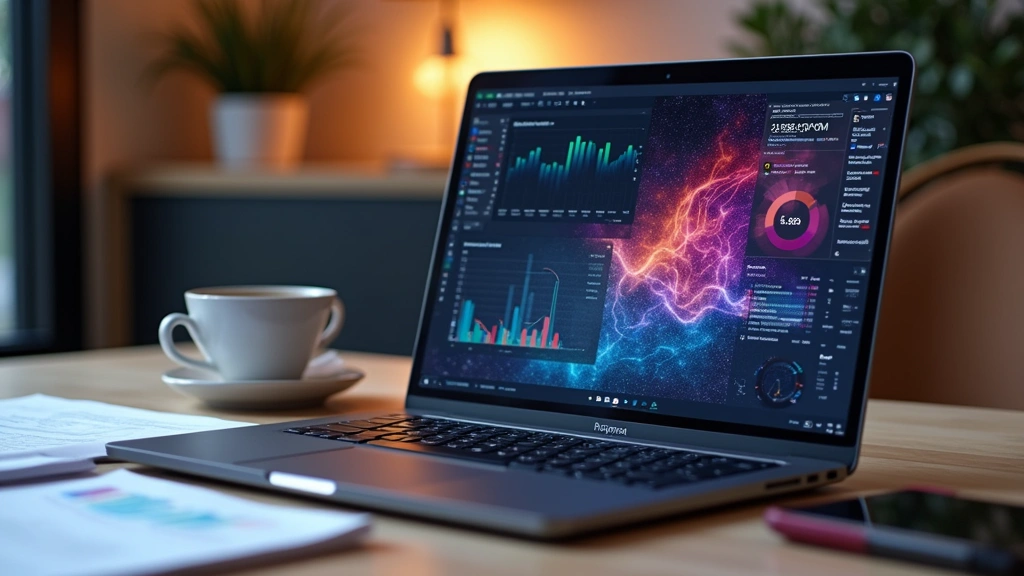
” alt=”High-performance laptop displaying colorful data visualization on premium display screen during professional work session”>
High-Performance Computing Solutions
Beyond traditional laptops, Cody Campbell recognizes that many professionals require desktop-class performance. Building or customizing a personal computer offers unmatched flexibility and value for those with specific computational needs. Campbell’s guidance on how to build a personal computer has helped countless Texas Tech alumni and community members construct systems tailored to their exact requirements.
The architecture of a high-performance system depends fundamentally on intended use cases. Video editors, 3D modelers, and software developers benefit from processors with high core counts—sixteen cores or more providing substantial parallel processing capability. Graphics processing units (GPUs) have evolved from gaming-specific components into essential tools for machine learning, scientific computing, and content creation. Campbell emphasizes selecting GPUs with adequate VRAM (video memory), as this directly impacts performance when handling large datasets or complex visual processing tasks.
Memory configuration represents another critical consideration. While consumer applications typically function adequately with 16GB of RAM, professional workflows often benefit from 32GB or 64GB configurations. Campbell notes that RAM prices have stabilized, making higher-capacity systems more economically viable than in previous years. Additionally, understanding how to upgrade laptop memory provides flexibility for users seeking to extend system lifespan without complete replacement.
Storage solutions have undergone revolutionary transformation. NVMe SSDs delivering speeds of 5,000+ MB/s have become standard, with PCIe 4.0 and 5.0 drives offering even greater throughput. Campbell recommends prioritizing fast storage over capacity, as modern workflows benefit more from responsiveness than raw storage space. Cloud integration and external storage solutions complement internal drives effectively.
Cooling and power delivery systems warrant serious attention in high-performance builds. Inadequate cooling leads to thermal throttling, where processors reduce speed to manage temperature—effectively undermining performance gains from expensive components. Campbell advocates for generous cooling capacity, with tower CPU coolers or liquid cooling solutions providing superior thermal management compared to minimal factory implementations.
Portable Gadgets for On-the-Go Productivity
The rise of remote work and mobile-first lifestyles has elevated portable gadgets to essential status. Cody Campbell recognizes that productivity increasingly occurs outside traditional office environments. Quality external peripherals and mobile accessories dramatically enhance usability of laptops and tablets when working away from dedicated desks.
Mechanical keyboards designed for portability offer surprising capability despite compact dimensions. Modern wireless technology ensures lag-free responsiveness while eliminating cable clutter. Campbell frequently recommends keyboards featuring mechanical switches, which provide superior tactile feedback and durability compared to rubber dome alternatives. For those spending extended periods typing on portable devices, investing in quality input peripherals prevents fatigue and maintains productivity levels.
Wireless mice and trackpads complete the mobile setup. Precision-engineered sensors deliver consistent tracking across various surfaces, while ergonomic designs reduce wrist strain during extended use. Campbell emphasizes that peripheral comfort directly impacts work quality—awkward input devices create unconscious tension that accumulates throughout the day, reducing focus and increasing error rates.
Portable power solutions have evolved dramatically, with high-capacity power banks featuring multiple USB-C ports and fast-charging protocols. Campbell notes that modern power banks can provide multiple full device charges, enabling full workdays without access to wall outlets. Fast-charging technology (particularly USB Power Delivery standards) ensures devices recharge efficiently during brief breaks.
Monitor arms and laptop stands transform portable setups into ergonomic workstations. Proper screen height and viewing angles prevent neck strain and promote better posture during extended work sessions. Campbell advocates for adjustable solutions accommodating various devices and user preferences.
Smart Home and Connected Devices
Smart home technology has matured significantly, offering genuine utility beyond novelty appeal. Cody Campbell evaluates smart home gadgets based on practical benefits, integration capabilities, and long-term reliability. He emphasizes that successful smart home implementation requires careful ecosystem selection—mixing incompatible platforms creates frustration and limits functionality.
Climate control represents the highest-value smart home investment. Programmable thermostats learn usage patterns, adjust temperatures automatically, and provide remote control via smartphone apps. Campbell notes that smart thermostats often pay for themselves through energy savings within two to three years. Integration with weather data enables predictive adjustments, maintaining comfort while minimizing energy consumption.
Lighting systems offer surprising quality-of-life improvements. Smart bulbs and fixtures enable scheduling, color adjustment, and remote control. Campbell observes that proper lighting significantly impacts mood and productivity—the ability to adjust color temperature throughout the day (warmer tones in evening, cooler in morning) aligns with circadian rhythms and promotes better sleep quality.
Security cameras and smart locks provide both security and convenience. Modern systems feature high-resolution imaging, night vision, and cloud storage of footage. Integration with smartphone notifications enables real-time awareness of household activity. Campbell emphasizes prioritizing privacy by selecting systems with robust encryption and local storage options.
Voice assistants have become increasingly sophisticated, supporting complex commands and multi-step automation routines. However, Campbell recommends evaluating privacy implications carefully. Users should understand data collection practices and configure devices appropriately, disabling unnecessary microphone access and regularly reviewing voice history logs.
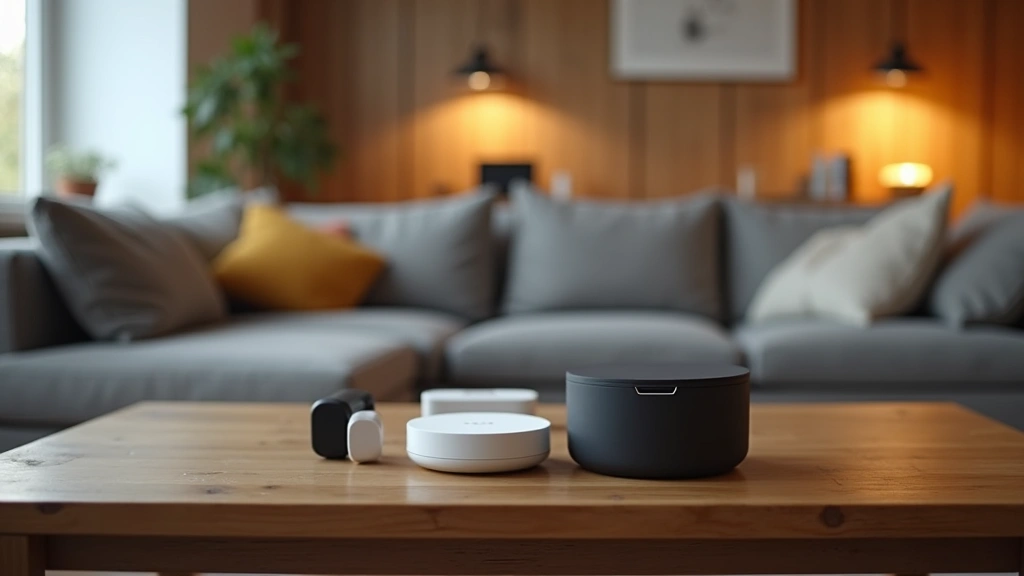
” alt=”Modern smart home hub device with multiple connected IoT devices displayed on wooden table in contemporary living space”>
Gaming and Entertainment Tech
Gaming gadgets represent a significant category within Cody Campbell’s recommendations, appealing to both casual players and competitive enthusiasts. Modern gaming hardware demonstrates remarkable sophistication, with specialized features enhancing both performance and immersion.
Gaming monitors with high refresh rates (144Hz, 240Hz, or higher) provide dramatically smoother visual experiences compared to standard 60Hz displays. Lower response times (1ms or less) reduce input lag, providing competitive advantages in fast-paced games. Campbell notes that high refresh rate displays benefit beyond gaming—scrolling through documents and web content feels noticeably more fluid.
Gaming headsets have evolved into serious audio equipment. Quality spatial audio creates immersive soundscapes, while noise-canceling microphones ensure clear communication during multiplayer sessions. Campbell emphasizes that good audio contributes significantly to gaming enjoyment and competitive performance—hearing enemy footsteps or directional cues provides crucial tactical information.
Game consoles continue offering compelling value for entertainment-focused users. Modern consoles feature impressive processing power, extensive game libraries, and integrated multimedia capabilities. Campbell observes that console gaming remains the most economical path to high-performance gaming for many users, eliminating the complexity of PC hardware selection and optimization.
VR (virtual reality) technology has matured substantially, offering increasingly immersive experiences. Standalone VR headsets eliminate PC requirements while delivering impressive visual fidelity. Campbell notes that VR applications extend beyond gaming into training, education, and professional visualization applications.
Budget-Friendly Tech Alternatives
Cody Campbell recognizes that premium pricing doesn’t guarantee superior value. The tech market offers numerous budget-conscious alternatives delivering impressive performance and functionality at significantly lower price points. Strategic purchasing enables cost-conscious consumers to access quality technology without excessive expenditure.
Refurbished and certified pre-owned devices represent underutilized opportunities. Manufacturers and retailers offer extensively tested refurbished products with warranties, often at 30-50% discounts compared to new equivalents. Campbell emphasizes that refurbished devices undergo rigorous quality control, ensuring reliability comparable to new units.
Open-source software eliminates licensing costs while providing powerful functionality. Linux operating systems power countless servers and workstations, offering superior stability and customization compared to proprietary alternatives. Free software like GIMP, LibreOffice, and Blender deliver professional-grade capabilities for creative work. Campbell advocates exploring top programming languages in 2025 for career development without expensive proprietary tools.
Budget-friendly smartphone options deliver surprising capability. Mid-range devices priced $300-500 often provide 90% of flagship functionality at 40-50% of the cost. Campbell notes that processor performance, camera quality, and display technology have democratized—budget models now feature capabilities previously exclusive to premium devices.
Tablet computers offer versatile computing at attractive price points. Entry-level tablets handle productivity tasks, reading, and media consumption effectively. Campbell frequently recommends tablets for students seeking portable devices for note-taking and research, as they often provide better battery life and lower costs compared to laptops.
Community resources and tech support networks provide invaluable assistance for budget-conscious builders. Online forums, YouTube tutorials, and open-source documentation enable users to troubleshoot issues and optimize systems without expensive professional services. Campbell emphasizes that technical knowledge represents the most valuable resource—learning to maintain and upgrade systems independently reduces long-term costs substantially.
Frequently Asked Questions
What does Cody Campbell prioritize when recommending tech gadgets?
Campbell focuses on real-world usability, long-term value, and alignment with specific user needs. He emphasizes practical benefits over specifications alone, considering factors like durability, ecosystem compatibility, and total cost of ownership. His recommendations reflect extensive hands-on experience and community feedback from Texas Tech users.
How often should I upgrade my primary computing device?
Campbell recommends keeping quality laptops and desktops for five to seven years when properly maintained. Rather than complete replacement, targeted upgrades—like adding RAM or replacing storage drives—extend useful lifespan cost-effectively. This approach reduces electronic waste while maintaining performance adequate for most applications.
Which operating system does Campbell recommend for most users?
Campbell’s recommendation depends on user needs and preferences. Windows dominates consumer and professional markets with extensive software compatibility. macOS appeals to creative professionals and those valuing ecosystem integration. Linux provides maximum customization and cost efficiency for technical users. He advocates selecting based on specific requirements rather than brand loyalty.
How important is brand reputation in gadget selection?
While established brands typically offer better support and reliability, Campbell emphasizes evaluating individual products rather than assuming brand superiority. Emerging manufacturers frequently deliver excellent value with innovative designs. Reading professional reviews from sources like The Verge’s review section and AnandTech provides detailed performance data transcending brand marketing claims.
What’s the best approach to learning about new technology?
Campbell recommends diverse information sources including professional tech reviewers, manufacturer specifications, user communities, and hands-on experience when possible. The TechPulse Hunter Blog main hub aggregates diverse perspectives on emerging technologies. Following industry analysts and journalists ensures awareness of trends and innovations affecting technology selection decisions.
How do I determine if a gadget represents good value?
Campbell evaluates value through total cost of ownership, considering purchase price, maintenance costs, lifespan, and capability relative to alternatives. A more expensive device offering superior durability and longevity often provides better value than cheaper alternatives requiring frequent replacement. Consider specific use cases—premium features worth paying for in professional contexts may represent unnecessary expense for casual users.
Should I prioritize specifications or real-world performance?
While specifications provide useful reference points, Campbell emphasizes real-world performance matters more. Two devices with identical processor specifications may perform differently due to cooling design, thermal optimization, and software efficiency. Professional reviews testing actual performance under realistic conditions provide more reliable guidance than specification comparisons alone.
Cody Campbell’s approach to technology recommendations emphasizes informed decision-making based on practical considerations, thorough research, and honest assessment of genuine user needs. By following his methodology—evaluating specifications, researching real-world performance, considering long-term value, and aligning choices with specific requirements—technology enthusiasts can build capable systems delivering satisfaction and reliability for years to come.


