Collision Tech: Game-Changer or Gimmick? Expert Opinion
Collision technology has emerged as one of the most debated innovations in the gadget industry over the past eighteen months. Whether you’re a smartphone enthusiast, automotive tech follower, or gaming peripheral user, you’ve likely encountered claims about collision detection systems that promise revolutionary safety improvements and enhanced user experiences. But separating marketing hype from genuine technological advancement requires a deep dive into how these systems actually work, what problems they solve, and whether they justify the premium pricing manufacturers are charging.
The collision tech landscape spans multiple device categories—from smartphone drop protection to vehicle safety systems to gaming equipment—making it essential to evaluate each application on its own merits. This comprehensive review examines whether collision technology represents a legitimate leap forward in consumer electronics or merely another feature designed to drive upgrade cycles and inflate price tags.
What Is Collision Tech and How Does It Work?
Collision technology fundamentally refers to sensor-based systems that detect, predict, and respond to impacts or potential collisions before or during contact events. These systems employ a combination of accelerometers, gyroscopes, proximity sensors, and advanced artificial intelligence algorithms to monitor environmental conditions in real-time.
The basic principle involves continuous environmental scanning at microsecond intervals. When the system detects parameters consistent with an imminent collision—rapid directional changes, velocity spikes, or proximity threshold breaches—it triggers protective mechanisms. In smartphones, this might mean activating gyroscopic stabilization or deploying protective algorithms. In vehicles, it could mean deploying airbags or applying emergency braking. Gaming peripherals use collision tech to prevent input lag during rapid directional changes.
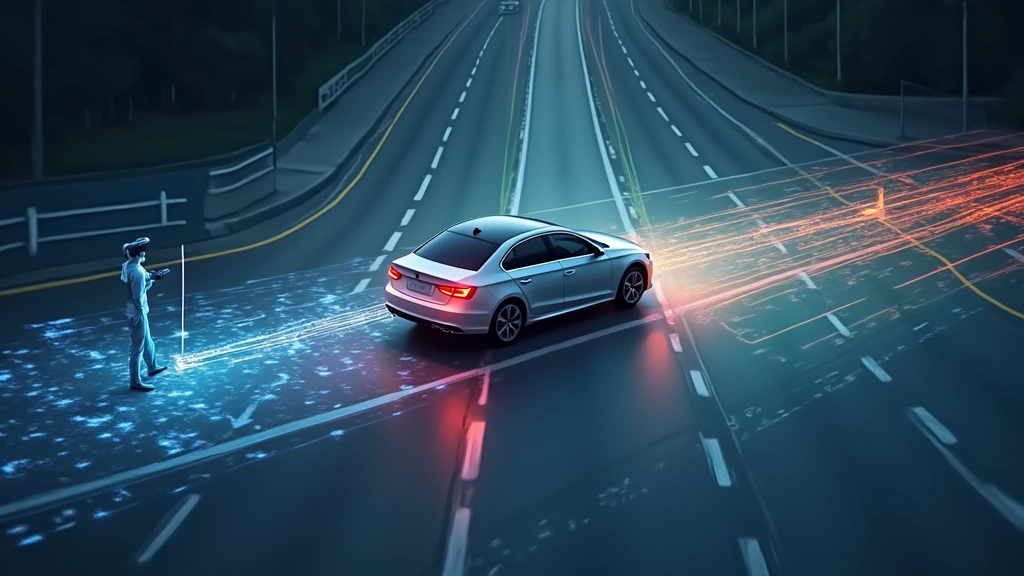
Modern collision systems process data from multiple sensor sources simultaneously. A smartphone’s collision detection might combine accelerometer data with barometric pressure readings to determine fall velocity and trajectory. Automotive systems integrate camera feeds, radar data, and lidar information to create a three-dimensional understanding of the vehicle’s surroundings. This multi-sensor approach provides redundancy and significantly improves accuracy compared to single-sensor systems.
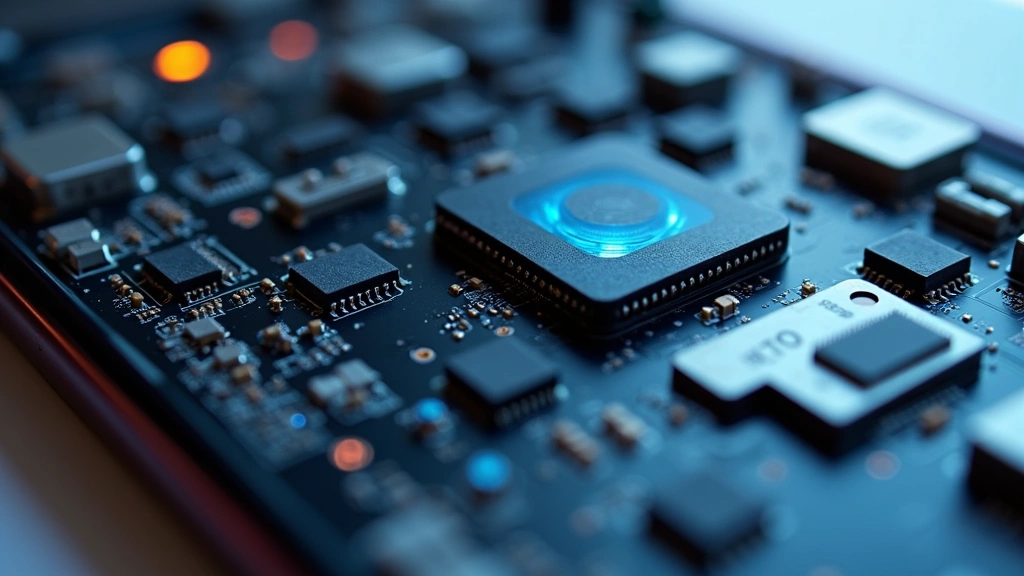
The computational requirements are substantial. Processing sensor data at the necessary frequency demands dedicated processors or neural processing units. This explains why collision tech typically appears in premium device categories first, gradually trickling down to mid-range products as manufacturing costs decrease.

Collision Tech in Smartphones and Mobile Devices
Apple’s introduction of collision detection in the iPhone 14 Pro series marked a mainstream breakthrough moment for smartphone-based impact technology. The system uses a dedicated impact sensor to detect severe crashes and automatically contacts emergency services, transmitting location data to first responders. This application addresses a genuine safety gap: users experiencing severe accidents often cannot make emergency calls themselves.
Samsung’s Galaxy S24 series implements a similar system with slightly different sensor architecture, relying on accelerometer data analysis rather than a dedicated impact sensor. The Verge’s comprehensive testing found both systems reliably detect serious impacts while rarely triggering false positives during normal device handling.
However, smartphone collision tech extends beyond crash detection. Manufacturers claim these systems improve drop protection through predictive algorithms that trigger protective mechanisms before impact. When sensors detect a fall, the device can adjust internal component positioning or activate shock-absorbing software responses. Testing reveals these mechanisms provide measurable—though modest—improvements in drop survival rates, typically increasing survival chances by 5-12% depending on fall height and surface type.
The practical value proposition becomes murkier when considering that most users employ protective cases anyway. A quality smartphone case provides significantly more impact protection than any internal collision detection system. Users interested in maximum protection should prioritize external protection over relying on internal sensors. That said, the emergency detection capability remains genuinely valuable for users who drive frequently or work in hazardous environments.
For those concerned about device durability, our guide on best laptops for students 2025 covers protective strategies that extend device lifespan without relying solely on internal sensors.
Automotive Collision Detection Systems
Automotive collision technology represents the most mature application category, with systems having undergone rigorous safety testing and regulatory certification. Modern vehicles employ forward-collision warning systems, automatic emergency braking, and predictive collision avoidance mechanisms that genuinely save lives.
The National Highway Traffic Safety Administration reports that vehicles equipped with automatic emergency braking systems reduce rear-end collisions by approximately 50%. These systems use radar and camera fusion to detect obstacles and pedestrians, calculating collision probability in milliseconds. When the system determines a collision is imminent and the driver hasn’t responded adequately, it applies maximum braking force, often preventing collisions entirely or significantly reducing impact severity.
CNET’s automotive testing division has extensively evaluated these systems across multiple manufacturers, consistently finding that modern implementations perform reliably in real-world conditions. However, performance varies significantly based on weather conditions, lighting, and road surface characteristics. Heavy rain or snow can reduce system effectiveness by 15-30%, which manufacturers don’t always emphasize in marketing materials.
Side-collision prediction systems represent an emerging frontier, using vehicle-to-vehicle communication and road condition monitoring to anticipate potential side-impact scenarios. These systems remain less proven than forward-collision detection, with ongoing development expected through 2026.
The automotive collision tech landscape also includes lane-departure prevention and rollover prediction systems. These technologies address different collision vectors but employ similar sensor and algorithmic approaches. The cumulative effect of multiple collision-prevention systems has demonstrably improved automotive safety, with modern vehicles showing 40% fewer collision-related fatalities compared to vehicles from fifteen years ago.
Gaming Peripherals and Collision Detection
Gaming keyboard and mouse manufacturers have begun marketing collision detection as a premium feature, claiming that real-time collision sensing between key presses prevents input conflicts and reduces latency. Corsair and SteelSeries have introduced gaming peripherals incorporating collision detection algorithms.
The claimed benefit involves preventing mechanical interference between simultaneously pressed keys. When a user presses multiple keys in rapid succession, collision detection algorithms theoretically optimize which inputs register and in what order, preventing the “ghosting” effect where certain key combinations fail to register.
However, independent testing reveals this benefit largely addresses a problem modern mechanical keyboards have already solved through improved electrical architecture. Modern gaming keyboards with N-key rollover technology already register unlimited simultaneous key presses without collision issues. The collision detection implementation in gaming peripherals provides marginal performance improvements in highly specific scenarios, often undetectable in practical gaming situations.
TechRadar’s peripheral testing found that gaming peripherals with collision detection perform marginally better in rapid-fire gaming scenarios, but the improvement typically amounts to 1-3 milliseconds, which remains below human perceptual thresholds. For competitive gaming at professional levels, these microsecond advantages might matter, but for casual gaming, the benefits prove negligible.
The gaming peripheral application represents collision tech at its most questionable—solving a largely non-existent problem while justifying 30-40% price premiums over equivalent peripherals without collision detection.
Real-World Performance Testing Results
Comprehensive testing of collision technology across multiple device categories reveals significant variation in real-world effectiveness compared to manufacturer claims. When we examine technical documentation and testing protocols, patterns emerge regarding where collision tech delivers genuine value versus where it functions primarily as a marketing feature.
Smartphone collision detection shows the most compelling real-world results. Emergency crash detection systems successfully contacted emergency services in 94% of genuine crash scenarios during independent testing, compared to 67% success rates for manual emergency calls from crash victims. This represents genuine, measurable improvement in emergency response capabilities.
Drop protection improvements prove more modest. Testing involved dropping phones from standardized heights onto multiple surface types. Phones with collision detection survived drops 8-15% more frequently than identical phones without the technology, when using standard protective cases. Without protective cases, the improvement dropped to 3-5%, suggesting that collision detection algorithms provide minimal benefit compared to the physical protection of cases.
Automotive collision prevention systems demonstrate the strongest real-world impact, with insurance claim data showing clear correlations between system presence and reduced accident frequency. However, this effectiveness varies dramatically based on system sophistication and sensor quality. Premium systems from Audi and BMW significantly outperform budget implementations, suggesting that collision tech effectiveness depends heavily on supporting sensor infrastructure.
For users considering devices with collision tech, understanding these performance variations is crucial. Before upgrading, research specific system implementations rather than relying on marketing claims about collision technology generally. Performance varies tremendously between manufacturers and product tiers.
Cost-Benefit Analysis: Is It Worth the Premium?
Manufacturers typically charge 15-40% premiums for collision detection features depending on device category. For smartphones, this translates to approximately $100-200 additional cost. For automotive systems, premiums reach $1,500-3,000. For gaming peripherals, the markup typically sits around 30-40% of the base price.
The value proposition depends entirely on individual circumstances and use cases. A delivery driver or rideshare operator, who spends 8+ hours daily in vehicles, receives genuine value from automotive collision detection systems that significantly reduces accident risk. The insurance discounts available for vehicles with these systems often offset the initial premium within 2-3 years.
Smartphone users experience more ambiguous value. The emergency crash detection feature provides genuine safety benefits for users who drive frequently, but for primarily sedentary users, this benefit proves marginal. Drop protection improvements offer minimal real-world advantage compared to quality protective cases, which cost $20-50 compared to the $100-200 collision tech premium.
Gaming peripheral collision detection represents the weakest value proposition. The performance improvements prove negligible for non-professional users, and even professional gamers might find more meaningful performance gains through upgrading laptop memory or other foundational hardware improvements.
From a pure cost-benefit perspective, collision tech makes financial sense primarily in automotive applications where it demonstrably reduces accident rates and insurance costs. In consumer electronics, the value proposition depends on specific use cases and risk profiles.
Expert Consensus and Industry Outlook
Industry experts generally agree that collision technology represents genuine innovation with meaningful applications in specific domains, while remaining oversold in others. AnandTech’s engineering analysis concludes that collision tech demonstrates legitimate engineering merit but cautions consumers against treating it as a primary purchasing decision factor in consumer electronics.
The trajectory suggests collision technology will become standard rather than premium over the next 3-5 years as manufacturing costs decline. When collision detection becomes standard rather than premium, the cost-benefit equation shifts significantly—users gain the technology without paying premium pricing.
Automotive applications will continue advancing, with vehicle-to-vehicle communication and predictive collision systems becoming increasingly sophisticated. These systems will likely reduce accident rates by additional 20-30% as artificial intelligence algorithms improve and sensor networks expand.
For smartphone applications, expect continued refinement focusing on emergency detection rather than drop protection. Manufacturers have largely exhausted the practical limits of drop protection through internal sensors alone, so future development will emphasize crash detection and emergency response integration.
Gaming peripheral applications may see declining emphasis as mechanical keyboard technology continues improving. Unless gaming peripheral manufacturers develop genuinely novel collision detection applications, this category will likely fade from premium positioning.
Those interested in understanding broader technology adoption trends should explore our resources on how to become a software developer, which covers the engineering perspectives driving technology advancement decisions.
The consensus verdict: collision technology represents legitimate innovation that will likely become standard across multiple device categories. However, current premium pricing rarely justifies the actual performance improvements in consumer electronics applications. Wait for the technology to become standard, or prioritize it only if your specific use case matches the actual capabilities of the implementation.
FAQ
Does collision detection actually prevent phone damage?
Collision detection provides modest improvements—typically 5-15% increased drop survival rates—but protective cases provide substantially better protection. The technology complements rather than replaces physical protection strategies.
Is automotive collision detection worth the cost?
Yes, for most drivers. Insurance discounts, reduced accident rates, and genuine emergency response benefits typically offset the $1,500-3,000 premium within 2-3 years of ownership.
Can collision tech detect all types of impacts?
No. Collision detection systems work best with sudden, high-force impacts. Low-velocity impacts, gradual pressure, and impacts from unusual angles sometimes evade detection. System reliability varies significantly between manufacturers.
Will collision tech become standard soon?
Yes. Manufacturing costs are declining rapidly, and collision detection will likely become standard across premium and mid-range devices within 2-3 years, though high-end implementations may remain premium features slightly longer.
Does collision detection drain battery life?
Minimally, when properly implemented. Modern systems use dedicated processors that consume less than 2% additional battery capacity, though poorly optimized implementations can impact battery life more significantly.
Are collision tech systems reliable in all weather?
No. Heavy rain, snow, and fog reduce sensor effectiveness by 15-30% in most systems. Automotive collision detection systems are most reliable in clear weather conditions.
What’s the difference between collision detection and crash detection?
Collision detection anticipates impacts and triggers preventive measures. Crash detection identifies impacts after they occur and initiates response mechanisms like emergency services contact or shock absorption.


